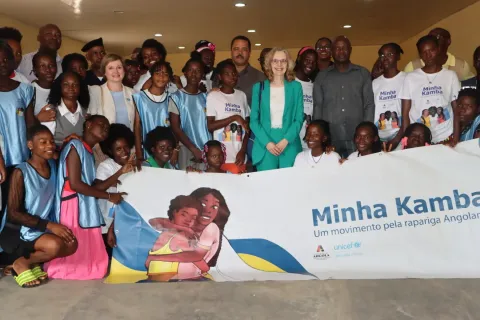
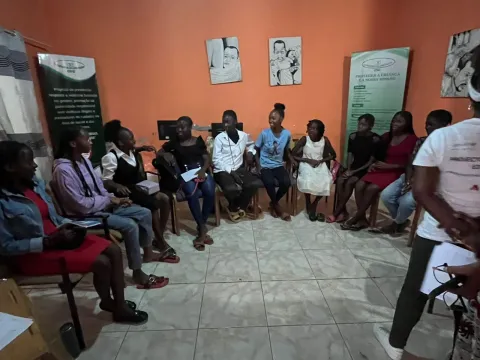
Children discussing and proposing policies to improve the situation of children in Angola.
Children's Parliament, a space where the Voices of Tomorrow can be heard.
- Portuguese
- English
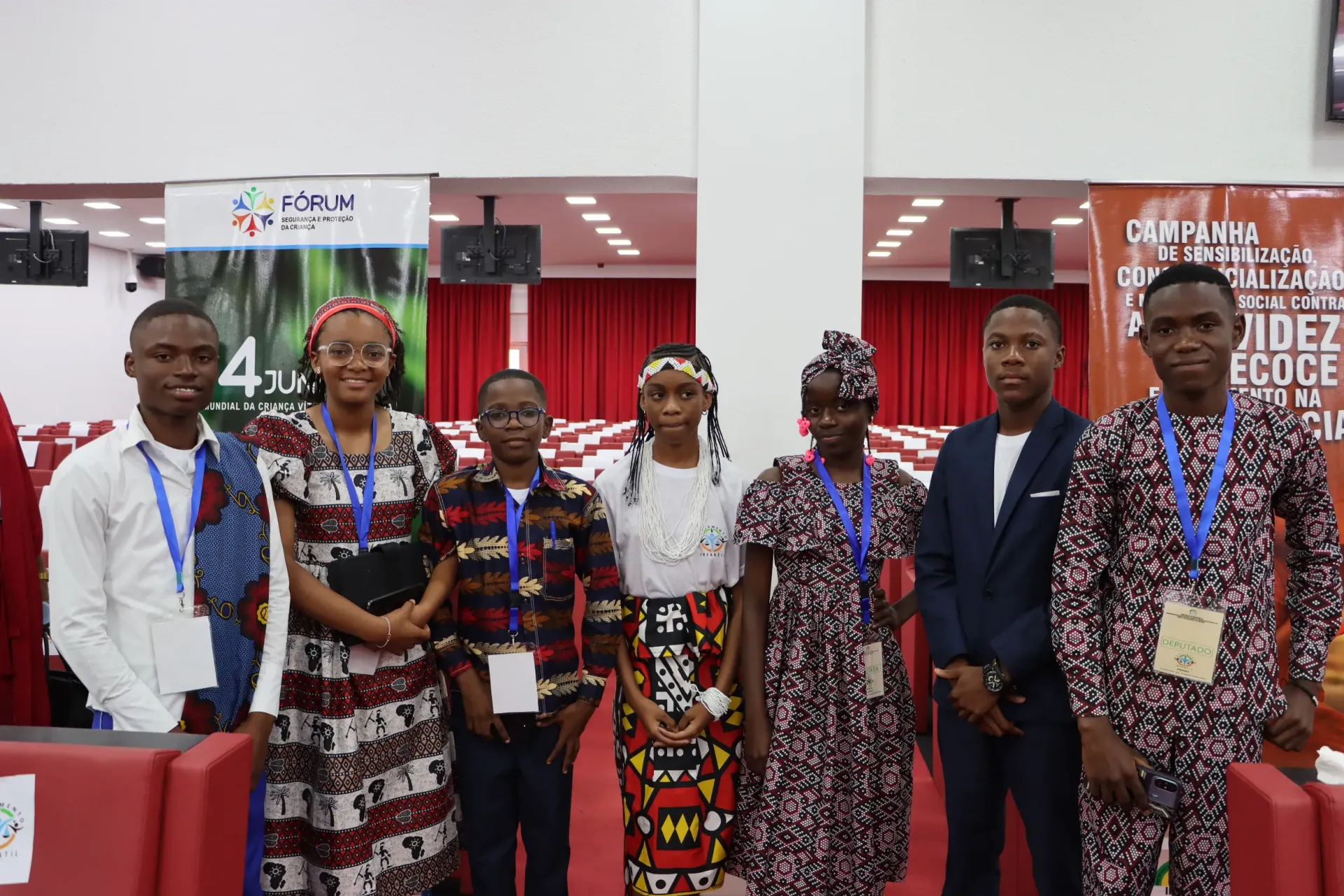
The new governing bodies of the National Children's Parliament took office on June 30, in Luanda, during the closing ceremony of the Children's Day, which also marked the end of the IV National Session of the Children's Parliament.
The Children's Parliament is an initiative created to give children and adolescents a voice, allowing them to debate their rights, present proposals and simulate the functioning of the legislative branch (the adults' parliament). The main objective is to promote citizenship, social participation and democracy from childhood.
According to Paulo Kalesi, Director-General of the National Children's Institute (INAC), the project, which includes children and adolescents from 8 to 17 years old, represents an important instrument for the materialization of the right to free expression and participation.
"The goal is to prepare the citizens of tomorrow. A child who participates, who expresses his opinion and understands the value of patriotism will certainly be a more aware adult", highlighted the official.
Paulo Kalesi also underlined the fundamental role of schools and communities in the process of electing children's representatives, which culminates in the national plenary.
The interventions of the children's parliamentarians revealed a mature perception of the challenges faced by children in their communities. Among the most debated topics was the implementation of the 11 Children's Commitments, and the fight against violence against children was highlighted, pointed out as one of the main concerns shared by the provincial representatives.
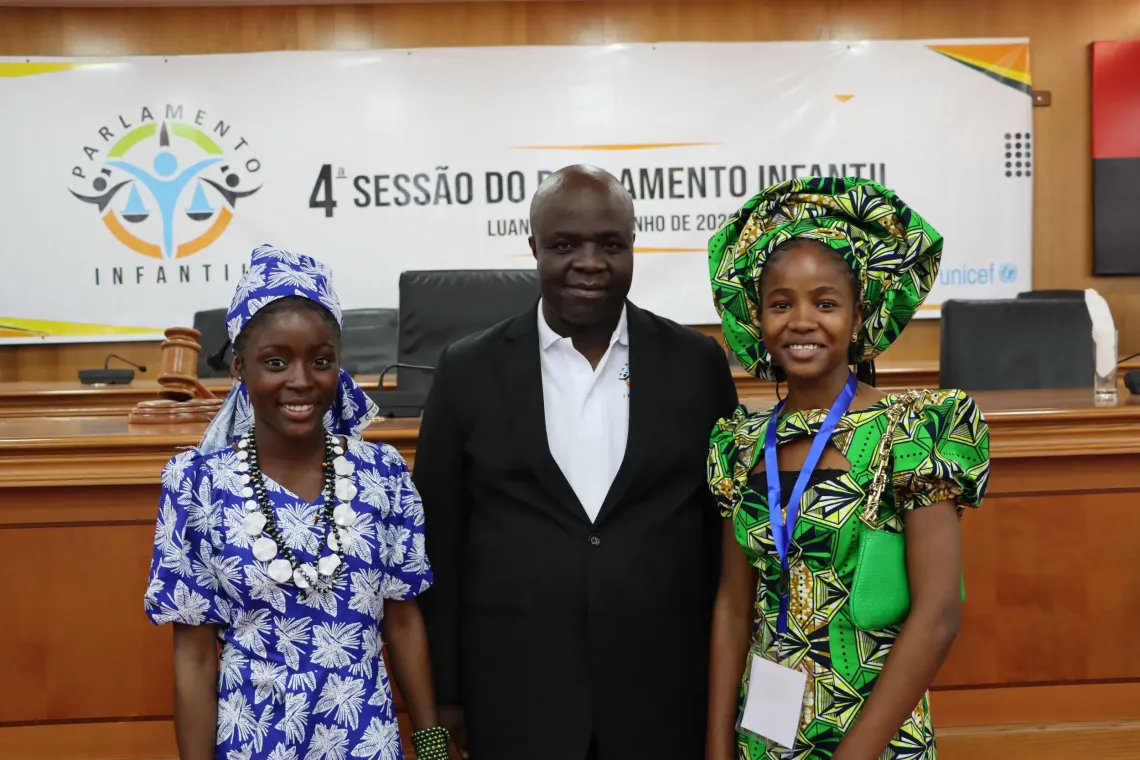
Deputy Clemente Moacazê, representative of the province of Lunda Norte, drew attention to the cases of violence and sexual abuse against children registered in several provinces of the country, including Luanda, Huambo and Lunda Norte itself. The young deputy called for stricter action by the forces of order and security.
"The Government must put more rigor in the action of police officers, because there are adults who rape a child and, after a week in prison, end up being released. It makes us feel like we have no value, when we are the future of tomorrow," he said.
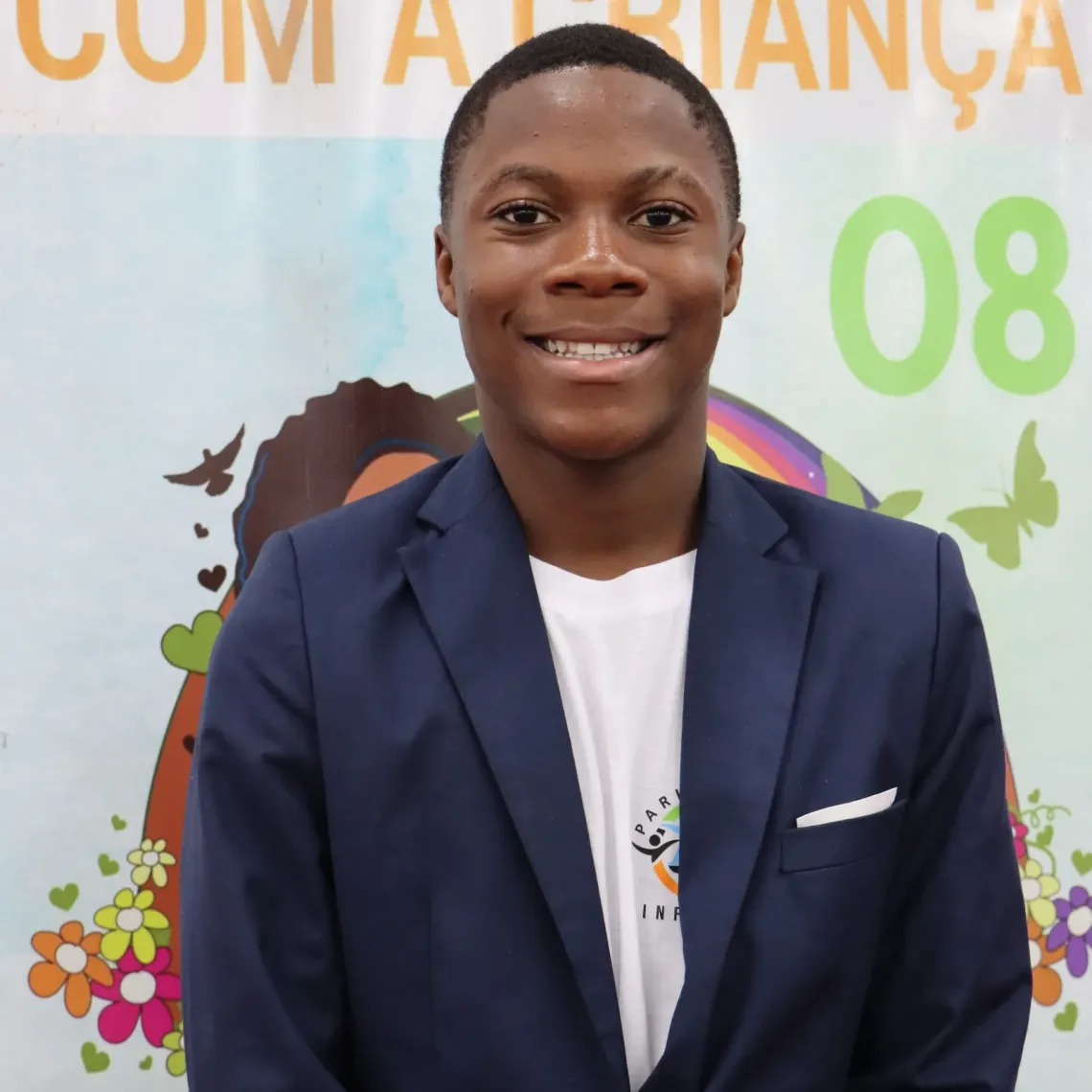
In the same vein, Weza Santiago, elected second secretary of the National Children's Parliament, highlighted that one of her main priorities is to combat physical and sexual violence against children, mistreatment, and child labor.
The young deputy appealed to the courage of her peers to denounce situations of violence.
"Children should not be afraid to speak. Was there violence? Report it. Have you seen a neighbor or a friend being raped? Report it. They have to talk."
Another topic widely debated during the IV National Session of the Children's Parliament was access to education, which continues to represent a challenge for many children, especially in the most vulnerable communities.
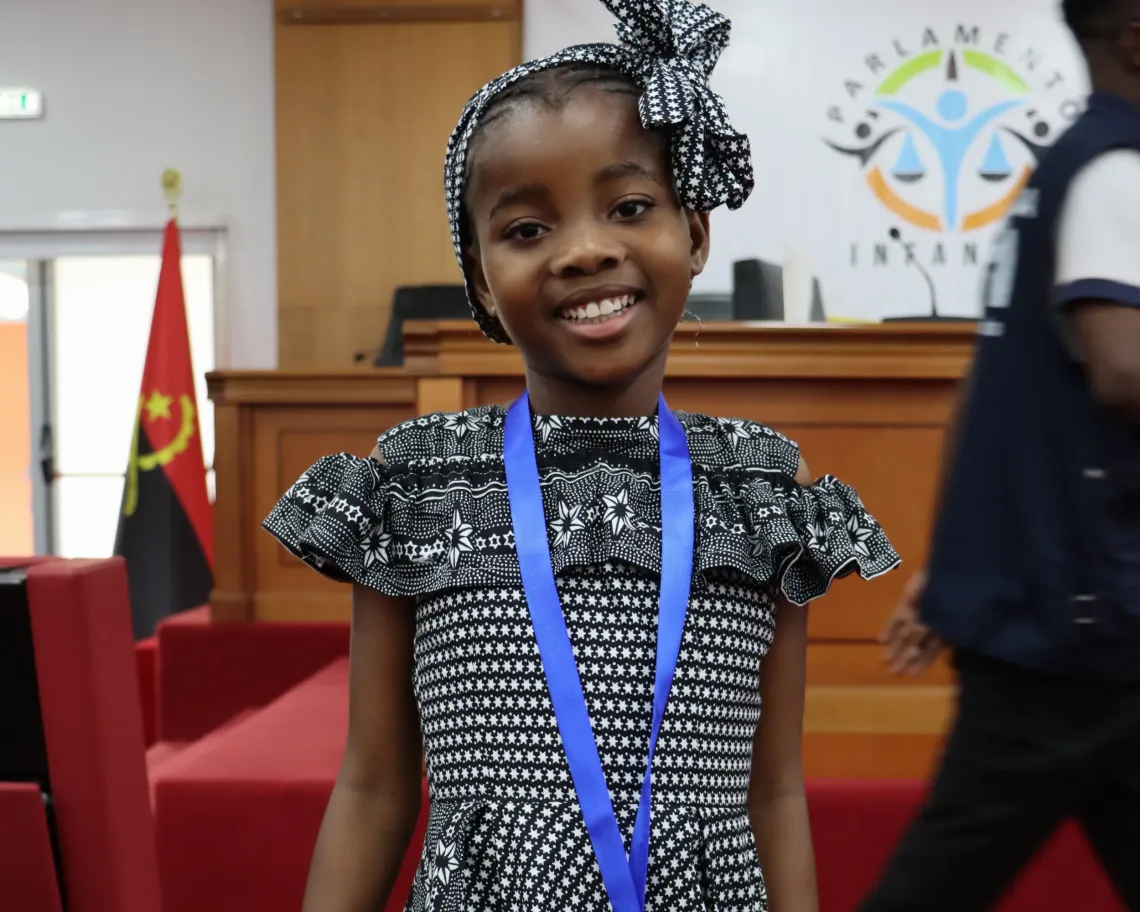
Deputy Suzete Campos, 12, president of the Children's Parliament in Bengo province, presented worrying data about the reality of her province. According to the young woman, about 11 percent of enrolled children live far away from schools, while 15 percent of the child population does not have access to the education system.
Faced with this scenario, Suzete called for the construction of more schools and the strengthening of basic social services.
"We need more free schools and more hospitals so that children have access to better quality education and health services."
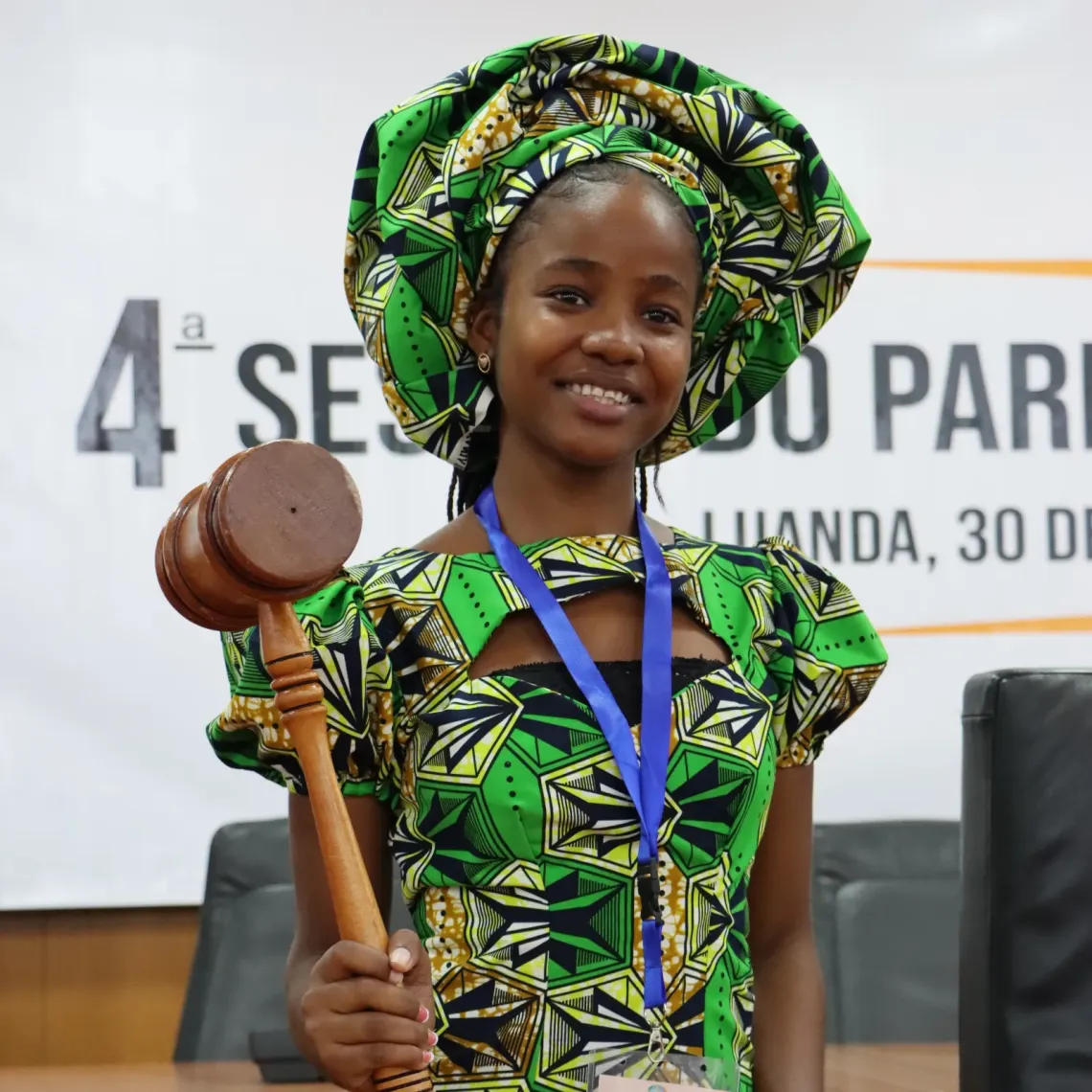
In turn, Ariana Tacumbe, representative of the province of Benguela, highlighted the lack of civil documentation as one of the factors that contribute to school exclusion, especially in rural areas.
"It is necessary to strengthen civil registration services in rural areas, because there are children who do not study due to lack of documents. If the person in charge does not have documents, often the child cannot obtain them either," he explained.
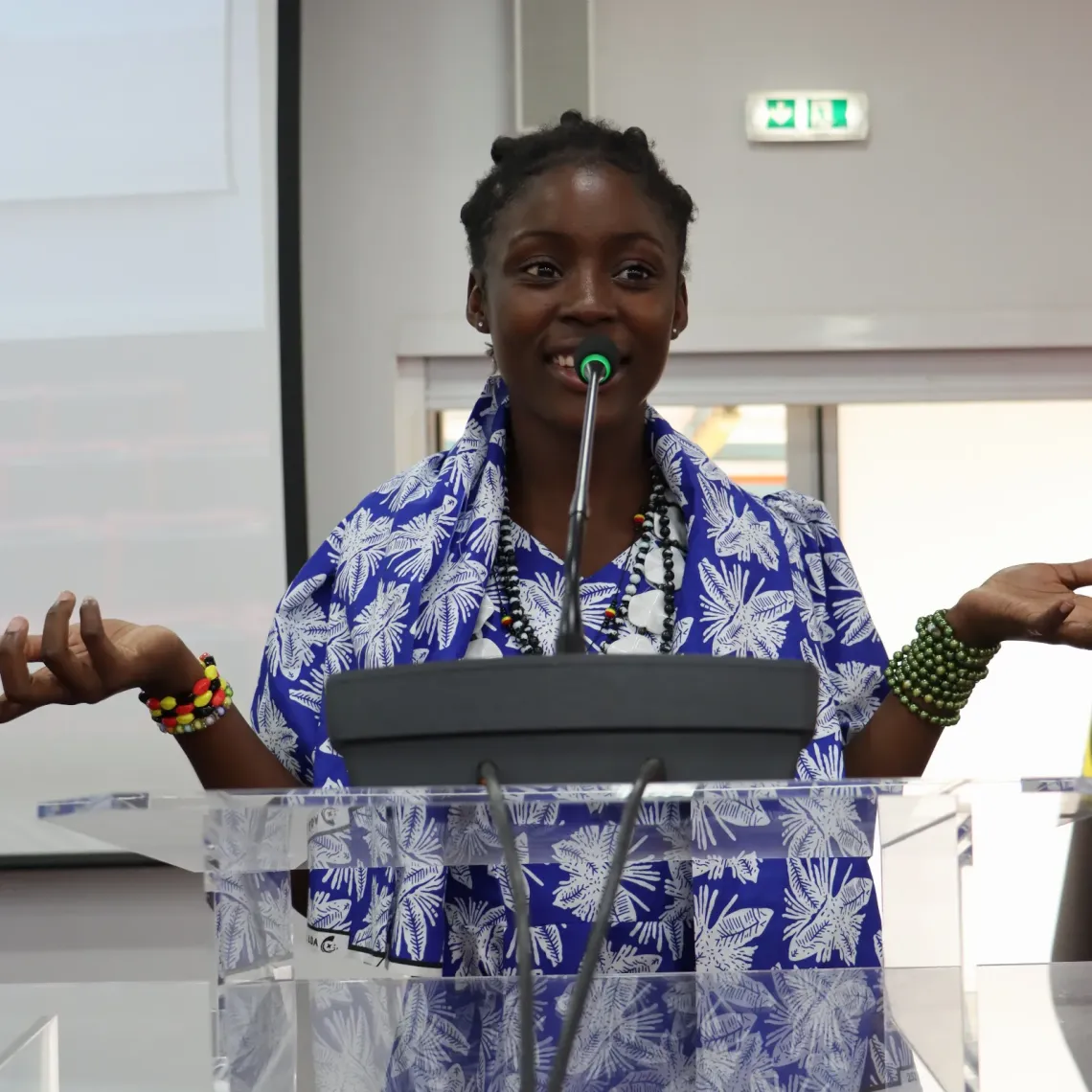
Coming from the province of Moxico, Erica Gomes, outgoing second vice-president of the National Children's Parliament, contextualized the challenges faced by many children living in remote areas.
The young woman reported the existence of communities separated by rivers, forcing many children to travel dangerous routes to get to school. As a solution, he advocated building educational infrastructure on both sides of the affected communities.
Erica also warned of the consequences of school exclusion, highlighting phenomena such as teenage marriage and early pregnancy.
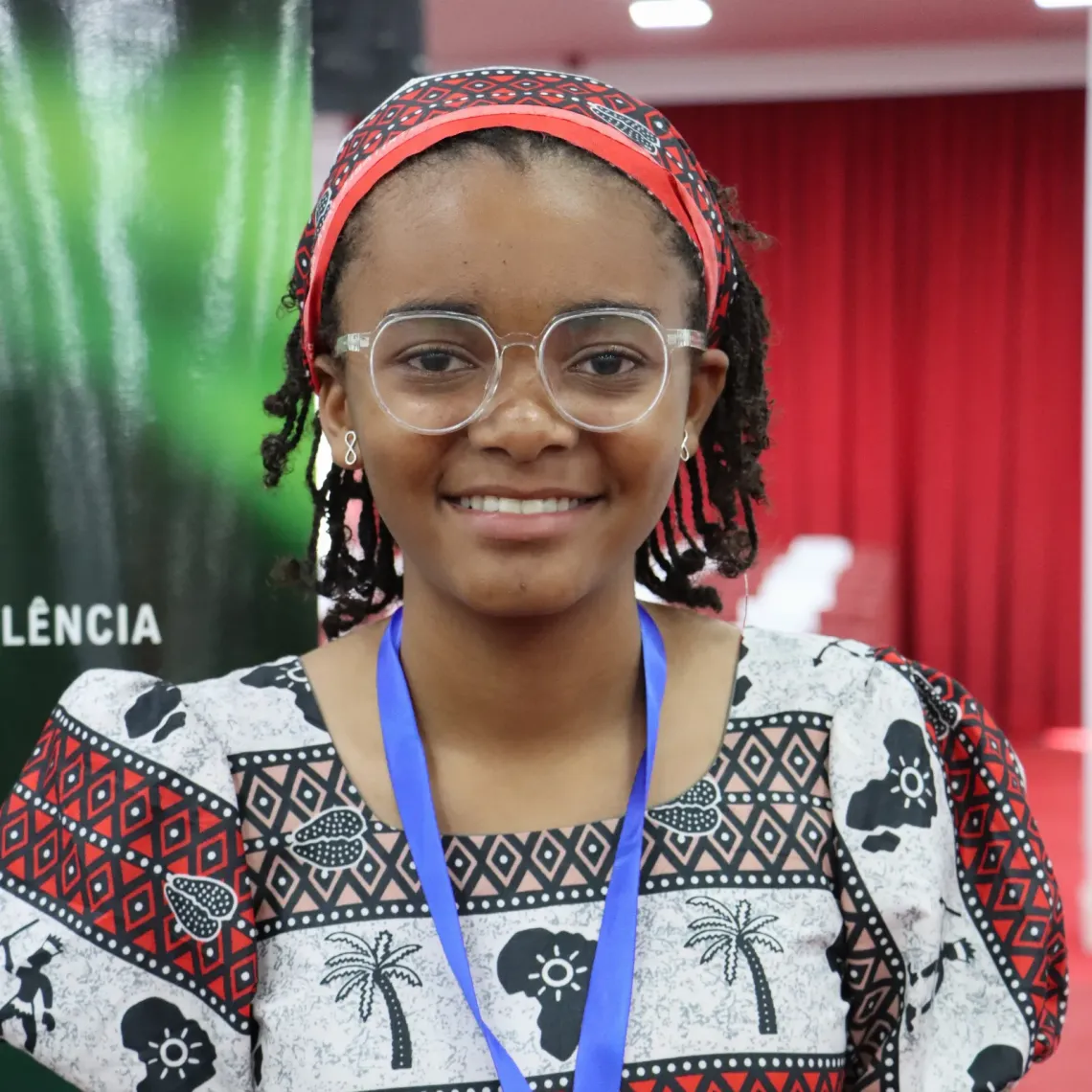
"Listening is not enough, it is necessary to act"
Although the balance of the outgoing leadership, represented by Edna Martins, was considered positive, especially for the awareness-raising and support actions provided to children in vulnerable situations since 2024, the new children's deputies argue that the success of the Children's Parliament also depends on the ability of adults to transform children's recommendations into concrete actions.
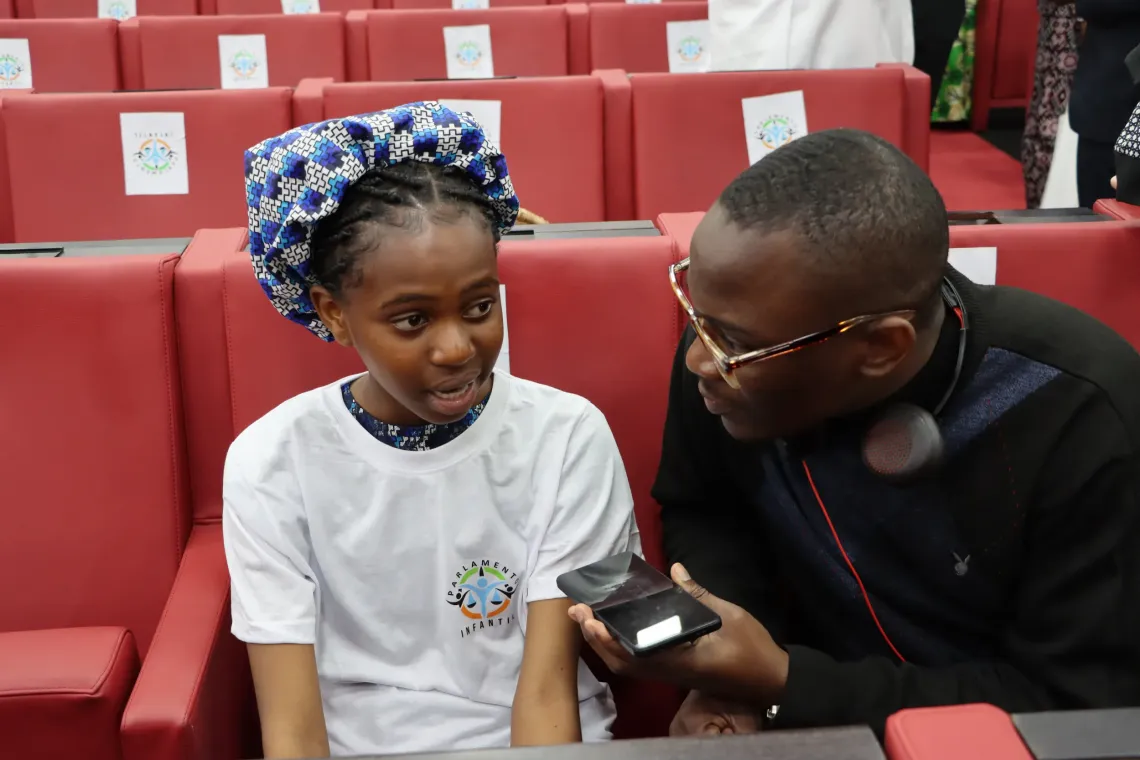
Deputy Márcido Samba, representative of the province of Cabinda, summarized what he considers to be one of the institution's biggest challenges: ensuring that children's voices are not only heard but effectively considered in decision-making processes.
"Giving us a voice they can give us, but listening, accepting and approving our suggestions remains the great challenge. They can listen, take notes and take our recommendations to Parliament, but for these actions to be put into practice, there needs to be commitment and approval of the proposals presented by the children."
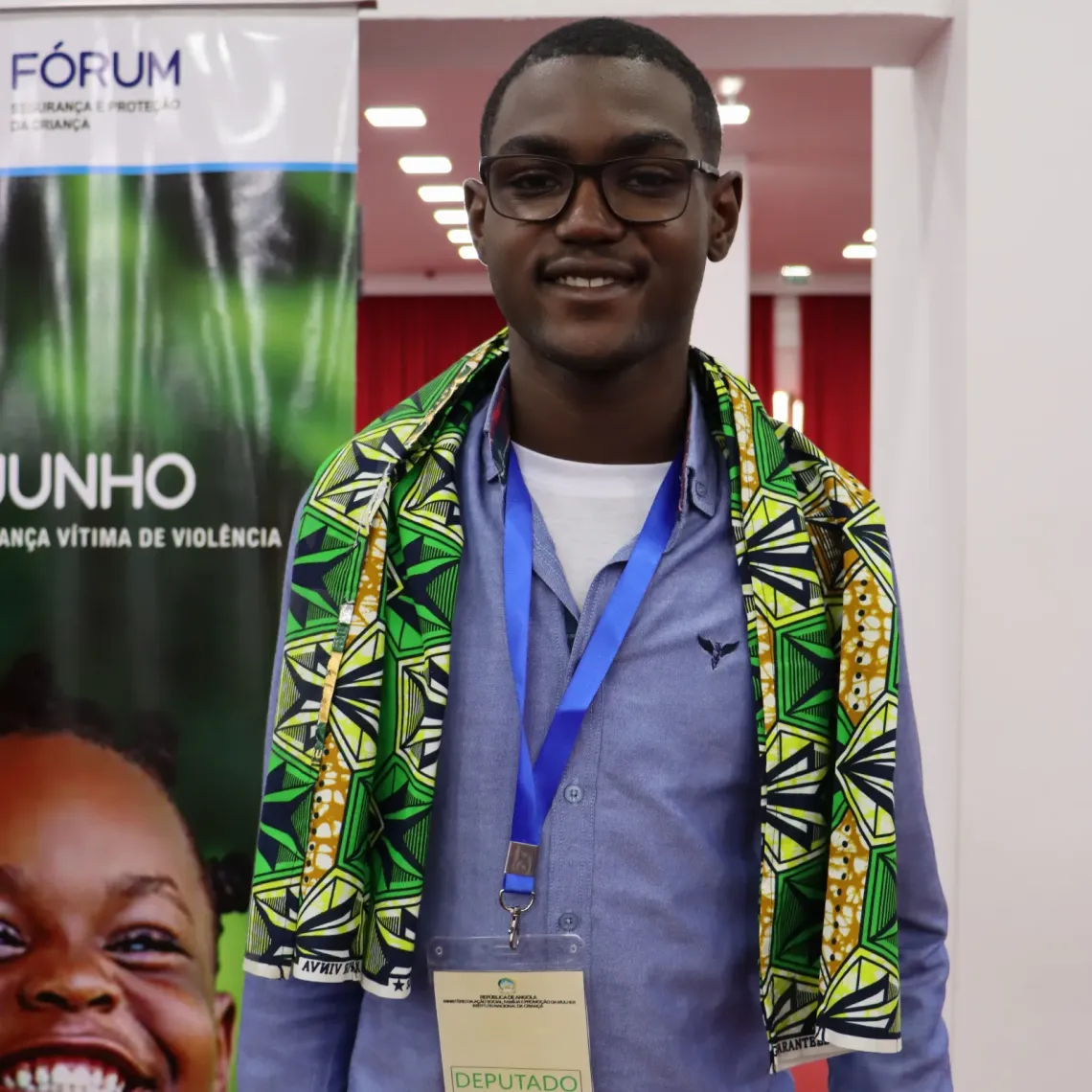
The event, which brought together children's deputies from all provinces of the country, closed its IV National Session, leaving a clear message to government officials, teachers, parents, and Angolan society: children do not just want to be recognized as the future of the country. They also want to actively participate in the construction of their present and contribute to the decisions that affect their lives and their communities.