Angola Embraces Hope: Cervical Cancer Vaccination Protects Girls' Future.
Cervical cancer vaccine will become part of the Angolan National Routine Vaccination Plan for 9-year-old girls.

- Portuguese
- English
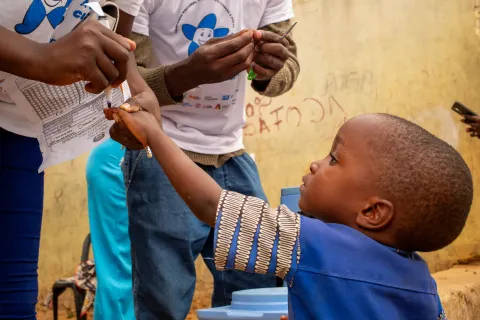
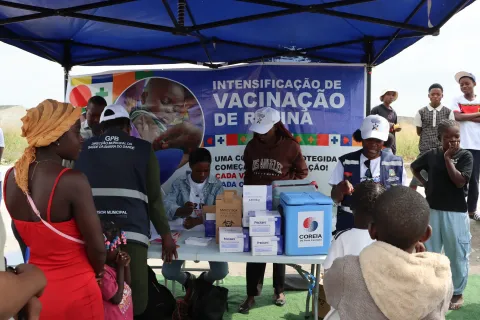
Through a campaign launched on October 27 with the aim of immunizing more than 2 million girls between the ages of 9 and 12, Angola has begun to write a new page in its public health history. For the first time, the country is carrying out a massive national vaccination campaign against HPV (Human Papilloma Virus), the virus responsible for cervical cancer, a disease that takes lives, but can be prevented.
The province of Namibe, in southern Angola, hosted the launch event, with an adhesion that reflected hope and commitment from the Government, partners, and communities, with hundreds of children having been vaccinated.
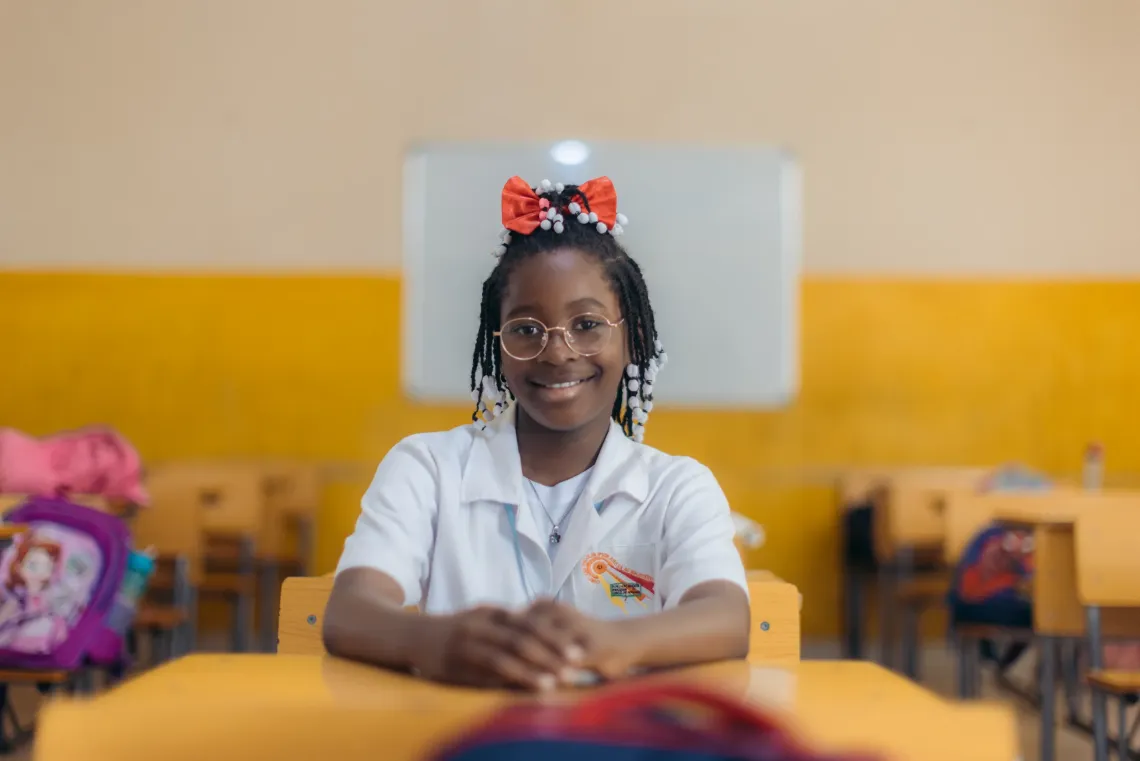
Each dose of vaccine applied was a step towards a healthier future, free from a disease that should not steal dreams. As the girl Judith tells us, the vaccine is safe, effective, and free.
"Before I got the vaccine I was nervous, but now I'm fine. For those who haven't been beaten yet, I say don't be afraid, it's fast, safe and it doesn't hurt." said 9-year-old Judith, a 4th grade student.
Cervical cancer continues to be one of the leading causes of death among women of reproductive age in Angola. With a wide adherence to the vaccination campaign and with the inclusion of the vaccine in the calendar as of January 2026, this reality may change, as immunization is an effective way to prevent the disease and protect lives.
"Every year, more than a thousand women lose their lives due to lack of early diagnosis and proper treatment." Declared Silvia Lutucuta, Minister of Health, at the launch of the campaign.
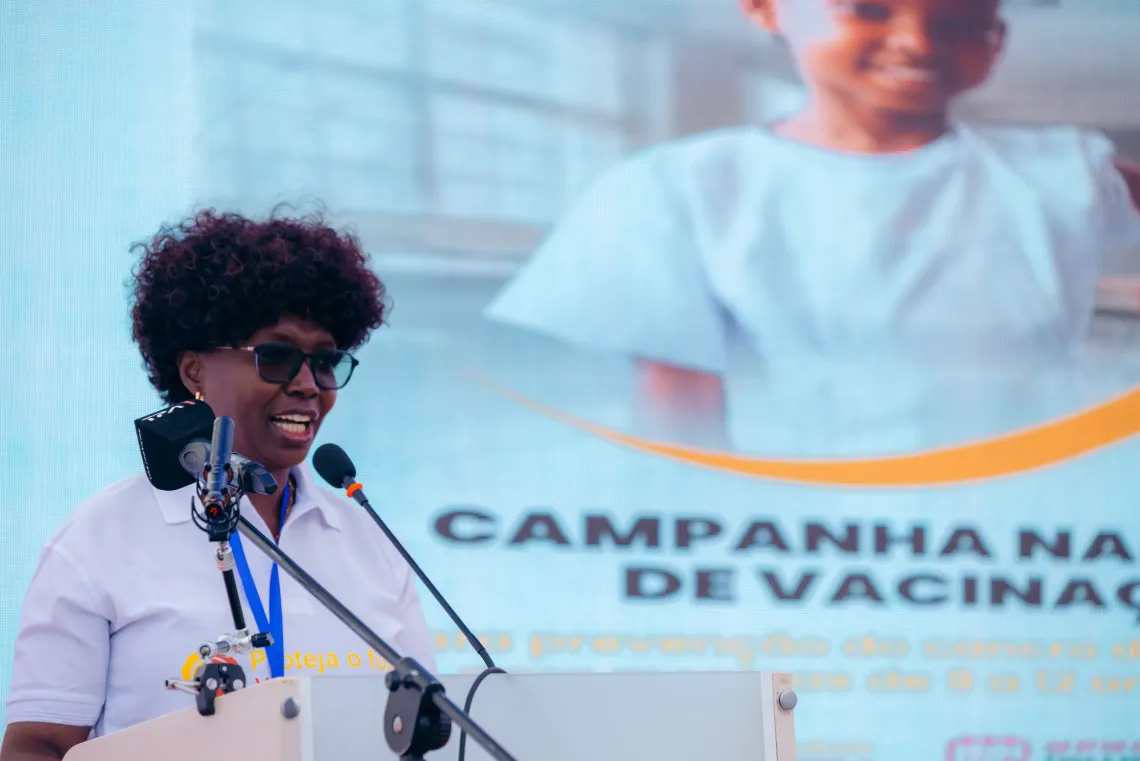
The campaign, which had the first Lady of the Republic of Angola as godmother, mobilized about 14,650 people, including health professionals, teachers, municipal technicians, supervisors, and volunteers, throughout the country. Teachers and health professionals played an essential role in this process, from the mobilization of students, awareness of education workers, and registration of students.
In schools, vaccinators like Zuraide César ensure that each step of the process takes place safely and efficiently.
"When we arrive, we talk to the directors, prepare the vaccines and administer them to the children. Then we deliver a card that means the child is already vaccinated." described Zuraide César, vaccinator.

In turn, the teacher of the 5th grade at Namibe, Ana João, said that "as a teacher, my role in this campaign was to inform students and those in trouble about the importance of the vaccine.
Taking into account the hesitancy of some parents in relation to vaccines, the teacher appealed to parents "to look for health centers to have more credible information because the vaccine is an act of love and responsibility. It is with this vaccine that we will prevent our children."
"Each dose applied is a victory, a barrier erected against a disease that should not steal dreams or interrupt stories. Together, we can ensure that every girl grows up free to live fully, healthily, and hopefully," appealed Diego Zorillo, United Nations Coordinator in Angola.
More than protection against cervical cancer, the HPV vaccine is a precious investment in the life, health, and future of our girls. Parents, guardians, and caregivers need to be informed in order to trust vaccination and to be part of this movement for girls' health.
"At first I had some doubts because this vaccine was a novelty for me. I had to investigate, get in touch with health-related entities to understand and thus, confidently, authorize my girl to be vaccinated," said Elisa de Moura, in charge of education.

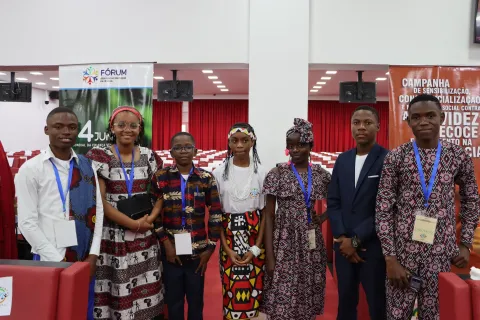
During the launch of the communication campaign, the First Lady of the Republic, Ana Dias Lourenço, highlighted the importance of "vaccination against cervical cancer is one of those keys for the future. A future where our girls grow up healthy, our families thrive, and our country is strengthened. Therefore, this campaign is also an investment for the future of Angola."
With a view to reinforcing the commitment to preventive health and to the new generations from January 2026, the cervical cancer vaccine will become part of the National Routine Vaccination Plan for 9-year-old girls.
To this end, the Angolan government has invested in all the necessary equipment to ensure the successful introduction of the vaccine. Of note is the investment in cold chain equipment, training of vaccination technicians and cold chain managers.