Closer to families, more protection for children.
The impact of the intensification of routine vaccination in Bengo.
- Portuguese
- English
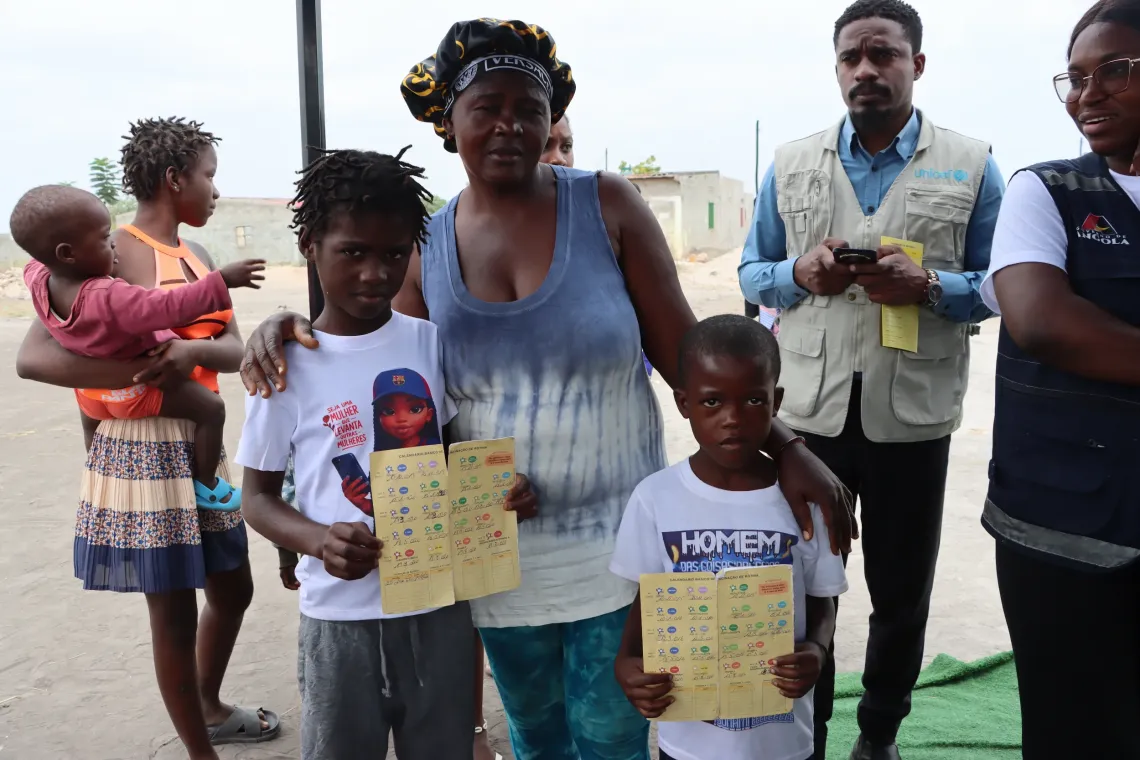
For many families, these efforts represent more than numbers. They represent opportunities to ensure a healthier future for your children. This is the case of Belita Miguel, mother of Moisés Fernando, 6 years old, and Domingas Fernando, 10 years old. She proudly shows her children's complete vaccination cards and highlights the importance of complying with the vaccination schedule.
"I have always tried to ensure that my children receive all the vaccines. As a mother, I believe that vaccination is one of the most important ways to protect children's health and prevent diseases," she says.
Belita also leaves a message for other families:
"Vaccines are safe and help our children grow up healthy. It is important that all parents take their children to vaccination."
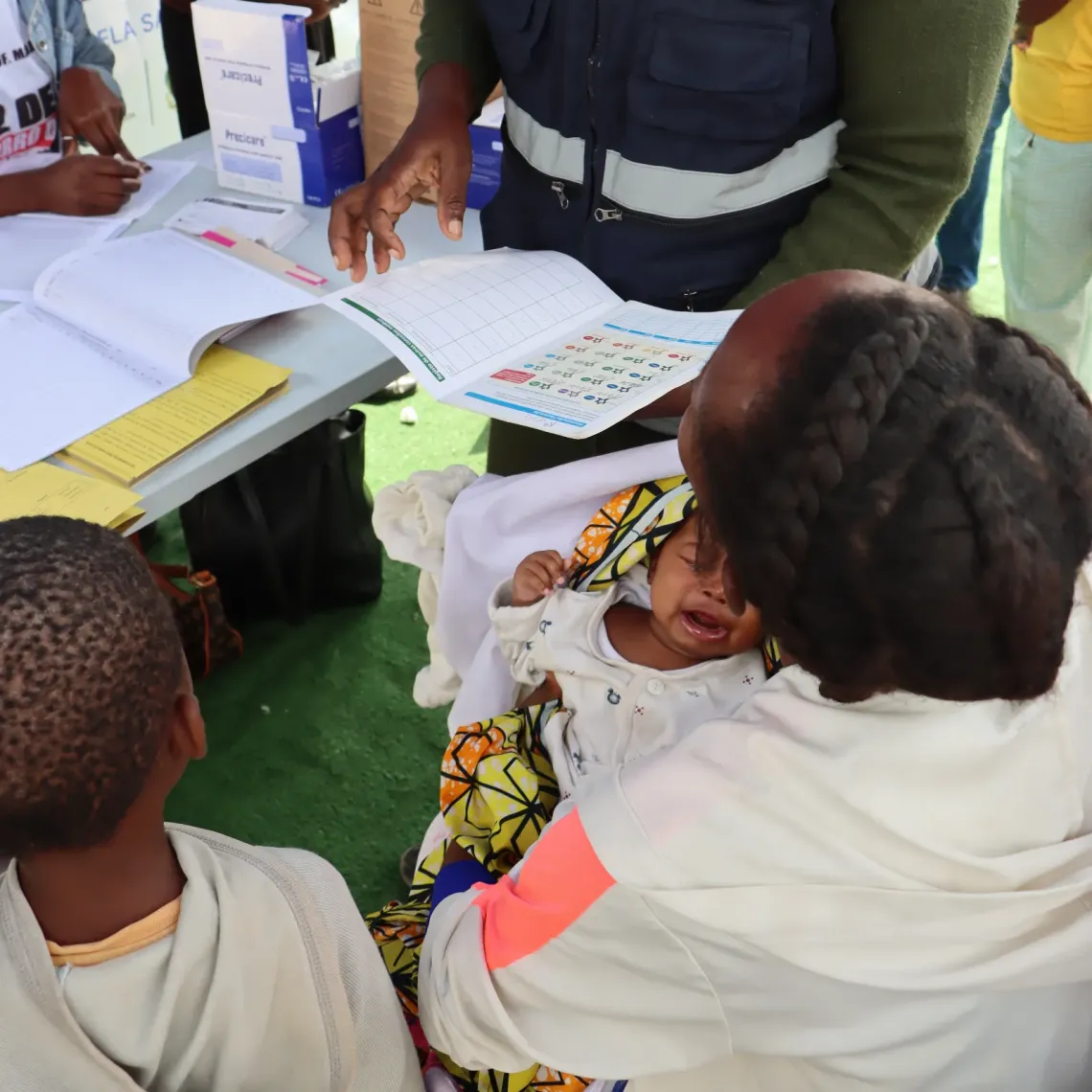
A few meters from the place where Belita lives, we find Helena Pedro holding little Paulina, only two months old, who had just received her vaccines during one of the rounds of intensification of routine vaccination.
"I want to make sure my daughter gets all the vaccines at the right time. Today I better understand the importance of vaccination and I want to see Paulina's card complete, so that she grows up healthy and protected," she shares.
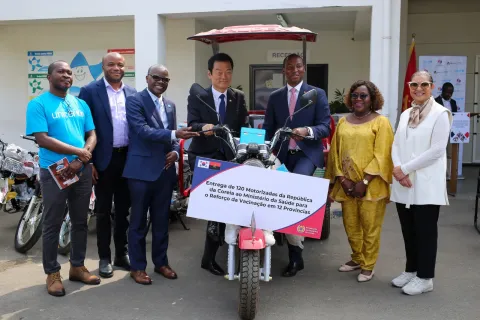
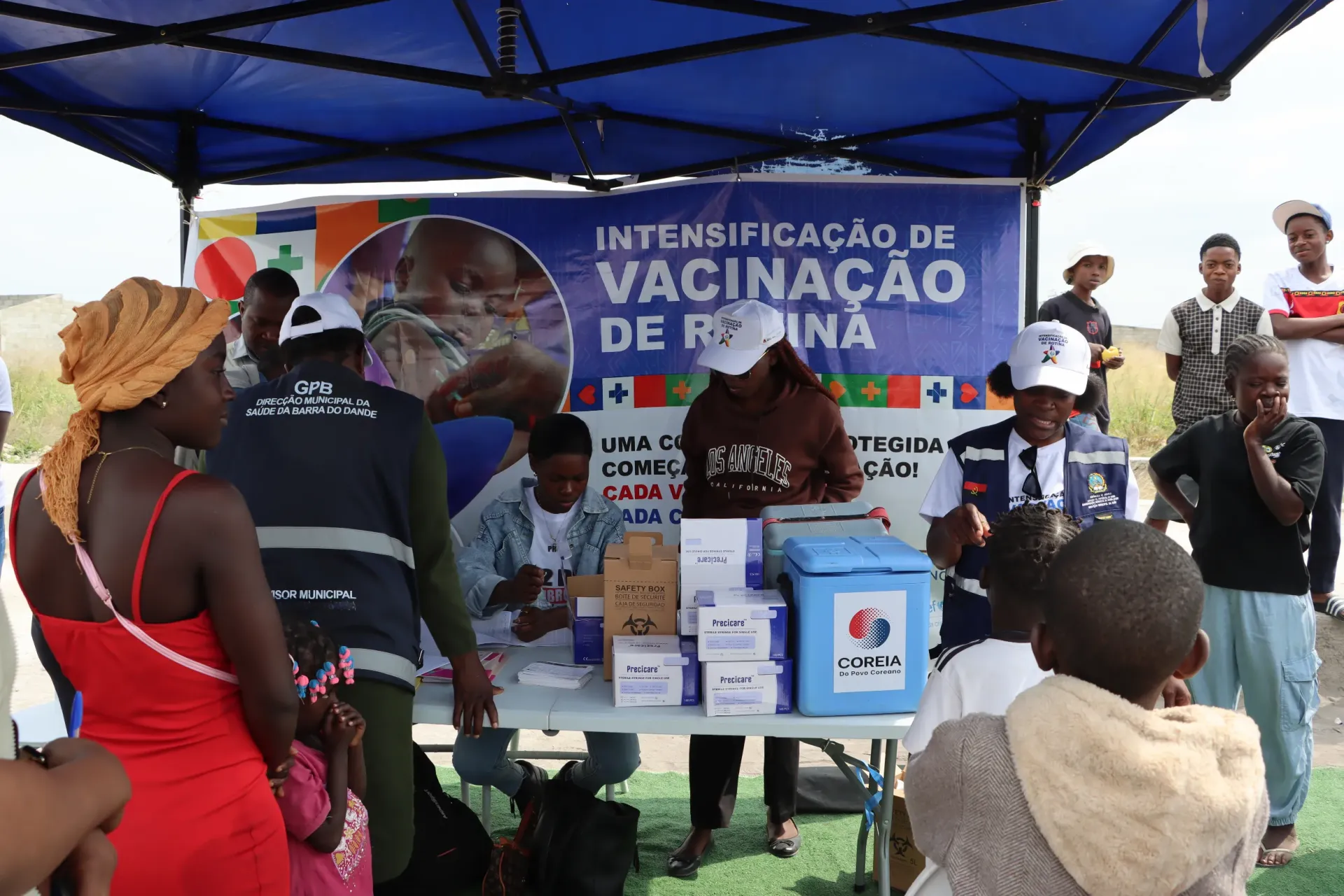
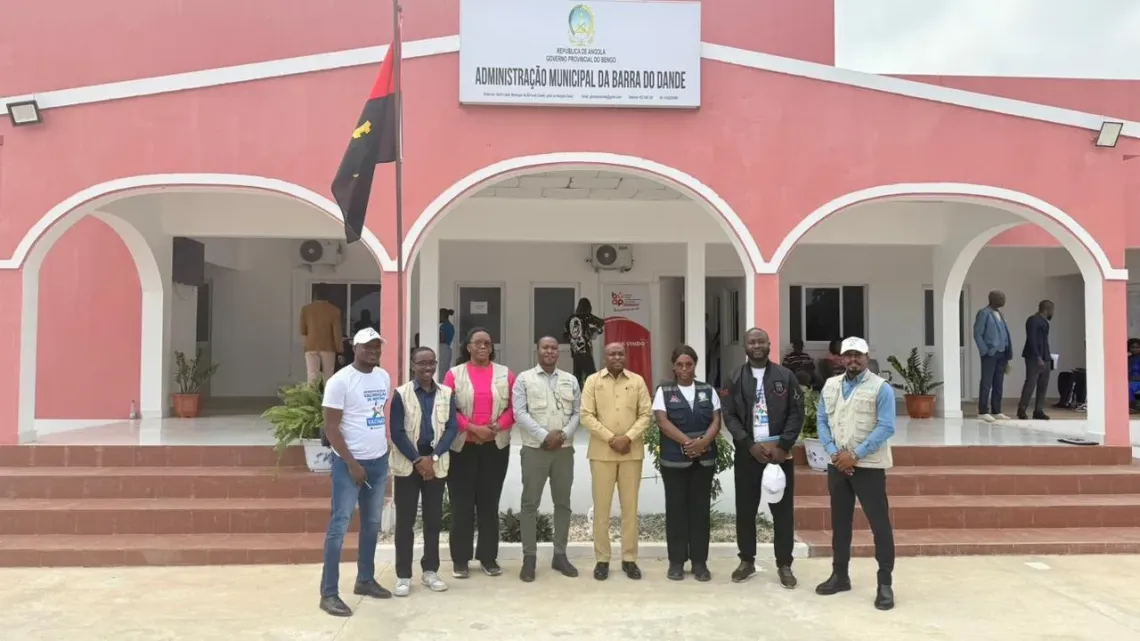
UNICEF Angola conducted a monitoring visit to Bengo Province to monitor the implementation of Routine Periodic Immunization Intensification (PIRI) activities, an initiative supported by the Government of the Republic of Korea that aims to strengthen equitable access to vaccines and strengthen local health systems.
The mission included meetings with local authorities, including the Municipal Administrator of Barra do Dande, José Domingos Muginga da Silva, as well as monitoring visits to health facilities, routine vaccination points and cold chain infrastructures. The objective was to assess the progress achieved and identify opportunities to expand the reach of immunization services to the most vulnerable communities.
Bengo Province has faced challenges in routine immunization coverage due to the shortage of human resources in some areas and difficulties in accessing remote communities. To address these barriers, UNICEF, in partnership with the Ministry of Health and with financial support from the Republic of Korea, has supported the implementation of strategies that bring immunization services closer to families.
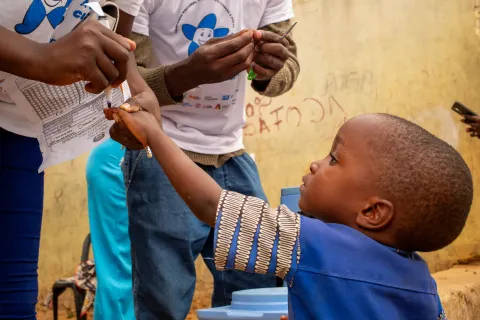
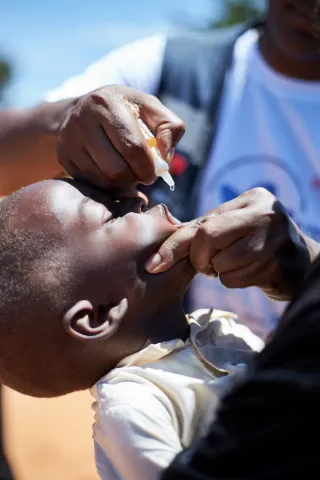
As part of the Periodic Intensification of Routine Immunization, vaccination teams regularly travel to hard-to-reach locations, ensuring that children living far from health facilities can receive vaccines essential for their survival and development.
"Strengthening the community health system is essential to ensure that every child has access to life-saving vaccines. By complementing routine services with multi-antigen vaccination activities, we are reducing immunity gaps and protecting more children against preventable diseases such as measles and polio.
The Republic of Korea's support has been instrumental in this effort, including strengthening the cold chain through the installation of solar refrigerators, which help ensure the quality and availability of vaccines even in the most remote communities." Steve Macheso, Immunization Specialist at UNICEF Angola.
In parallel, UNICEF has supported the capacity building of health workers through training and monitoring activities focused on data management and use. Strengthening information systems allows monitoring the progress of activities, identifying children who have not completed the vaccination schedule, and targeting more effective interventions to reach those who need it most.
Stories like Belita and Helena's illustrate the direct impact that investments in immunization have on the lives of families. By strengthening vaccination services, improving the cold chain and bringing health care closer to the most vulnerable communities, UNICEF and the Republic of Korea are helping to ensure that more children in Angola have access to safe and effective vaccines.
Through this partnership, Angola continues to strengthen the resilience of its national immunization program and bring life-saving health services closer to some of the country's most deprived communities, ensuring that every child has the opportunity to grow up protected and reach their full potential.