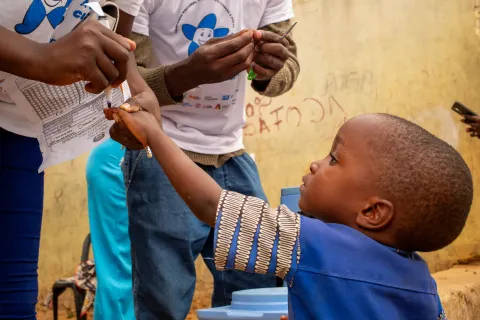
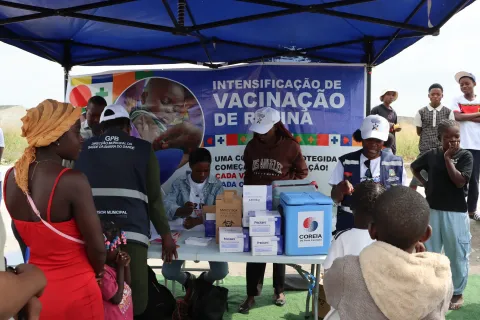
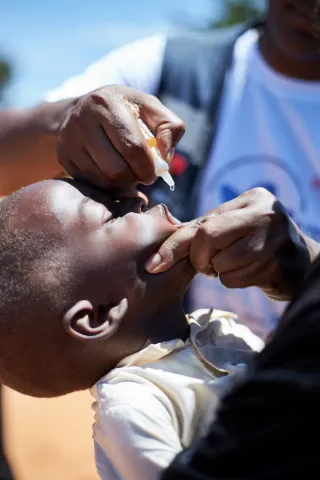
South Korea reinforces support for community vaccination in Angola.
Through the donation of 120 motorcycles, it is intended to ensure that vaccination services reach the most remote communities on time and efficiently.
- Portuguese
- English
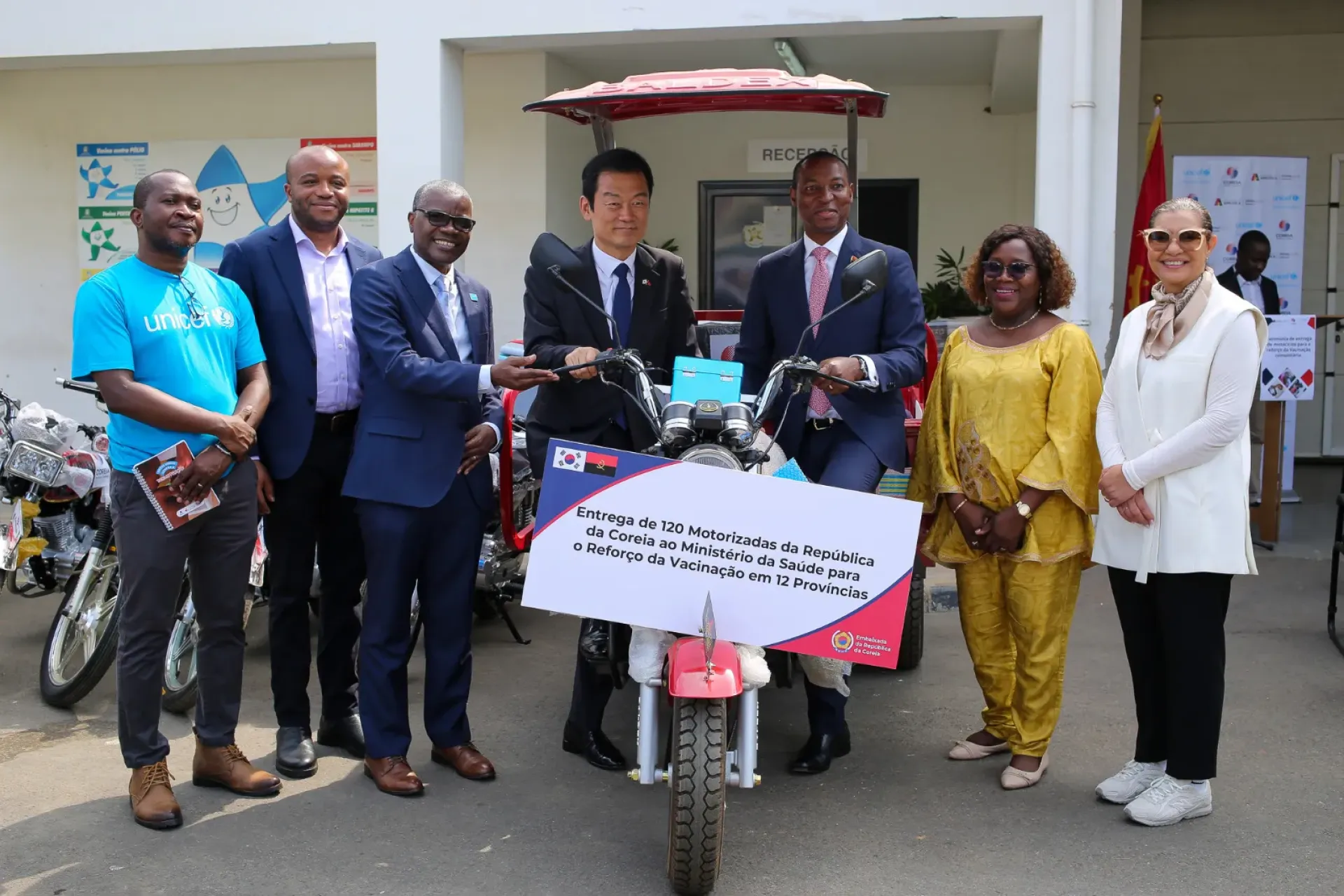
In a crucial initiative to reduce inequalities in vaccination coverage in Angola, the Government of the Republic of Korea officially delivered 120 motor vehicles to the Ministry of Health (MINSA) this morning in Luanda, June 4, 2026.
The circulating means, acquired through UNICEF's logistics and procurement channel, are intended for direct support of community vaccination in remote and hard-to-reach communities in 12 provinces of the country.
The batch delivered consists of 60 two-wheeled motorcycles and 60 tricycles. The fleet will be distributed across the provinces of Benguela, Bengo, Cunene, Cuando Cubango, Cuanza Norte, Namibe, Huambo, Huíla, Lunda Norte, Lunda Sul, and Luanda, serving as support for the recently approved National Immunization Strategy of the Ministry of Health.
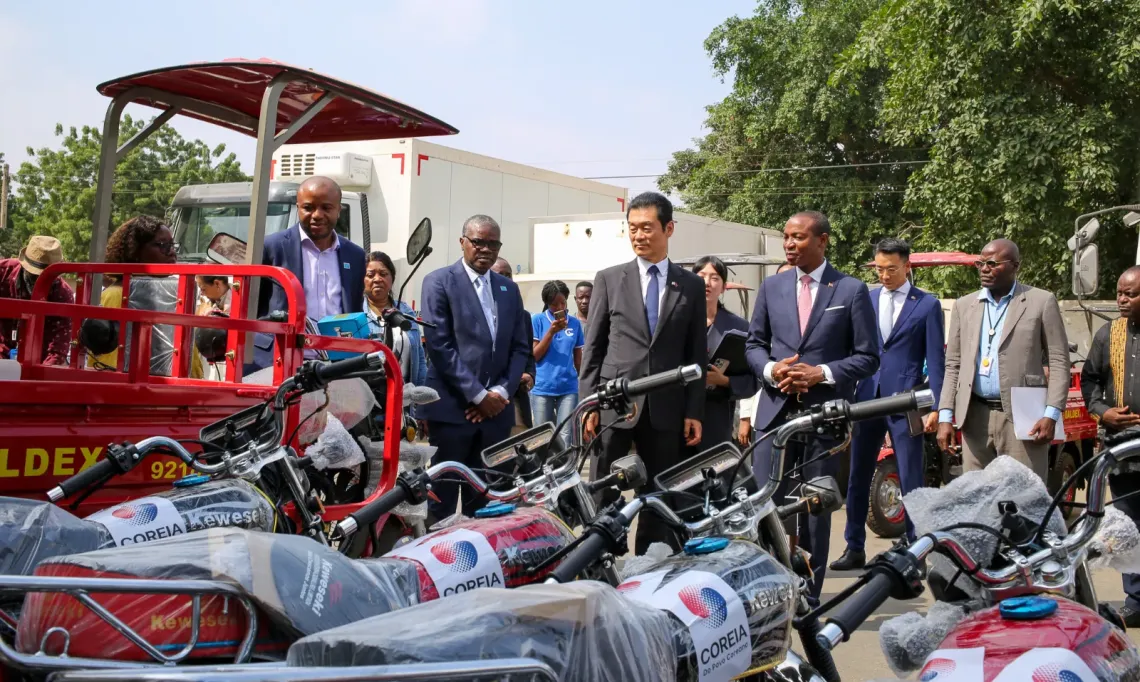
The donation of the vehicles, valued at about $180,000, is part of a much broader funding program by the Korean government, budgeted at more than $3 million. This fund aims to modernize the cold chain for vaccine conservation — including the purchase of refrigerators —, train community health professionals and agents, and conduct behavioral studies on adherence to routine immunization.
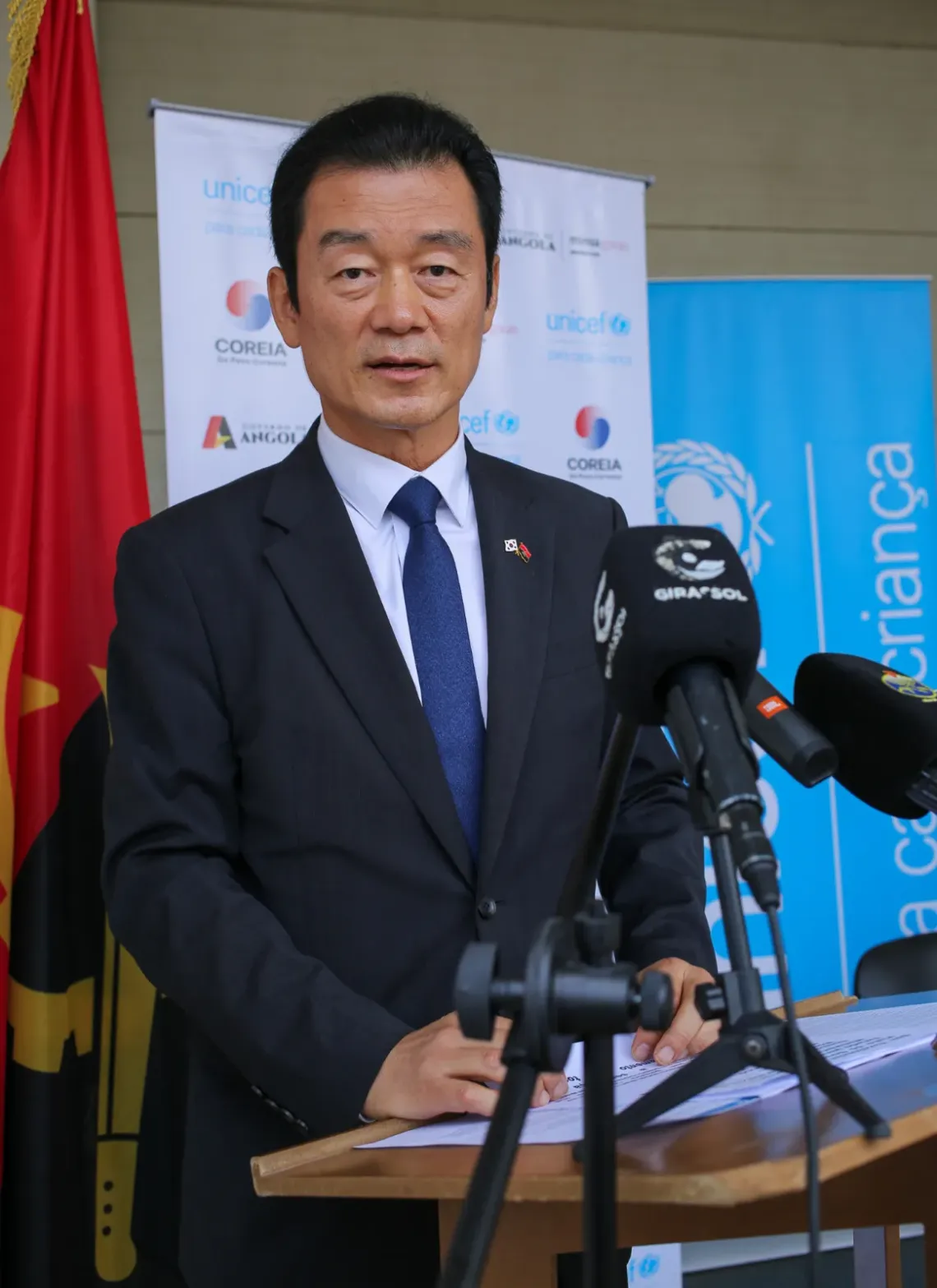
The Ambassador of the Republic of Korea to Angola, Kwang-Jin Choi, underlined the practical value of this donation and said that "these 120 vehicles (...) they represent much more than just means of transport. They are true lifelines. They will enable frontline health workers to move faster, ensuring that vaccination services reach the most remote and hard-to-reach communities on time and efficiently."
The diplomat also recalled his country's history of solidarity, which includes the donation of masks and diagnostic kits during the COVID-19 pandemic, seven ambulances in 2024 and solar cooling equipment last year.
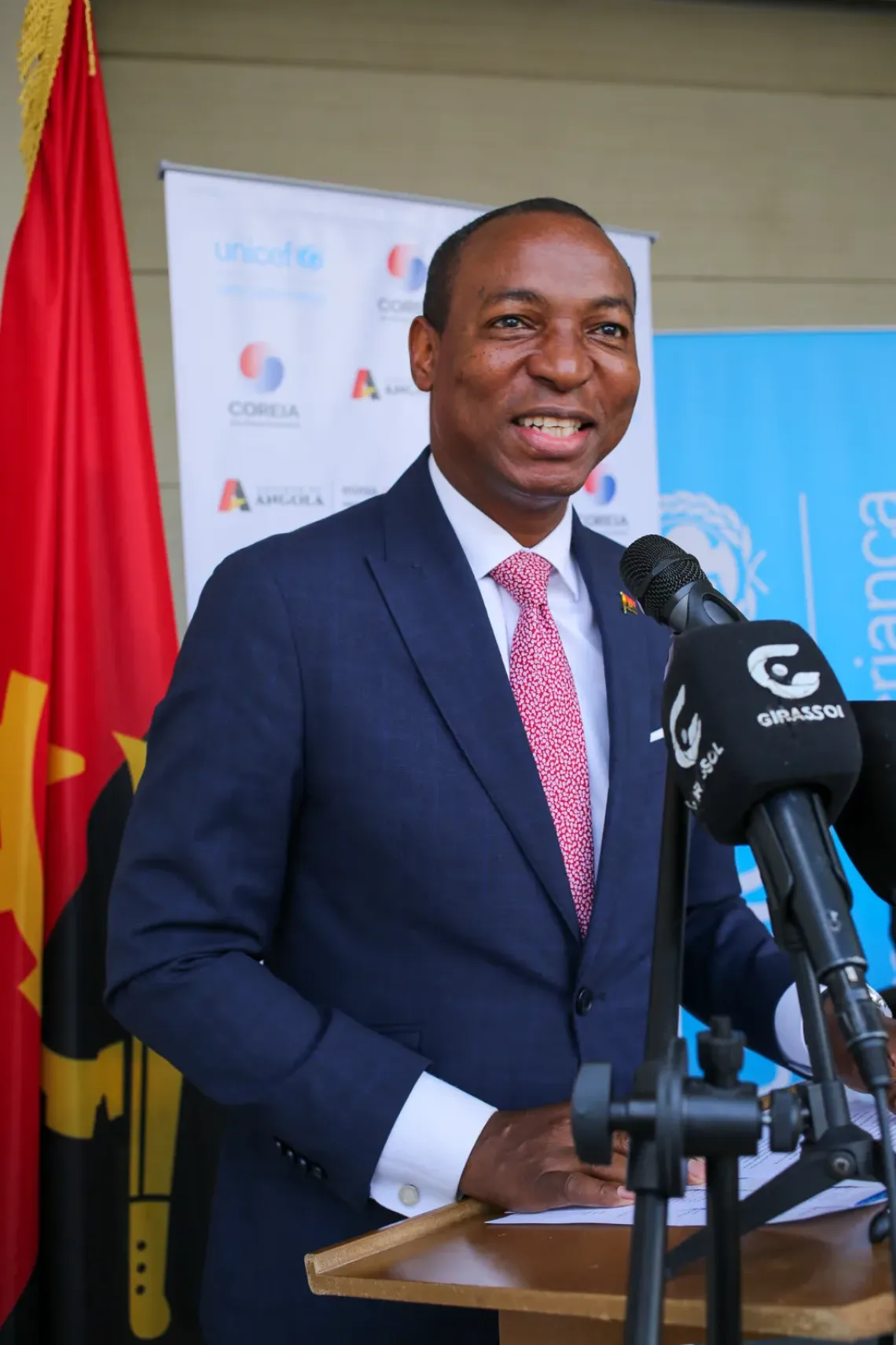
Representing the Minister of Health, Dr. Sílvia Lutucuta, the Secretary of State for Health for the Hospital Area, Dr. Leonardo Europeu Inocência, highlighted the transformative impact that the new media will have on the National Health System, comparing the initiative to a vital connection.
"These motorcycles that we are receiving will play a transformative role in overcoming the challenges, as well as in the distribution and mobility of the teams".
The Secretary of State also took the opportunity to leave a strong appeal for responsibility and preservation of the goods received:
"We will already recommend to those who will be the users of the motorcycles maximum precaution, maximum care (...) to ensure the sustainability of the means and, in turn, to hold them accountable for their misuse".
The ceremony was also marked by the official farewell of Ambassador Kwang-Jin Choi, who ends his diplomatic mission in Angola.
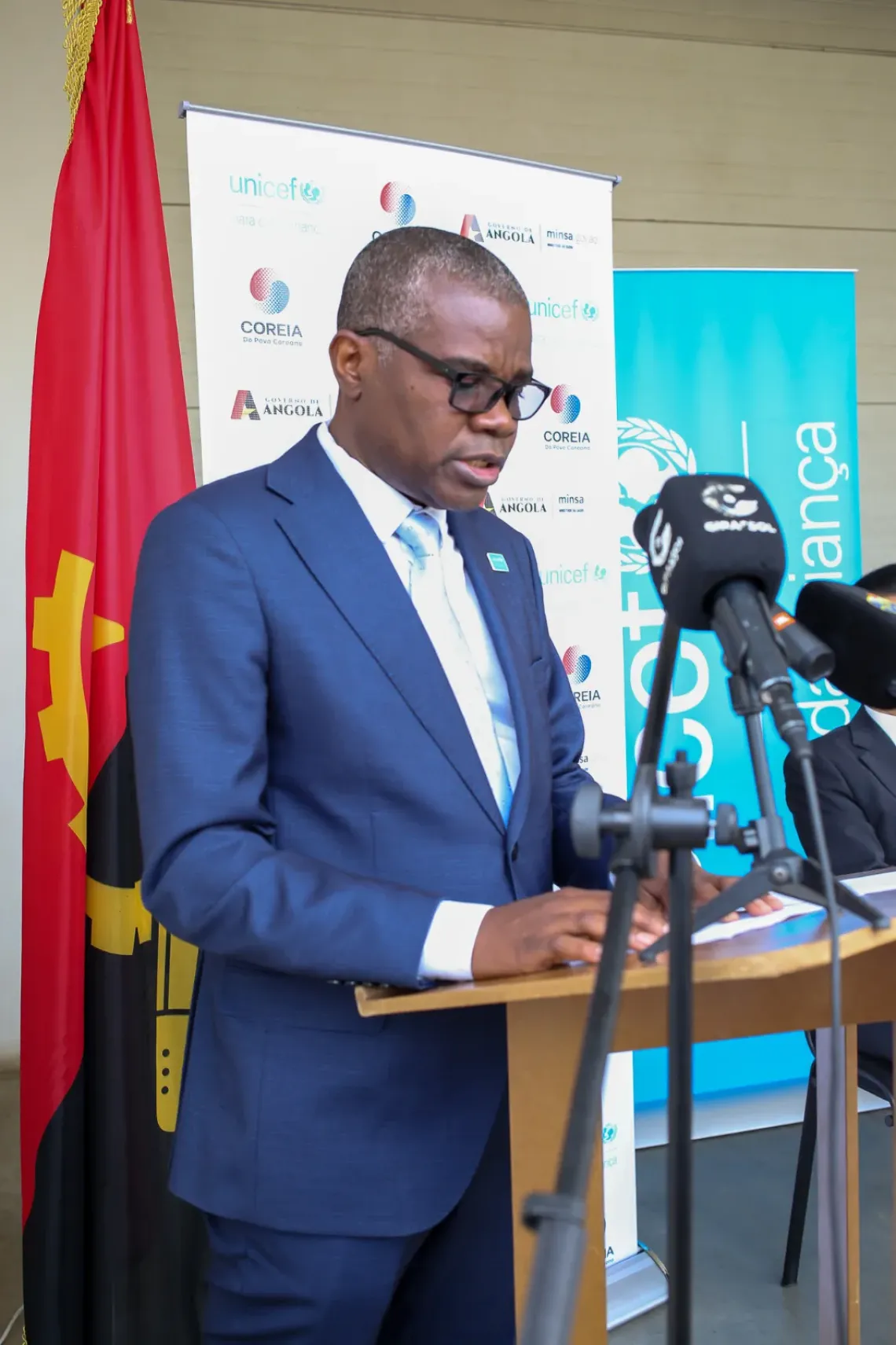
The Acting Deputy Representative of UNICEF in Angola, Dr. Frederico Brito, praised the role of the ambassador and the history of the global partnership between UNICEF and the South Korean government, active since 2010.
"Each motorcycle delivered today represents a bridge between the health system and a child; Every kilometre travelled will be an opportunity to protect lives against preventable diseases such as measles and cholera".
Frederico de Brito added that the path to universal immunization coverage requires persistence. "Today we celebrate visible investments, but we also renew our collective commitment to leave no child behind." He underlined.
The event, held at the National Vaccine Depot, ended with an atmosphere of strong optimism and cultural complicity, while celebrating 34 years of bilateral diplomatic relations between Angola and South Korea.