From Cold Chain to Lifelines.
Ensuring that vaccines reach every child safely and strengthening health systems.
- Portuguese
- English
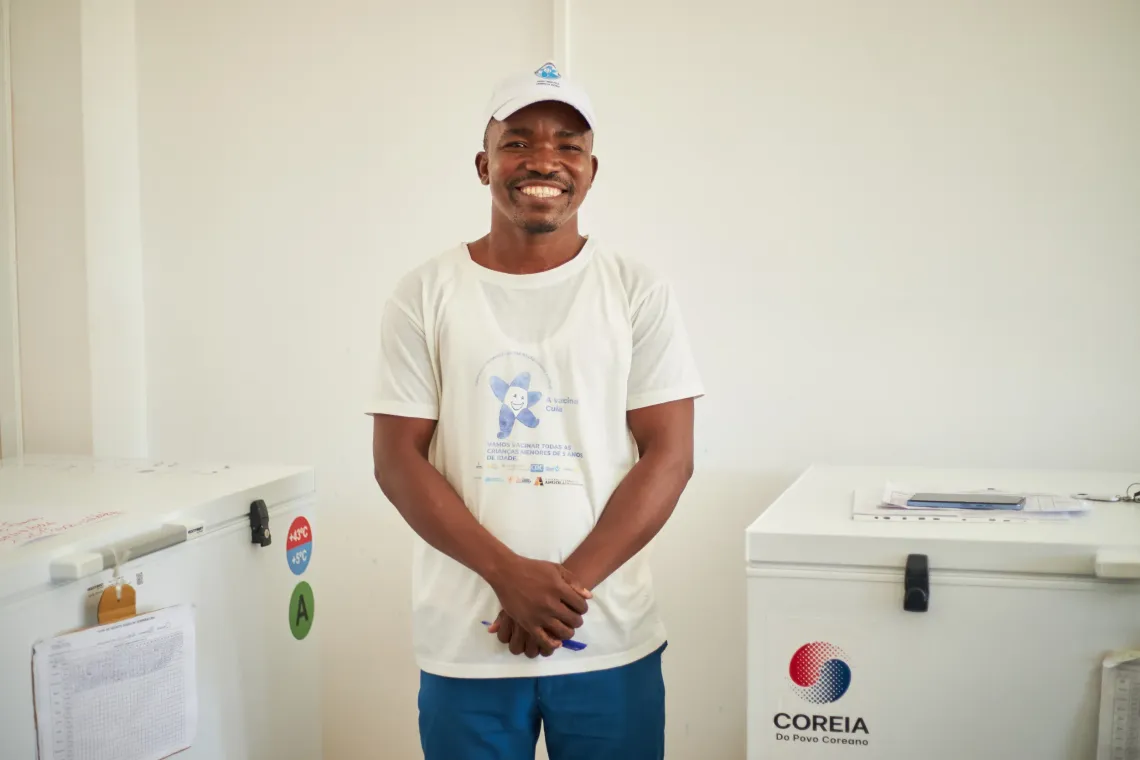
Every morning in Kilamba Municipality, on the outskirts of Luanda, Mafuta Manuel begins his work with a simple but critical check: the temperature of the vaccine refrigerators. For Manuel, a logistics officer with Angola’s Ministry of Health, this step can mean the difference between a vaccine that protects a child’s life and one that cannot be used.
Just two years into his role, Manuel is already a central player in ensuring that vaccines safely reach children, especially those who have never received a single routine dose.
“I am responsible for making sure vaccines are transported and stored at the right temperature, from the warehouse to the health facility,” he explains. “It sounds technical, but in the end, it is about children.”
Before recent investments in Angola’s immunization cold chain, Manuel faced daily challenges. Transporting vaccines over long distances, unreliable power supply, and limited monitoring tools meant that maintaining safe temperatures was often difficult. Breaks in the cold chain put vaccines and children at risk.
“With limited equipment, we could never be completely sure vaccines were maintained correctly, especially during outreach activities,” Manuel recalls.
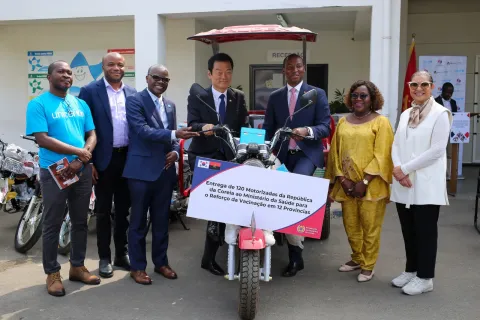
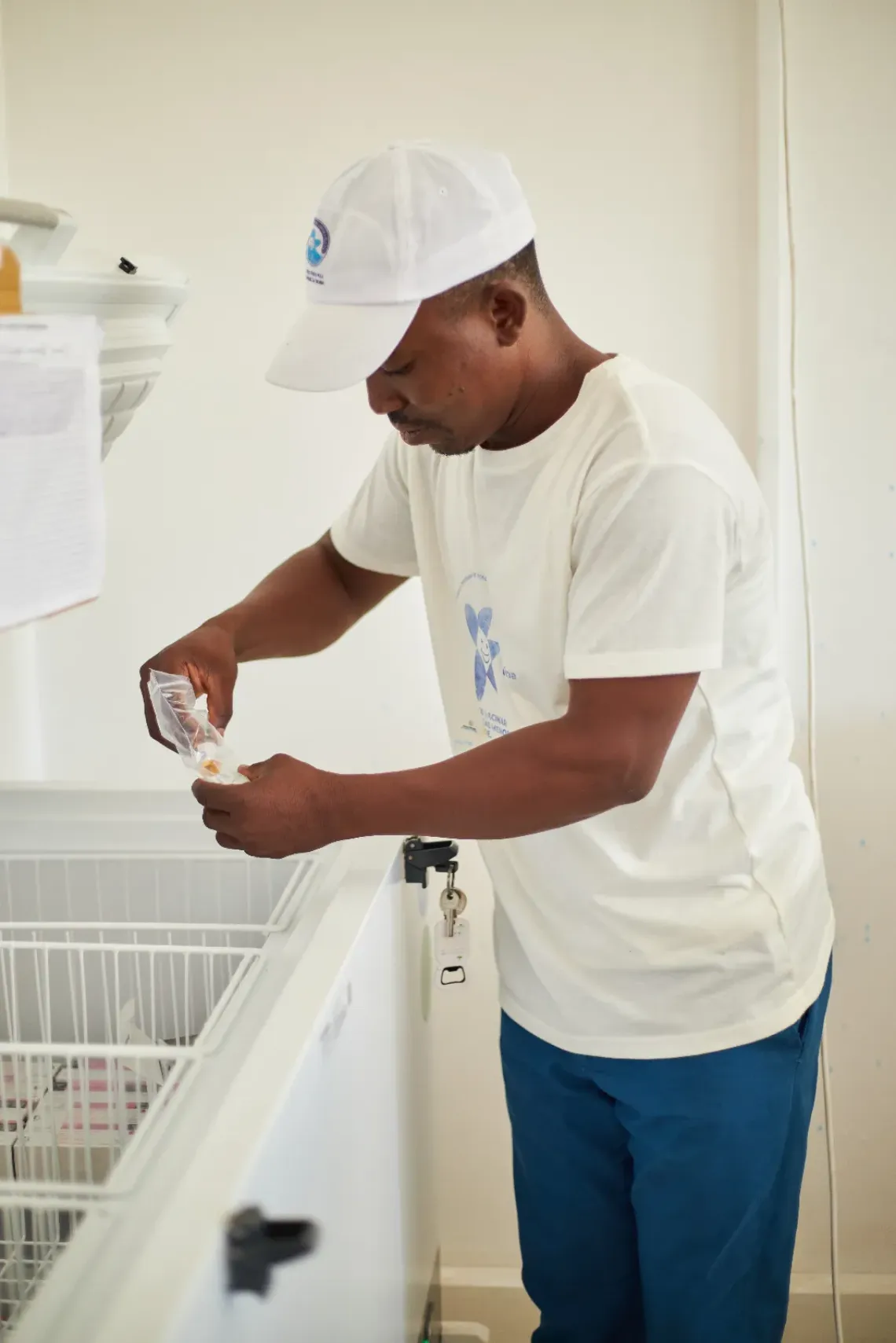
That reality has changed with support from UNICEF, made possible through generous funding from the Government of the Republic of Korea. Through this support, Angola has strengthened vaccine cold chain systems, including solar-powered refrigerators and transport equipment, ensuring vaccines remain potent even in hard-to-reach areas and during power outages.
Manuel also received technical training on cold chain management, provided by the Ministry of Health with UNICEF support. Today, he can remotely monitor vaccine storage temperatures in real time, allowing him to act immediately if there is any risk.
“This support has made our work more reliable and more consistent,” he says. “Now we have confidence that vaccines arriving at health facilities are safe and effective.”
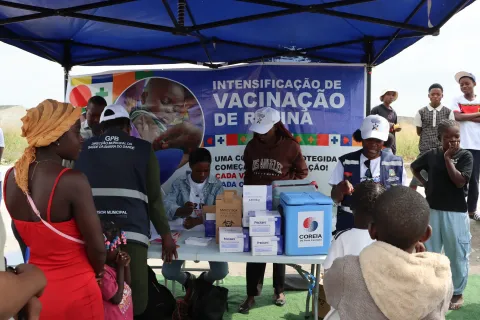
The impact of these investments is most visible during large-scale vaccination efforts. During Angola’s National Immunization Campaign from 26–28 March 2026, the country reached more than 9 million children under five in just three days.
For Manuel’s municipality, the improvement was clear.
“With the new equipment and updated data, our campaigns have been much more effective,” he explains. “Even remotely, I can control the cold chain and ensure vaccines are preserved.”
These gains are particularly critical for zero-dose children, those who have never received a routine vaccine. Before the COVID-19 pandemic, nearly one in three children under one year of age in Angola had missed at least one essential vaccine, leaving them exposed to preventable diseases.
Rather than accepting this reality, the Government of Angola has taken determined steps to close the gap.
With support from UNICEF, the World Health Organization (WHO), Gavi, the King Salman Humanitarian Aid & Relief Centre (KSrelief), and key bilateral partners such as the Republic of Korea, Angola has expanded immunization services, strengthened cold chain infrastructure, improved health data systems, and mobilized communities.
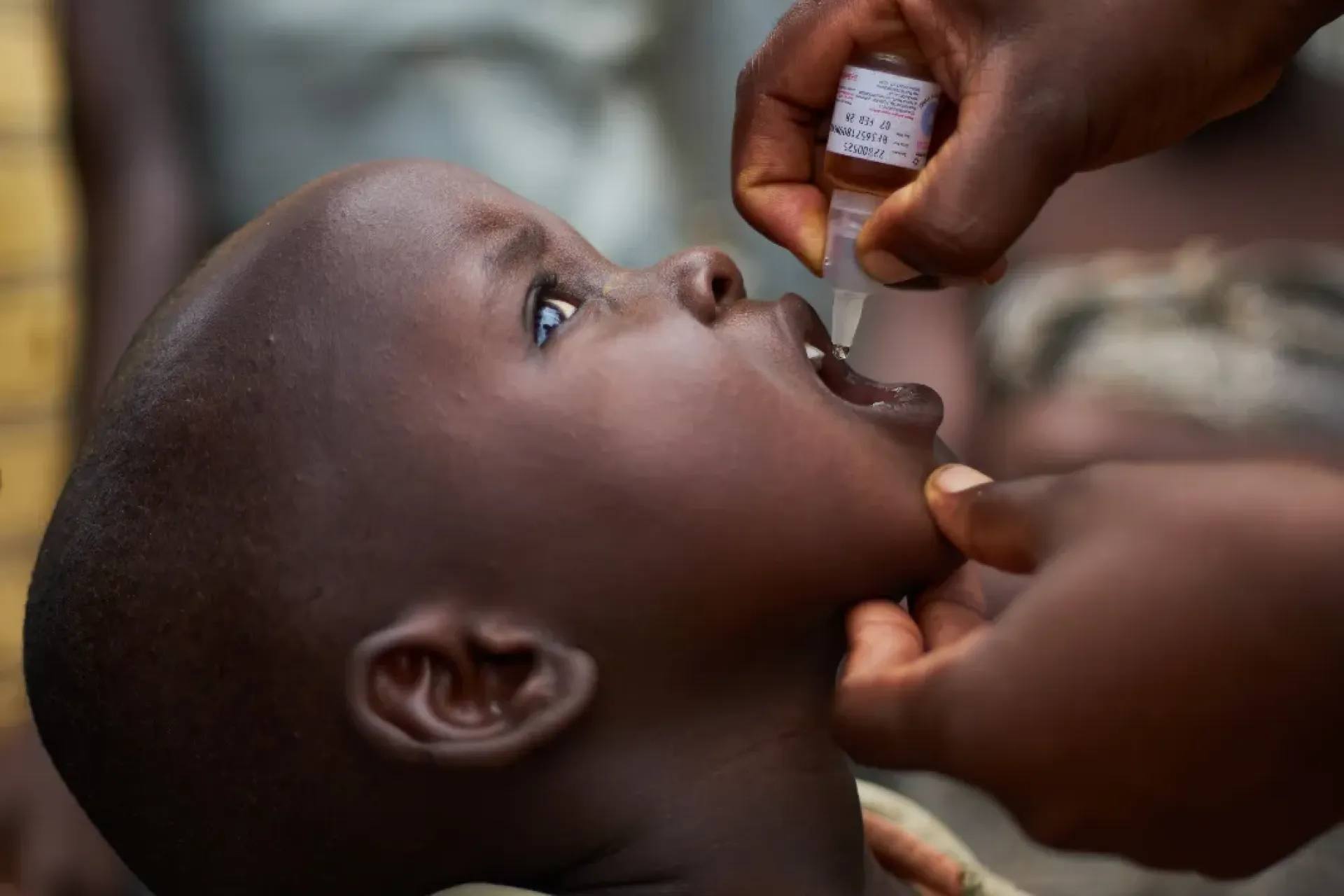
The results are encouraging. During the March 2026 polio vaccination campaign, many municipalities reported coverage levels approaching or exceeding 95 per cent, the threshold required to stop virus transmission. This achievement reflects not just equipment, but coordination, political commitment, community trust, and skilled frontline workers like Manuel.
“The system works better now,” he says. “Vaccines reach the last mile in good condition, and children are protected both during campaigns and through routine immunization.”
Angola’s experience demonstrates a broader truth: prevention is not a cost, but a return on investment. Vaccines remain among the most cost‑effective health interventions available. When combined with strong primary health care systems, reliable data, and community engagement, they build resilience against disease outbreaks as well as economic and climate shocks.
Sustaining these gains will require continued national financing, reliable data, and a deliberate focus on communities that remain underserved. Cold chain systems, often invisible to the public, will remain a cornerstone of this effort. For Manuel, being part of this transformation has been deeply meaningful.
“I am part of a young, dynamic team,” he says. “These two years have been very important for my professional growth. With the support from the Government of Korea, our work has become easier and more efficient and that means thousands of children in my municipality are protected from polio and other diseases.”
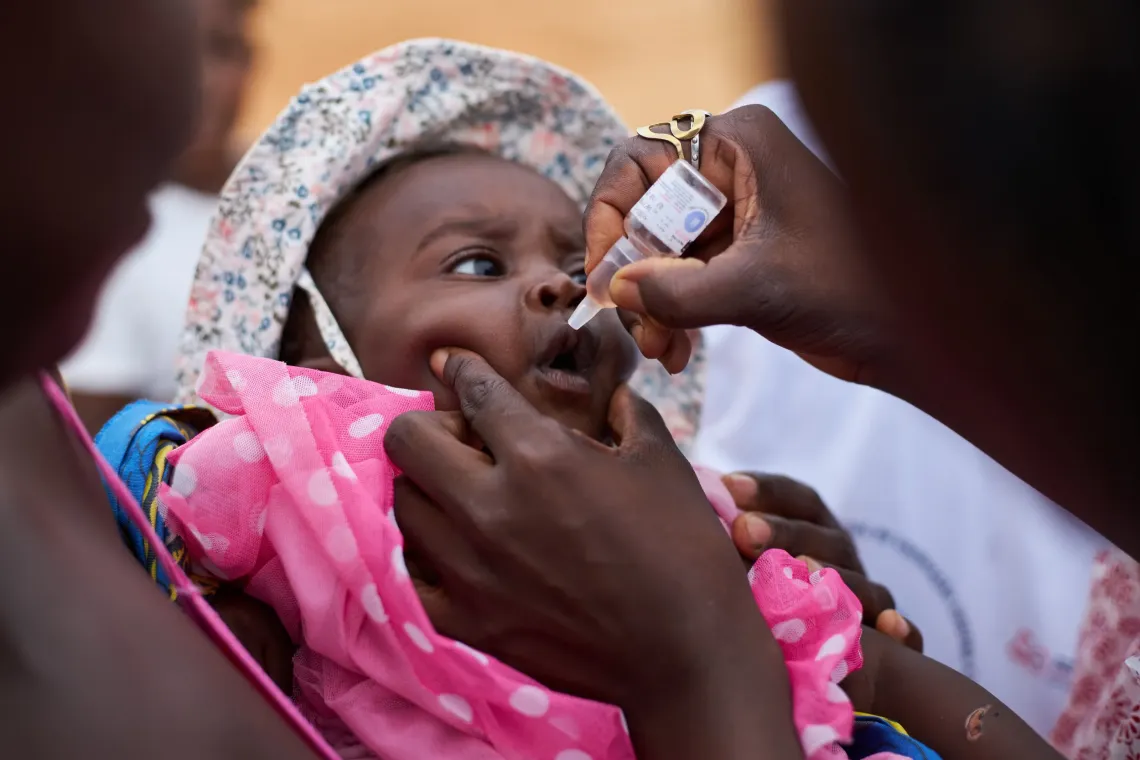
Through its partnership with UNICEF, the Republic of Korea’s investment is helping Angola ensure that vaccines reach every child safely, strengthening health systems today while protecting communities for generations to come.
From solar refrigerators to trained logisticians, from data systems to last‑mile delivery, this support is translating science into action, and for children in Kilamba and beyond, it means a healthier start to life and a safer future.