SMART Survey
Assessing the levels of malnutrition to save children's lives in Angola.

- Portuguese
- English
Malnutrition is one of the most prevalent health issues in children aged 6 to 59 months in Angola, with a particularly high incidence in the southern part of the country, due to the frequent periods of drought in the region.
The damage caused by malnutrition in children under the age of four can be irreversible, affecting their physical development and their ability to reason.
Concerned about the levels of malnutrition and its impact on children, the Ministry of Health has organized, with the help of partners such as UNICEF, periodic SMART surveys that aim to ascertain the nutritional situation of children in Angola.
The SMART survey is a nutrition assessment methodology specifically designed to provide policymakers with the ability to collect reliable and accurate data on nutrition and mortality, both in emergency settings and in development programmes.
This type of survey is very important, as it helps the Government to assess the depth of malnutrition levels in a given region and to guide the creation of policies for their reduction or elimination.
Laudmira Zoafua, UNICEF nutrition officer, referring to the most recent survey carried out in the south of the country, explains that "the Ministry of Health decided to train the first surveyors in Angola for the SMART survey, as part of the partnership between the Government and UNICEF".
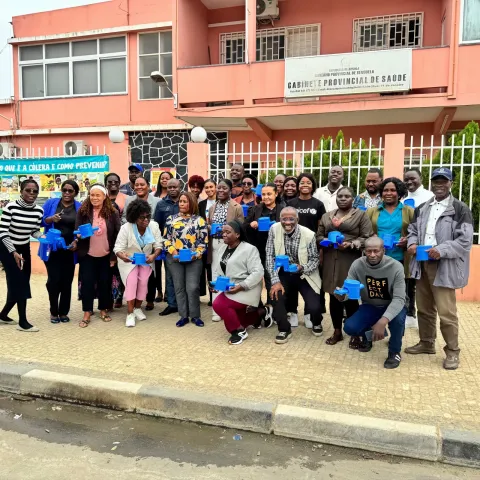
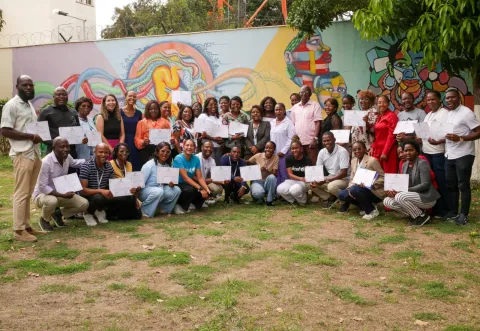
According to the expert, to carry out the survey in question, "technicians from three provinces, Namibe, Huíla and Cunene, were selected, who participated in a training process lasting one month".

Alzira Rodrigues, a health technician in the province of Huíla, one of the people who benefited from the training, shares her experience and stresses that, "despite the difficulties, it was an honor to participate in this training process, as it allowed us to achieve a goal".
During the application of the survey in the southern region of Angola, which lasted 10 days, the technicians had the opportunity to apply the knowledge acquired during the training, contributing to obtaining information on the levels of child malnutrition.
Alzira adds that, at this stage, they worked with children from 6 to 59 months from some selected areas and that the objective was to assess their nutritional status, measuring arm circumference, height and weight.

With this initiative, funded by the United States Government and the European Union through UNICEF, the Government of Angola will be able to count on national SMART managers to carry out future surveys and determine the prevalence of child malnutrition, as well as assess the current food security situation of families.
This measure, in addition to contributing to the training of national SMART surveyors and managers, could improve the Government's response capacity on malnutrition and save the lives of many children in Angola affected by this disease.