Investing in nutrition is investing in the future of Angola.
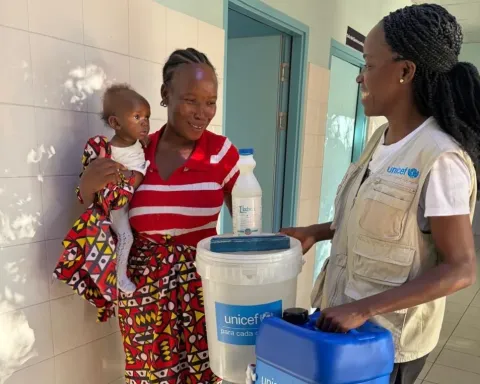
Empowering caregivers with practical knowledge about infant feeding.
- Portuguese
- English
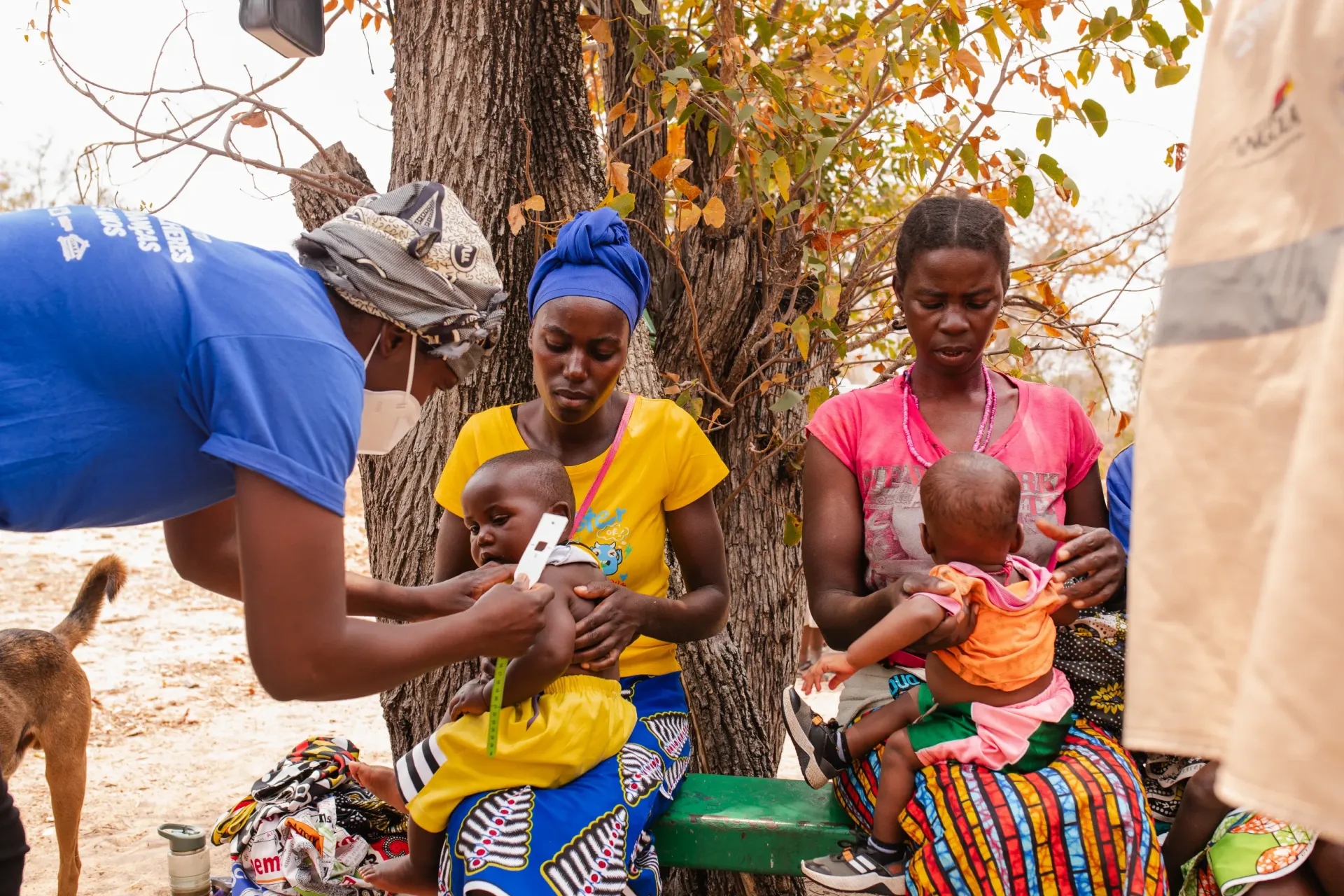
In Baía Farta, Benguela Province, Ana gently holds her child as a community health worker measures the small arm with a simple colour‑coded tape. The result is clear: her daughter needs urgent nutritional support. Thanks to strengthened nutrition services, help is immediate.
Across Benguela, severe drought linked to El Niño has pushed thousands of families to the brink, threatening children’s health and survival. With support from the Government of Japan, UNICEF worked alongside Angola’s Ministry of Health to deliver a life‑saving emergency nutrition response reaching children and caregivers when they needed it most.
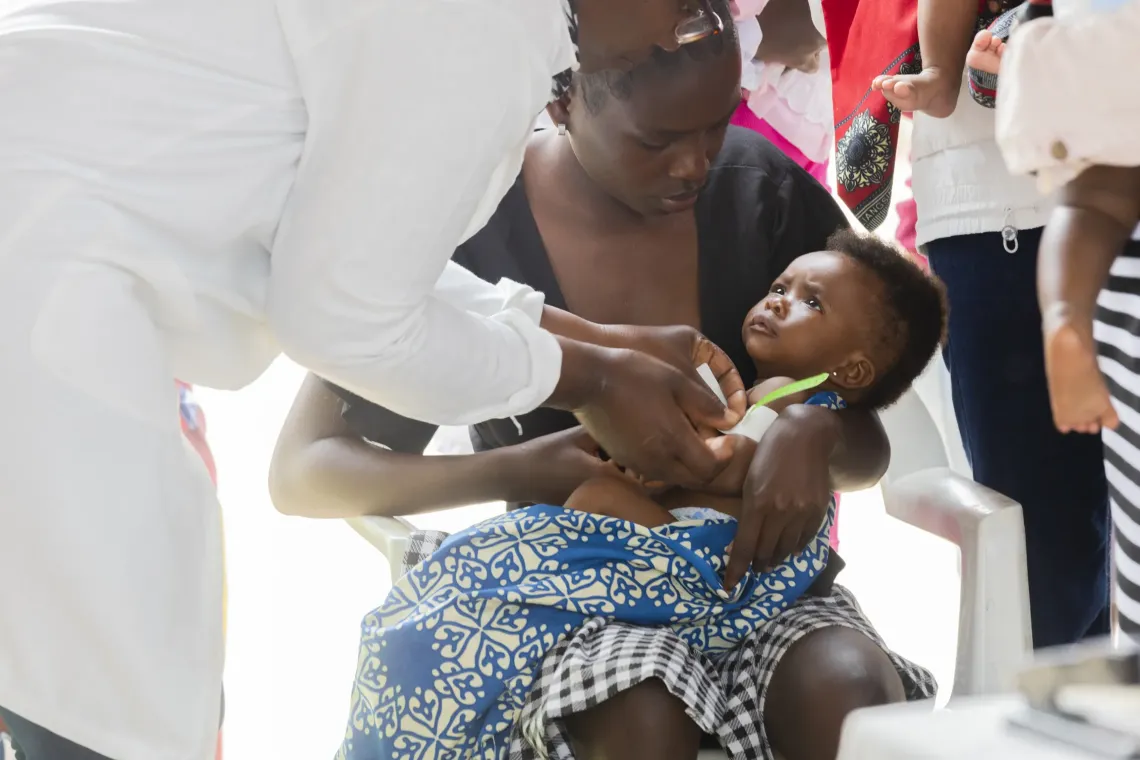
Through this support, more than 53,000 children under five were screened for malnutrition, and 7,497 children with severe acute malnutrition received timely treatment using Ready‑to‑Use Therapeutic Food and therapeutic milk. Supplies were prepositioned across health facilities, ensuring uninterrupted care even in hard‑to‑reach municipalities.

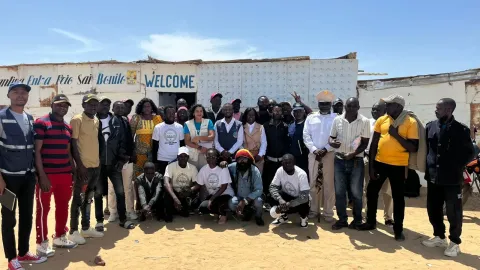
But the impact went beyond supplies. Community health workers, mother‑to‑mother and father‑to‑father support groups, became trusted sources of knowledge, empowering caregivers with practical guidance on feeding, hygiene, and early identification of malnutrition. These community platforms helped reduce treatment drop‑outs and strengthen dignity and confidence at the household level.
At the same time, investment in system strengthening ensured sustainability. Health workers and logistics staff were trained in nutrition management and supply chain monitoring, reinforcing local capacity and improving last‑mile delivery. Government leadership and coordination were central to these efforts.
For mothers like Ana, the changes are tangible. “Now we know what to look for and where to go,” she says. “My child was treated early.”
By translating timely funding into concrete action, the Government and people of Japan helped protect children’s right to survive, grow, and thrive demonstrating that investing in nutrition is investing in Angola’s future.