UNICEF supports strengthening national capacities to improve the response to child malnutrition.
Investing in child nutrition is investing in Angola's potential.

- Portuguese
- English
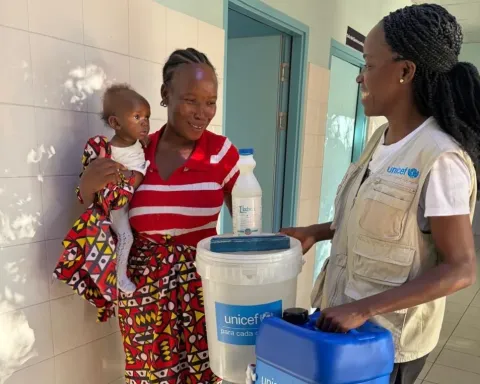
Acute malnutrition remains one of the main threats to the survival and development of children in Angola. To respond to this challenge, the Ministry of Health, with the support of UNICEF and partners, has been strengthening the capacities of health professionals and updating national protocols according to the latest international evidence.
In 2023, the World Health Organization published new guidelines for the prevention and management of malnutrition in children under five, promoting a more integrated approach that reinforces prevention, care in the first 1,000 days of life, breastfeeding support, and strengthening community health services. In line with these recommendations, Angola started, in 2024, the revision of the National Protocol for the Integrated Management of Acute Malnutrition (GIDA), involving national experts and technical partners in adapting the new guidelines to the country's context.
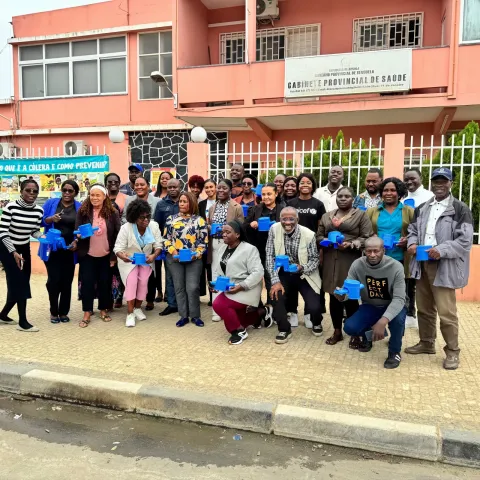
An important milestone in this process was the holding of the GIDA National Training of Trainers, in April 2026, in Luanda. The initiative brought together professionals from the 21 provinces and trained 35 health technicians, of which 17 were certified as new national trainers. With this reinforcement, the country now has 28 GIDA National Trainers and nine National Experts, strengthening the technical capacity to implement the new guidelines and expand training throughout the national territory.

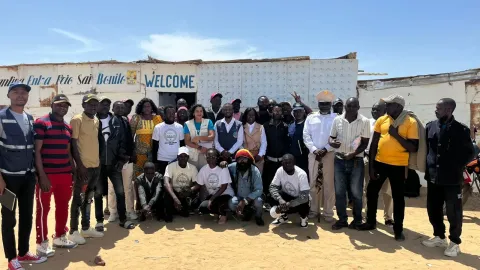
Since then, the cascade training strategy has brought up-to-date knowledge to frontline health professionals. More than 540 doctors, nurses, nutritionists and health technicians have already benefited from these trainings in the provinces of Huíla, Namibe, Cunene, Benguela, Luanda and Bié.
Experience has also shown the importance of investing in local skills. In Huíla, for example, the training was organized in a decentralized way, bringing learning closer to the participants' workplaces and contributing to a more efficient use of available resources. This approach strengthens the capacity of health services while valuing the existing human capital in the provinces.
Since April 2026, UNICEF has supported the training of 541 health workers, including 272 women and 269 men. This effort was made possible thanks to funding from the Humanitarian Aid Operations of the European Union and the Government of the United States of America, key partners in the fight against child malnutrition in Angola.
Among the trained professionals is Adilson Pedro, nurse and Provincial Supervisor of Nutrition of Huíla, who participated in the National Training of GIDA Trainers.
"The training allowed me to update my knowledge on the prevention, early detection and treatment of acute malnutrition. Today I feel more prepared to support health teams and contribute to more children receiving timely and quality care", he says.
The progress made reflects the joint commitment of the Ministry of Health, provincial governments, development partners, and health workers who work daily to ensure better services for children and their families.
By investing in training and strengthening national capacities, Angola is building a more sustainable response to child malnutrition. Each trained professional represents an opportunity to identify children at risk early, improve the quality of care and support families to adopt practices that contribute to healthy growth. Because each child recovered from malnutrition represents a new opportunity for survival, development and future. Investing in child nutrition is investing in Angola's potential.