

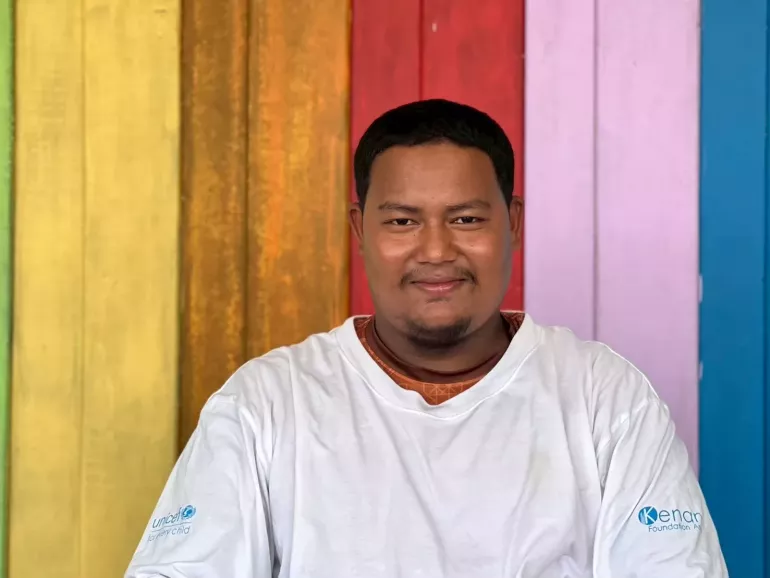
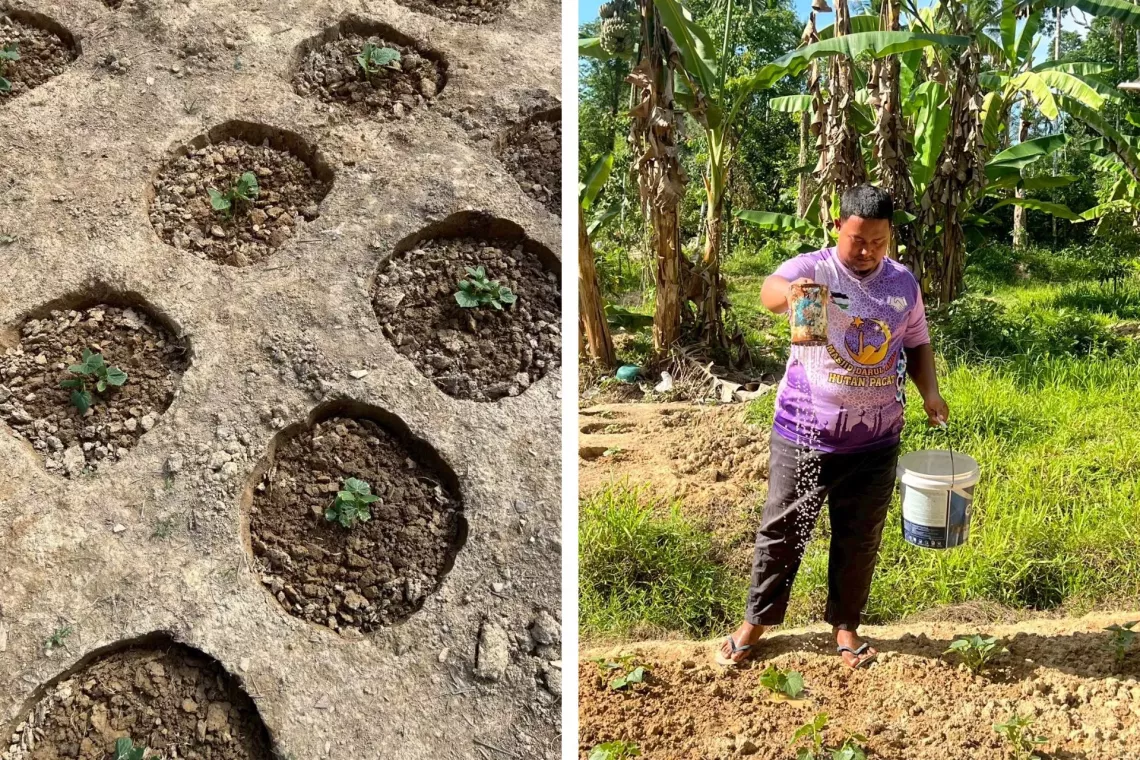
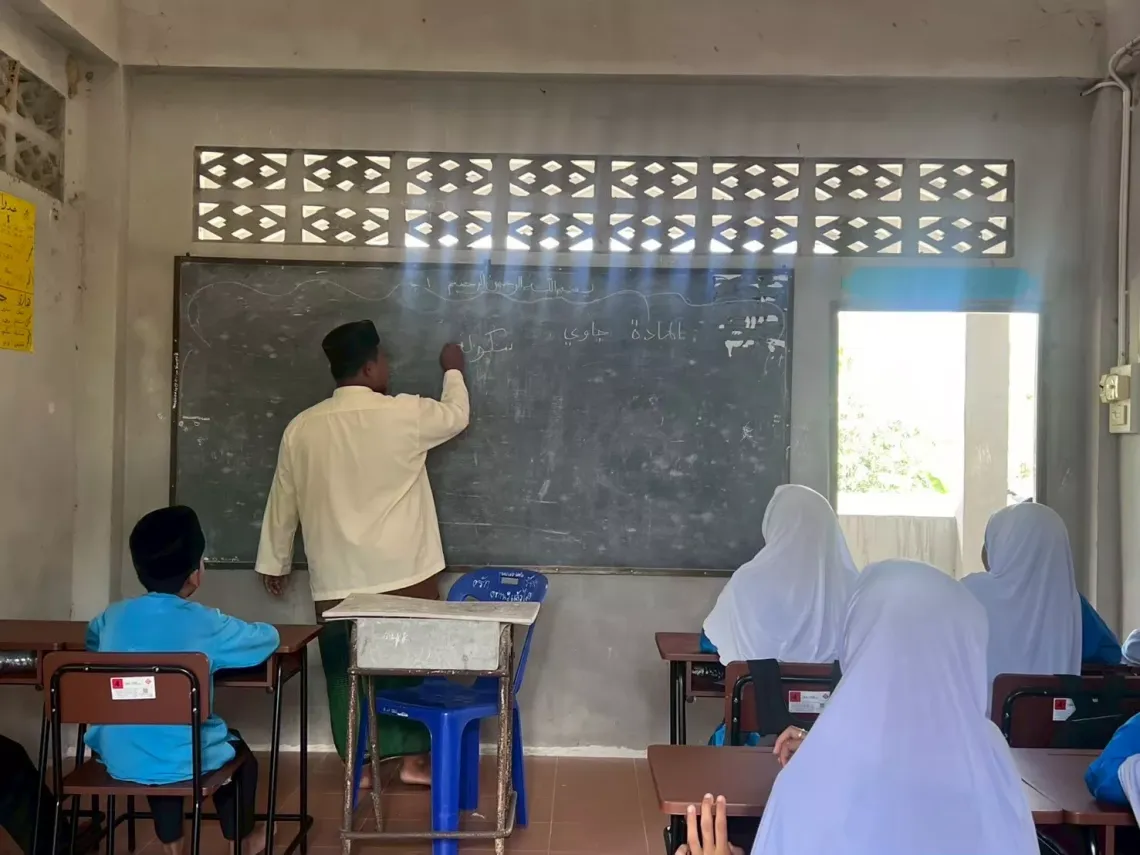
In rural Pattani Province on Thailand’s southern border, 23-year-old Muhammad Fitree Mamah - known by friends as Fitree - leads a quiet life in a small village. He supports his family’s agricultural work by tending vegetables and tapping rubber trees, while spending his weekends teaching children basic religious and moral education at his local Tadika, an Islamic learning centre. However, though Fitree enjoys his quiet life in rural Thailand, it creates its own challenges for him and other young people.
People growing up in remote regions often experience multiple inequalities, particularly in education and health. Findings from 2022’s Multiple Indicator Cluster Survey, conducted by the National Statistics Office and UNICEF, revealed that young people in the southern border provinces are the least likely in Thailand to attend upper-secondary school: 20 per cent of students have dropped out at this stage, compared to a national average of 15 per cent. This goes alongside fewer opportunities for young people to learn about physical and mental health, nutrition, and essential life skills.
In the southernmost provinces, the number of children under five who exhibit signs of stunting from lack of nutrition is 20 per cent, compared to a national average of 13 per cent. At the other end of the spectrum, 8 per cent of children in the southern border provinces are overweight. Mental health challenges are also rising in Pattani, as across the whole of Thailand: suicide is the third leading cause of death among adolescents in Thailand and, according to the 2021 Global School-based Student Health Survey, 17.6 per cent of adolescents aged 13–17 had recently seriously considered suicide.
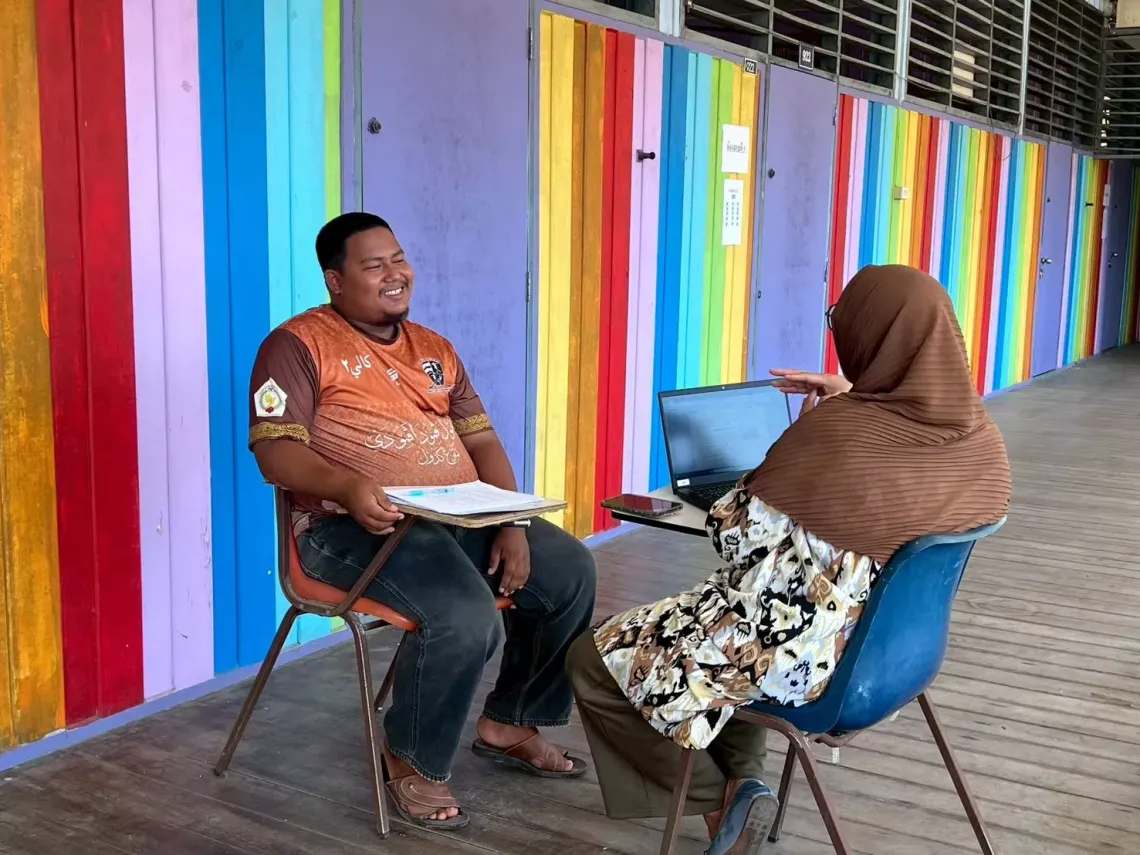
Fitree explains that he wasn’t previously taught about nutrition or the importance of good mental health at school or in his community. In his village the latter was a little-discussed subject: “I never realized that people around me might be silently struggling with stress or depression,” he says. “No-one in our village talks about these things.”
With support from UNICEF Thailand and Kenan Foundation Asia, a project called Promotion of Adolescent Healthy Lifestyles was launched in 2024 to address these inequalities, working closely with youth in vulnerable communities. More than 700 young people have attended training focused on mental health, nutrition and physical health delivered through Six District Learning Encouragement Centers (DLECs) in the southern border provinces of Pattani, Yala, and Narathiwat. 85 per cent of participants reported an increased understanding of physical health, mental well-being, nutrition, and life skills, and a further 70 per cent reported that they could apply this knowledge in their daily lives.
“Children and youth in remote provinces like Pattani experience sharp inequalities, yet they continue to show resilience and strength,” says Ilaria Favero, UNICEF Thailand’s Chief of Adolescent Development. “Our goal is to support these young people by building on their existing skills and leadership potential. We want to equip them with practical tools to take charge of their own health and become champions who can inspire and inform others in their communities. These are young people who are often hard to reach, which is why working with trusted local partners like the Kenan Foundation is so important. Together, we can amplify their voices and support them to thrive.”
To amplify the impact of the project, 60 Youth Health Champions were chosen who could most effectively share their knowledge and create change in their communities. Fitree was nominated by his teachers to become one of the Champions, as he was already active in community and school-based activities, and enthusiastic about helping other young people.
The first major activity Fitree joined was a Healthy Youth Leadership Camp, a three-day training program led by Kenan Foundation. This camp equipped Fitree and his peers with core knowledge and essential skills in health literacy, leadership, communication, and teamwork. It helped Fitree build self-confidence, unleash his creativity, and discover his potential as a youth leader.
Fitree is now playing an active role in promoting nutritional awareness among youth through a “Good Nutrition for the Community” Club in his district and at Darul Mustafa Pondok School, a traditional boarding school. He’s directly supported the learning of 126 youth participants between ages 15 and 24, most of whom come from low-income, rural communities with limited access to reliable information about healthy eating. By focusing on nutrition, Fitree’s objective is to equip young people with the knowledge and habits necessary to make better food choices and improve overall well-being.
He plans to support this improved health drive by reviving the traditional martial art of Pencak Silat in his village. He intends to focus on children at the Tadika where he teaches, hoping to promote self-expression and improved self-esteem. The ultimate goal is to improve the physical and mental health of all the children in his community. “I want the kids in my village to know that our roots and traditions can be a meaningful part of our everyday lives,” Fitree says.
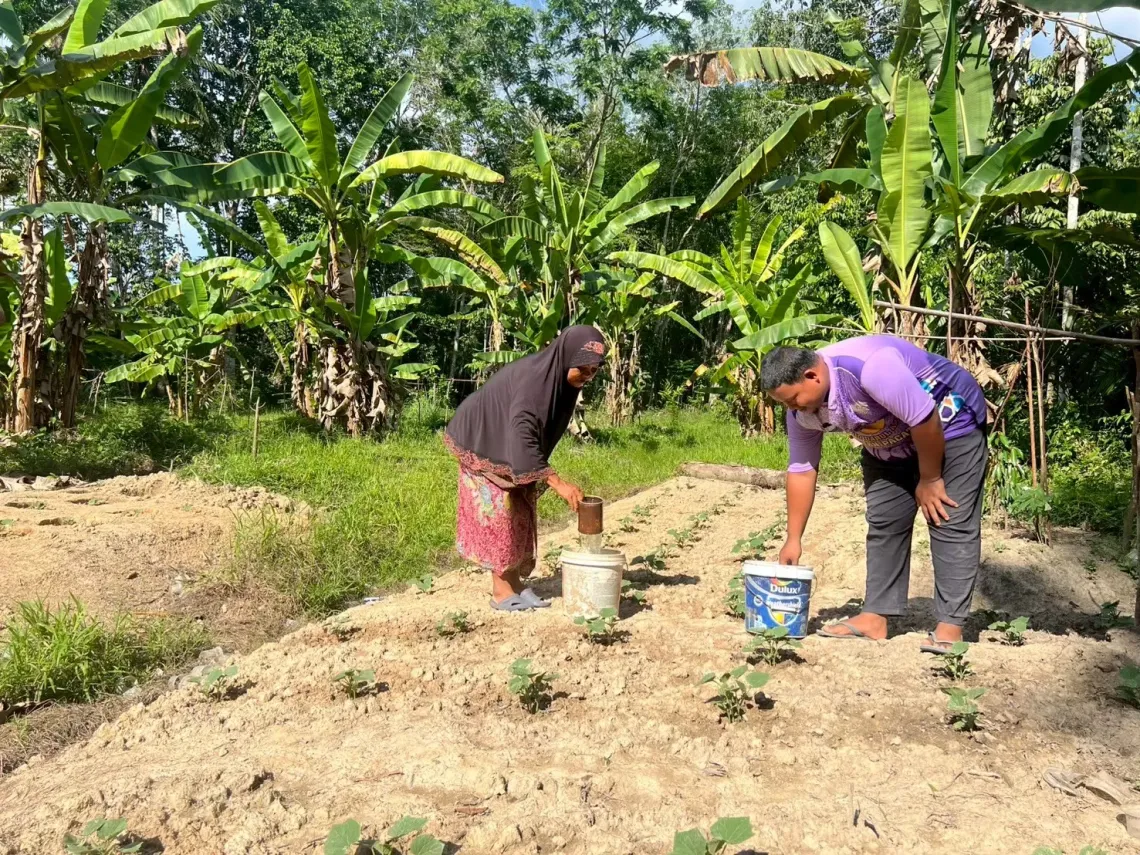
On a personal level, Fitree has begun to lead by example by taking better care of his physical well-being and choosing more nutritious foods and exercising regularly. “I used to eat at irregular hours and never cared about whether my food was healthy or not,” Fitree admits. “But once I learned that good nutrition helps the body stay strong and improves brain function, I changed my habits. I started exercising properly and began choosing more vegetables and boiled dishes instead of fried food.”
Project supported Fitree’s personal progress, both as an individual and a force for positive change in the community he loves. As he promotes health in his village, he has noticed a gradual shift in the village dynamics. There is more open conversation, greater youth engagement in group activities, and a growing awareness of health among children and adolescents. Even subtle changes lay the foundation for sustainable progress and more to come.
NOTE: this case study was drafted by Kenan Foundation Asia, with further development by UNICEF Thailand.


