When seconds last a lifetime
Across Syria, hidden explosive hazards pose immediate and long-term threats to children’s futures.
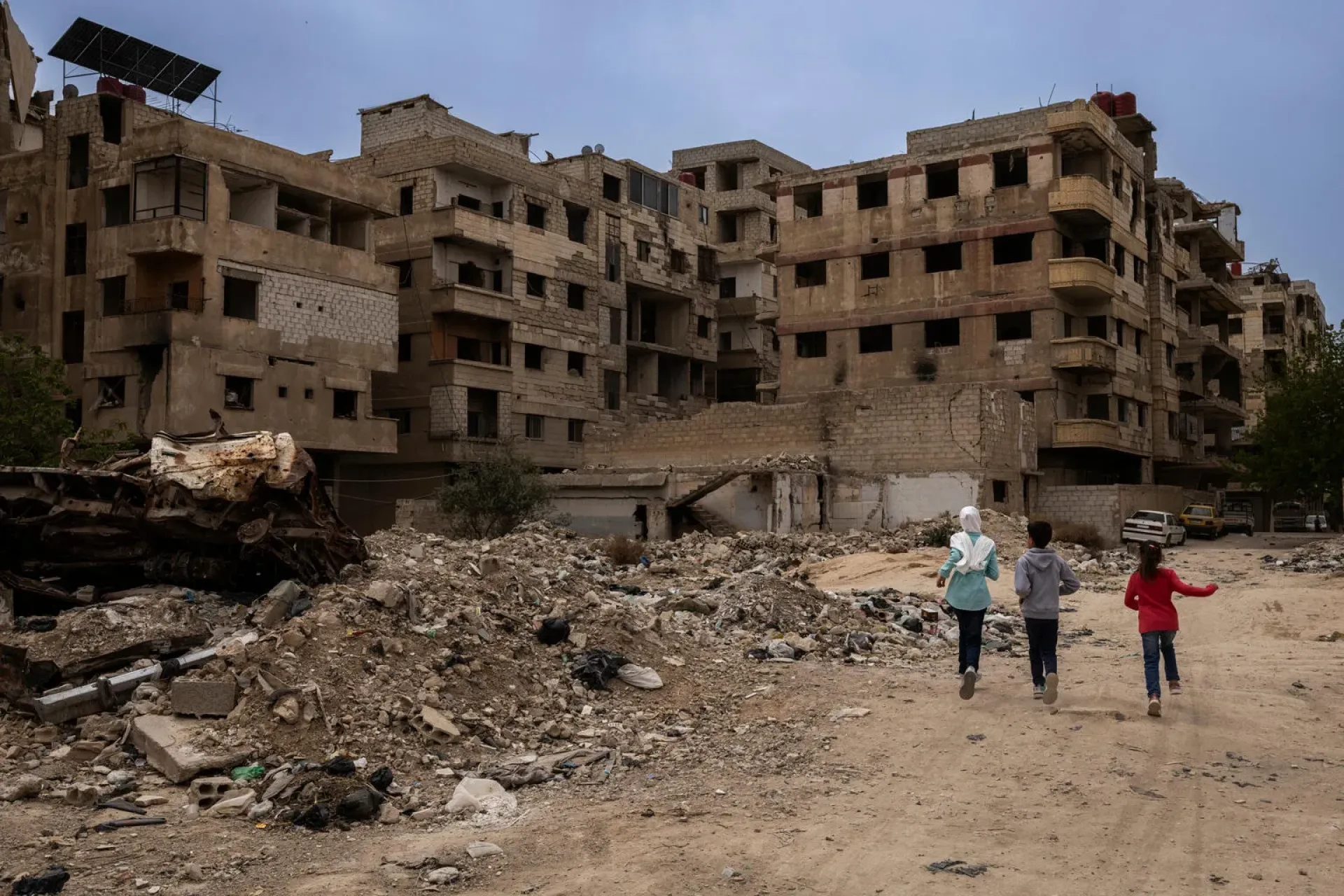
Even for children who survive a blast, the cascading effects of explosive remnants of war can be felt in every aspect of their lives. Physically. Mentally. Emotionally.
While active hostilities in Syria have subsided, hundreds of thousands of hidden hazards – bombs and artillery shells that failed to detonate on impact, or landmines buried just beneath the surface – continue to threaten the lives and well-being of millions of children.


UNICEF/UNI789936/Ibarra Sánchez/MeMo
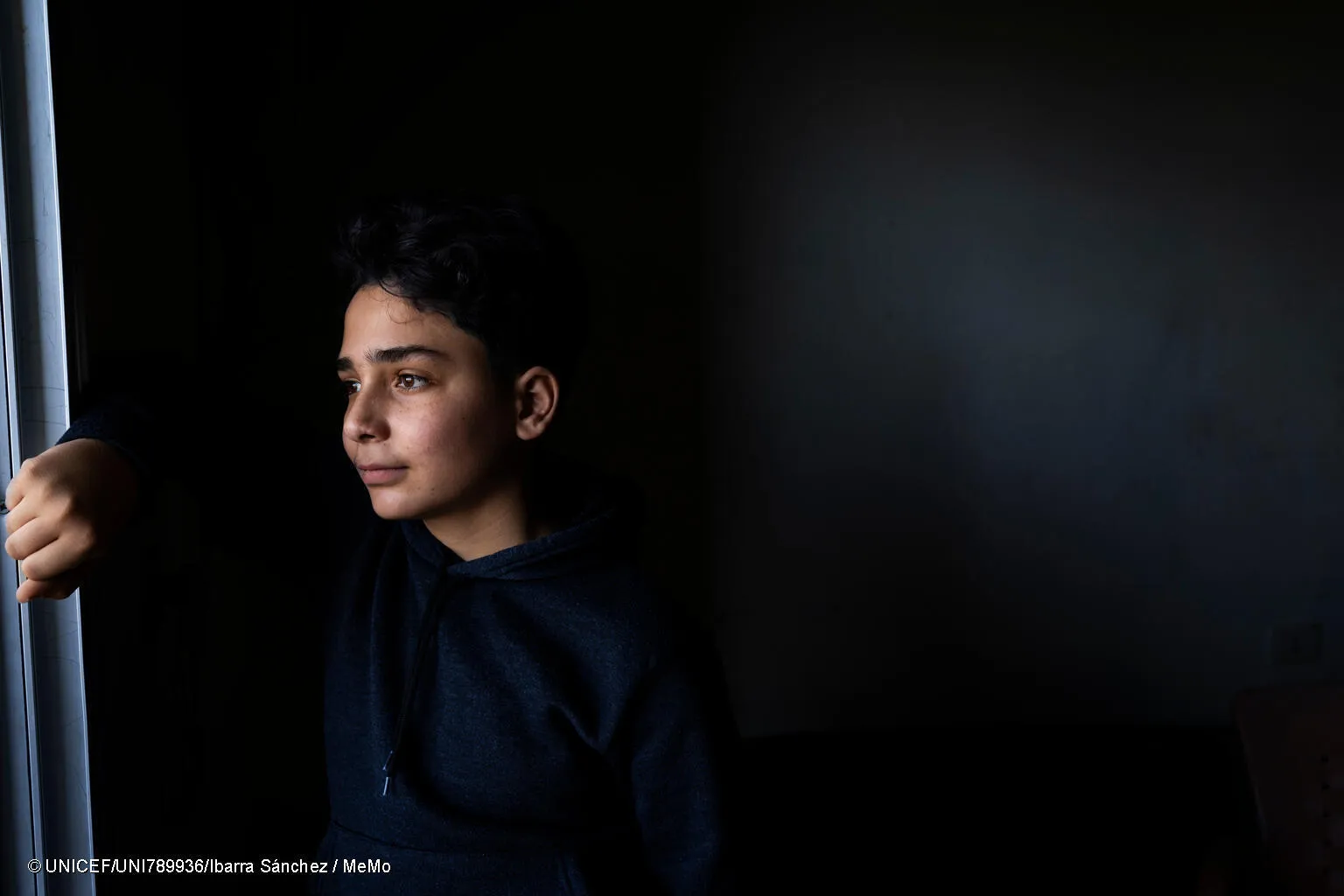
Children including Zain, 13, who was severely injured by unexploded ordnance after picking up an object on his way to play football.
He lost three fingers in the explosion and suffered a serious eye injury. Although the shrapnel was removed, physical and emotional scars remain.
“I tell all my friends to never touch anything suspicious,” he says.
Zain is back in school and hopes to become a doctor so he can help other people who have been injured.


UNICEF/UNI790005/IbarraSánchez /MeMo
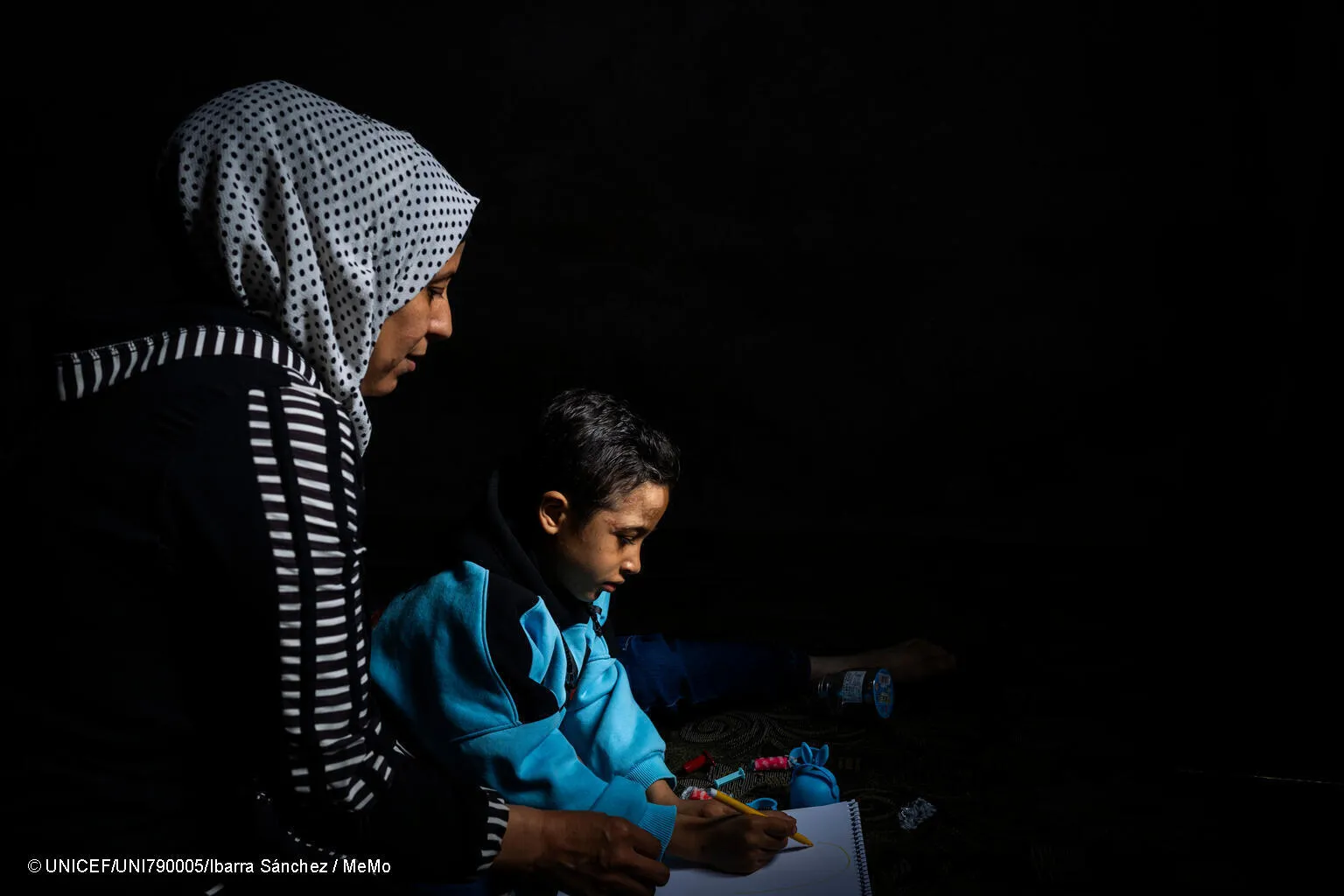
Ahmad, 8, was severely injured when a shell that he and his friends had found exploded. Shrapnel pierced one of his lungs and he suffered a fractured skull, among other injuries. With three other children to care for, his family is struggling to support his recovery.
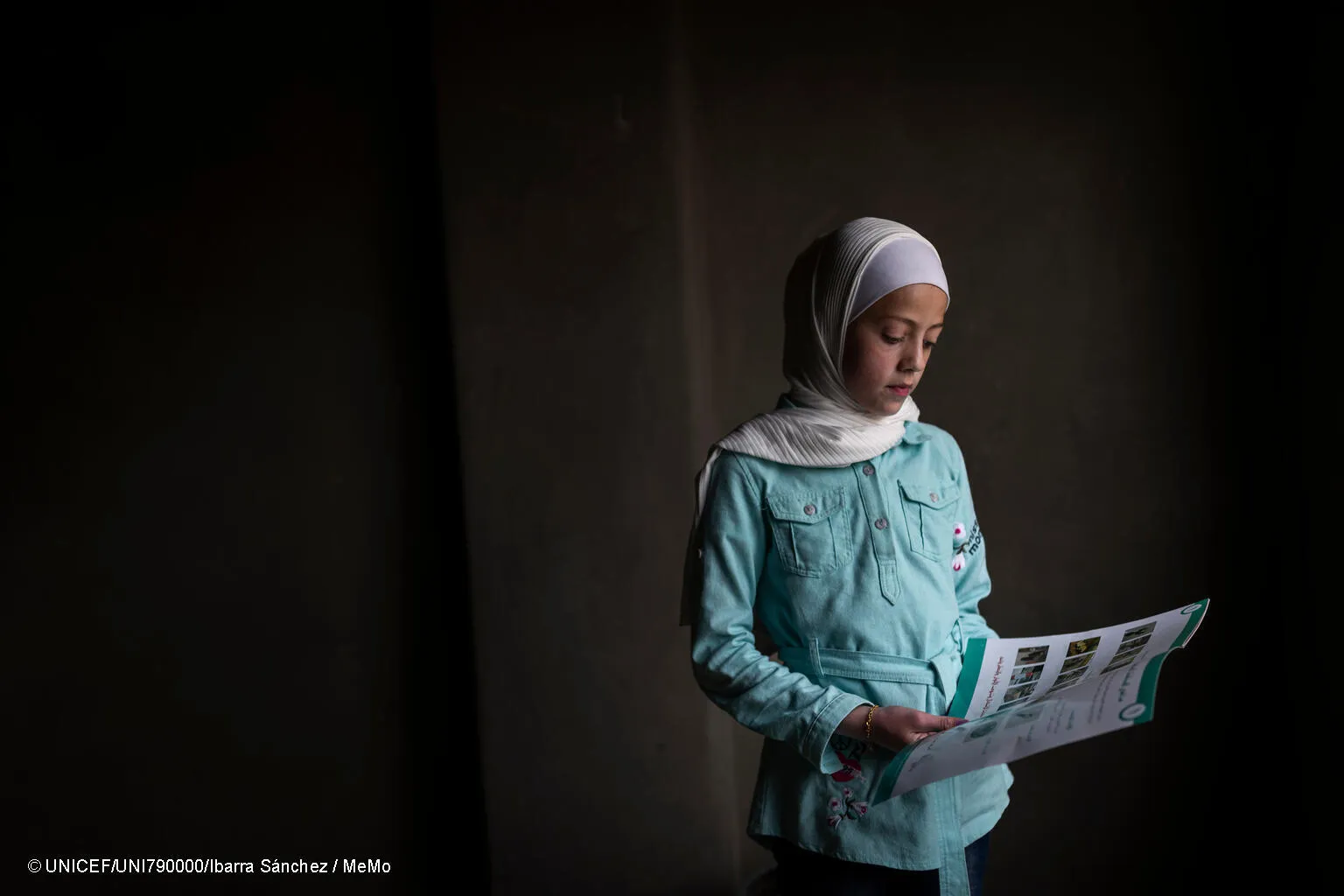
Basima, 11, lost her father when she was just two years old and she now lives with her mother and uncle. She attended an awareness session about unexploded ordnance and has already had a chance to apply what she learned.
Basima says that her younger brother brought home some bullet casings he found.


UNICEF/UNI790000/Ibarra Sánchez/MeMo
“He thought they were safe,” she says. “But I showed him the brochures from the session.” Kassem listened to his sister and the family made sure that they disposed of the casings safely.
When explosive weapons are used in populated areas – where houses, schools, and hospitals are concentrated – around 95 per cent of the casualties are typically civilians.
The scale of the explosive ordnance contamination in Syria is a direct result of how modern conflicts are fought. When explosive weapons are used in populated areas – where houses, schools, and hospitals are concentrated – around 95 per cent of the casualties are typically civilians. Such weapons cause complex, life-altering injuries. But when a child is injured by an explosion, the immediate physical trauma is only the beginning. The ripple effect touches every part of their existence:
- Healthcare systems shattered: For children injured by explosive remnants, access to emergency surgery is uncertain and rehabilitation – a critical and urgent gap in many places recovering from conflict – can be largely out of reach.
- Psychological toll: The fear and isolation following a blast can be as debilitating as the physical wound itself. In Syria, one in three households report children showing signs of psychological distress.
- Futures interrupted: A child who cannot walk to class or whose school has no wheelchair access faces the risk of permanent exclusion. The longer they stay out of school, the higher their exposure to child labour and exploitation. In Syria, more than 2.45 million children are already out of school.
- Economic crises: A single injury can push an already fragile household into destitution as they absorb the cost of long-term care and the loss of working hours.

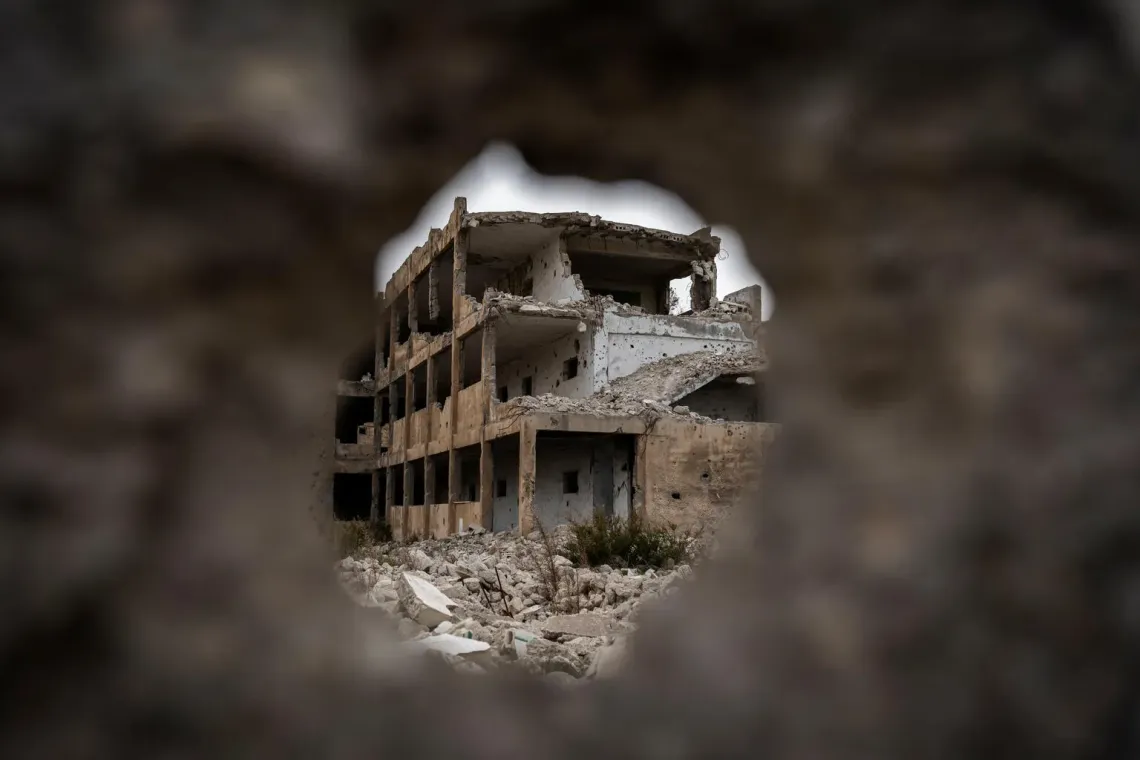

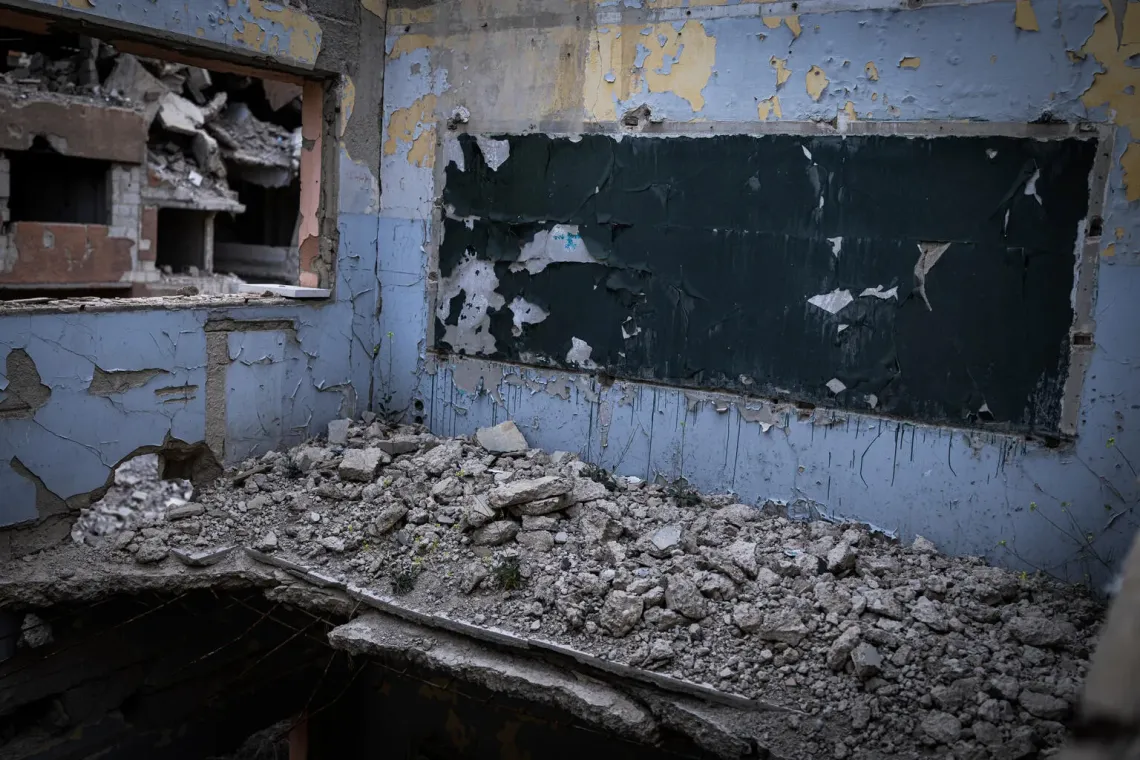

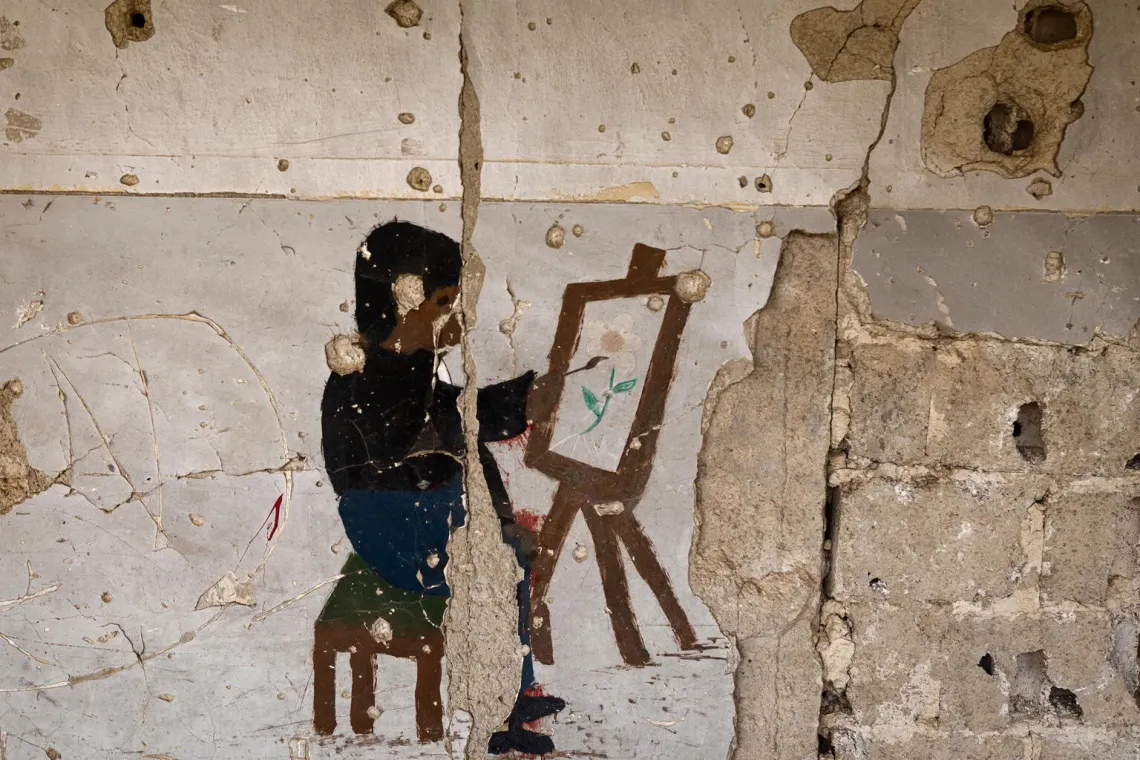
The risk to children posed by unexploded ordnance in Syria is increasing as families return to their communities. More than 3 million displaced people have returned to areas heavily affected by conflict, often without clear information on contamination. Children are particularly vulnerable as they resume daily activities and play in unfamiliar or damaged environments.
Communities rebuilding
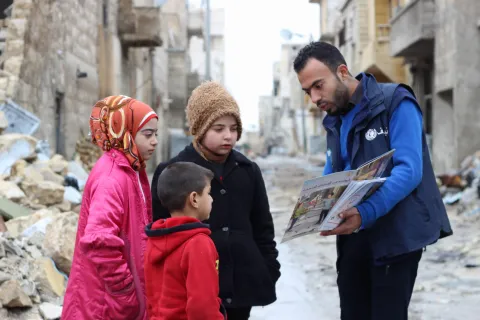
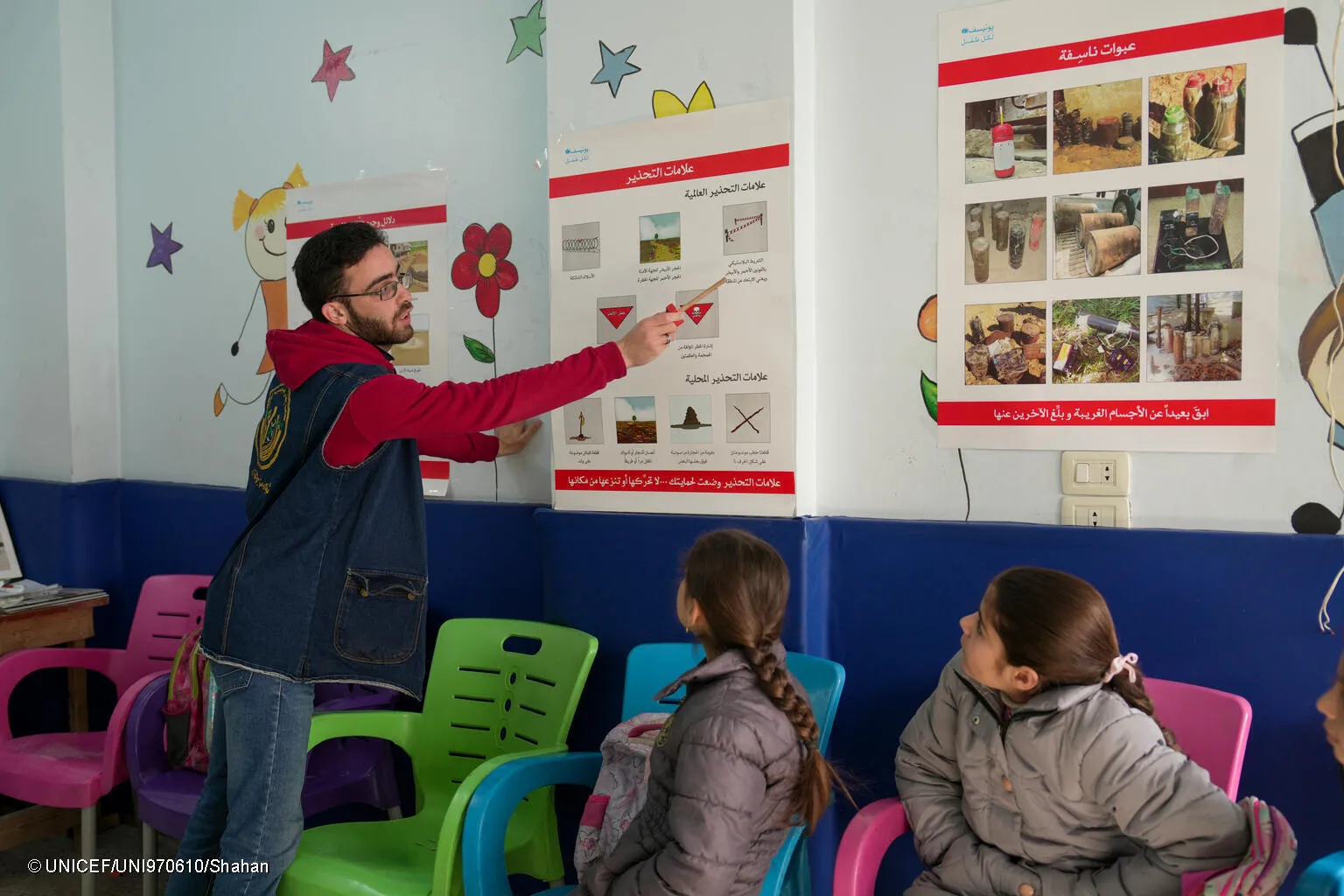
The response to the hidden explosives crisis is increasingly centered around the communities themselves. In the city of At Tall, Rural Damascus, local workers are at the forefront of life-saving efforts to equip children with the knowledge they need to stay safe.


UNICEF/UNI970610/Shahan
In UNICEF-supported child-friendly spaces, workers such as Ahmed use interactive discussions and posters to help children identify dangerous objects. “We use illustrative posters during the sessions to help children better understand the dangers,” Ahmed says.
The sessions aren’t just about delivering information; they are designed to turn children into active participants in their community’s safety. The sessions are also just a starting point for spreading information about the risks of unexploded ordnance.
“The posters were also displayed in public areas across the city, helping raise awareness among the wider community,” Ahmed adds.
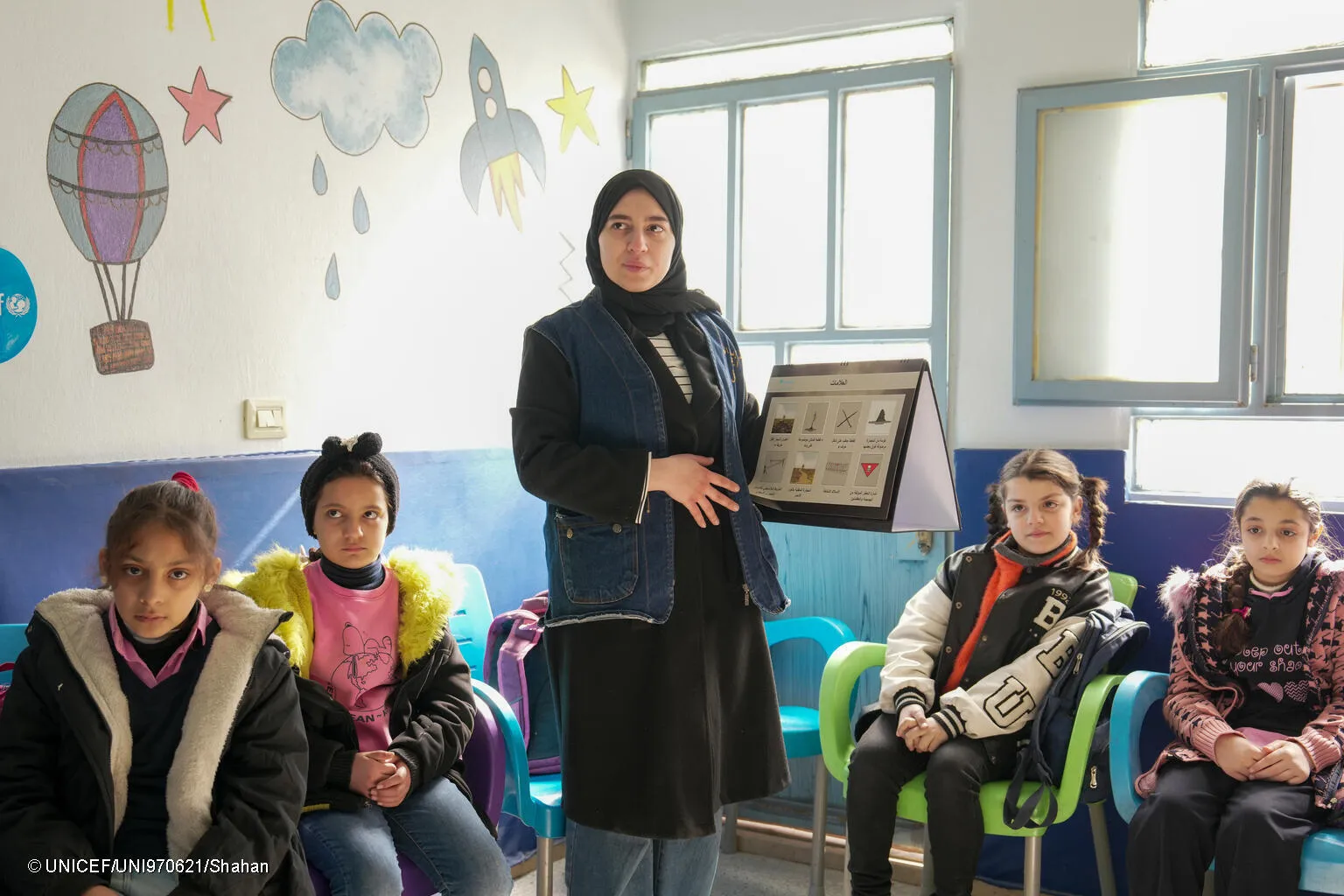
Anwar, who leads UNICEF-supported explosive ordnance risk education sessions in At Tall, says the work is deeply personal. “I received training on explosive remnants of war before starting my work,” she explains.


UNICEF/UNI970621/Shahan
“From that moment, I felt a strong responsibility for the children in my community and understood that it’s my role to help keep them safe.”
Ultimately, peace cannot take root where the ground itself remains unsafe. This requires sustained commitment and coordinated efforts to prioritize the protection of civilians from explosive hazards UNICEF calls on the Syrian Government, the international community, and donors to act now. This includes:
- Scaling up explosive ordnance risk education for every child and community. This must be fully integrated or institutionalized in schools, displacement sites, community centres, and early recovery programming, and should also reach parents, teachers, and community leaders.
- Ensure comprehensive, long-term support for survivors. Children and adults injured by ordnance need emergency medical care but also rehabilitation, psychosocial support, and economic reintegration.
- Make safe movement a right. As hundreds of thousands of Syrians begin the journey home, they must not walk into invisible danger. Safe passage and the clearance of key routes, bridges, schools, and water infrastructure must be prioritized as a condition for safe, dignified, and voluntary return.
- Accelerate clearance and sustained funding. Clearance must be urgently scaled up, with sustained funding to remove hazards from homes, schools and communities, and restore safe access to services and livelihoods.