What children stand to lose when humanitarian funding falls short
Conflicts are intensifying and resources are dwindling. But sustained investment can close the gap.
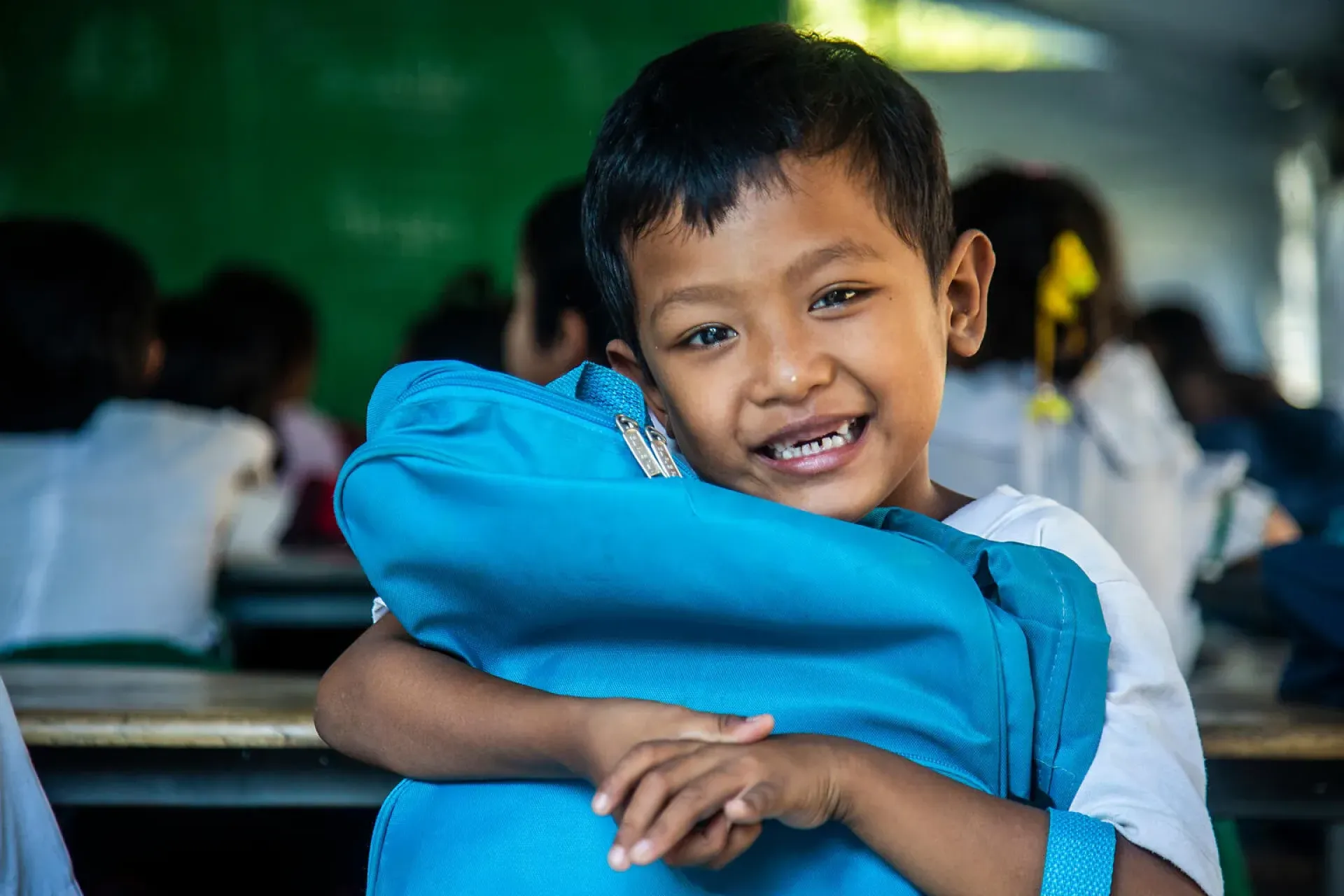
Massive cuts to humanitarian funding are putting UNICEF’s core protection and support programmes under strain, as children face deepening instability around the world.
The cuts couldn’t come at a worse time. In 2025, UNICEF was responding to 414 emergencies across 101 countries and territories – emergencies that don’t respect borders. A conflict in one region can cause largescale migration to another. An Ebola outbreak within a country can swiftly spread beyond it. UNICEF’s capacity to respond is contracting just as crises expand, leaving children caught in the balance.
After eighty years delivering life-saving aid in the hardest-to-reach places, we know what it takes to protect children and deliver results at scale.
But only 31 per cent of the humanitarian funding UNICEF requested last year was received, as needs continue to outpace available resources. For hundreds of thousands of children across the globe, this is the difference between protection and harm, care and apathy. Here’s what’s at stake if the world withdraws critical support.
The Gaza Strip
The war in the Gaza Strip has taken an unconscionable toll on children. Tens of thousands of children have been reported killed or injured, while homes, hospitals and schools lie in rubble. Many children have lost one or both parents. Widespread displacement and trauma continue to shape every aspect of childhood.

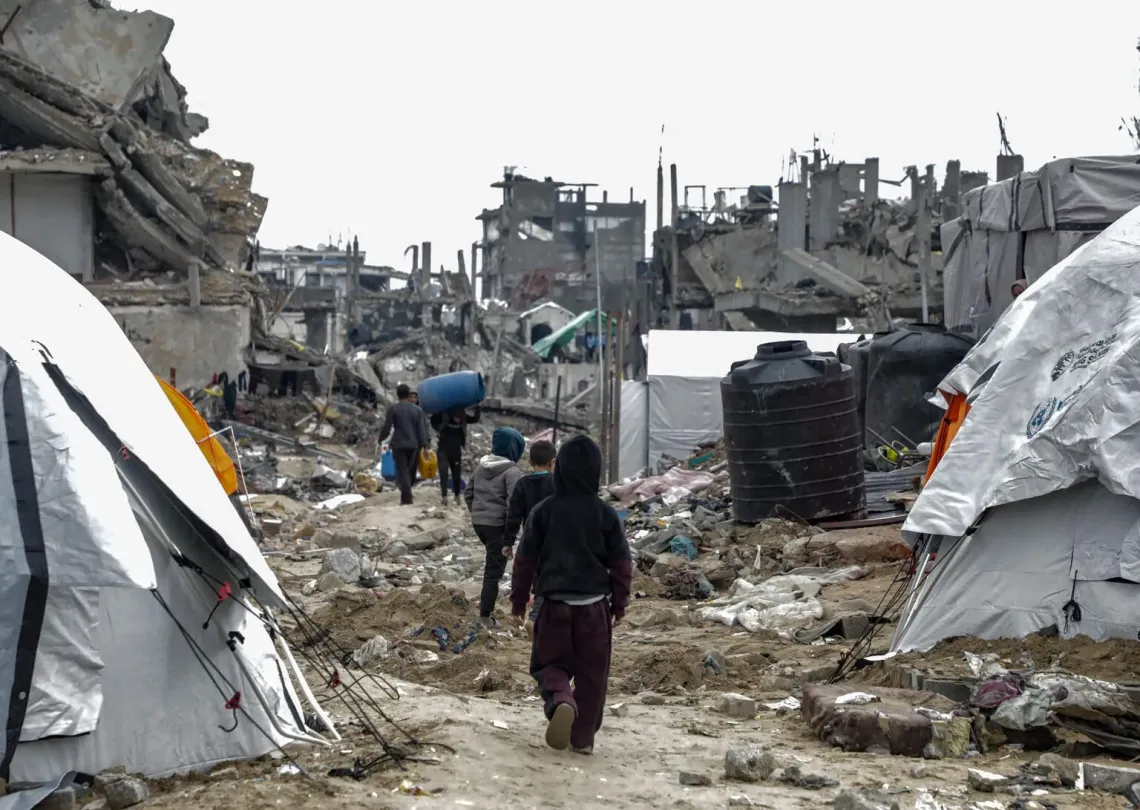

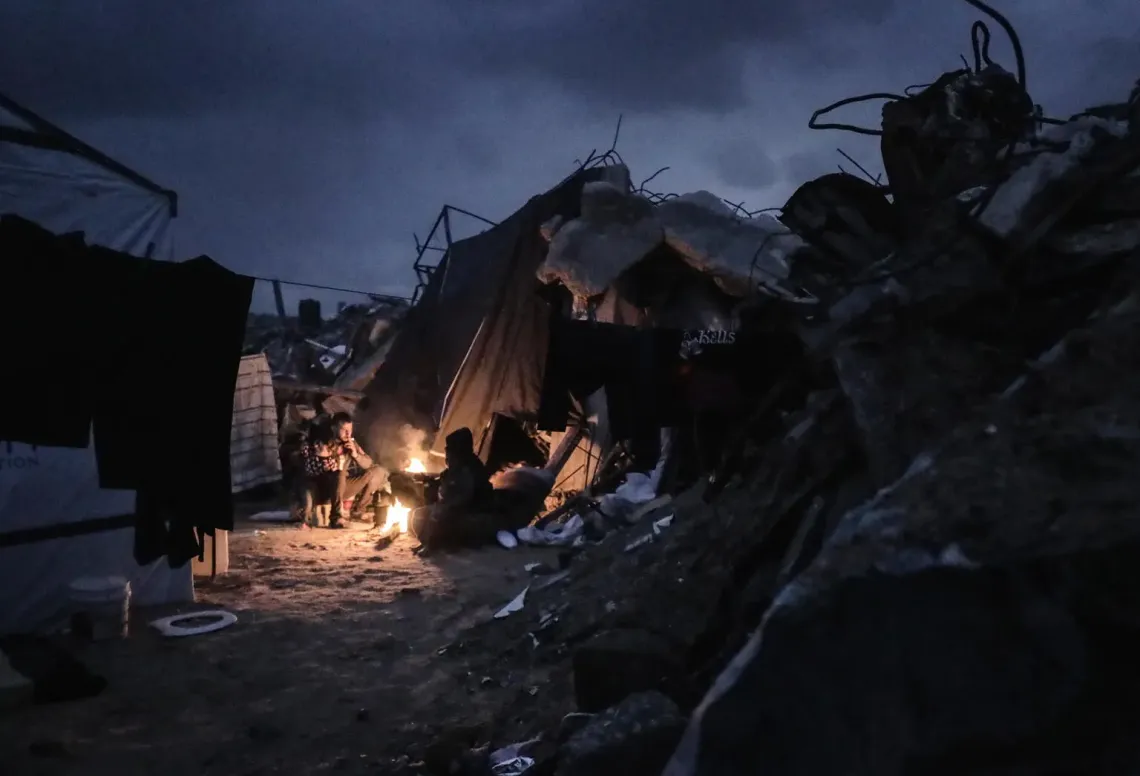
As part of ‘The Gaza We Want’ initiative, UNICEF asked thousands of children in Gaza to describe what they want the future to look like. Some did so through poetry. Others used paper and crayons. They shared dreams of a future where there are no sounds of shelling, no fear of tomorrow, and where laughter, colour and light fill every corner.

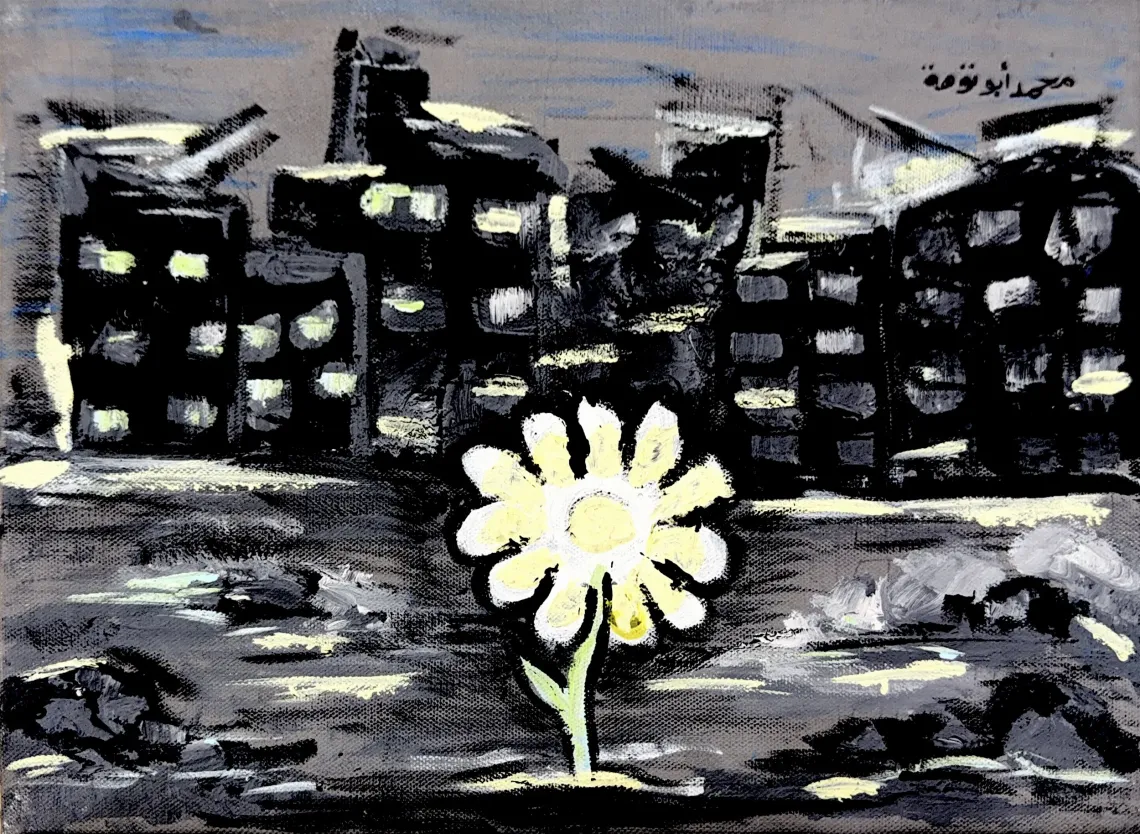



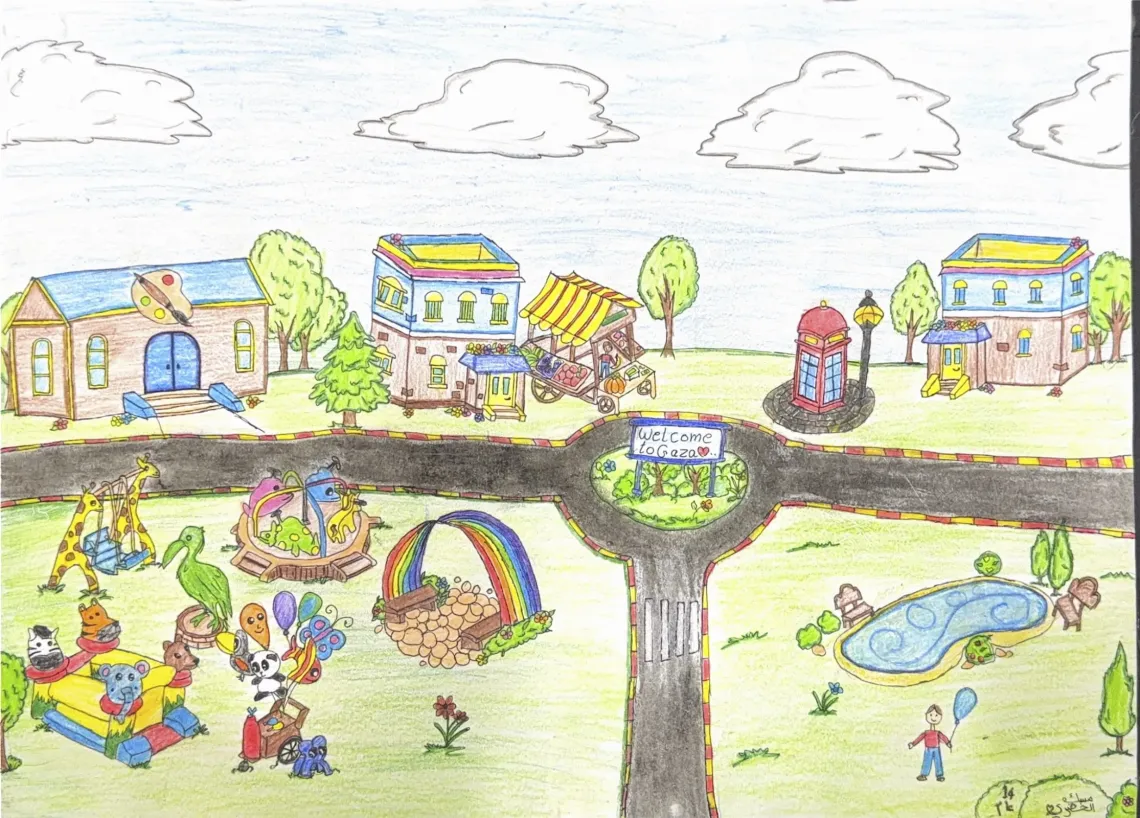
“The Gaza I want is a beautiful place with hospitals, schools and safe buildings,” says 14-year-old Mayar. “I was injured in the war, and it affected me a lot. Whenever I hear an airstrike, I get scared. But during the Gaza We Want activity, I felt so much better in my head.”
Psychosocial support is a critical part of UNICEF’s work in humanitarian emergencies, including in Gaza. UNICEF provides injured children and affected family members with specialized mental health and psychosocial support. We also provide humanitarian cash assistance to injured children and their families.
With US$230,000, UNICEF and partners can provide 1,000 highly vulnerable children, including severely injured children, with structured psychosocial support.
Myanmar
In Myanmar, landmines lie on paths to school, and near water sources, homes and farmlands – anywhere a child might take a step.
In March 2023, Saw Ler, 14, was heading to a familiar swimming spot with his brothers, something they’d done countless times. But this time was different.
“I stepped into the creek, and there was a loud bang. I was thrown into the air. Then everything went black,” Saw Ler recalls. He had stepped on a landmine.
As a result of the blast, Saw Ler had to have one of his legs amputated. “I was devastated. I thought I’d never walk or play with my friends again,” he says.
Even as he struggled to recover, ongoing conflict forced his family to flee their village.

UNICEF Myanmar/2025/Minzayar Oo
But a glimmer of hope eventually came when he received a prosthetic leg as part of a UNICEF-supported programme.
Saw Ler can walk again – and even play volleyball with his friends.
There are no formal demining operations in place in Myanmar, so risk education is the only protection children have from being injured by explosive ordnance.

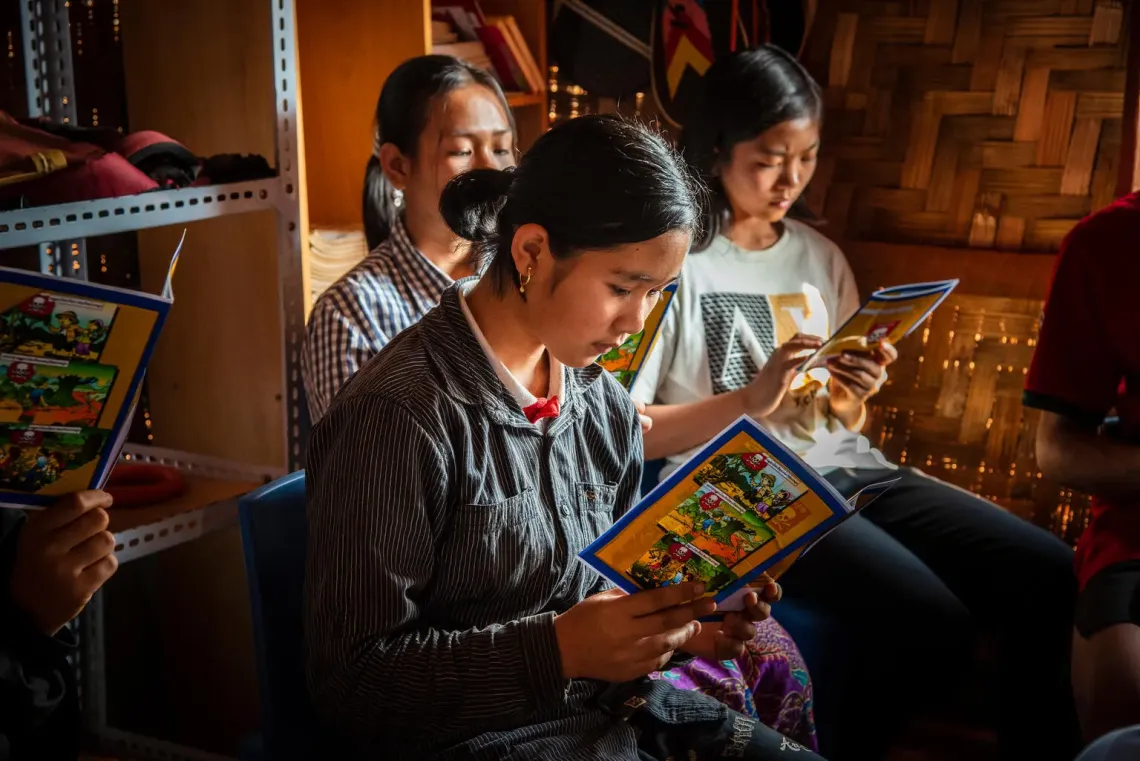

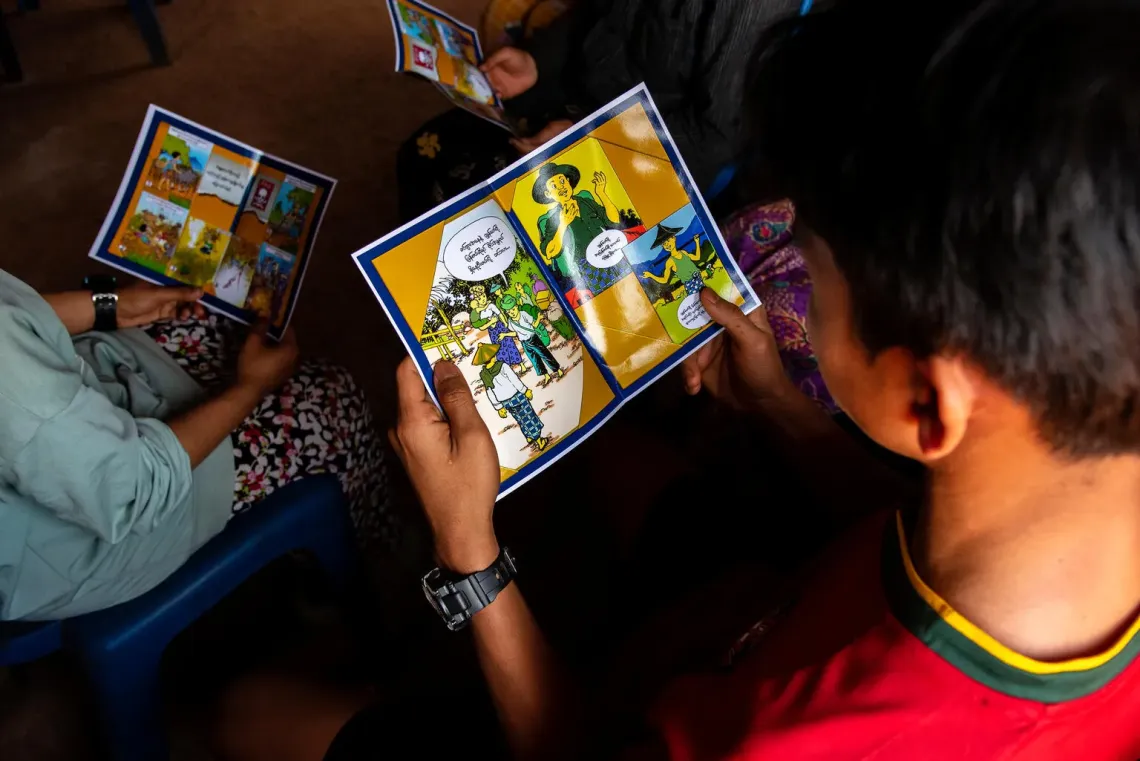
Young people in Myanmar are taking the lead to educate one another about the risk of landmines. In March 2025, for example, dozens of youth leaders were trained by UNICEF in explosive ordnance risk education. The trainees learned ways to educate their communities on how to stay safe from landmines and explosive remnants of war.
UNICEF and partners are working to expand efforts across conflict-affected areas. But the needs far outpace current resources.
With US$145,000, UNICEF and partners can support almost 600 child survivors and other victims of explosive weapons with access to support services.
Ukraine
The constant fear of attacks, endless sheltering in basements and isolation at home with limited social connections or access to education have left young people in Ukraine exhausted. Their resilience and ability to build strong and positive relationships are being undermined.

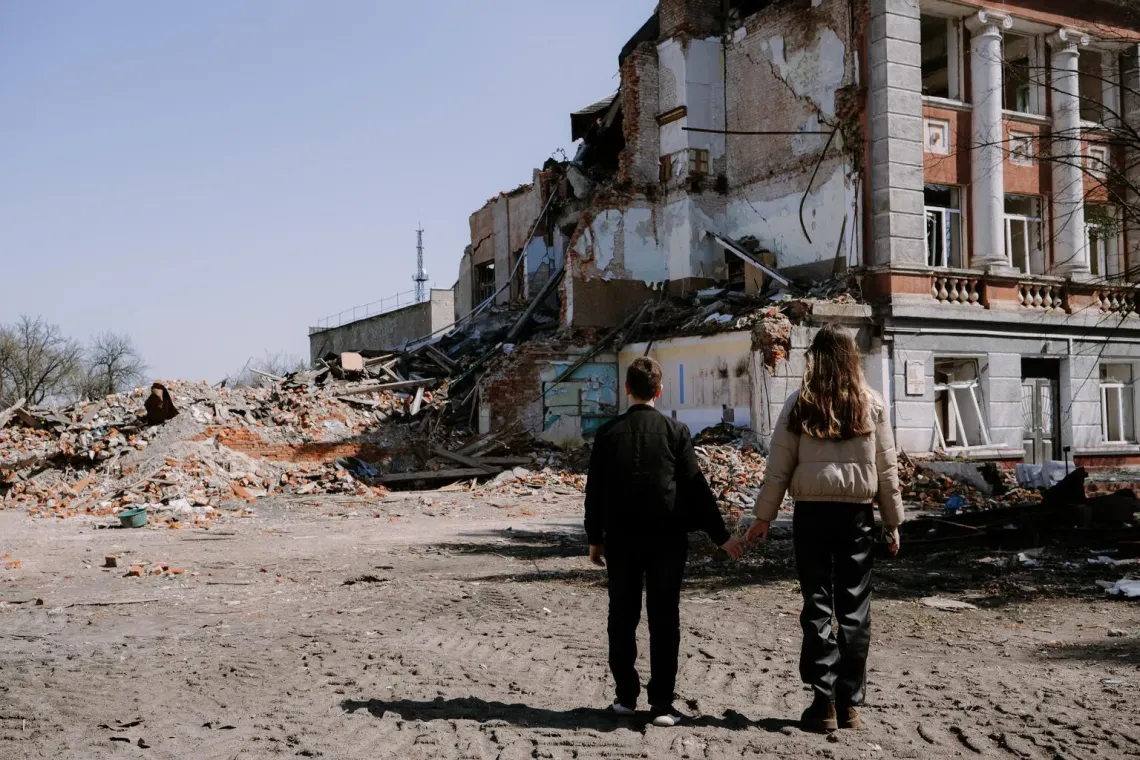

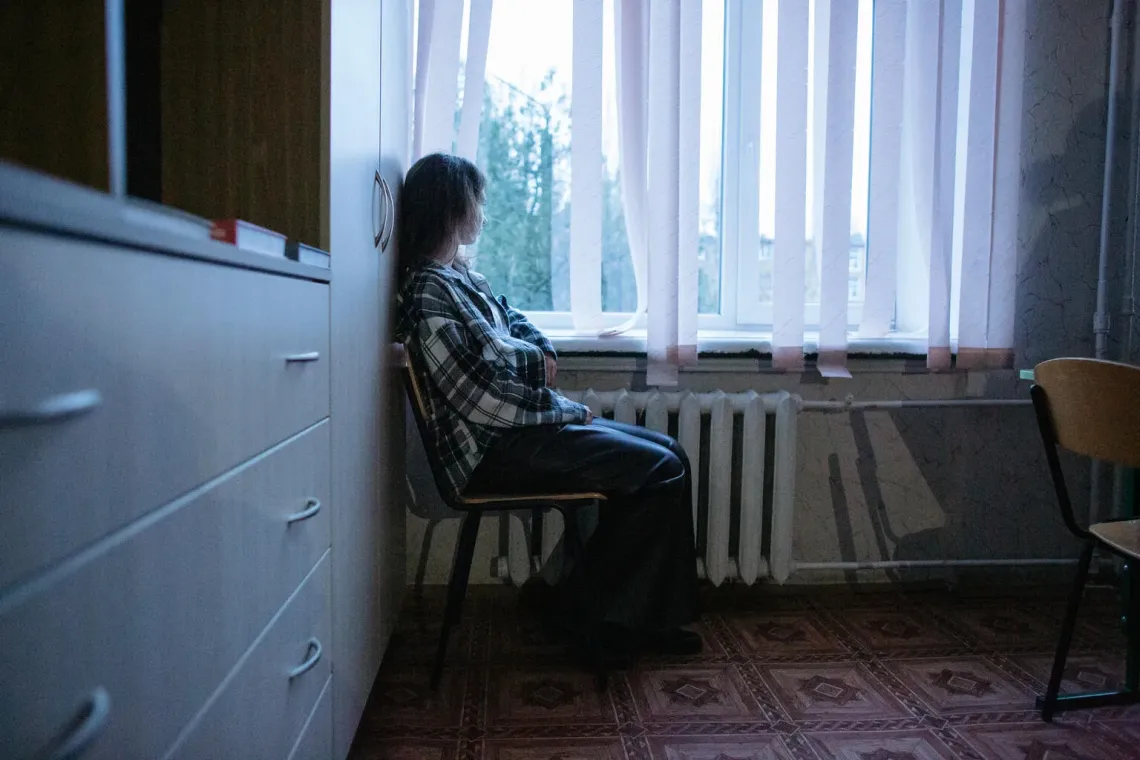

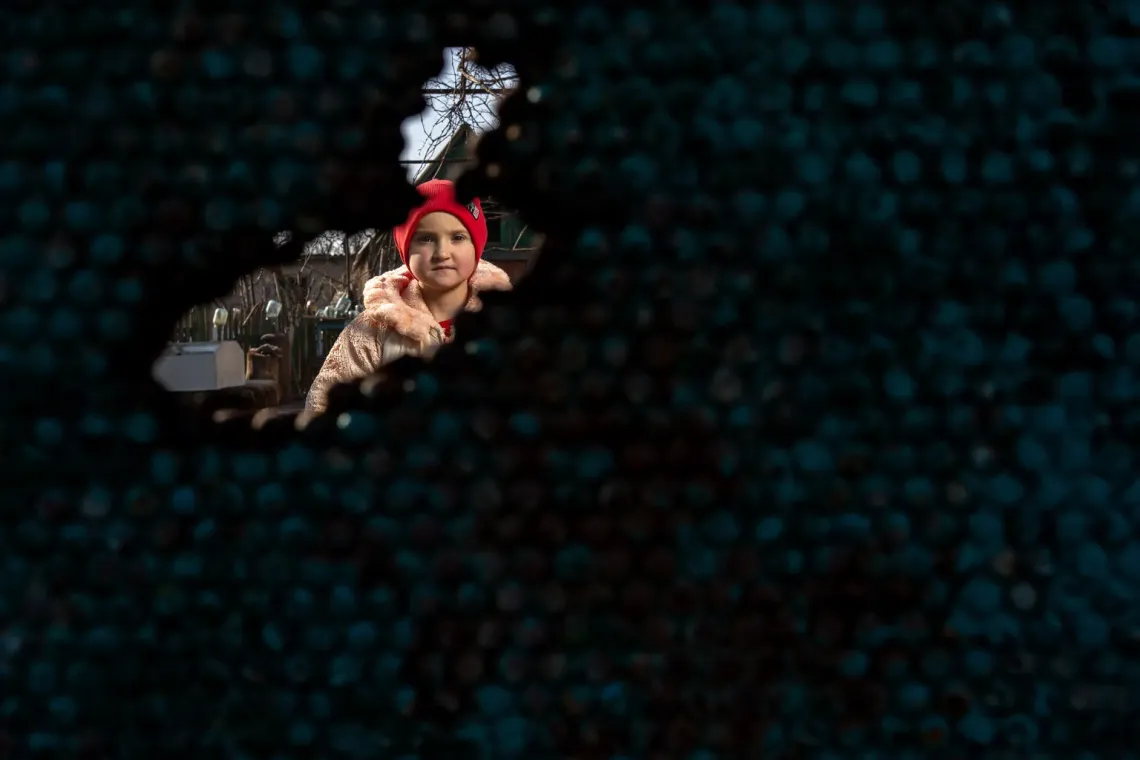
Snizhana, a single mother of three, lives in a village in the Mykolaiv region in southern Ukraine, which experienced heavy fighting when full-scale war broke out in early 2022. She recently noticed that her eldest daughter, three-year-old Anastasiia, had delayed speech. Snizhana knew she needed professional support, but she lived miles from the specialized help the family sought.
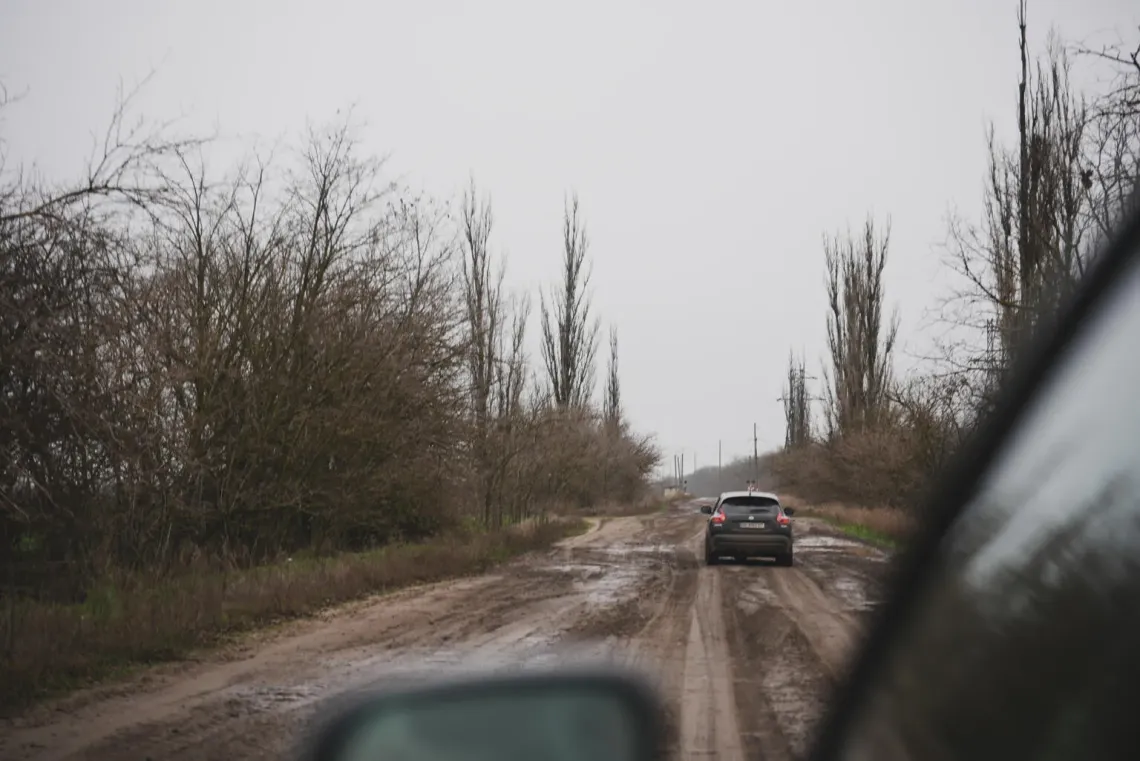
Thanks to an early intervention programme supported by UNICEF and partners, which included a visit from child development and medical specialists, all three of Snizhana’s children are now getting the support they need, including weekly check-ins at the family’s home and guidance on nutrition and development.
“In two months, I can already see results,” Snizhana says, noting that Anastasiia has started talking much more.
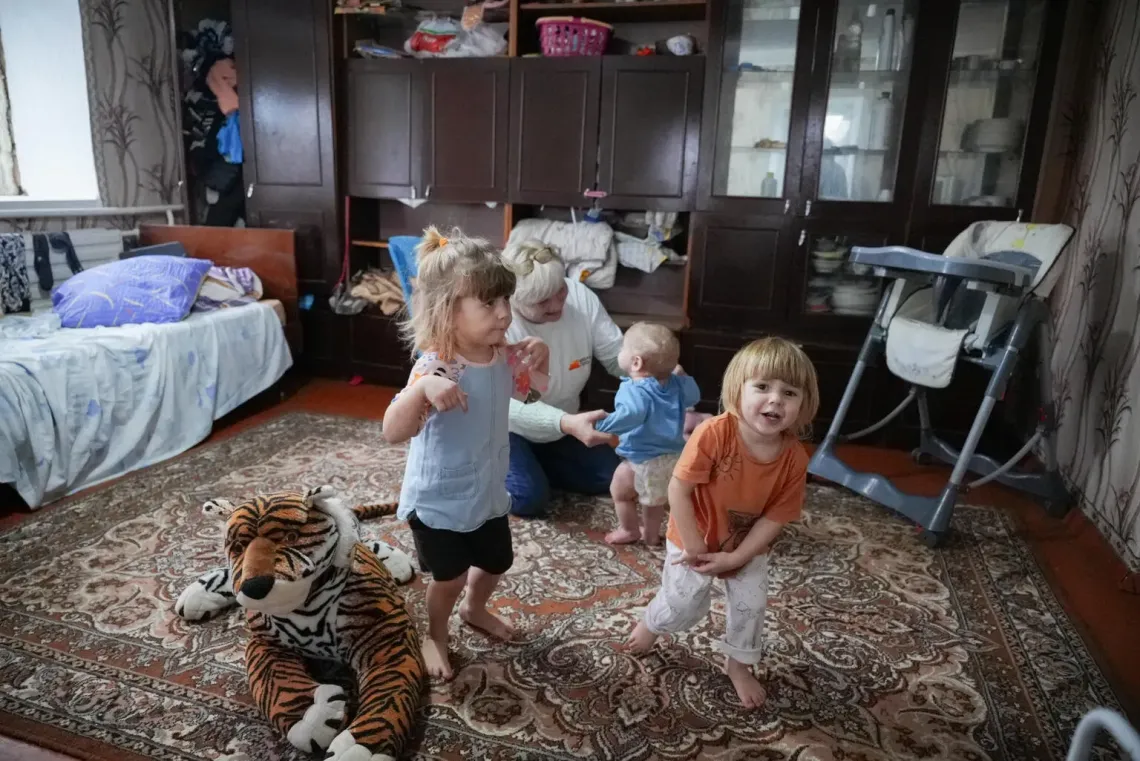
Providing support and space for children and young people displaced from their homes is vital for their development and well-being. For vulnerable children and families who remain close to the frontline in Ukraine, UNICEF-supported mobile teams deliver critical child protection, health and education services, including in the immediate aftermath of strikes.
US$250,000 helps UNICEF deploy mobile, inclusive education teams that can reach 3,000 children with disabilities or special educational needs with diagnostic, developmental and educational support services.
Nigeria
It's every parent’s worst nightmare, but child abduction is all too common in conflicts today. In Nigeria, children continue to be taken and used by armed groups, with devastating consequences for their physical safety and psychological well-being.
In Adamawa state in northeastern Nigeria, UNICEF has worked with partners to help young people rebuild their lives after they have escaped or been rescued from armed groups. Through community-based reintegration programmes, young people learn skills that can help them become financially independent, such as carpentry, automobile mechanics, hairdressing and welding.

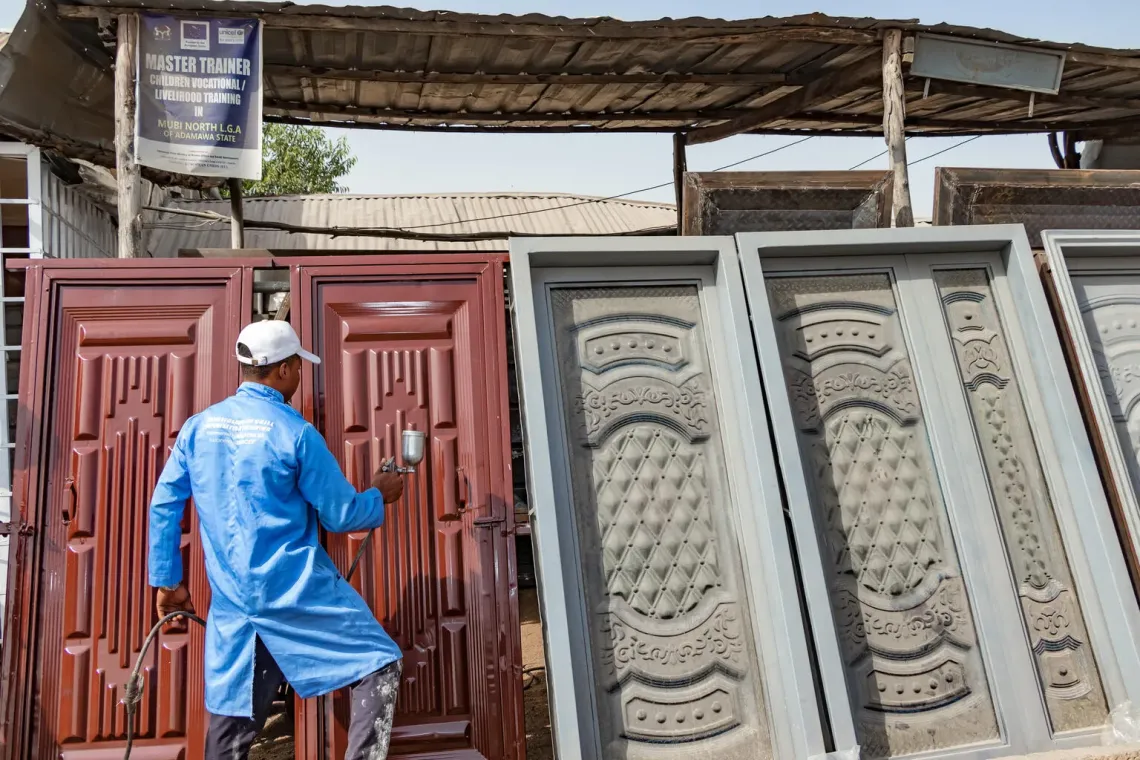

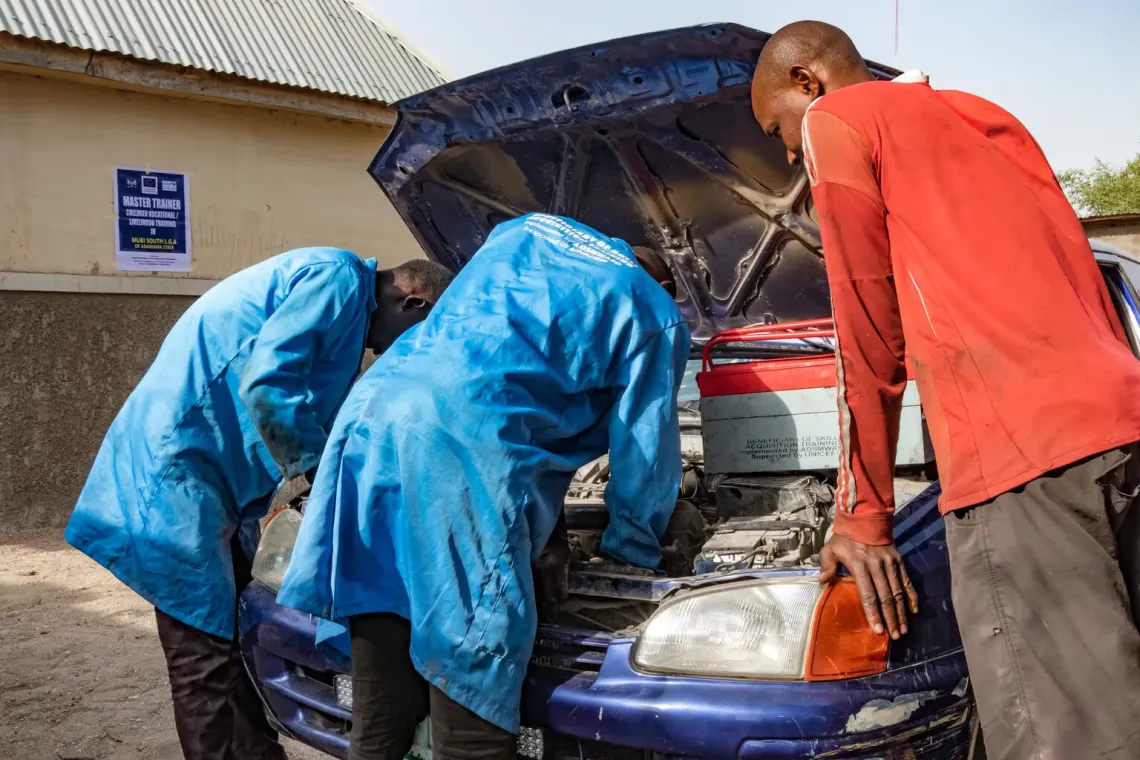
“I’ve loved cars since I was a kid,” says one trainee. “When the social worker asked me to choose a profession, I immediately chose car mechanics.”
US$1.5 million provides up to 1,000 children formerly associated with armed groups with comprehensive reintegration into their communities, including through case management and economic integration.
Haiti
Relentless waves of violence have devastated families in Haiti. Day after day, children have lost loved ones and seen their homes and schools destroyed.
In 2025, the number of children in Haiti recruited and used by armed groups skyrocketed by an estimated 200 per cent, reflecting a growing reliance on the exploitation of children amid ongoing violence by armed groups. Children in Haiti are often forced to join armed groups after receiving direct threats to themselves or loved ones. Others turn to armed groups as a means of survival and protection after being separated from their families.
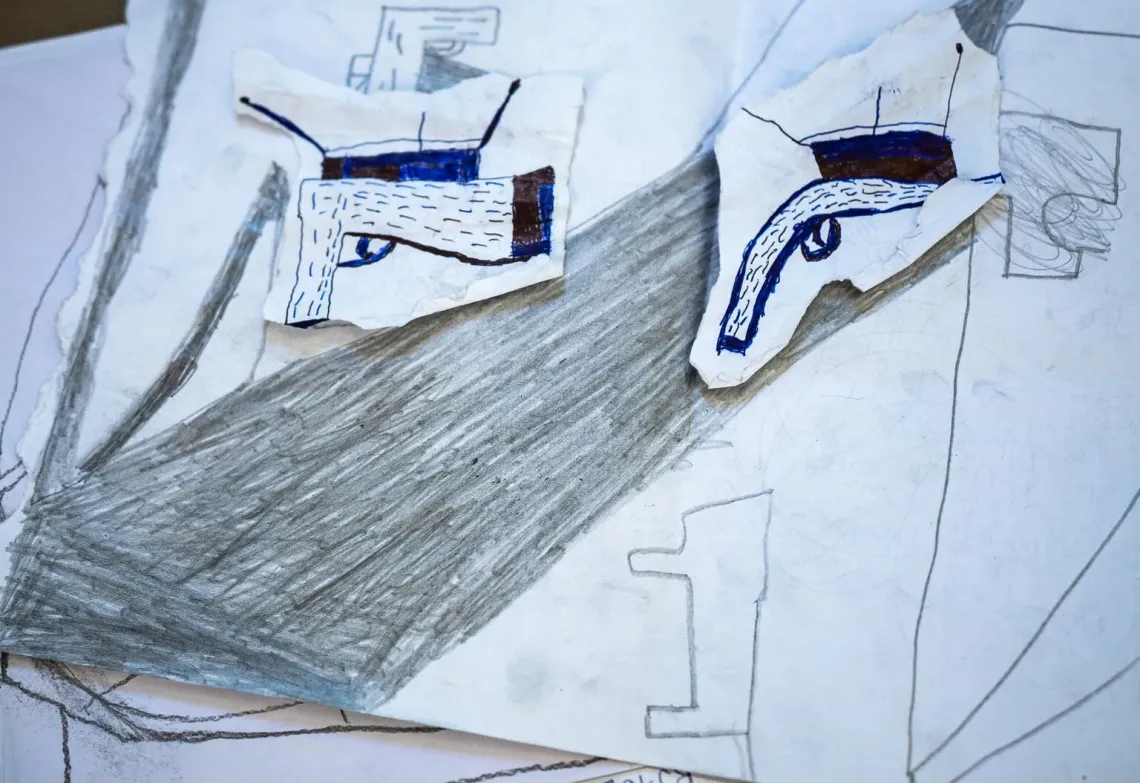
Ali, 15, used to live with his mother, but she was killed when gunfire erupted in their neighbourhood. With nowhere to go, Ali was forced onto the streets, where he was exposed to abuse and exploitation. One day, some men approached him and his friends, offering them money before handing them guns.
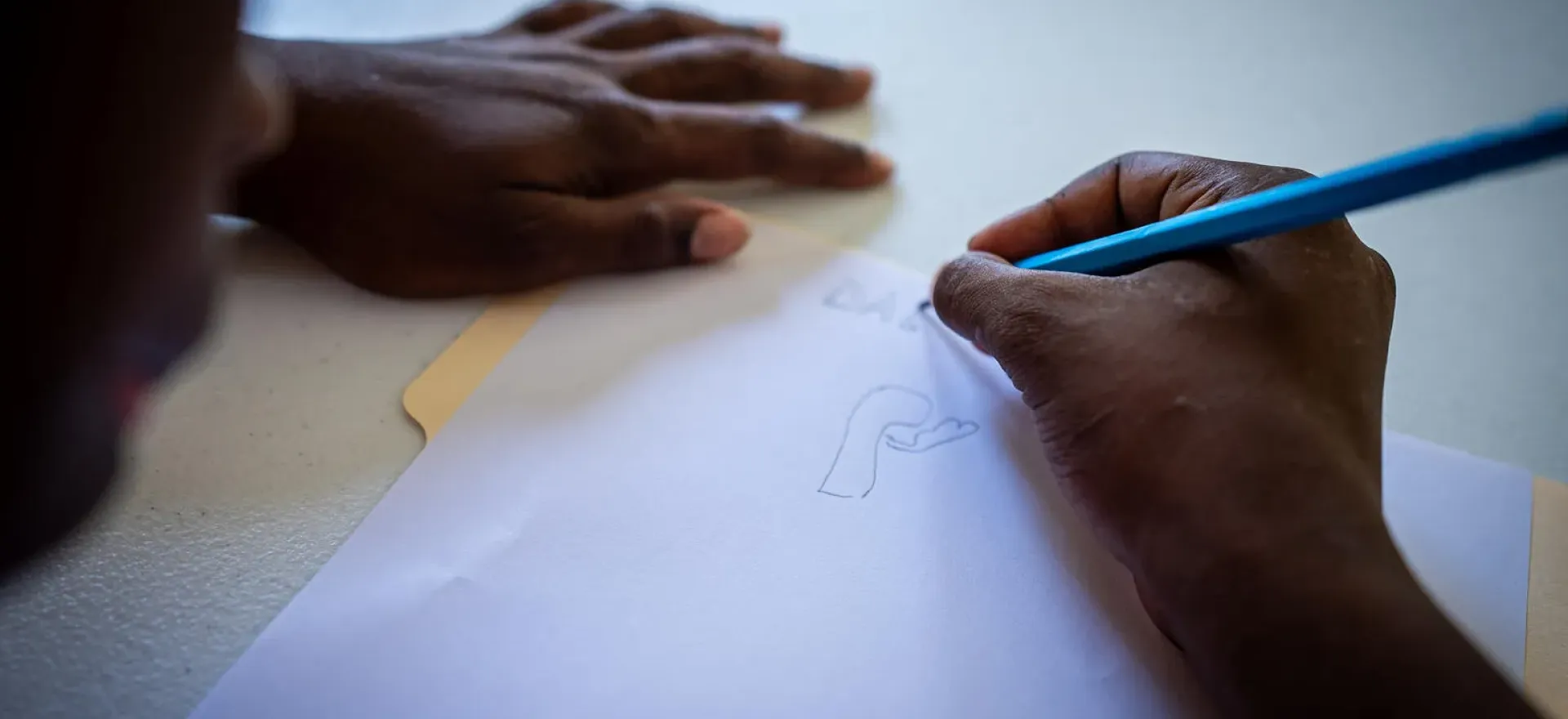
Thanks to a programme launched by the Government of Haiti and UNICEF in 2025, Ali is now receiving care, protection and psychosocial support.
UNICEF/UNI943184
“I really like this space,” Ali says of the UNICEF-supported centre. “I’ve found friends to play with. They take good care of us.”
“One day, I dream of becoming a pilot,” he adds.
US$1.2 million provides a full package of individualized care and child protection services, including case management, birth registration, health, legal and family reunification services to over 400 children affected by conflict.
For 80 years, UNICEF has been working in more than 190 countries to protect children’s rights and give them hope, no matter how challenging the world may be.
We know how to protect children. But it needs reliable and long-term investment to keep teams on the ground. It also takes governments and parties to conflict upholding international humanitarian and human rights law, preventing and ending grave violations and holding perpetrators to account.
UNICEF works with governments, partners and the international community to advocate for respect for international humanitarian law, greater accountability for grave violations against children, stronger child protection systems, and the policies and investments needed to protect children. By combining frontline work with global advocacy, UNICEF helps ensure that children’s rights remain at the centre of decision-making during and after crises. But we can't do it alone.
To all our partners who keep us going – and to those who can offer new or continued support – thank you. Your flexible funding helps us maintain and strengthen our work to prevent grave violations against children.