“After two months, I already see results”
Early intervention services are supporting children with development delays in remote frontline communities.
- Українська
- English
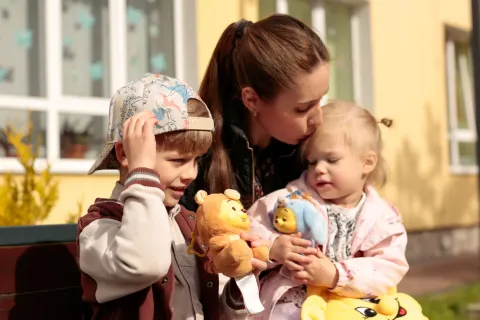
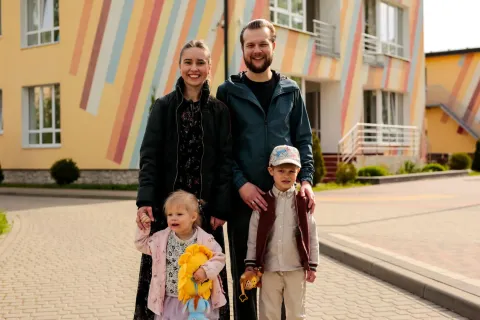
Snizhana, a single mother of three, lives in a remote village in Mykolaiv region. At the outbreak of the full-scale war, their community faced heavy fighting and partial occupation. These events left a deep scar on families, especially those with young children, who continue to live in constant fear and uncertainty.
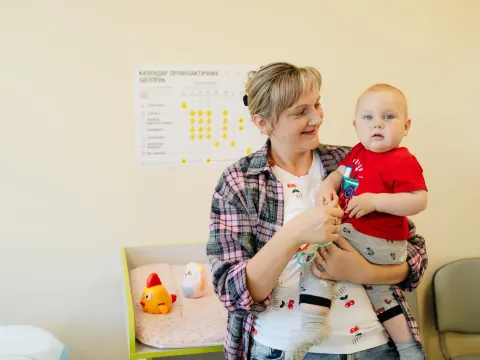
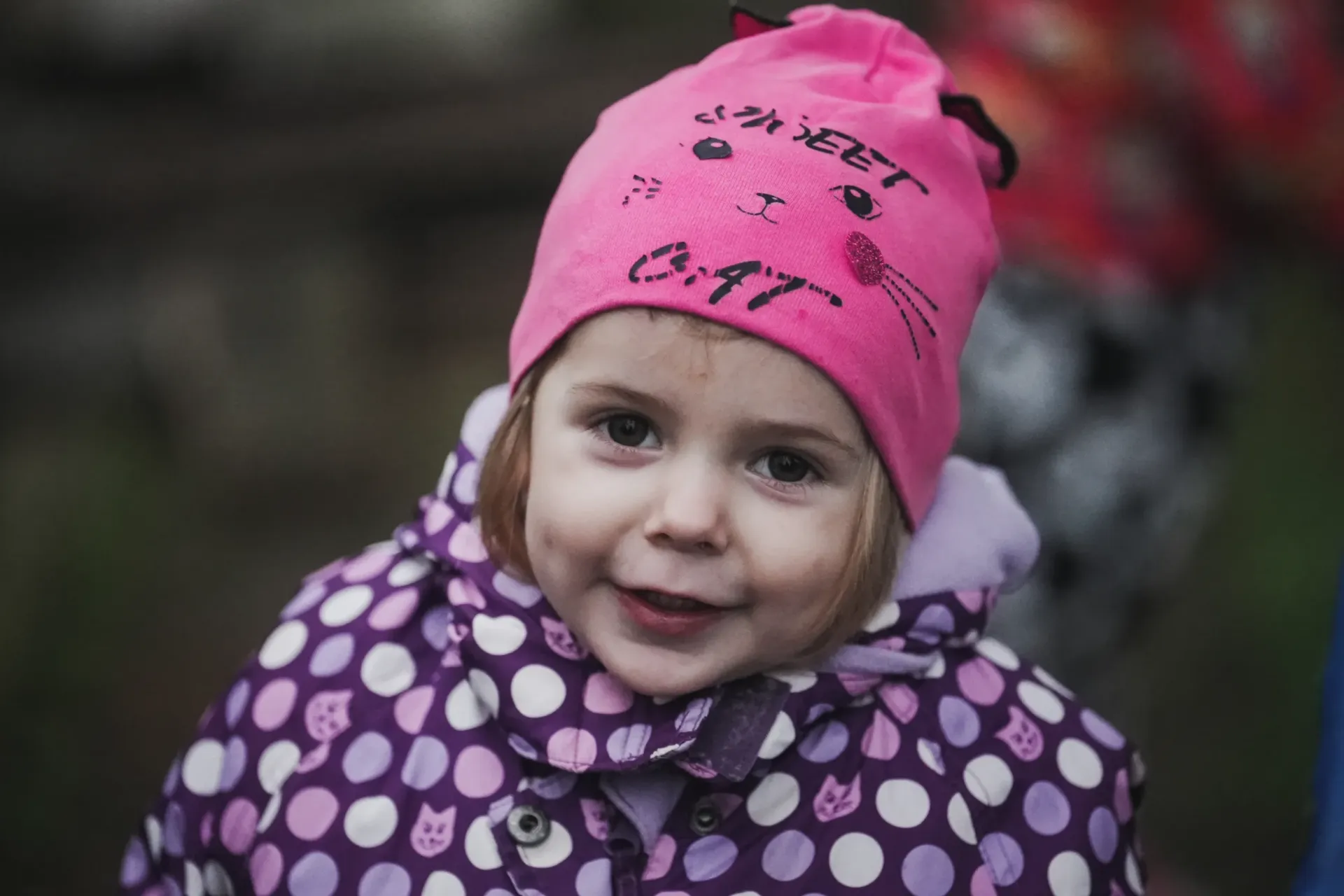
Recently, Snizhana noticed that her eldest daughter, three-year-old Anastasiia, had a speech delay and realised she needed professional support. However, the family lives 17 kilometres away from the district centre, and there is no regular public transport between the two settlements. The family doctor came up with a solution and arranged a visit from an early intervention team. Composed of child development and medical specialists, the team carried out an initial assessment of the children’s condition and family’s needs.
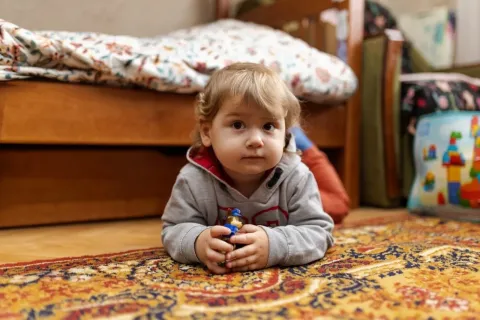
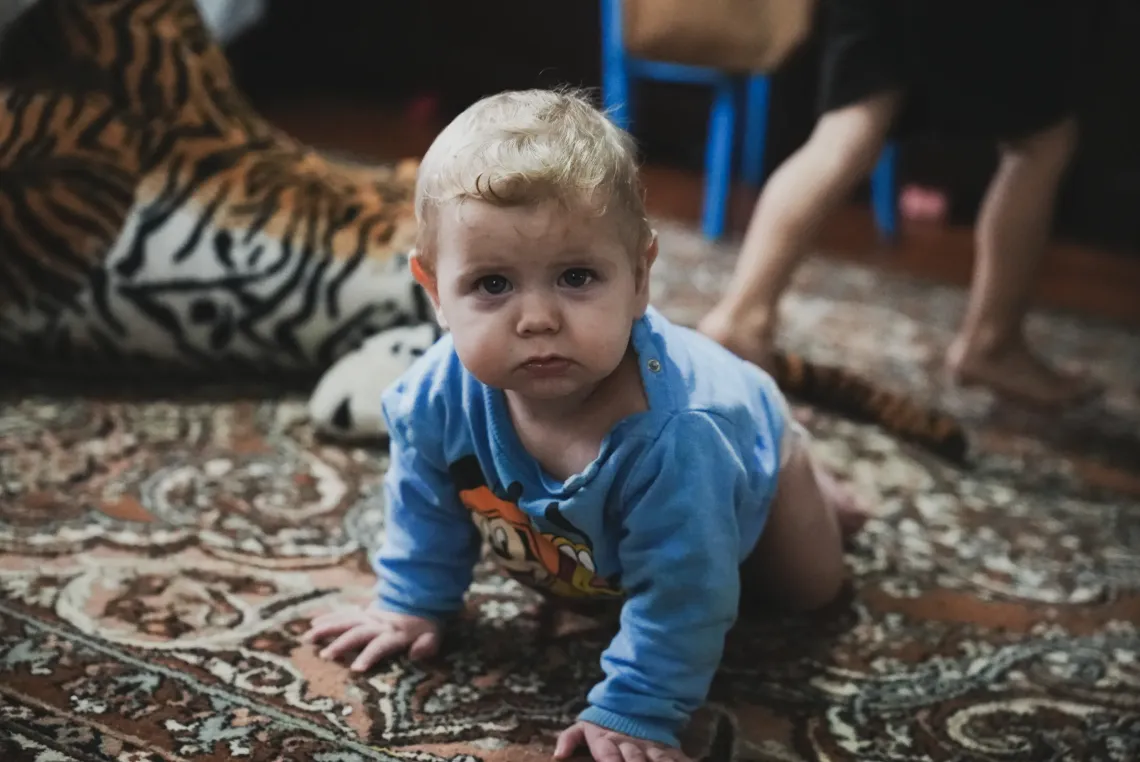
The specialists observed that the children were tense and struggling to communicate. “At the first meeting, Sasha, the youngest child, didn’t respond to me at all. He just lay on his cot indifferently,” recalls Iryna, the physical rehabilitation therapist. Sasha was only six months old during his first assessment.
The early intervention team determined that all three of Snizhana’s children needed early intervention

“Early intervention services are provided to families with children under four who need help from specialists such as a psychologist, rehabilitation therapist or speech therapist. Our team helps children with developmental delays and their families overcome these challenges and develop essential skills that need to be mastered in early childhood.”
Timely response and early identification of developmental delays in a child help minimise the risk of significant impairments later in life, including possible disability.
“We work closely with the hospital, which helps identify children in need of early intervention and shares this information with us,” says Larysa Havryliuk, Head of Social Affairs and Veterans’ Policy at Bashtanka City Council.
Early intervention is a new service for young children and families in the Bashtanka community. It was introduced in 2025 thanks to a small grants programme that is part of the Social Protection for Inclusion, Resilience, Innovation and Transformation (SPIRIT) initiative. The programme is led by the Ministry of Social Policy and Family Unity, with support from partners including UNICEF, the World Bank, the Fund for Social Protection of Persons with Disabilities and the UK Government.
The early intervention team of the charitable foundation Winds of Change have been visiting Snizhana and her children every week.


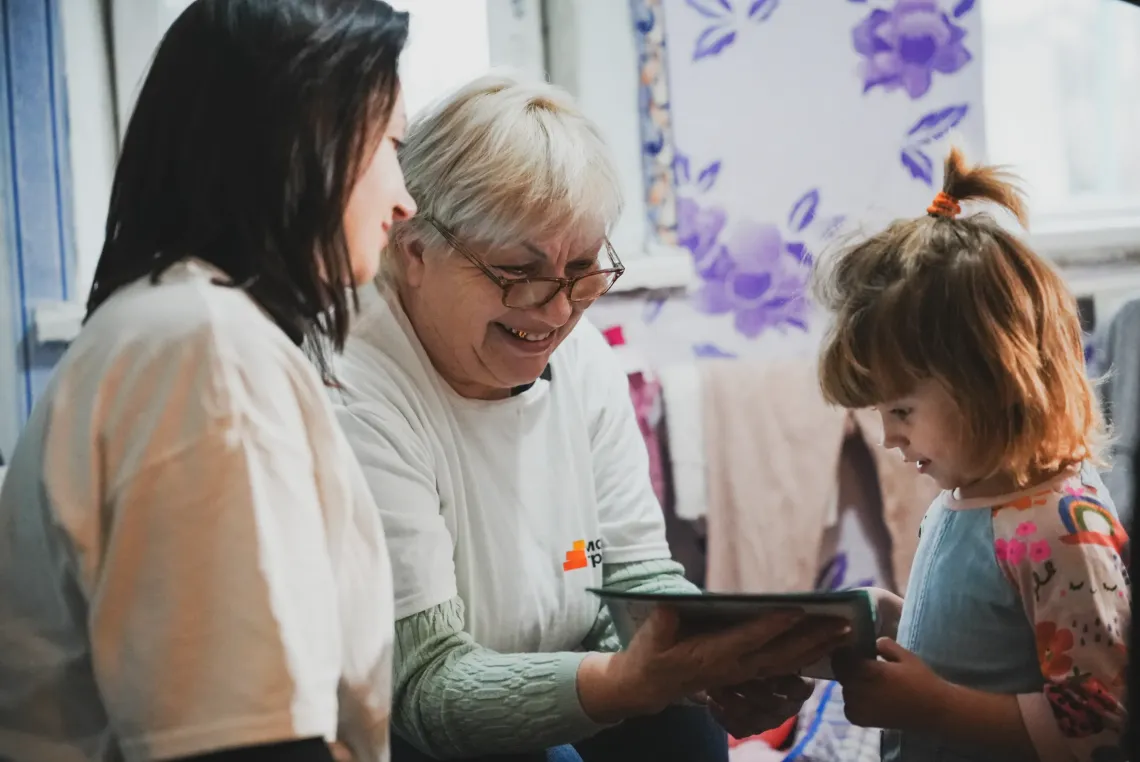

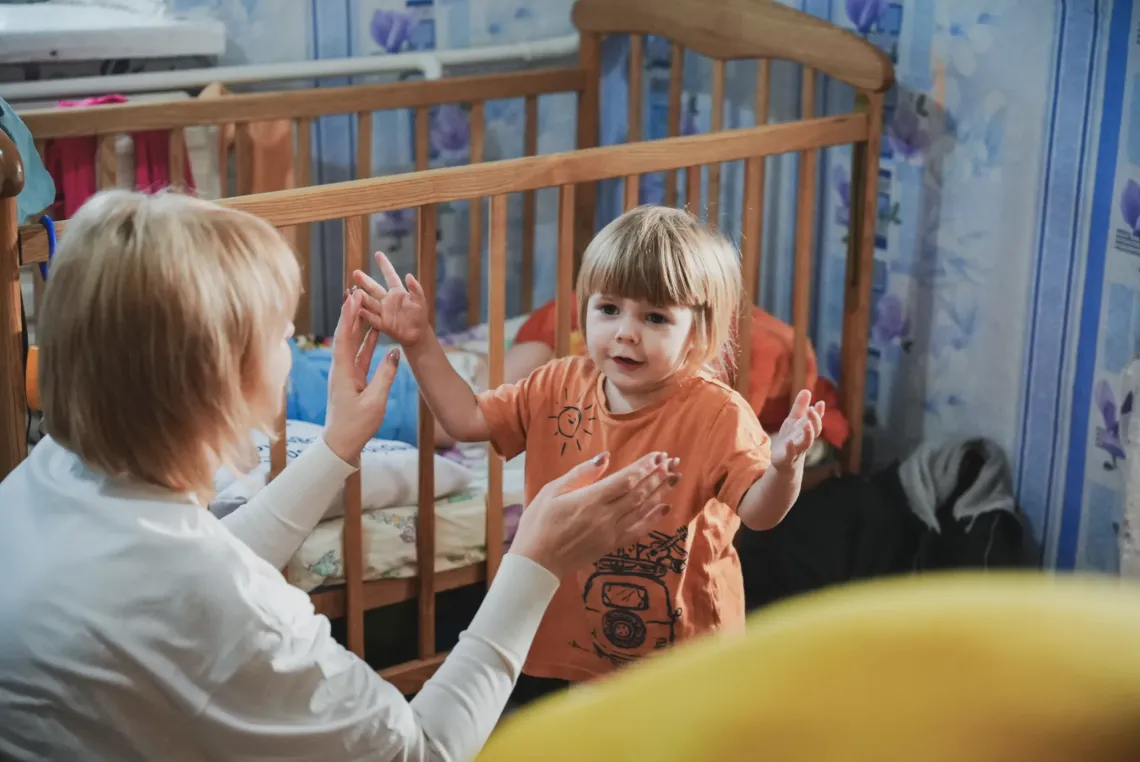

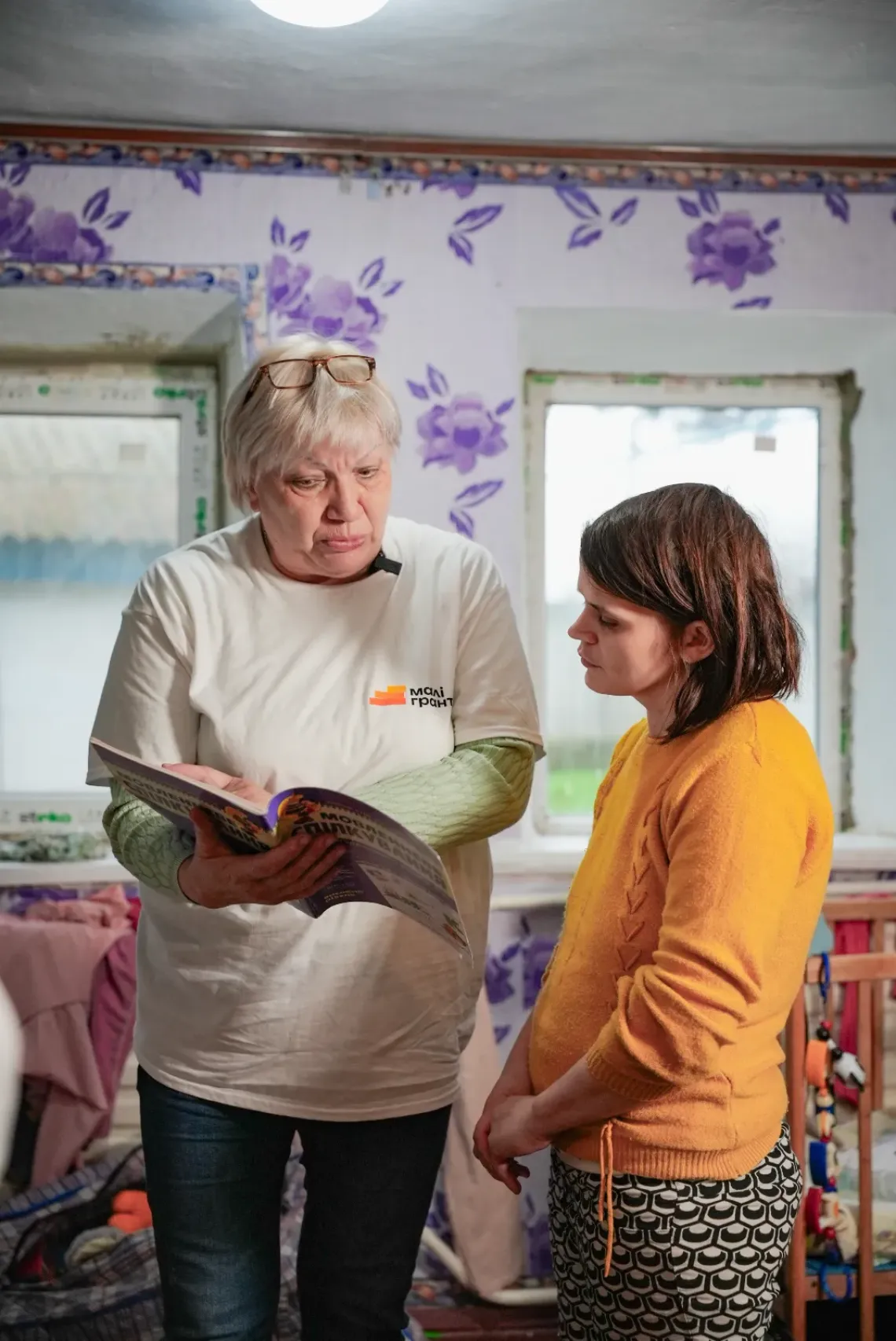
“As a psychologist, I help the child develop both the willingness and the ability to initiate contact. For children under the age of four, communication is closely connected to sensory experiences and emotions. That’s why I focus on helping the child feel comfortable during interactions and strengthening their non‑verbal skills—eye contact, gestures, facial expressions, and emotional self‑regulation”
Because of the war, children experience prolonged lack of socialisation. Nurseries are closed, and chances to interact outside the home are limited. That’s why making social services more accessible to families not only provides quality and inclusive support but also gives families an important emotional lifeline.
During each visit, the team not only works with the children but also supports the mother. They answer her questions advising on nutrition, routines and development. Snizhana follows the recommendations daily through simple actions and conversations while feeding, caring, playing, and interacting with her children. She repeats exercises with her youngest son to stimulate his physical development, gradually learns self-care skills with Veronika, and encourages Anastasiia to speak more. Between visits, the specialists provide phone consultations to help the mother to adjust her approach, as it’s vital that the work continues between sessions.
“In these two months, I can already see results. Anastasiia and Veronika have started talking much more. Sasha has begun crawling, sitting, standing and walking”
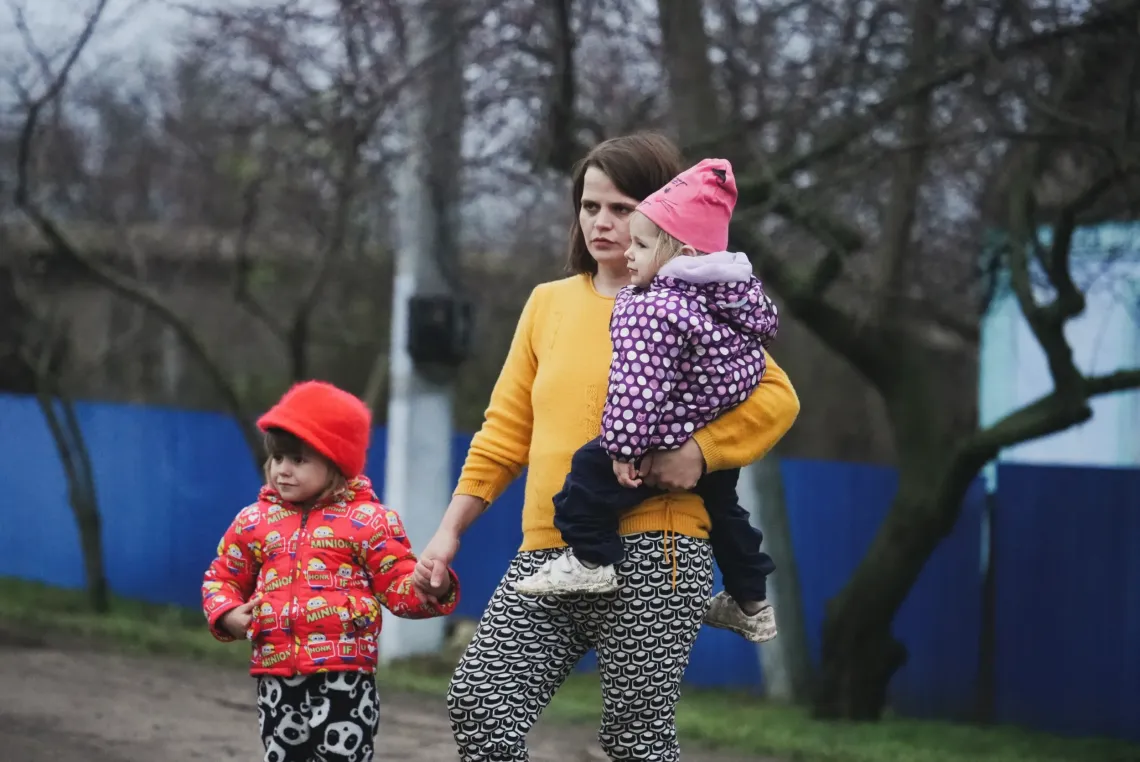
Small grants programme provides funding to civil society organizations and municipal institutions that enable them to initiate or expand social services – including early intervention, social support to families in difficult life circumstances, social support to alternative family forms, and day care for children with disabilities – in the communities they work in.
The small grants programme is led by the Ministry of Social Policy, Family and Unity of Ukraine, in cooperation with UNICEF, the World Bank and the Fund for Social Protection of Persons with Disabilities and with funding from the UK Government. It is piloted in ten regions, including Volyn, Dnipropetrovsk, Zhytomyr, Kyiv, Lviv, Mykolaiv, Poltava, Kharkiv, Khmelnytsky, Chernivtsi regions and the city of Kyiv.