“It is important for a woman to return from childcare leave sooner than after three years”
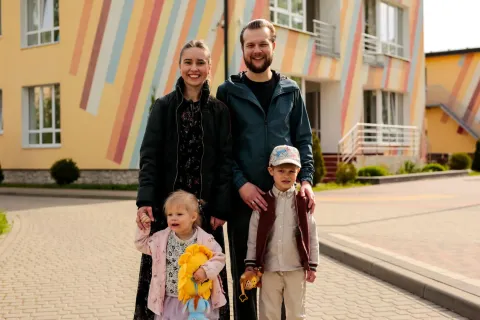
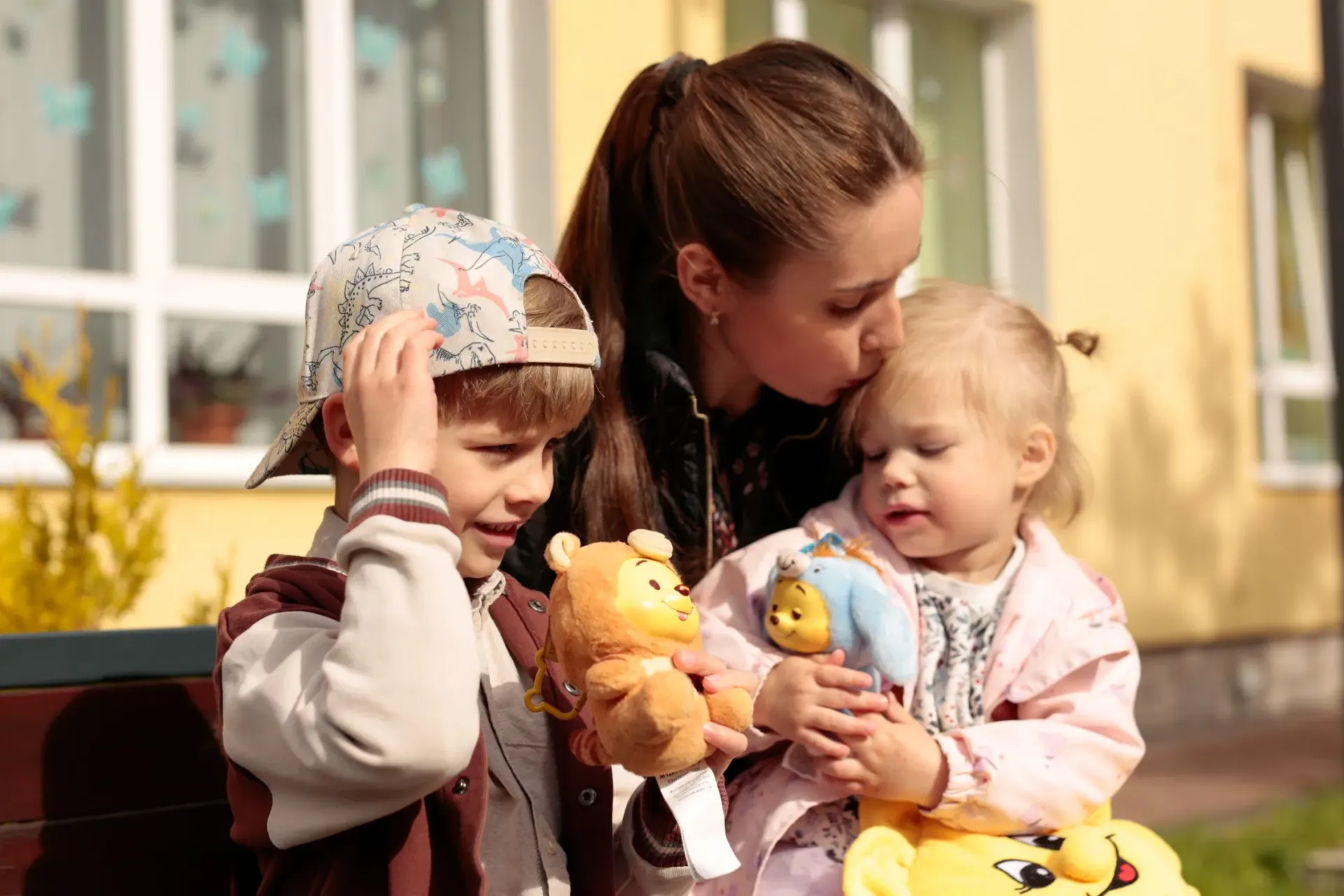
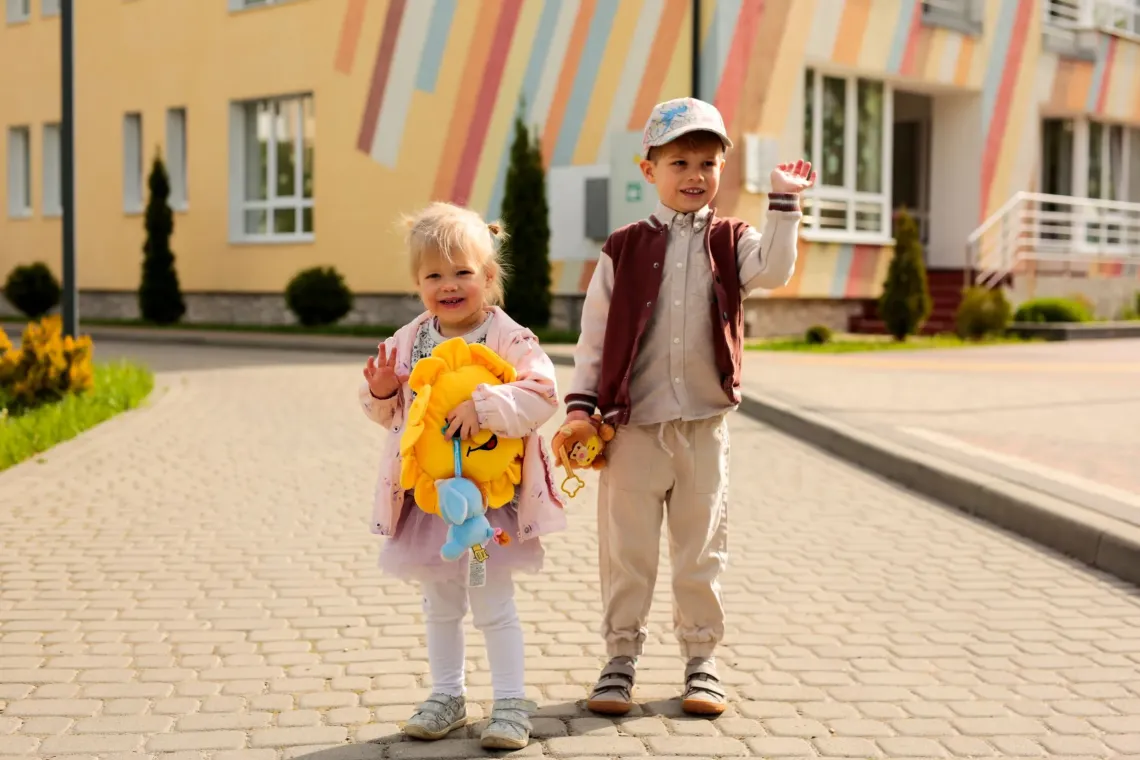
Five-year-old Yarema and his sister Daria, who is two and a half, cheerfully go to kindergarten together every day. Thanks to an early development group at a preschool in Lviv, their mother Iryna has been able to return to work and to social life.
- Українська
- English
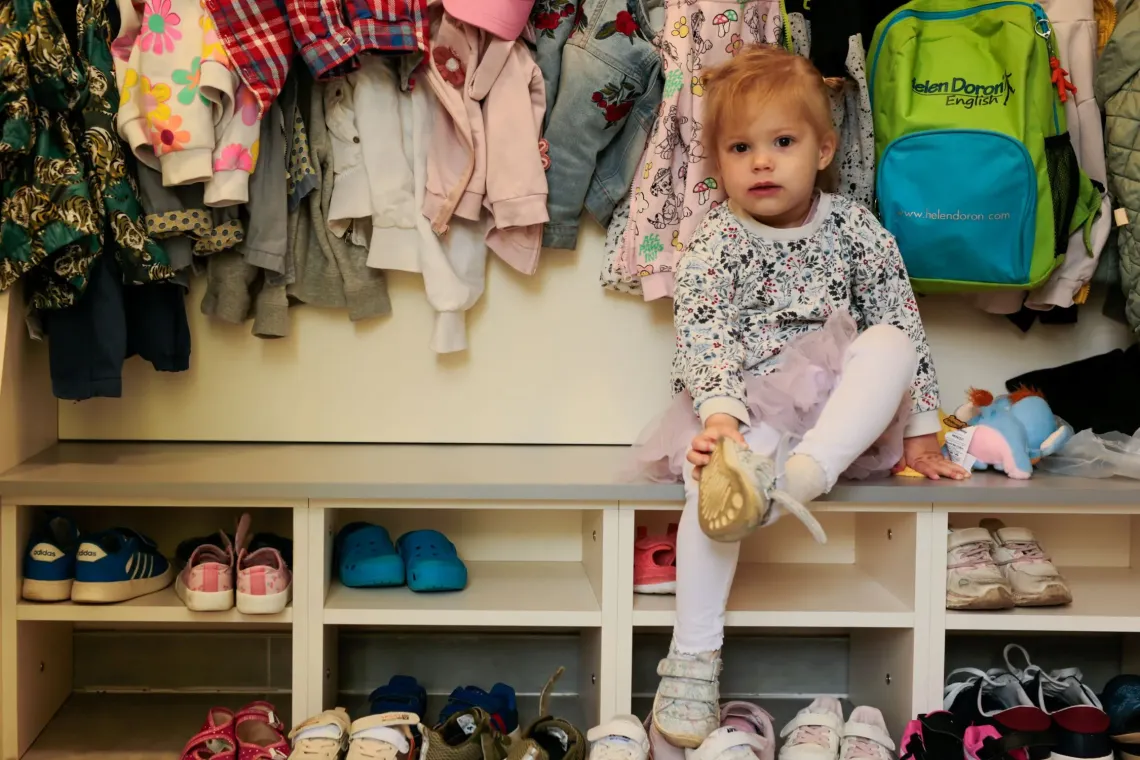
“Daria always runs to kindergarten, so excited to get there. Because that’s where her friends and warm and caring daycare teachers are. She already looks forward to coming here the night before. There’s always plenty for her to do,” says Iryna.
The little fair-haired girl arrives at about nine, all smiles and curiosity, a toy or a book in her hands.
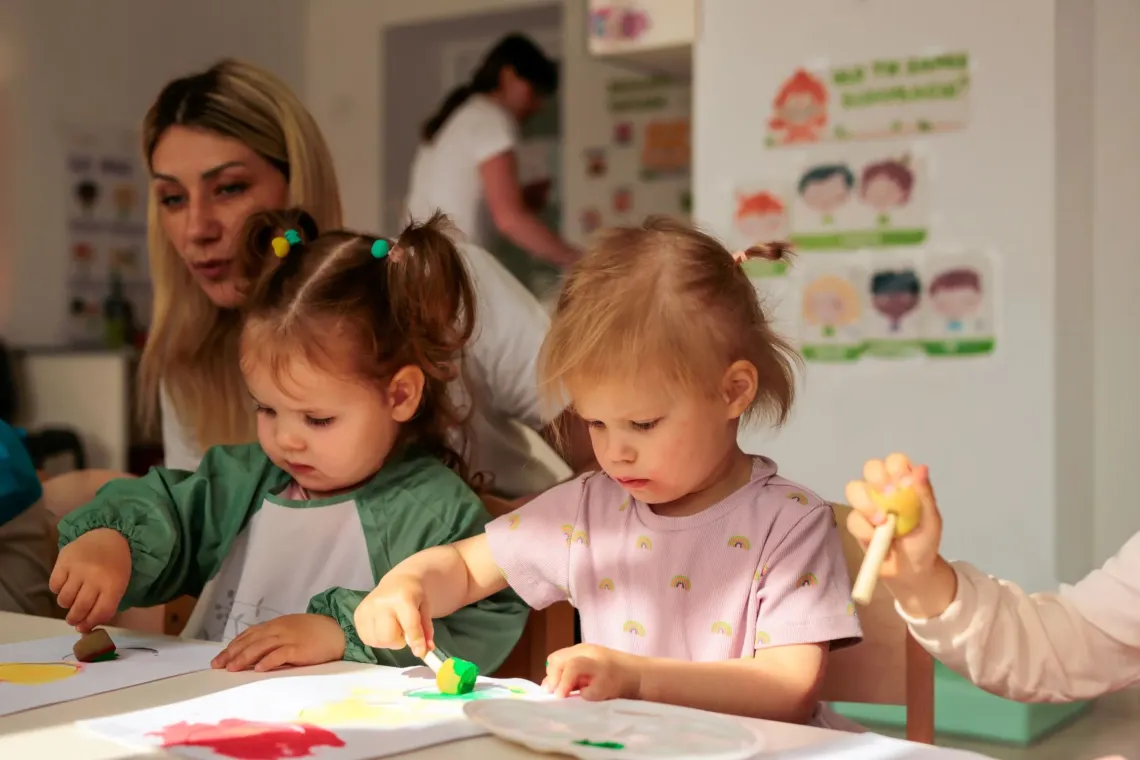
But it wasn’t like that when Yarema was born. The nursery‑based early development group at Lviv’s Vilni pre-school only opened its doors to one to three‑year‑olds in 2025. After Yarema’s birth, Iryna couldn’t work until he was nearly three years old.
“It’s important for a woman to return from maternity leave sooner than three years, not only for financial reasons, but for psychological well‑being and a change of environment."
Iryna is now able to work 20 to 25 hours a week. She has patients she has been treating for several years, so it was important for her not to lose them and to continue their treatment.
In Ukraine, women’s employment drops sharply after the birth of a child. According to the national study Access to Early Childhood Education and Care and Women’s Economic Empowerment in Ukraine, 94 per cent of men with children under seven are employed, compared with only 35 per cent of women. Among mothers with children under three, the figure is as low as 13 per cent. Researchers point out that the reason is not a lack of motivation among women, but systemic barriers and the impact of war.
The study was supported by UNICEF Ukraine and the ILO in Ukraine, with funding from the German Government's Federal Ministry for Economic Cooperation and Development (BMZ) through the KfW Development Bank.
One of the main issues is the acute shortage of preschool care and education options. As of 2024, only 15 per cent of places in preschool institutions were intended for children under three.
The Lviv kindergarten was able to expand its age groups thanks to the diversified early childhood education and care approach led by the Government of Ukraine and local authorities, with support from UNICEF.

UNICEF
UNICEF
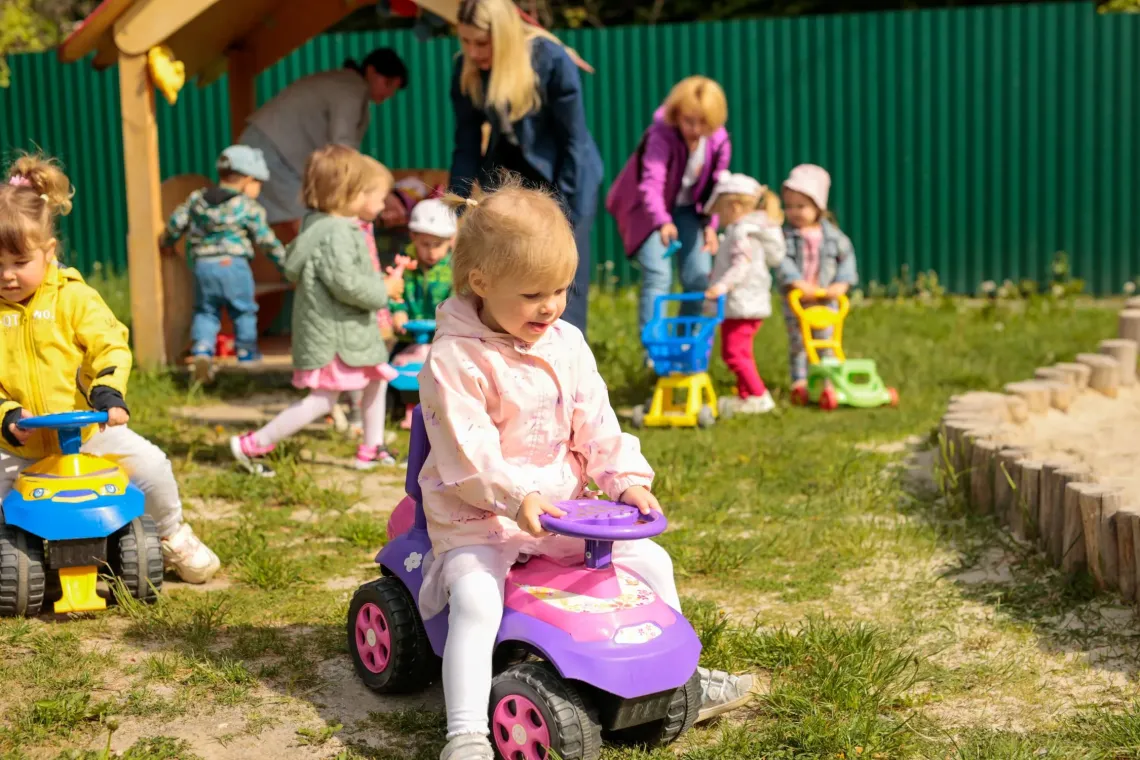
This expands childcare options, from part‑day groups to employer nurseries and targeted programmes that give children safe places to play and learn while enabling mothers like Iryna to return to paid work and sustain their careers.
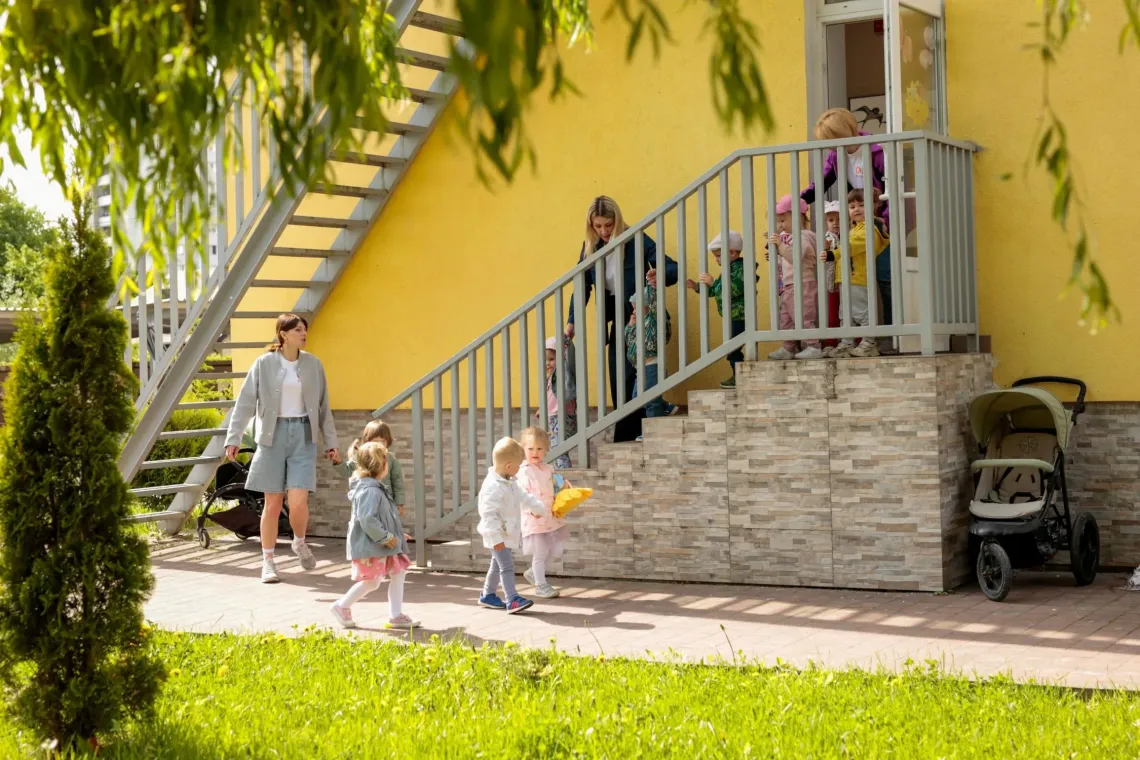
There are now twelve children in Daria’s group.
Natalia, one of the daycare teachers, used to work with older children.





“At first, I was a bit nervous. But my colleagues who had already worked with such young children shared their experience. We also had training where we learnt how to work with toddlers. It’s also a big help that there are always two teachers in the group.”
It's particularly important to have more helpers when air raid sirens wail. The teachers have to quickly get the children ready to go down to the shelter.
“The kids are not afraid during an alarm. They say: ‘Alarm! Let’s get dressed, put on our shoes and go to the basement,’” Natalia says.
Additional challenges to women returning to work after having a child include social pressure and workplace barriers:
- 61 per cent of surveyed women consider discrimination against mothers in hiring to be widespread;
- 64 per cent expect to be refused a job because of their motherhood plans;
- 69 per cent of non-working mothers do not look for work because of the stereotype that mothers should devote themselves to childcare (a view shared by more than half of men).
At the same time, the study notes a demand for role changes in families. More than 60 per cent of mothers said their partners take part in childcare. About half of surveyed women, particularly over 70 per cent of mothers with many children, support the introduction of a non-transferable childcare leave for fathers, following European practice.
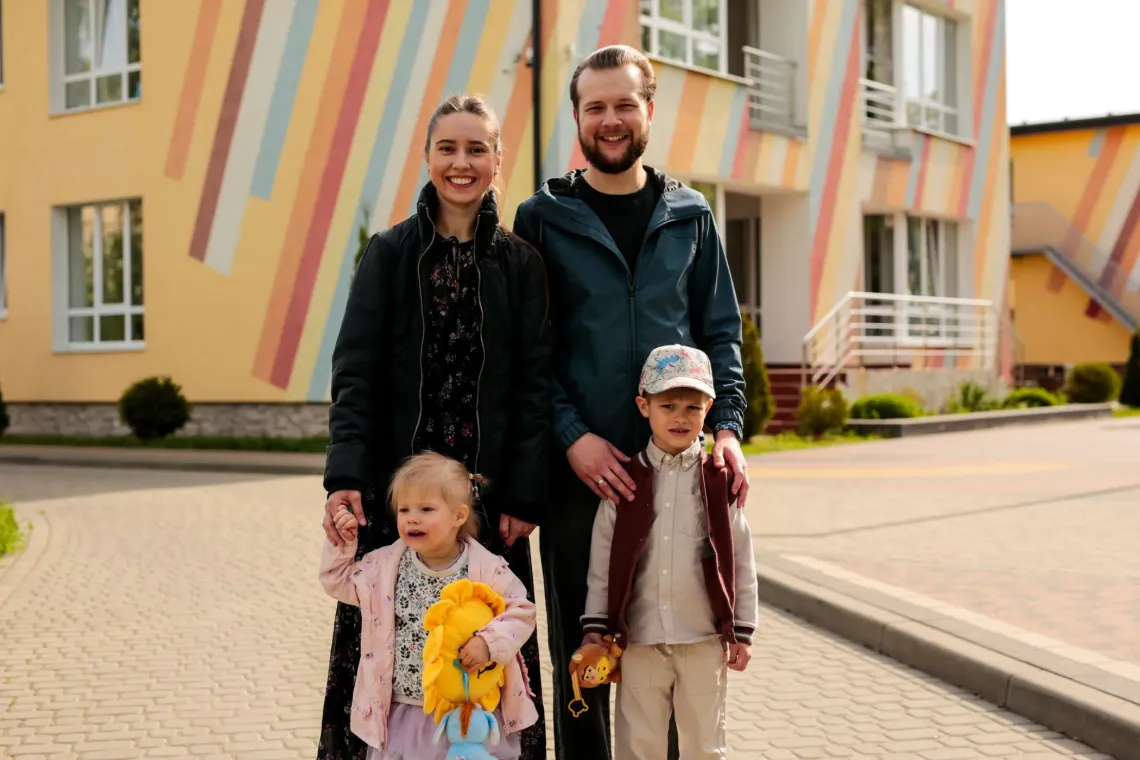
“My husband and I divide responsibilities equally. We both work as doctors and both see patients. But at home, we’re both parents, and the kids need both their mum and dad in their lives.”
When she has a morning shift, her husband takes the children to kindergarten. In the evening, she brings them home.
Iryna believes that, both for women and men, it is important to maintain professional development and to avoid a prolonged career break.
To help women return to the labour market, parents need flexible childcare and preschool education options: 64% of study respondents are interested in part-time kindergartens, 56% in after-hours kindergartens, and 48% in workplace kindergartens.
Researchers estimate that addressing these needs could bring significant economic benefits. With safe infrastructure, more flexible employment options, and retraining programmes for mothers, around 350,000 parents, mostly women, could return to Ukraine’s labour market by 2030.