When health and lives depend on electricity
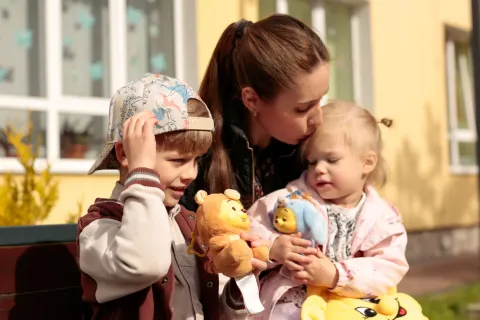
When Kyiv resident Halyna’s newborn son Sasha fell ill during the winter of 2026, his treatment had to be planned not around a doctor’s recommendations, but around the electricity schedule.

- Українська
- English
“It was especially difficult with the inhalation treatments because we had to do them in the middle of the night, at midnight or one in the morning, whenever the electricity came back on. Children this young need a routine, but it was almost impossible to maintain one.”
Halyna is raising two sons: one-year-old Oleksandr and eight-year-old Andrii. During the winter, the consequences of attacks on the capital’s infrastructure left households without electricity for up to 40 consecutive hours. Without power, it was impossible to administer inhalations on time, prepare food for a child, or maintain a proper treatment schedule.
Halyna remembers bringing three-month-old Sasha to the local clinic. Because there was no electricity, the computers and elevators were not functioning.
“You hold a flashlight in your hand and carry your child up the stairs to the right floor. It’s very difficult,” she says.

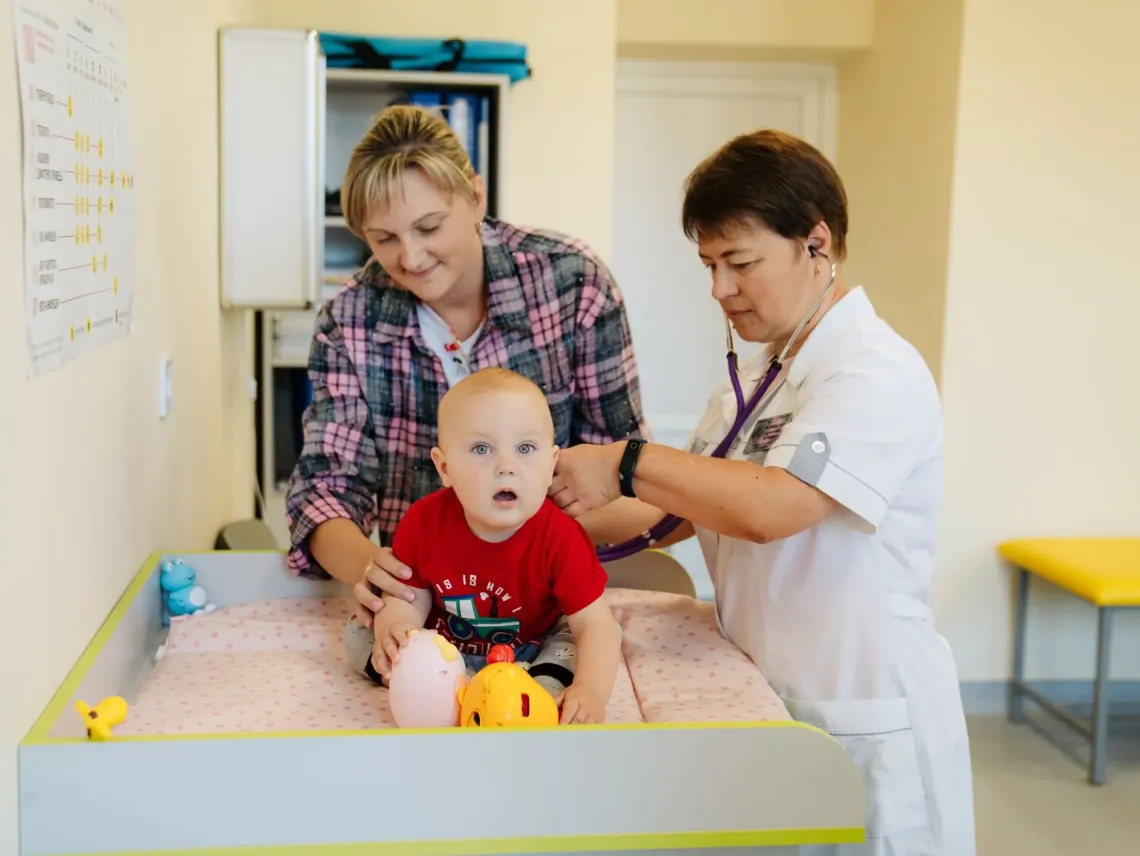

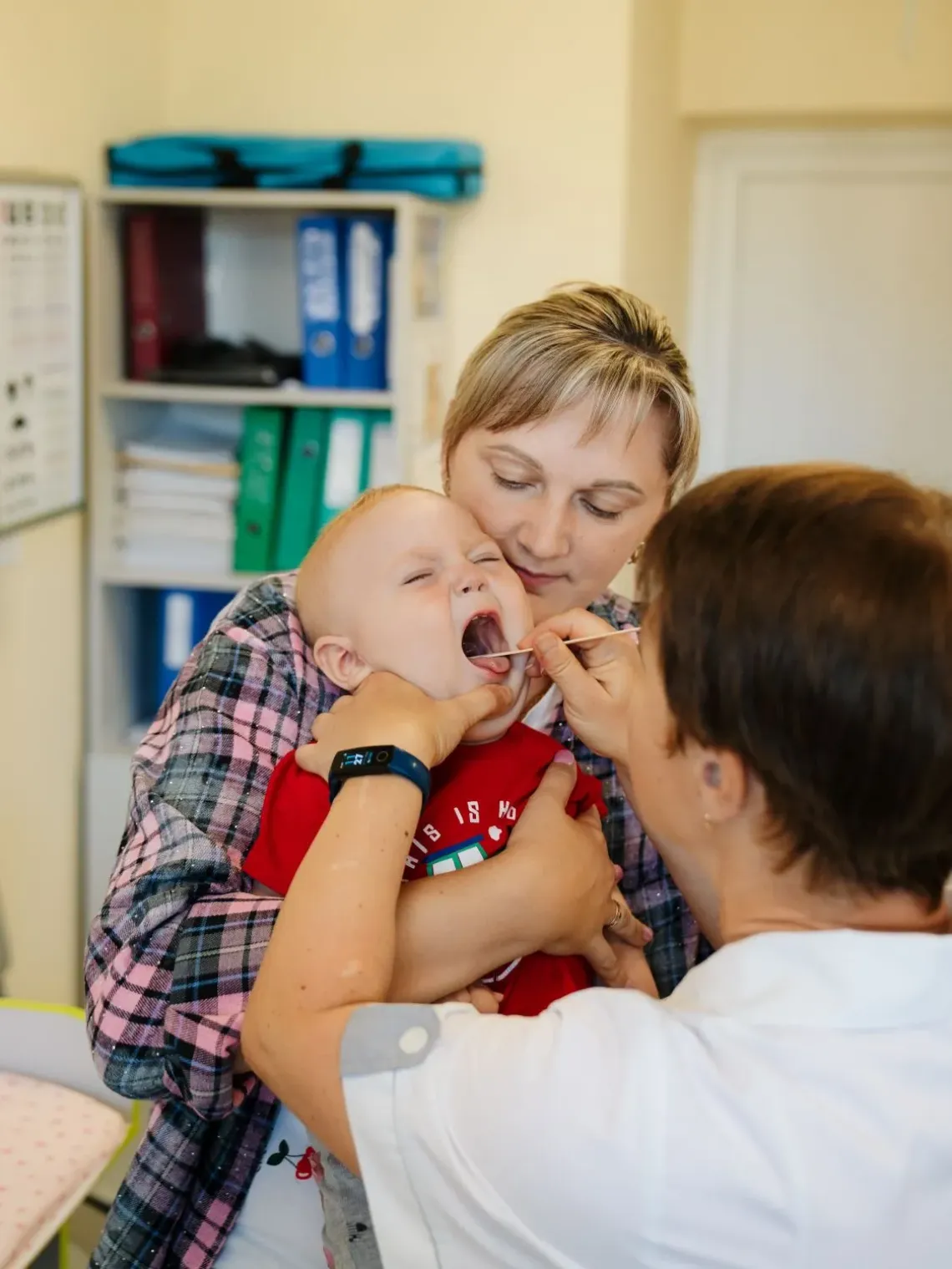


For the healthcare facility that serves Halyna’s family, power outages became a daily challenge. Yaroslava Viktorivna, a paediatrician and head of the outpatient clinic, explains that autumn and winter are traditionally the peak seasons for acute respiratory infections and influenza, when the number of young patients is highest. At the same time, there is year-round demand for vaccinations, breastfeeding consultations, and monitoring of children’s physical and mental development.
That is why a stable electricity supply is critical. During frequent outages, the clinic had to maintain proper storage temperatures for vaccines, keep medical equipment operational, and ensure the functioning of computers and elevators.
“We used generators and charging stations, but that was not enough,” the doctor explains.
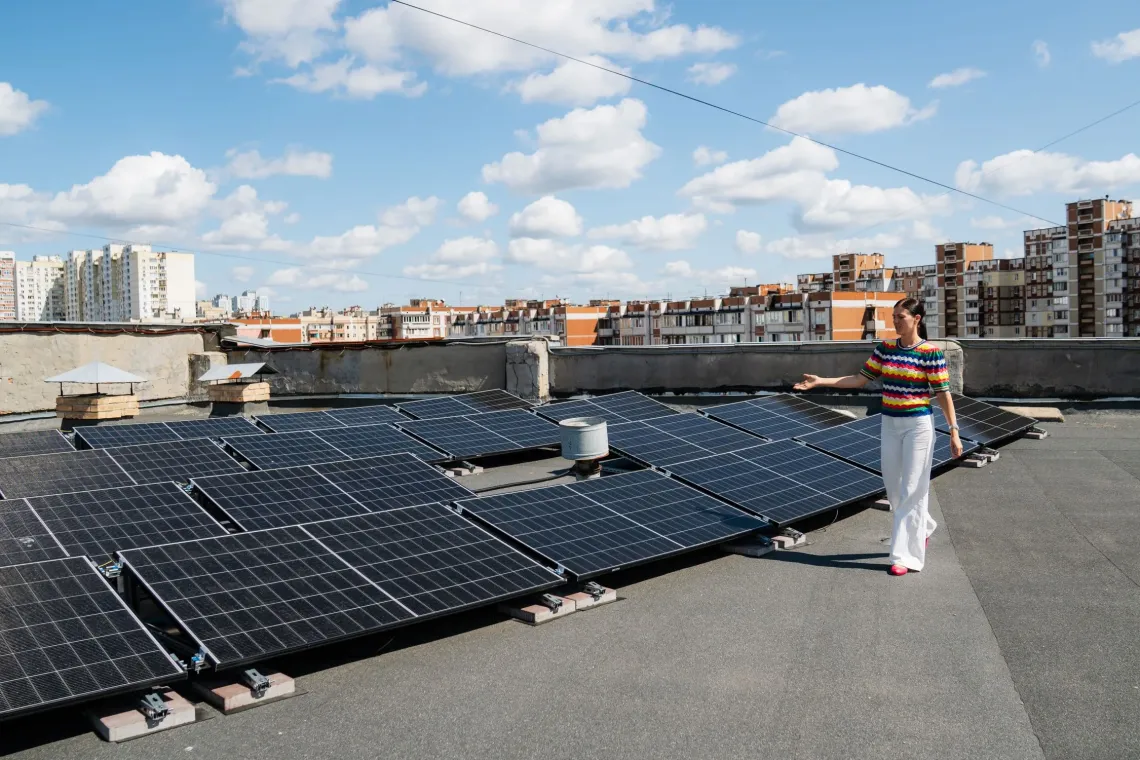
With financial support from the German Federal Ministry for Economic Cooperation and Development (BMZ) through KfW Development Bank, UNICEF installed solar panels at the clinic attended by Halyna and her children, as well as at 38 additional healthcare facilities.
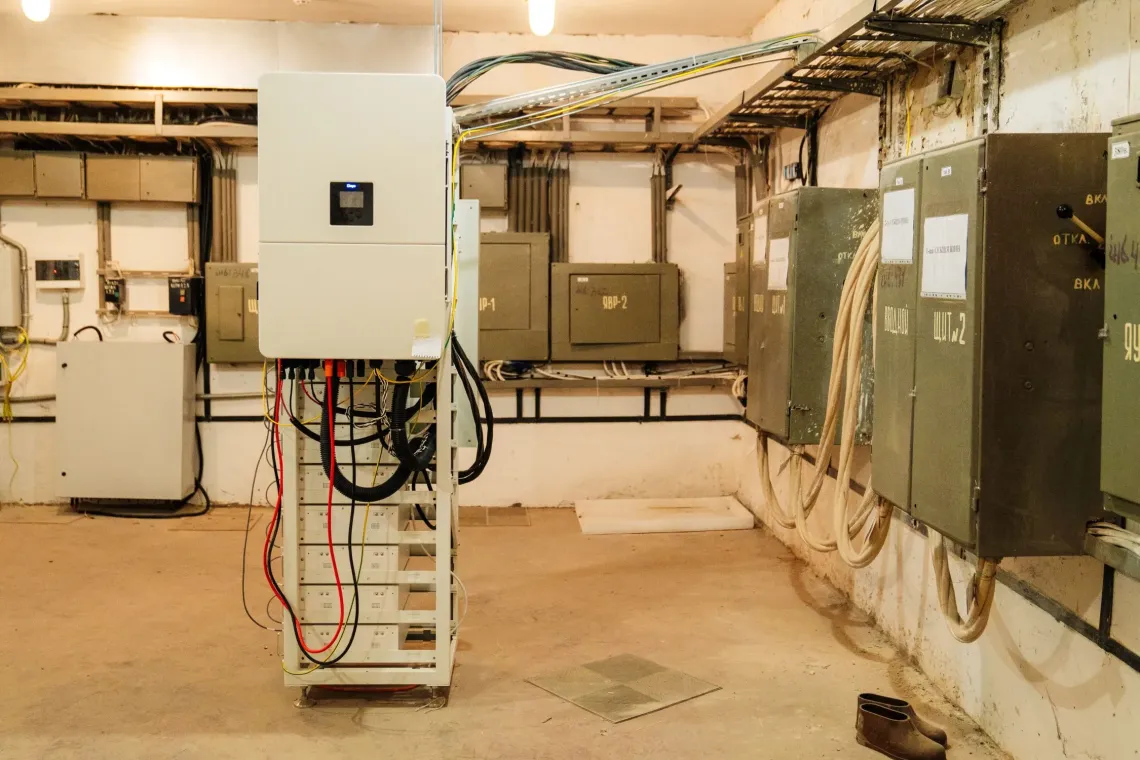
“Now we barely notice power outages,” says the paediatrician. “When the electricity goes out, all our equipment continues to function, our offices remain lit, and the elevators keep working. We can continue using the electronic health system and see patients according to schedule. They do not have to wait long and receive services without interruption.”




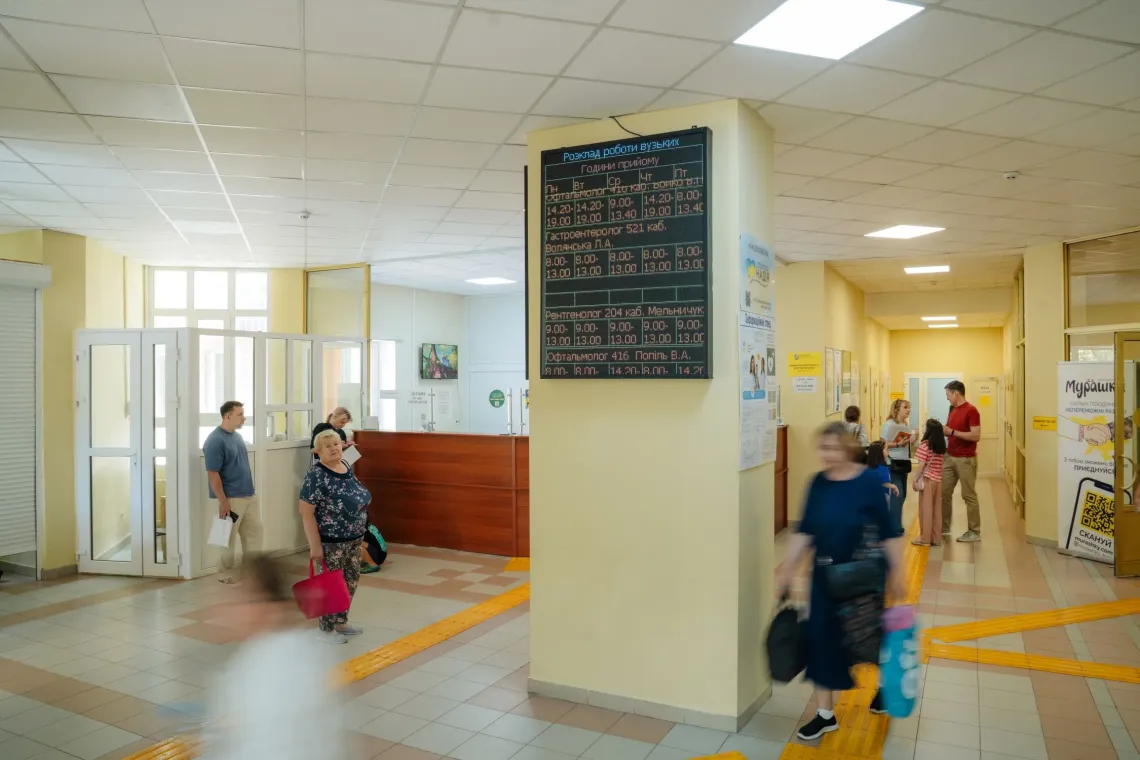
In partnership with the Ministry of Health, UNICEF is implementing a comprehensive programme across Ukraine to strengthen the resilience and energy efficiency of facilities providing essential services, including healthcare for children and families.
As part of efforts to address winter-related challenges in 2025–2026, UNICEF, with financial support from the German Federal Ministry for Economic Cooperation and Development (BMZ) through KfW Development Bank, has made a significant contribution to this work.
The aim is not only to help institutions withstand another difficult winter, but also to strengthen critical systems for the long term.
One of the programme’s key components has been the installation of solar power systems at healthcare facilities. This work is ongoing and is expected to improve reliable access to healthcare services for more than half a million children.
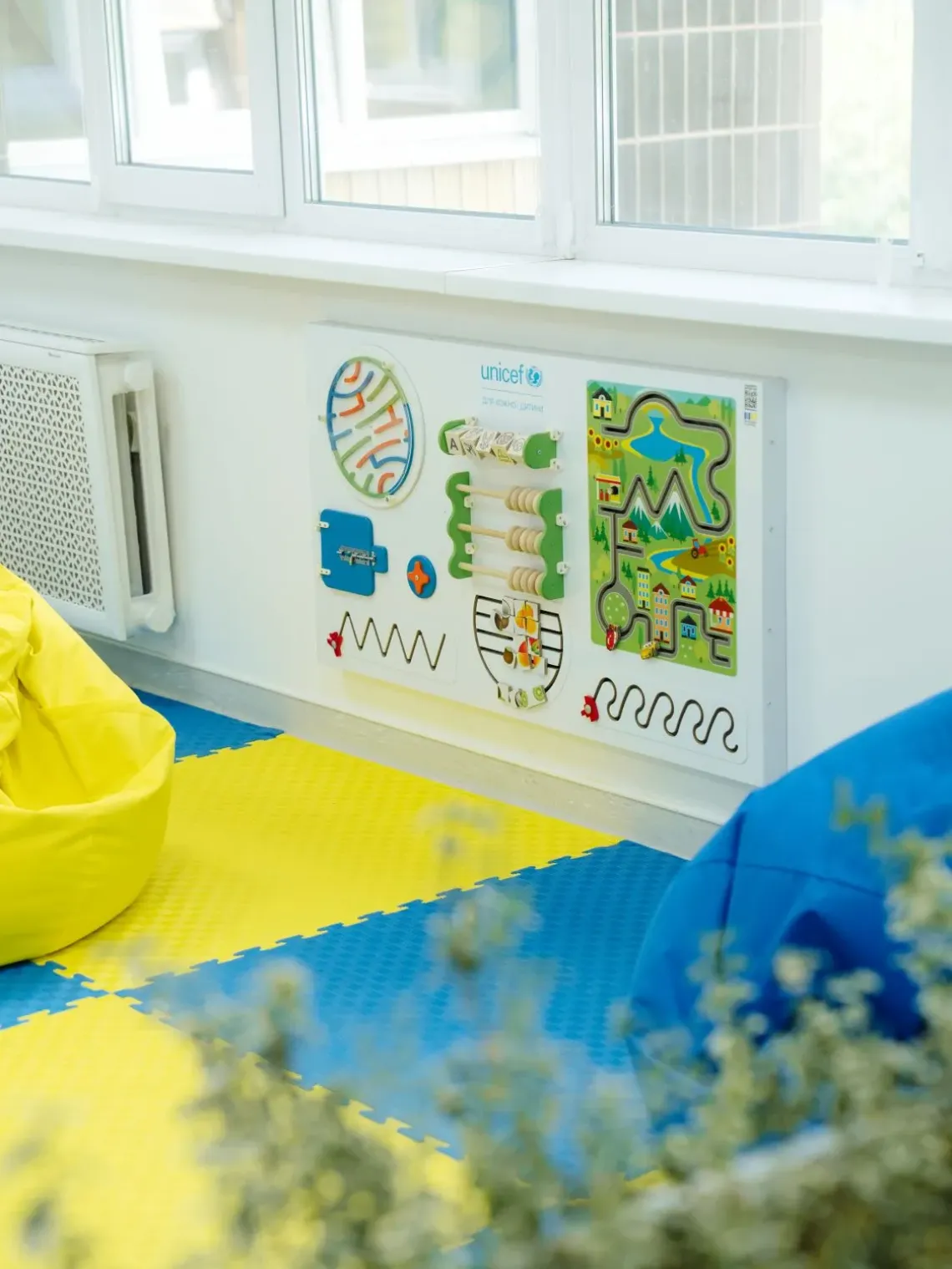
Overall, with financial support from the German Federal Ministry for Economic Cooperation and Development (BMZ) through KfW Development Bank, UNICEF has expanded the national package of Preventive Child Health Examinations (PCHE) and Early Childhood Development (ECD) services by supporting the establishment of 220 Child Care and Development Spaces within primary healthcare facilities.
More than 150 of these spaces have already been fully renovated and equipped, while 70 are currently undergoing renovation, enabling improved services for approximately half a million children and women. In 2025–2026, more than 2,500 healthcare professionals from 200 primary healthcare facilities received training, contributing to the delivery of services for more than 100,000 beneficiaries. In addition, initiatives aimed at strengthening the energy independence of healthcare facilities are being implemented across 10 regions of Ukraine.