Core Resources
The power behind the promise
In 2025, partnerships continued to power UNICEF's mission. At the heart of that effort were Core Resources: UNICEF's most flexible funding source, ready to move wherever and whenever the need was greatest.
The year tested that promise as few before it. Development assistance fell sharply, and children felt the effects almost at once. Core Resources dropped alongside everything else, even though the capacity they fund was the very thing the cuts made most necessary.
Capacity of this kind cannot be bought quickly once a crisis is under way. It is built over years, and it reaches across every sector a child's life touches. In 2025, it kept essential services running and long-term reform on track, even as the funding behind it shrank.
Together with our partners, UNICEF went where others could not and stayed as long as needed. With your support, we are meeting children's needs today and protecting the years that shape everything, for every child, everywhere.
Jump to section
Top partners | About Core Resources | 2025 allocations | Results | Innovation
Recognizing our top partners to Core Resources
In 2025, governments, corporations, foundations and millions of individuals chose to invest in children without conditions. UNICEF thanks every one of them. We recognize in particular the top 30 contributors to Core Resources, whose unrestricted support let us reach children in every region and across every sector, and act the moment the need was greatest.
| PARTNER | USD (MILLIONS) | |
|---|---|---|
| 1 | Japan Committee for UNICEF | 130.0 |
| 2 | German Committee for UNICEF | 80.9 |
| 3 | Korean Committee for UNICEF | 75.5 |
| 4 | Spanish Committee for UNICEF | 75.0 |
| 5 | French Committee for UNICEF | 70.3 |
| 6 | Germany | 63.6 |
| 7 | Sweden | 60.8 |
| 8 | Italian Committee for UNICEF - Foundation ETS | 48.0 |
| 9 | Dutch Committee for UNICEF | 45.1 |
| 10 | Norway | 42.6 |
| 11 | Netherlands (Kingdom of the) | 39.6 |
| 12 | Swedish Committee for UNICEF | 39.3 |
| 13 | United States Fund for UNICEF | 38.9 |
| 14 | United Kingdom | 21.5 |
| 15 | Switzerland | 16.9 |
| 16 | Denmark | 14.2 |
| 17 | Committee for UNICEF Switzerland and Liechtenstein | 14.0 |
| 18 | Polish National Committee for UNICEF | 13.3 |
| 17 | Belgian Committee for UNICEF | 13.2 |
| 19 | Finnish Committee for UNICEF | 12.9 |
| 20 | Republic of Korea (the) | 12.8 |
| 21 | Australia | 12.5 |
| 22 | Canada | 11.9 |
| 23 | Portuguese Committee for UNICEF | 11.8 |
| 24 | Belgium | 11.7 |
| 25 | Japan | 11.1 |
| 26 | Canadian UNICEF Committee | 10.3 |
| 27 | Danish Foundation for UNICEF | 10.3 |
| 28 | Ireland | 9.0 |
| 29 | Hong Kong Committee for UNICEF | 8.5 |
Going the distance
Where Core Resources go
Core Resources are allocated by equity: They go to the countries where children's deprivations run deepest and national systems are least able to respond. In 2025, the funding reached 149 countries and territories, home to 2.1 billion children.
How Core Resources are allocated
Each year, UNICEF allocates Core Resources to its country programmes for children in low- and middle-income countries through a transparent formula, approved by the Executive Board and based on three indicators.
Every country programme receives a fixed minimum of $850,000, with a variable amount on top determined by those indicators.
Driving progress across the SDGs
Core Resources accelerate progress towards 12 of the 17 Sustainable Development Goals. The funding works across the full span of a child's life, from health and learning to protection and the climate they will grow up in.
Why Core Resources matter
They’re more than just flexible funds. They’re the foundation of UNICEF’s global mission. Core Resources accelerate action and allow us to stay longer for every child, everywhere.
This is how Core Resources are making a difference for children today and tomorrow:
Why Core Resources matter
These funds are essential to all our results. Driving both emergency response and long-term reform, they ensure we can protect children now and for the future. Core Resources provide UNICEF with the ability to innovate, convene partners and lead the way in solving complex challenges, often setting new standards for the sector.
With Core Resources, UNICEF stays and delivers in fragile contexts, sustains critical programmes where other funding is scarce, and provides long-term support beyond crises – ensuring continuity, equity and impact for the most vulnerable children.
Beyond quick fixes, Core Resources address the root causes of issues, whether it’s a child out of school, malnourished or unvaccinated. By investing in strong systems, from trained staff and inclusive schools to reliable data and sustainable financing, these funds help build lasting solutions children can depend on.
Global progress in reducing child deaths, improving nutrition and expanding education has been remarkable but remains fragile. Sustained investment through Official Development Assistance and flexible funding is vital to safeguard these achievements while helping countries plan, adapt and respond to emerging challenges.
Core Resources enable our scale, speed and staying power around the world. This funding supports country offices in every region, connecting global expertise to local action. They place technical experts where needed most, helping governments strengthen systems, train frontline workers and improve outcomes for children.
2025 Core Resources in action
A child's life does not divide into sectors, and neither does this funding. Core Resources are spent across all five Goal Areas of UNICEF's 2022-2025 Strategic Plan, reaching a child's health, learning, protection, water and freedom from poverty at once rather than one at a time.
Spending across UNICEF's Strategic Plan
Core Resources reach all seven regions where UNICEF works. In 2025, around 70 per cent went to development programmes and 30 per cent to humanitarian action. The largest share went to sub-Saharan Africa and the least developed countries, where children's deprivations run deepest.
Spending of Core Resources around the world
How we spend Core Resources to achieve results
The majority of Core Resources go to Direct Programmes for children at country, regional and global levels. These flexible funds also support emergency responses, regional technical assistance and global innovation to ensure they reach children through the most effective and scalable channels.
Activating UNICEF's fastest response
In a sudden-onset emergency, the first 48 hours are decisive. Core Resources are the funding UNICEF moves in that window, through a revolving fund called the Emergency Programme Fund (EPF), before donor appeals open or the full scale of the crisis is clear. In 2025, the EPF provided $69.8 million to 25 UNICEF offices, putting financing in country teams' hands at the moment it counted and replenishing as other contributions arrived.
In 2025, EPF recipients included Afghanistan, Angola, Bangladesh, Burundi, Central African Republic, Chad, Democratic Republic of Congo, Ethiopia, Fiji, Haiti, Iran, Iraq, Jamaica, Myanmar, Palestine, Somalia, Sri Lanka, Sudan, Uganda, United Rep. of Tanzania, Venezuela as well as regional offices in Eastern and Southern and Africa, Latin and Central America, Middle East and North Africa, and West and Central Africa.
Leading and pioneering solutions for greater impact
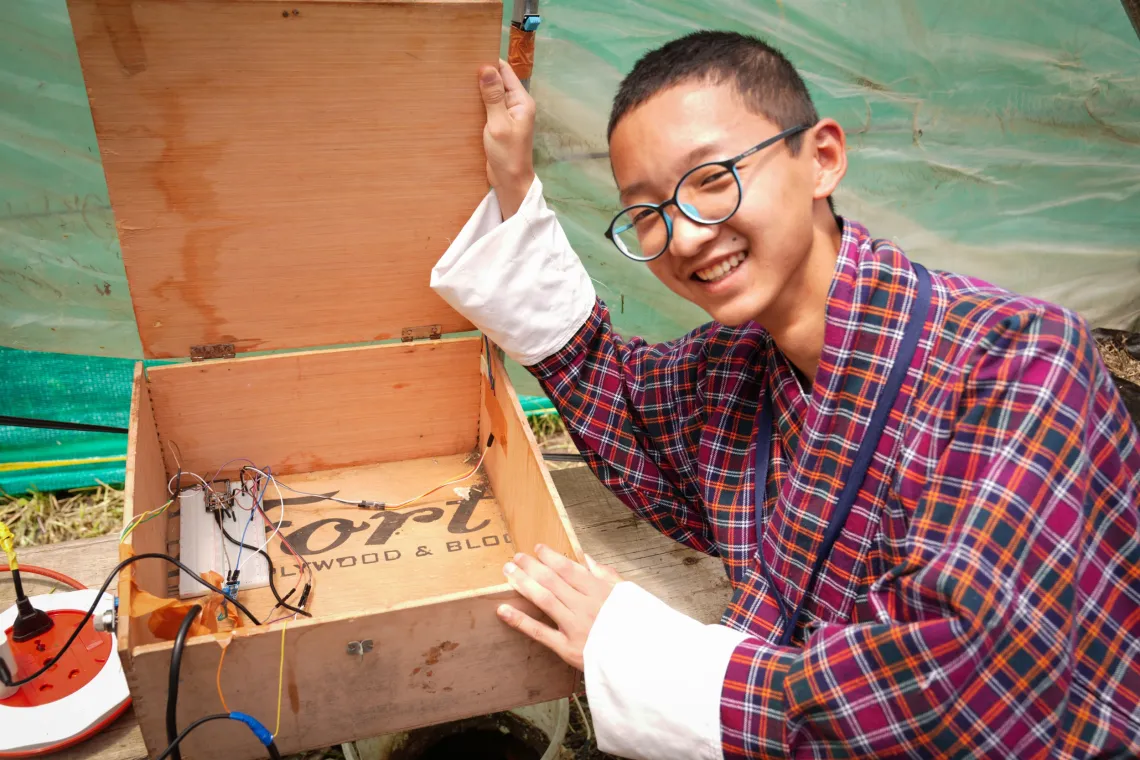
Most funding goes to problems already known. UNICEF's Executive Board sets aside 7 per cent of all Core Resources for something different: the Strategic and Innovative Activities Fund, which backs the early ideas that open new areas of work and build the evidence for what comes next. Through the fund, UNICEF keeps testing what could work better while still paying for what already does.
These are multi-year investments in the pressing, underfunded challenges others tend to overlook, from childhood lead poisoning and HIV prevention for adolescent girls, to girls' secondary education and the questions children are only beginning to face about AI.
Core Resources power cross-cutting solutions

$1.8 million for the joint action plan between UNICEF and the Africa Centres for Disease Control and Prevention, building stronger primary healthcare systems and helping countries prepare for and respond to public health emergencies.

$15 million to roll out UNICEF's Digital Education Strategy in 18 countries, using AI and other digital tools to strengthen education systems and improve how children learn.

$0.5 million to build new evidence on AI and children: which digital skills children will need to thrive in a world shaped by AI, and how to teach them both in and out of the classroom.
Real stories behind the results
Behind the figures is a child whose life changed. The stories here show what unrestricted funding made possible in 2025, from the first hours of an emergency to the years of patient work that follow.
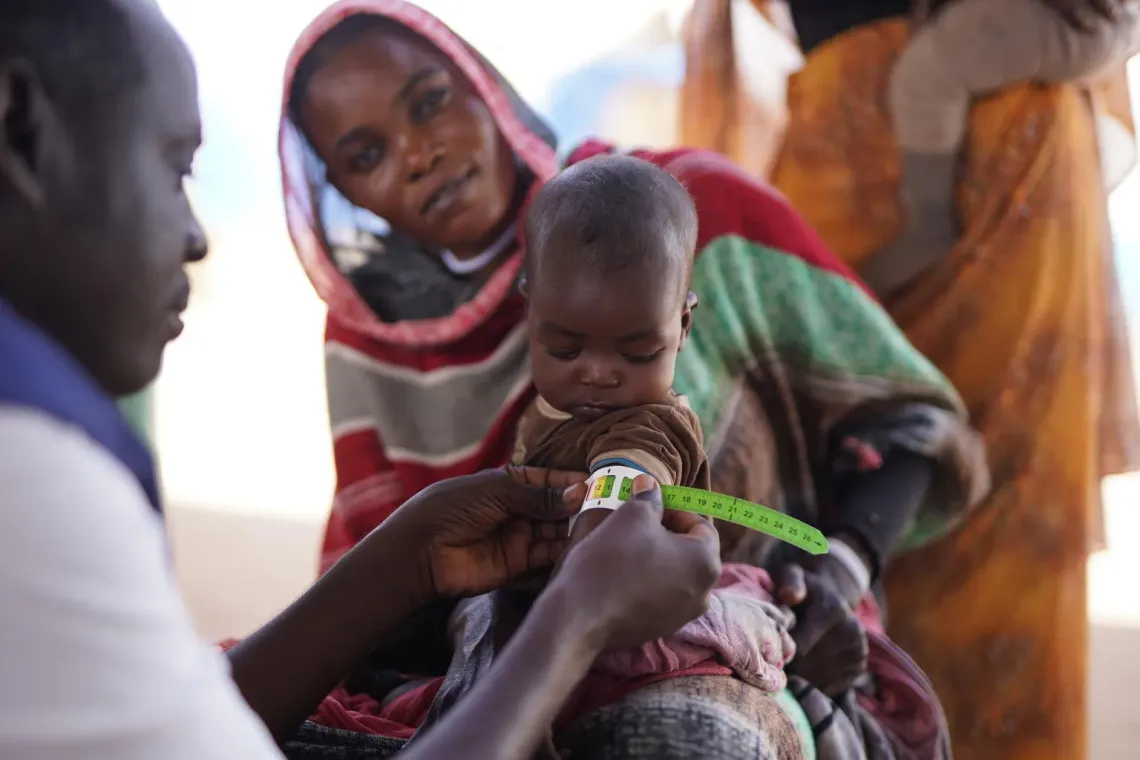
Emergencies: The Sudan
When conflict stripped Darfur and Kordofan of almost every other source of humanitarian funding, Core Resources filled the gap. They screened 720,000 children for acute malnutrition and delivered vitamin A, critical to a child's growth and survival, to 580,000 more.
Scale: Nicaragua
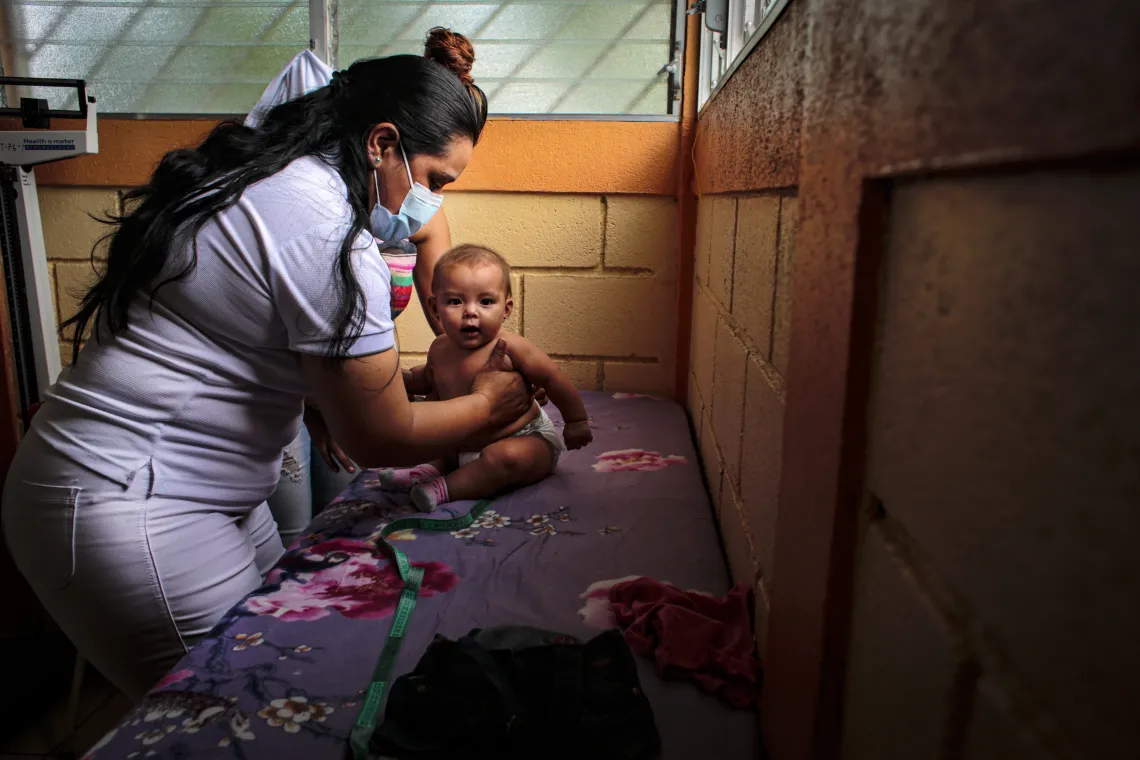
Nearly 15,500 community health workers, trained and equipped through Core Resources, reached 220,000 children with health services in 2025. Coverage for children with disabilities rose by 20 per cent, and child mortality has fallen by 25 per cent since 2020.
Expert staff: Fiji
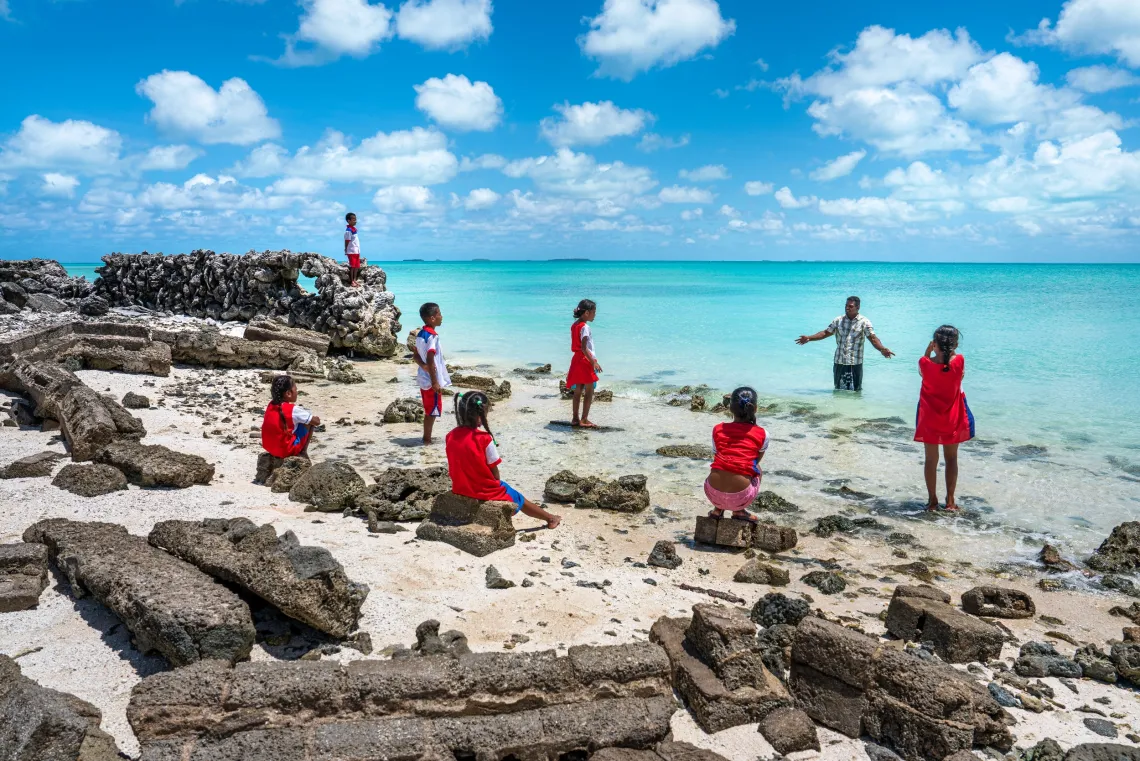
In Fiji, our expert staff – funded through Core Resources – shaped a generation of child protection law. The Childcare, Protection and Child Justice acts raised the minimum age of criminal responsibility from 10 to 14 years, and evidence the funding produced secured a 40-fold increase in the national child protection budget.

Lifecycle: Global
Core Resources have sustained UNICEF's long response to HIV in children and adolescents. With funding through the Strategic and Innovative Activities fund, UNICEF focused on programmes targeting adolescent girls, who now account for most new HIV infections. That work has helped cut new infections by nearly 20 per cent since 2020.
Leading and pioneering: The Syrian Arab Republic
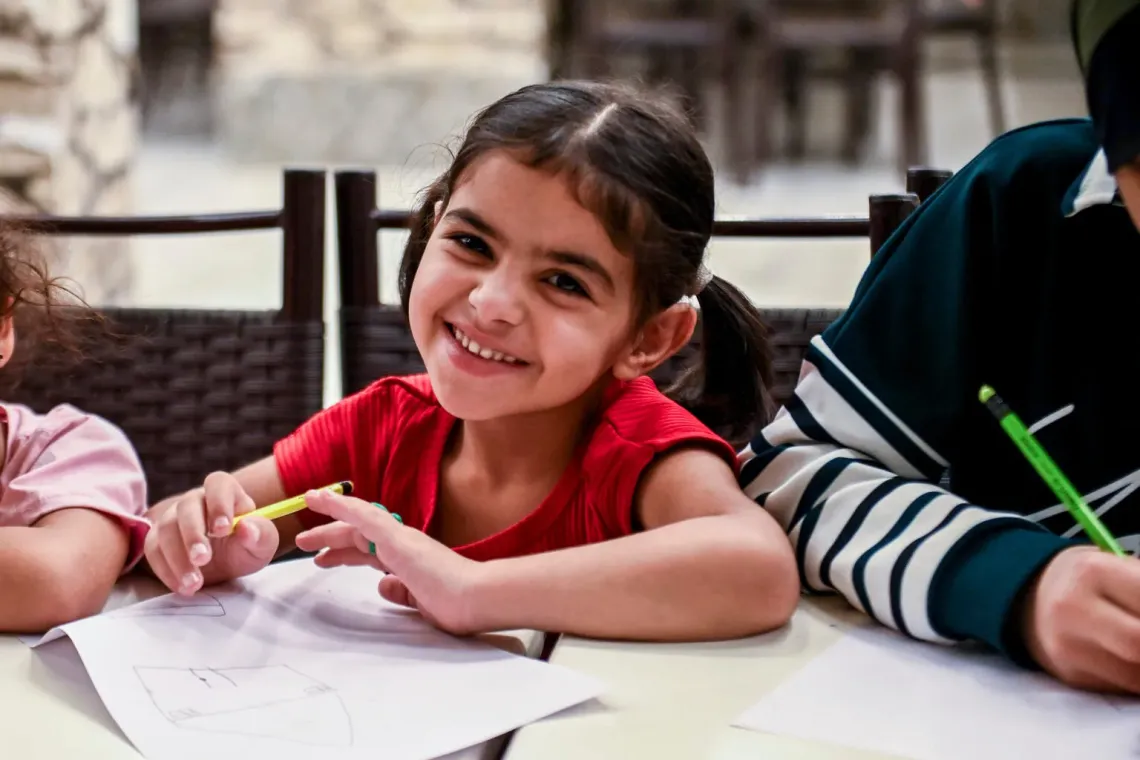
After 14 years without a national school-based needs assessment, Core Resources delivered the data Syria's education system had been missing. They also helped institutionalize Safe Schools across 286 schools in 12 governorates, cutting violence in the classroom and improving the conditions children learn in.
Unrestricted funding, unlimited opportunities
Core Resources are how UNICEF keeps its promise to children: the funding that lets it act early and stay long enough to make its work hold, even in the hardest of times. In 2025, individuals and the private sector gave more flexible funding for children than ever before. The question now is whether governments will meet that momentum.
Core Resources from the public sector fell to their lowest level in nearly two decades. At a moment when the needs of children are accelerating, this is a gap that earmarked funding, however well-intentioned and targeted, cannot fill. The flexibility that children’s lives require cannot be procured project by project.
We ask governments to meet that momentum: to move towards the Funding Compact target of 30 per cent Core Resources as a share of public funding, and to give it without restriction. We urge all donors and partners – across the public and private sectors – to prioritize flexible funding within their overall portfolio of giving to UNICEF. What children need most is a collective commitment to act on the generational horizon. Join us.
UNICEF's strength has always been its partnerships. To invest in Core Resources is to invest in the foundation every other result for children depends on, and in the years of childhood that, once gone, cannot be built again.