Protecting migrant and displaced children
What you need to know about the numbers, causes and rights of children affected by migration and displacement.

Millions of children are on the move, driven from their homes by conflict, poverty, and the escalating impacts of climate change. Whether they are seeking a better life or fleeing violence, far too many encounter danger, detention, and discrimination during their journeys, at their destinations, or upon return. This suffering and exclusion is preventable.
A child is a child, no matter why they leave home, where they come from, where they are, or how they got there.
Every child has the right to protection, care, and the support they need to thrive. UNICEF works globally to ensure these rights are upheld for every child.
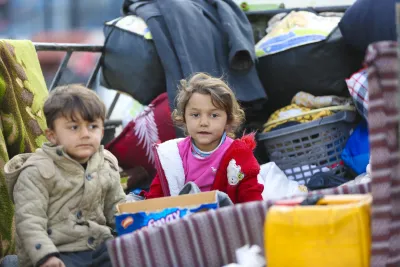
Fast facts about migrant and displaced children:
- 48.7 million children displaced by conflict and violence as of 2024.
- Immigration detention is harmful to a child’s health and development.
- Children have a right not to be separated from their families.
- Every child has the right to legal support, protection and care.
Who are children on the move?
Children who have been directly or indirectly affected by migration and displacement, either internationally across borders or within the same country, are considered children on the move.
This includes migrant children and children of migrants; children in need of international protection, as well as children of refugees and asylum seekers or unaccompanied and separated children; internally displaced children; children indirectly affected by migration and displacement, such as children who stay behind while parents or caregivers migrate; stateless children and child victims of cross-border trafficking.
How many displaced children are there?
The number of children uprooted from their homes has reached an unprecedented scale. By the end of 2024, an estimated 48.7 million children were displaced by conflict and violence, and other human rights violations – a massive surge from 16.3 million in 2010.
This statistic represents millions of children spending their formative years in transit or temporary settlements and underscores the need for the global strengthening of child protection and reception systems. Their status as a child ‘on the move’ must not result in the loss of their fundamental rights as set out in the Convention on the Rights of the Child.
Why are so many migrant children and displaced children on the move?
Children move for diverse and often overlapping reasons. Some are driven from their homes by conflict, poverty, or climate change; others leave in the hope of finding a better life. Whether fleeing war or searching for stability, they may be seeking education, safety, or opportunities unavailable in their places of origin. The decision for families to move is often a matter of survival.
UNICEF recognizes the multi-causal nature of migration and works to address the root causes of movement, ensuring children are protected at every stage of their journey – from their community of origin to their destination.
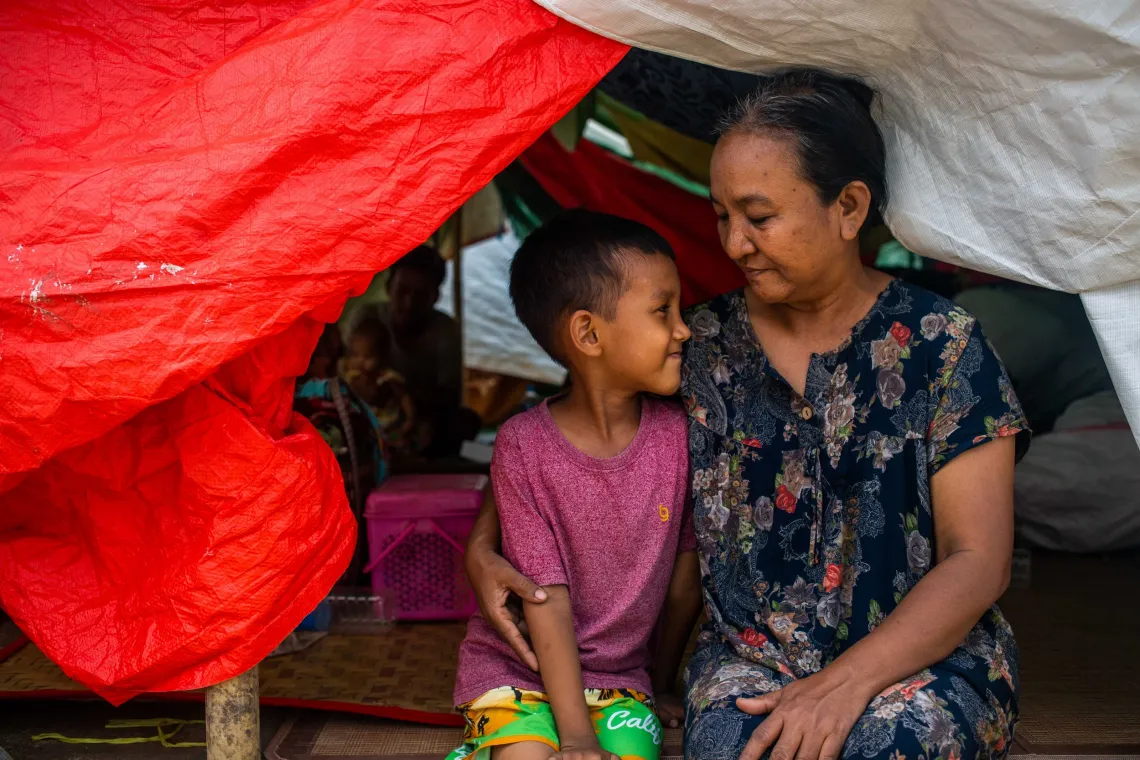
What rights do migrant children and displaced children have?
A child is a child, no matter where they are. Children who flee their home country to another country to seek international protection as refugees have rights enshrined in the Convention on the Rights of the Child and the 1951 Refugee Convention. This includes rights to protection, education, healthcare, legal support, to not be separated from their parents, and to all the support and services they need to thrive. These rights are universal.
UNICEF works to ensure that all children, particularly unaccompanied children, are protected from exploitation and violence. Upholding these rights means ensuring that all migrant and refugee children remain in learning and have access to healthcare and other services they need. We support national and local governments to put in place laws, policies, systems and services that are inclusive of all children and address the specific needs of migrant and displaced children, helping them thrive.
>> Learn more about the Global Refugee Compact and Global Pact for Migration
How does climate change impact children on the move?
Uprooted children are among the most exposed to climate change. Whether in protracted displacement, refugee camps or bustling mega cities, they often lack access to services needed to build resilience against environmental shocks. It’s critical to minimize displacement risks, including by reducing emissions and involving children in resilience-building efforts.
UNICEF advocates for safe migration paths and the integration of uprooted youth into climate action plans – they have critical skills, experiences and ideas and should be partners in shaping solutions. By ensuring access to education and health services, we can help these children adapt to a changing world.
>> Learn more about climate and displacement
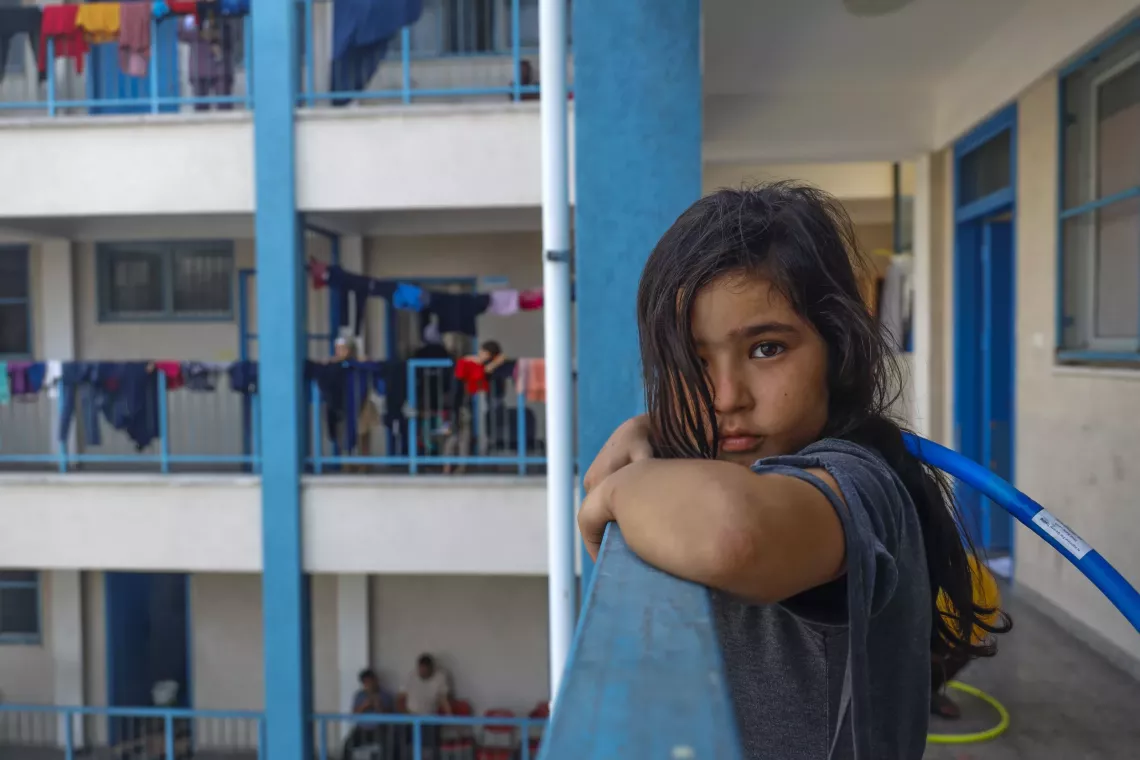
What are the harms of migrant detention for children?
In many regions, children are deprived of their liberty simply for migrating or for reasons tied to ‘national security.’ Often the rights of refugee and migrant children are violated through practices such as immigration detention, family separation, excessive or inappropriate use of force by border and police authorities.
UNICEF maintains that immigration detention is harmful to a child’s health and development. Restrictions on movement hinder natural growth, while inadequate diets may lead to malnutrition. Densely populated facilities increase susceptibility to infectious diseases like tuberculosis. Detained children may also experience distress and mental health issues due to solitary confinement or neglect. And when held with adults, they’re especially vulnerable to violence and abuse.
What alternatives to detention should governments implement?
Regardless of migration status or location, children have the right to remain with their parents or caregivers unless they are not being properly looked after, as established by the Convention on the Rights of the Child.
UNICEF urges States to end child immigration detention and implement non-custodial measures for reception and care. Practical alternatives include community-based accommodations with case management services. Unaccompanied and separated children should be placed in foster care, supervised independent living, family-based arrangements, or community-based arrangements to ensure their well-being.
More broadly, UNICEF supports national and local governments to put in place laws, policies, systems and services that are inclusive of all children and address the specific needs of migrant and displaced children. To help build child-friendly justice systems, UNICEF works in a number of ways including: Encouraging child-sensitive investigations and court procedures, advancing alternatives to pre-trial and post-trial detention, and connecting children with legal services.
>> Learn more about child-friendly justice systems
How can societies combat the discrimination and xenophobia faced by migrant children and refugee children?
Children on the move frequently face significant discrimination, xenophobia, and stigma throughout their journeys. This exclusion is often fueled by misinformation and hate speech, leading to the scapegoating of displaced communities. Such environments harm a child’s mental well-being and can create barriers to accessing essential services.
UNICEF calls on leaders, the media, and the private sector to combat xenophobia. Governments should set up stronger measures to eliminate discrimination and marginalization across services and policies.
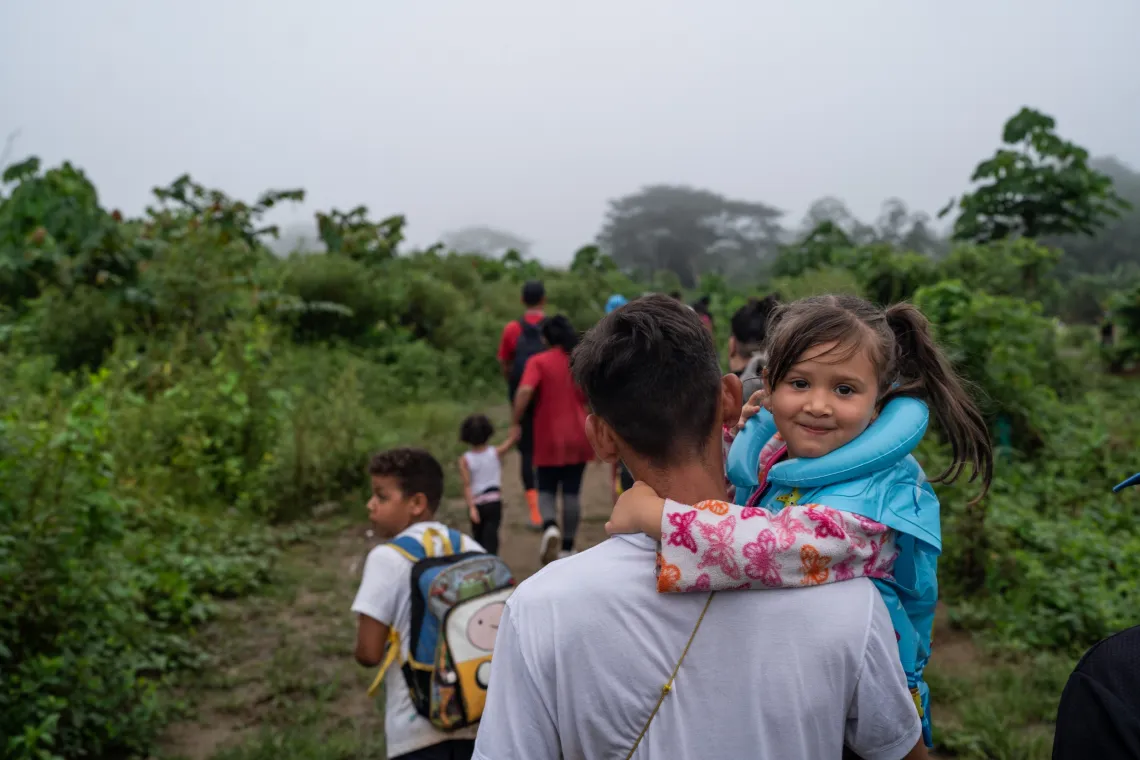
How does UNICEF support children on the move?
UNICEF works around the world to help protect the rights of migrant and displaced children, ensuring they have the support they need to survive and thrive:
- We provide life-saving humanitarian supplies to displaced populations and support national and local governments to put in place laws, policies, systems and services that are inclusive of all children.
- We work to end child immigration detention by helping governments put in place alternative community- and family-based solutions.
- We work to keep families together. By strengthening child protection systems and reception processes, UNICEF ensures that children on the move are provided with the necessary tools to eventually thrive in a safe and stable environment.
UNICEF also supports the Global Compact on Refugees, including its four main objectives: to ease pressures on host countries; increase refugee self-reliance; expand access to resettlement and other solutions; and support conditions in countries of origin for refugees to return in safety and dignity.
Children on the move are children first and foremost. They are entitled to the same rights as every child – and they have hopes, dreams and real potential to contribute to all communities.
Resources and references
- The Global Compact on Refugees
- Convention on the Rights of the Child
- IDAC 10 Facts about Children on the Move
- UNICEF’s Child Protection Strategy
- UNICEF’s Agenda for action for children on the move