Gavi and UNICEF secure lower malaria vaccine price, saving US$50 million for childhood immunization programmes

COPENHAGEN/GENEVA/NEW YORK, 22 October 2026 – An agreement announced today will cut the price of the RTS,S/AS01 malaria vaccine by approximately 40 per cent. The deal, executed by UNICEF and financially backed by Gavi, the Vaccine Alliance, is expected to generate around US$50 million in savings between 2027 and 2029.
As demand for malaria vaccines grows, this could protect up to one million more children with the full four-dose course, or help countries reach more children with other vaccines.
The deal, enabled through an advance payment by the International Finance Facility for Immunisation (IFFIm), will bring the price of the vaccine to EUR 5.50 per dose, a reduction of approximately 40 per cent from the price paid today. The agreement is subject to regulatory and manufacturing milestones – including WHO prequalification of a new manufacturing facility that will enable greater supply capacity – which must be met before UNICEF begins procuring doses.
The lower price, expected to take effect by early 2027, builds on the product transfer of the vaccine’s production to a developing country vaccine manufacturer, and reflects sustained efforts to shape a more sustainable and competitive malaria vaccine market. Greater affordability can support countries to protect more children, while a healthy market – with multiple vaccine options, sufficient manufacturing capacity, and reliable supply – is critical to ensuring long-term access as demand for the vaccine continues to grow.
Demand for malaria vaccines has exceeded initial forecasts since rollout began in 2024. To date, more than 74 million doses have been procured and delivered by UNICEF. The Gavi-funded malaria programme is now part of routine immunization in 25 African countries that bear more than 70 per cent of the global malaria burden. At a time of unprecedented decline in funding for international aid, efforts to create affordable and sustainable supply are critical to meet the Alliance’s target to vaccinate 50 million more children against malaria by 2030.
One child dies from malaria every minute, equating to nearly half a million deaths each year. In 2024, there were an estimated 282 million malaria cases and 610,000 deaths globally – up to 95 per cent of both in Africa – and around 74 per cent of the deaths among children under five.
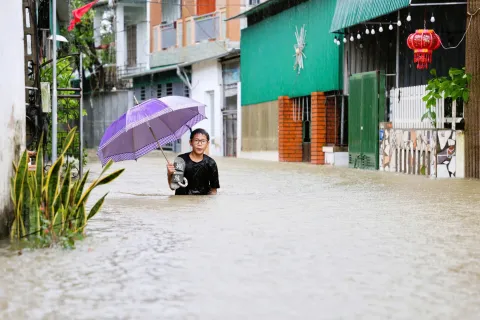
A full immunization course of four doses reduces malaria cases by about 75 per cent when given seasonally in areas of high seasonal transmission. New and improved malaria vaccines will be increasingly important as rising temperatures alter transmission patterns and push malaria into previously inhospitable areas, and as flooding and other extreme events displace communities, damage infrastructure, and disrupt health systems.
Vaccines are one of several malaria interventions, alongside insecticide-treated nets, spatial emanators, repellents, and other vector control interventions, chemoprevention, and prompt diagnosis and treatment.
Quotes
“This agreement is an important step towards protecting more children from malaria by expanding access to life-saving vaccines where they are needed most,” said Leila Pakkala, Director of UNICEF Supply Division. “At the same time, it sends a strong signal in support of continued innovation, helping to advance the development of next-generation vaccines that can further reduce the burden of malaria for future generations.”
“Today’s announcement is a powerful example of what the Vaccine Alliance does best: bringing together financing, technical expertise and strategic partnerships to shape healthier vaccine markets and expand access for the children who need vaccines most,” said An Vermeersch, Gavi’s Chief Vaccine Programmes & Markets Officer.
“Impact is at the heart of IFFIm’s mission. As we mark twenty years of helping expand access to life-saving vaccines, this transaction demonstrates the continued relevance of IFFIm’s model,” said Georgina Baker, IFFIm Board chair. “We were created to accelerate vaccine access, increase availability, and help lower costs so that more children can be protected sooner. By helping secure lower prices for RTS, S/ AS01 malaria vaccines, and working alongside Gavi and UNICEF, we can maximise our collective impact and help ensure that more children are protected from malaria.”
#####
Notes to Editors:
About Gavi and UNICEF’s market shaping efforts: UNICEF is the world’s largest buyer of vaccines, delivering more than three billion doses of vaccine every year, enough to vaccinate almost half of the world’s children. Over more than 25 years, Gavi has facilitated the procurement, logistics, market shaping and integration of vaccines into national immunization programmes in lower income countries and helped keep the world safe from infectious disease outbreaks. As Alliance partners, Gavi and UNICEF work together to foster the healthy markets that are a prerequisite for a secure and sustainable global supply of life-saving vaccines for children. This includes creating and scaling demand for vaccines, enabling countries to introduce vaccination into national immunization programmes, and manufacturers to invest in expanded supply.
About malaria vaccines:
- WHO has prequalified two malaria vaccines to date: RTS,S/AS01 (the world’s first WHO-prequalified malaria vaccine and developed by GSK, PATH and partners, and now being transferred from GSK to Bharat Biotech for future supply) and R21/Matrix-M™ (co-developed by the University of Oxford and Serum Institute of India, leveraging Novavax’s Matrix-M™ adjuvant technology).
- Both vaccines are prequalified and recommended by WHO to prevent malaria in children and are safe and effective.
- In phase 3 clinical trials, both vaccines reduced malaria cases by more than half during the first year after vaccination, a period when children are at high risk of illness and death. A fourth dose given in the second year of life prolonged protection.
Media contacts
About UNICEF
UNICEF, the United Nations agency for children, works to protect the rights of every child, everywhere, especially the most disadvantaged children and in the toughest places to reach. Across more than 190 countries and territories, we do whatever it takes to help children survive, thrive, and fulfil their potential.
Follow UNICEF on X, Facebook, Instagram and YouTube
About Gavi, the Vaccine Alliance
Gavi, the Vaccine Alliance is a public-private partnership that helps vaccinate more than half the world’s children against some of the world’s deadliest diseases. The Vaccine Alliance brings together developing country and donor governments, the World Health Organization, UNICEF, the World Bank, the vaccine industry, technical agencies, civil society, the Gates Foundation and other private sector partners. View the full list of donor governments and other leading organisations that fund Gavi’s work here.
Since its inception in 2000, Gavi has helped to immunise a whole generation – over 1.2 billion children – and prevented more than 20.6 million future deaths, helping to halve child mortality in 78 lower‑income countries. Gavi also plays a key role in improving global health security by supporting health systems as well as funding global stockpiles for Ebola, cholera, meningococcal and yellow fever vaccines. After two decades of progress, Gavi is now focused on protecting the next generation, above all the zero-dose children who have not received even a single vaccine shot. The Vaccine Alliance employs innovative finance and the latest technology – from drones to biometrics – to save lives, prevent outbreaks before they can spread and help countries on the road to self-sufficiency.
Learn more at www.gavi.org and connect with us on Bluesky, Facebook, Instagram, LinkedIn, TikTok, X and YouTube.
About IFFIm
The International Finance Facility for Immunisation (IFFIm) was initiated in 2006 to rapidly accelerate the availability and predictability of funds for immunisation. IFFIm uses government pledges to support the issuance of vaccine bonds sold to institutional and individual investors. The money supports vaccine programmes of Gavi, the Vaccine Alliance, a public-private partnership that works to save children’s lives and protect people’s health by increasing access to immunisation in developing countries. The World Bank is IFFIm’s treasury manager. IFFIm’s donors comprise Australia, Brazil, Canada, France, Italy, the Netherlands, Norway, South Africa, Spain, Sweden, and the United Kingdom. https://iffim.org/