Early moments shattered in Sudan
The first 1,000 days of life are critical to a child’s development. Two years of war have devastated this life-setting period.
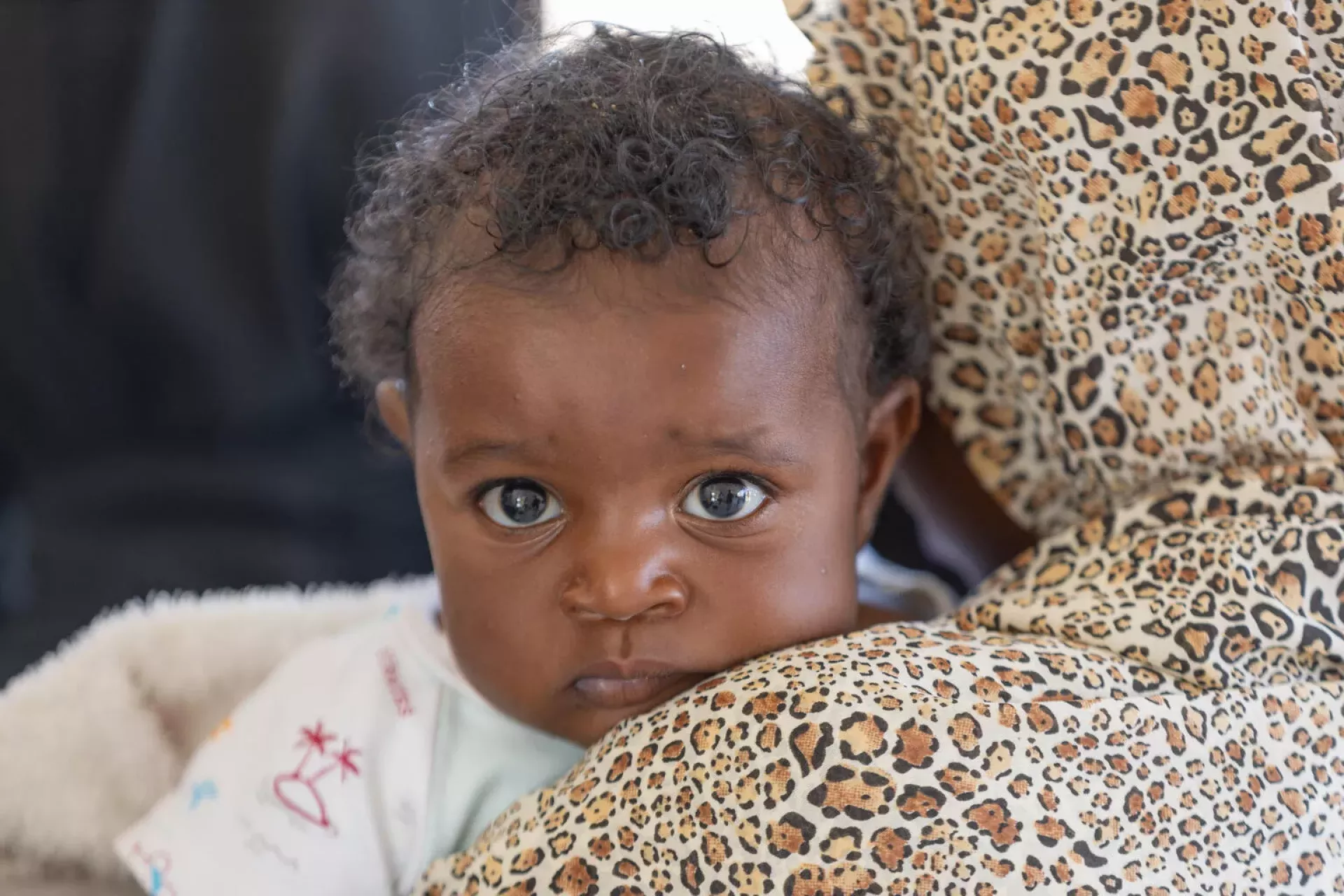
Early childhood offers a critical window of opportunity, laying the foundations for health and well-being for a lifetime. This period – between a woman’s pregnancy and her child’s second birthday – has an enormous impact on a child’s brain, health, their ability to learn in school and their prospects in adulthood. It is not just about whether a child will survive, but also their ability to thrive later in life and contribute to their community’s long-term health, stability and prosperity.
Yet for many children in Sudan, these crucial early moments of life have been overshadowed by two years of conflict and violence. Displacement on a massive scale, limited and disrupted access to basic services, disease outbreaks and worsening food and water security threaten millions of children and pregnant and breastfeeding women in Sudan. The impact of this upheaval and loss will reverberate for generations to come.
Good health is born before birth
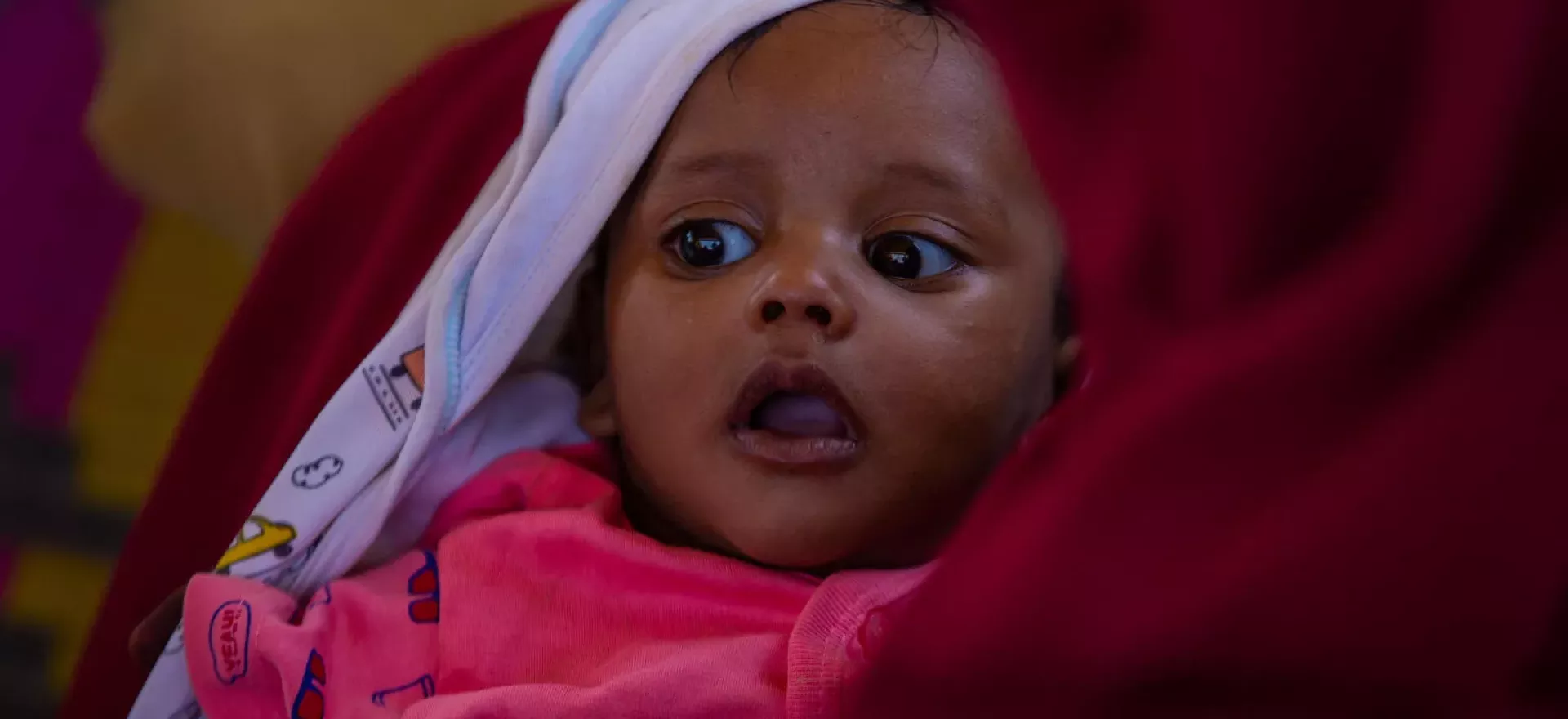
A mother’s health and nutrition directly affect her baby’s well-being.
UNICEF/UNI528950/Elfatih
A well-nourished mother is more likely to have well-nourished infants and young children who can join her on a path to good health and prosperity.
In contrast, poor maternal nutrition can have debilitating and even fatal consequences for children, impairing foetal growth and contributing to low birthweight. Daughters of undernourished mothers are also more likely to become undernourished mothers themselves, rotating the cycle of malnutrition to the next generation.
Even before conflict erupted in April 2023, the nutritional situation in Sudan was grave. But two years of war have contributed to a worsening food crisis that has left millions of children and their families facing acute food insecurity. Disrupted markets, damaged infrastructure and poor harvests have made food unaffordable for most people, pushing malnutrition in the country to critical levels.
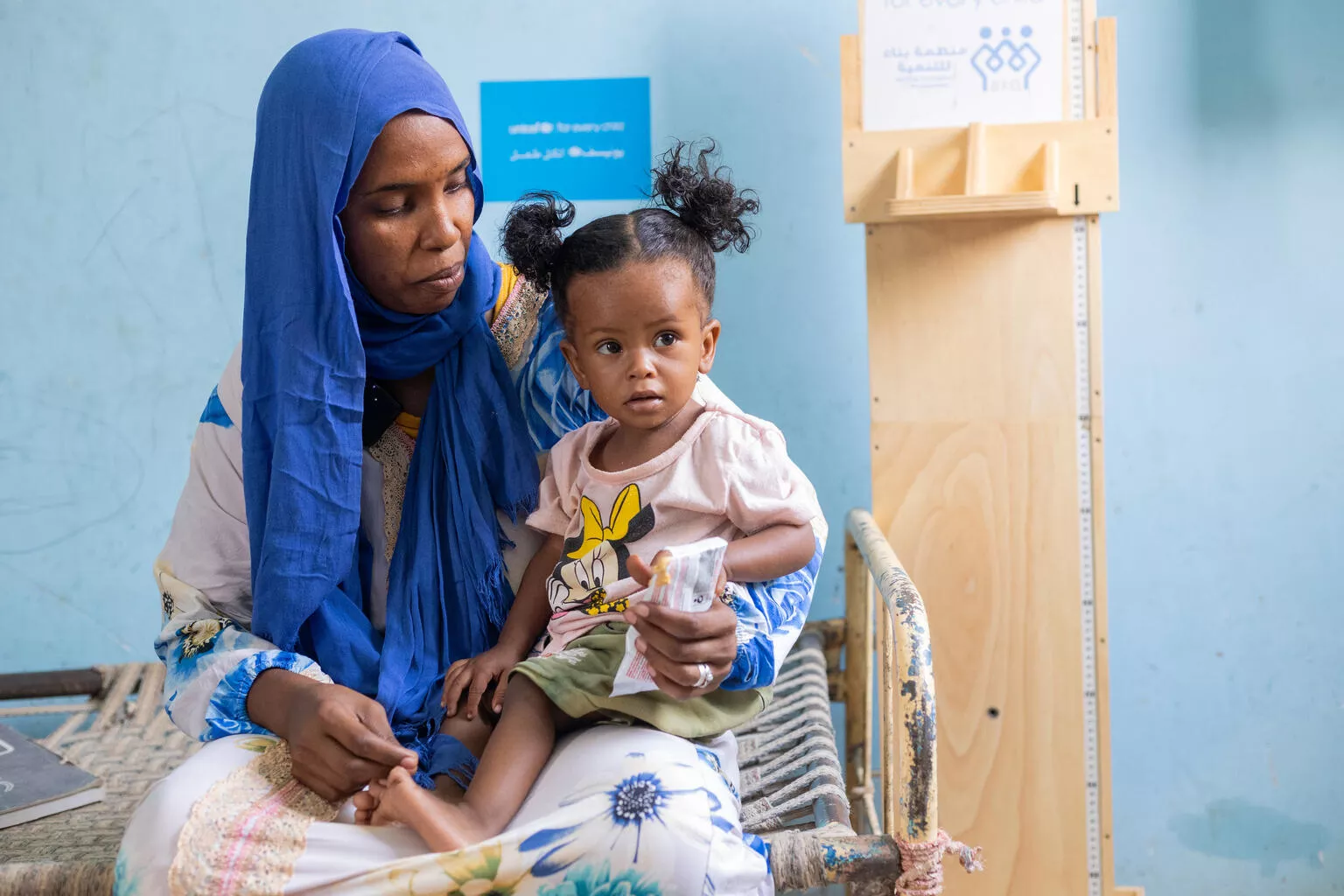
Displaced children are particularly vulnerable to malnutrition – accessing nutritious food is even more challenging on the move, and even when they find shelter they are frequently cut off from reliable access to services.

UNICEF/UNI638945/Elfatih
“When I brought my daughter here, she was very sick,” says Amal, who was displaced from Khartoum, Sudan’s capital.
“Her body was weak, and her eyes looked tired.”
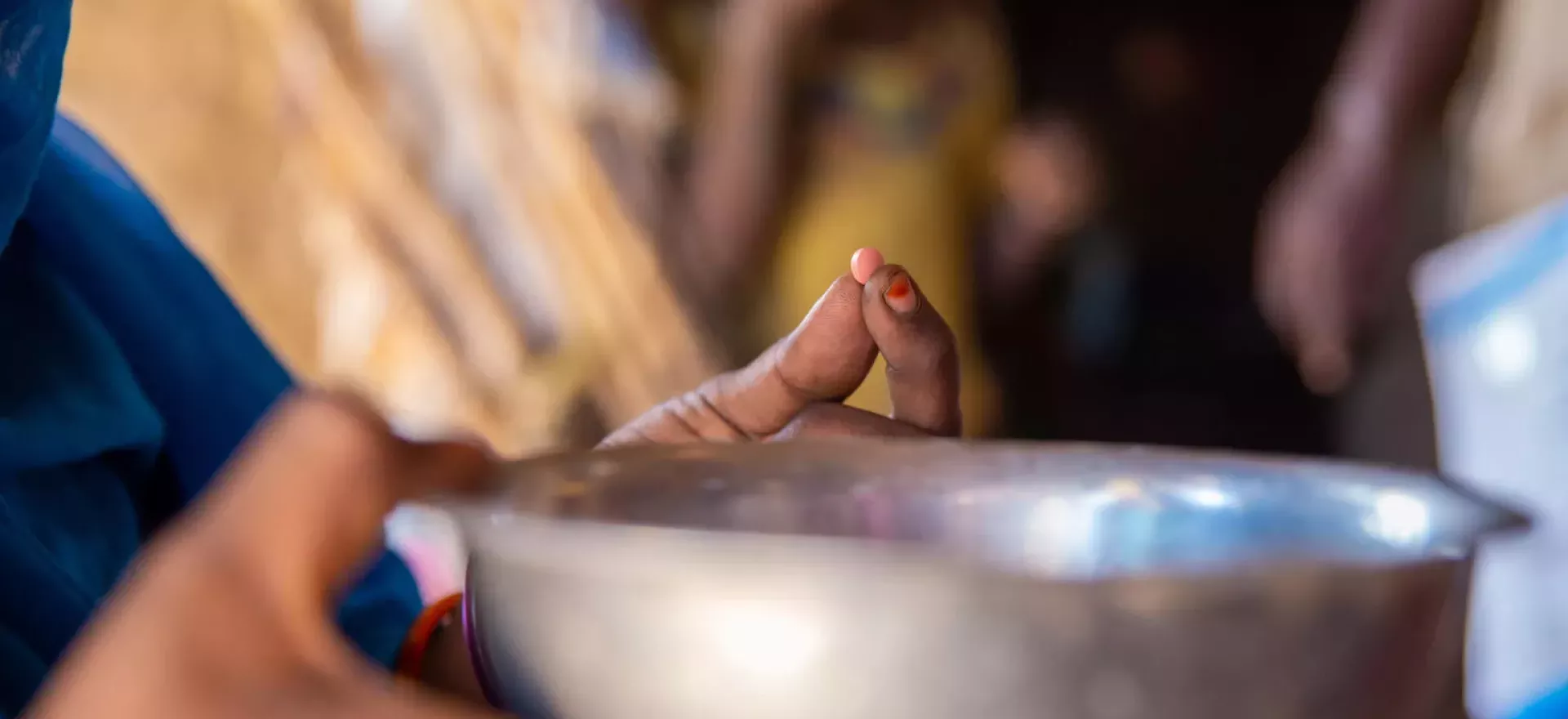
To help support pregnant mothers’ health, and the health of their unborn children, UNICEF works closely with partners through health facilities, mobile teams and community campaigns to provide preventative care, including providing nutrition screenings and distributing supplements.
UNICEF/UNI707437/Rajab
In 2024, around 450,000 pregnant women in Sudan received iron-folic acid supplements to help prevent maternal anaemia – essential for the health of mothers and their babies.
Working with partners, UNICEF also supports Mother and Child Cash Transfer Plus, an integrated social protection programme that provides vulnerable pregnant women and lactating mothers with regular unconditional cash assistance as well essential information and access to basic health, nutrition, and protection services.
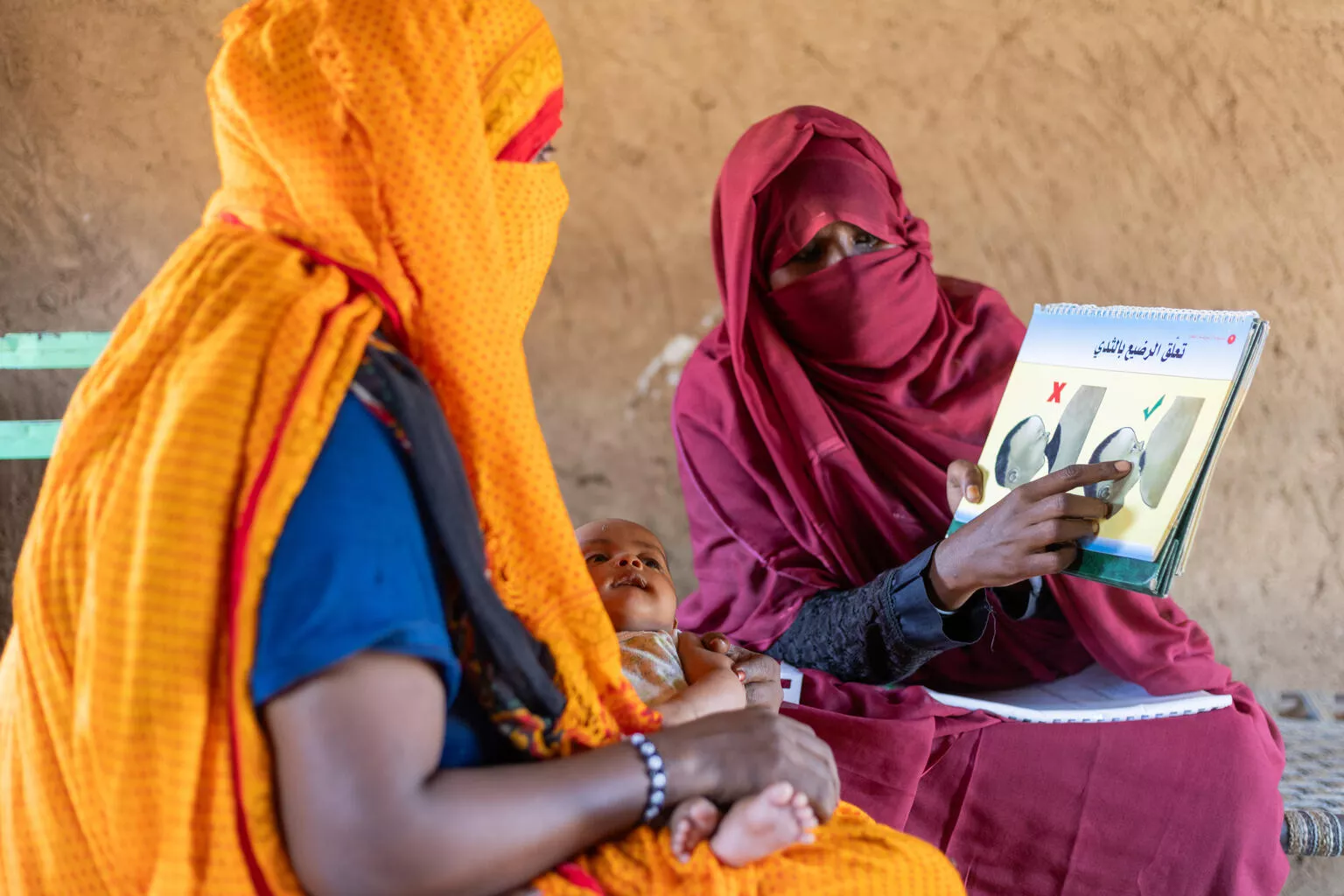
In addition, UNICEF and partners help to bring together support groups to empower mothers and caregivers with knowledge on infant and young child feeding practices, promote healthy diets and encourage exclusive breastfeeding. Breastfeeding is of critical importance to a child’s well-being, providing the first and best protection they have against illness, disease and death.
As part of the mother support groups initiative, mothers gather to discuss some of the biggest challenges in their communities, including malnutrition and poor hygiene. They also receive and share guidance on proper feeding practices, including positioning and attachment whilst breastfeeding.


UNICEF/UNI705438/Elfatih
Fatima, a member of a support group in Fiedaeb village, Kassala state, says that there used to be a lack of awareness around good nutritional practices such as ensuring diverse diets. But she says that the education sessions have had a noticeable impact.
“Since we started the education sessions for mothers, the children are healthier, and the numbers of malnourished children has reduced.”
Under the initiative, mothers are tasked with training at least 10 other mothers in the community on feeding practices using readily available foodstuff in the households, home gardens and, for those who can afford it, from local markets. Mothers are also equipped with the skills, seeds and tools to start vegetable gardens in their homes.

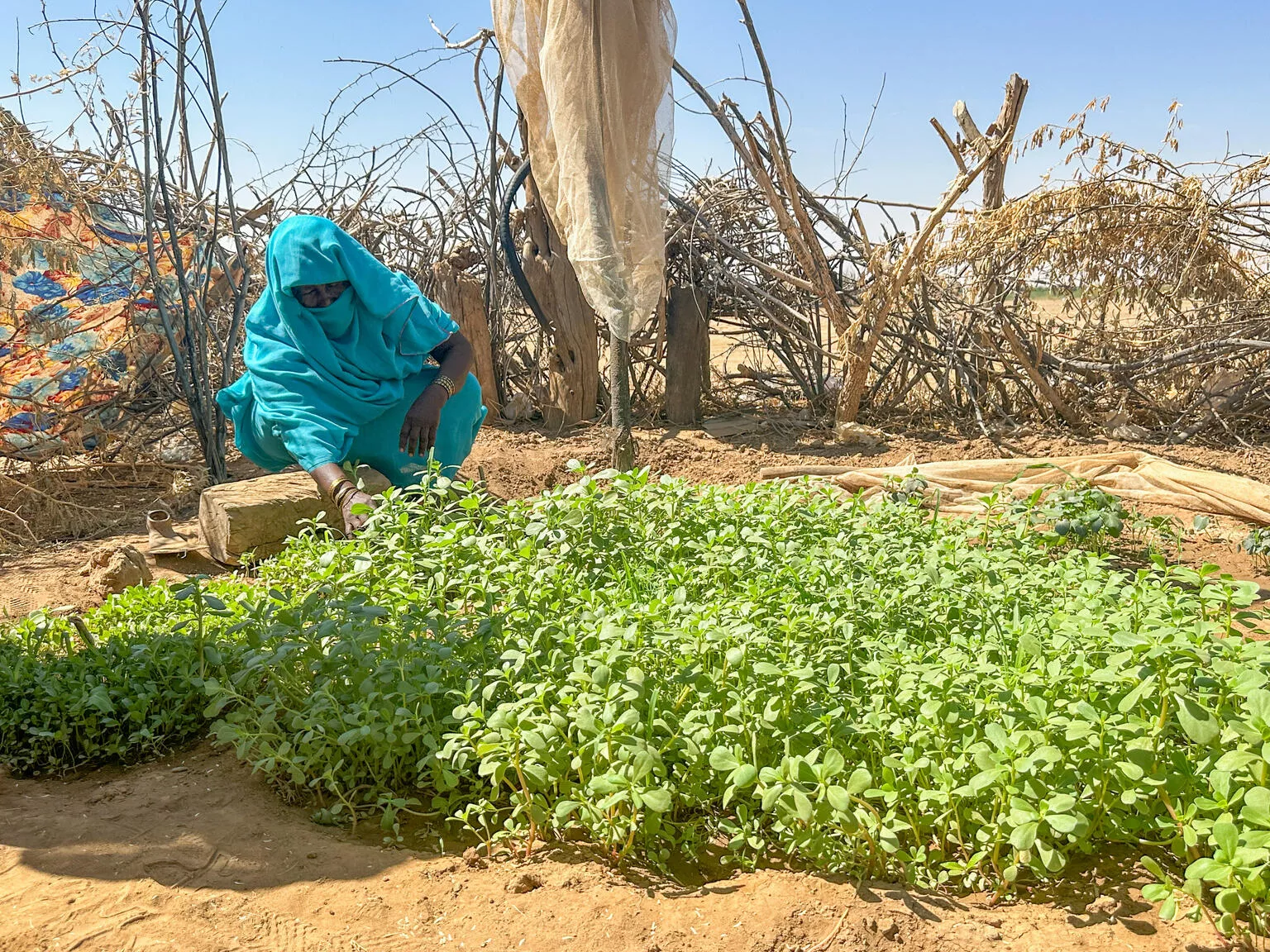

UNICEF/UNI731508/Nakibuuka
“It has been really good – we can access food anytime,” one mother says of her home garden in Fiedaeb village.
“And it’s safer for us because we don’t have to travel to the market.”
Still, two years into the war, Sudan faces an unprecedented nutrition crisis with millions of young lives hanging in the balance. More than 770,000 children under five are likely to suffer from severe acute malnutrition in 2025, driven by worsening food insecurity and conflict-related disruptions.
Children with severe acute malnutrition are too thin and their immune systems are weak, leaving them vulnerable to developmental delays, disease and death. This unfolding catastrophe has been compounded by disease outbreaks, deteriorating access to services like health and sanitation and the world’s largest displacement crisis.
In response to the emergency, UNICEF has scaled up nutrition interventions, including supporting the treatment of hundreds of thousands of children for severe acute malnutrition, delivering cartons of ready-to-use therapeutic food and providing preventive care such as vitamin A supplementation for millions of children.
“We came to the clinic here and they gave us a feeding schedule and transferred us to the hospital,” explains Rasha, who sought medical care for her son Omer.
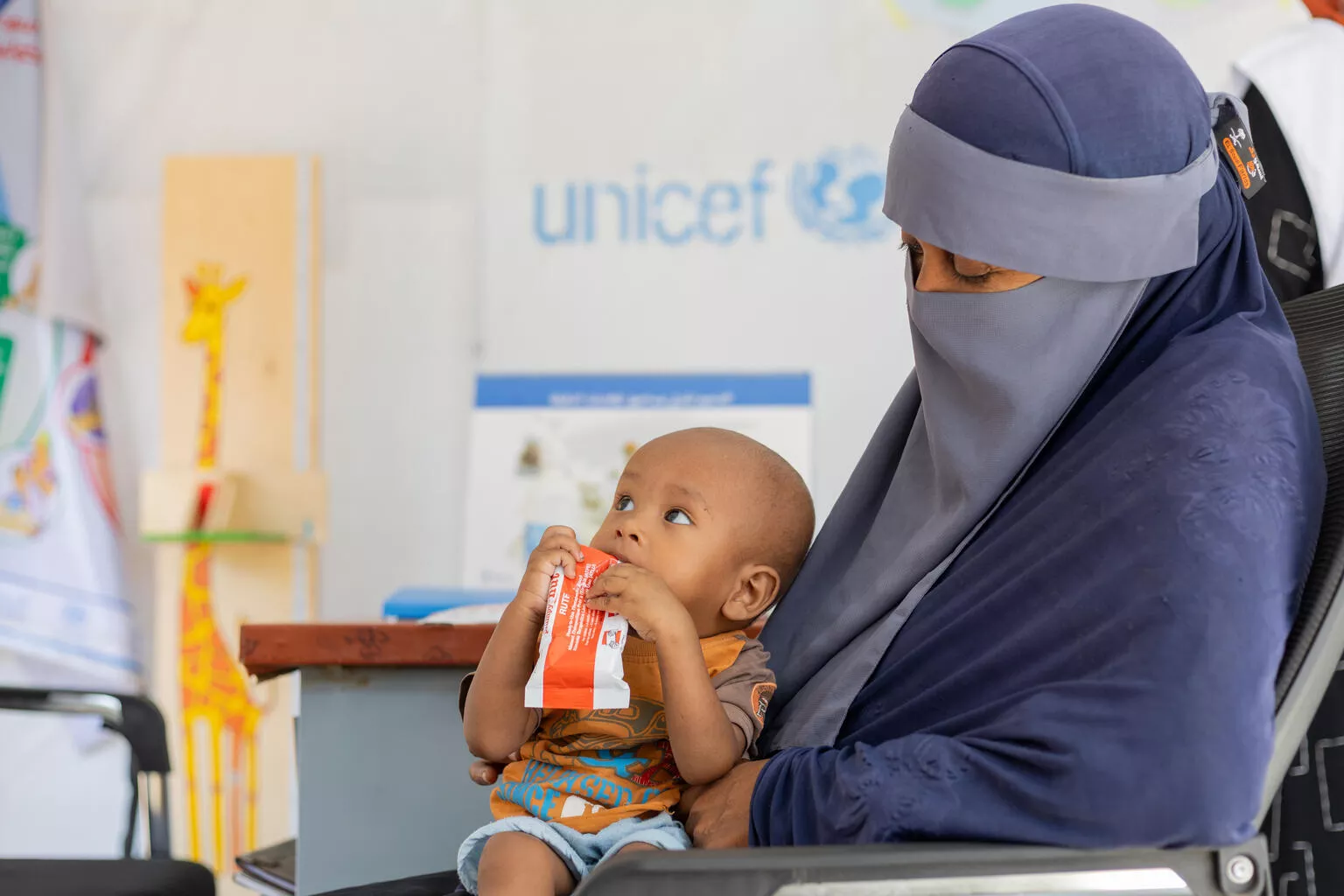

UNICEF/UNI689271/Elfatih
“After 12 days, his condition improved, but we continue to follow up with the doctor,” Rasha says.
“Every time she weighs him, he’s making progress and provided with more nutrition supplements.”
But while the delivery of therapeutic food, water and medicine can help stop this deadly malnutrition crisis, UNICEF and partners need safe, sustained, and unimpeded access to reach the most vulnerable children and save lives.
Water under fire
Malnutrition and poor water, sanitation and hygiene access are inextricably linked. Consuming contaminated water can be deadly for children – water and sanitation-related diseases remain among the leading causes of death in children under five.
As infrastructure in Sudan has come under direct or indirect attack, a lack of potable water or adequate sanitation and hygiene facilities has meant many children – especially those already suffering from malnutrition and weakened immune systems – have been left even more susceptible to water-borne diseases.

UNICEF/UNI580574/Elfatih
Extreme heat, drought and long treks in search of water sources have only compounded the challenges for families.
As part of its emergency response, UNICEF is investing in durable water solutions to increase the water supply for displaced families and host communities. At the Almatar camp for internally displaced people in Kassala state, for example, distribution points have ensured that children and families can always access water.
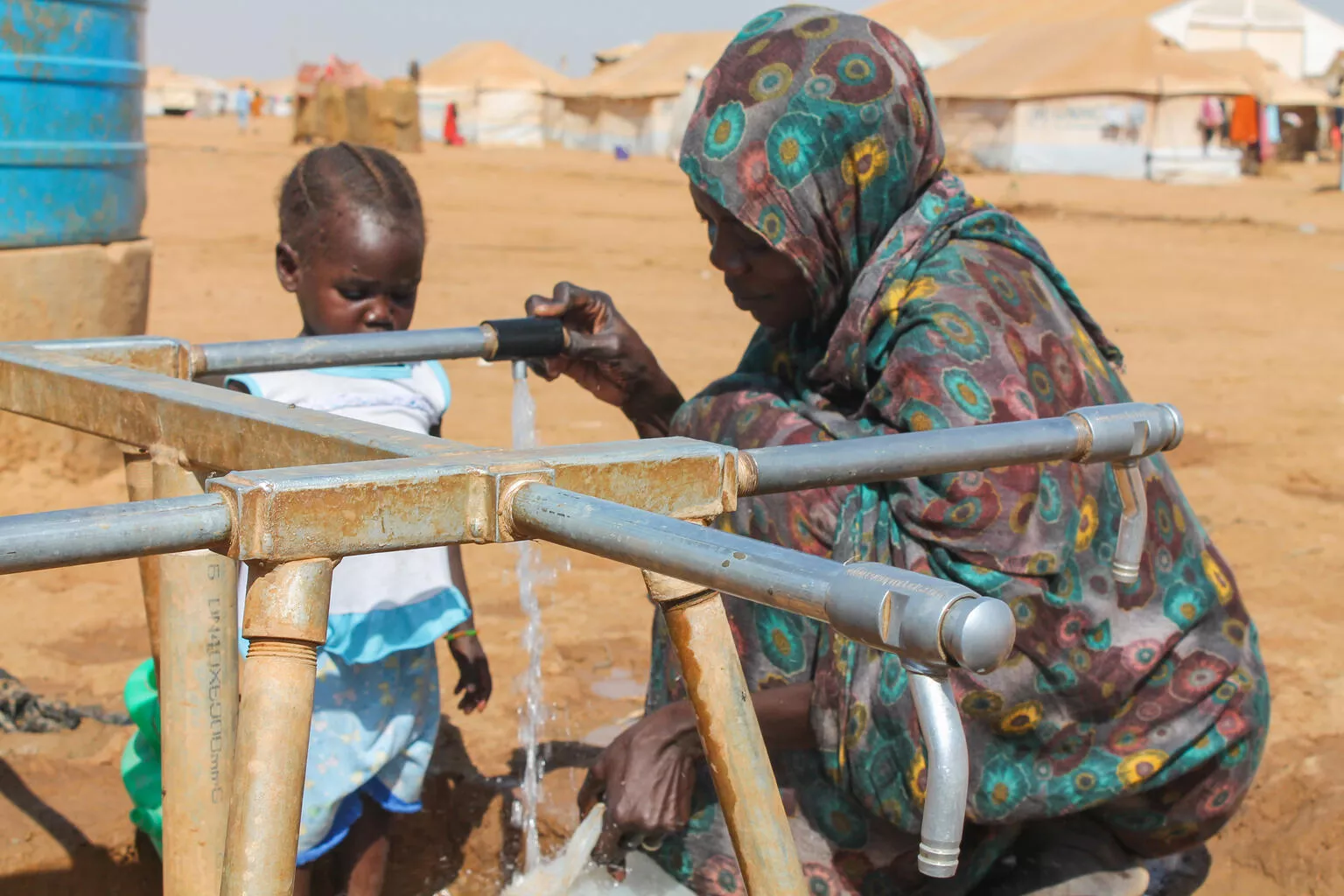

UNICEF/UNI731510/Nakibuuka
“We don’t have problems accessing water anymore,” says Istiglal, who was displaced from Sinja, the capital of Sennar state, in southern Sudan.
“Whenever we need it, we just go to the water points and turn on the taps.”
In 2024, UNICEF and partners supported almost 10 million people in Sudan in gaining access to improved basic water services through the construction or rehabilitation of hundreds of water sources, providing water treatment and delivering safe water via trucking. But as Sudan prepares for the rainy season, the threat of a spike in cholera and dengue looms due to contaminated water, displacement due to flooding and increased population movement.
Protecting Sudan’s future
Children’s brains are built as they interact with their environments. In the first few years of life, more than one million neural connections are formed each second – a pace that’s never repeated. The quality of a child’s experiences in these early months and years makes a critical difference as their brains develop, providing either strong or weak foundations for learning, health and behaviour throughout life.
For children growing up amidst the conflict in Sudan, violence and extreme stress are shaping the trajectory of their childhoods – and the rest of their lives.
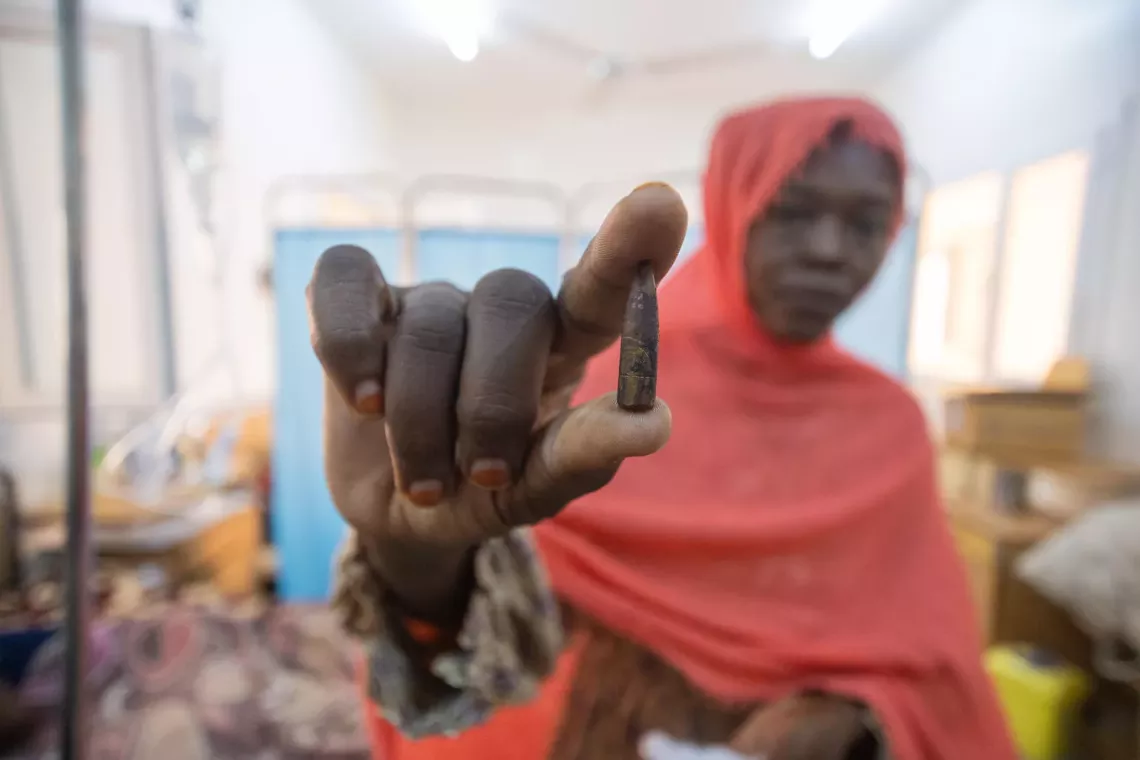
While famine, disease and displacement have grabbed headlines, the war has also created a severe protection crisis, especially the widespread perpetration of sexual violence against children. Children as young as one year old have been reported as survivors of rape since 2024.
In 2024, UNICEF interventions around protection from sexual exploitation and abuse reached around 2.3 million people, including more than 900,000 children. In addition, more than 2,000 frontline workers were trained to prevent, detect and safely handle cases of exploitation and abuse, bolstering the capacities of communities to respond effectively to sexual exploitation and abuse.
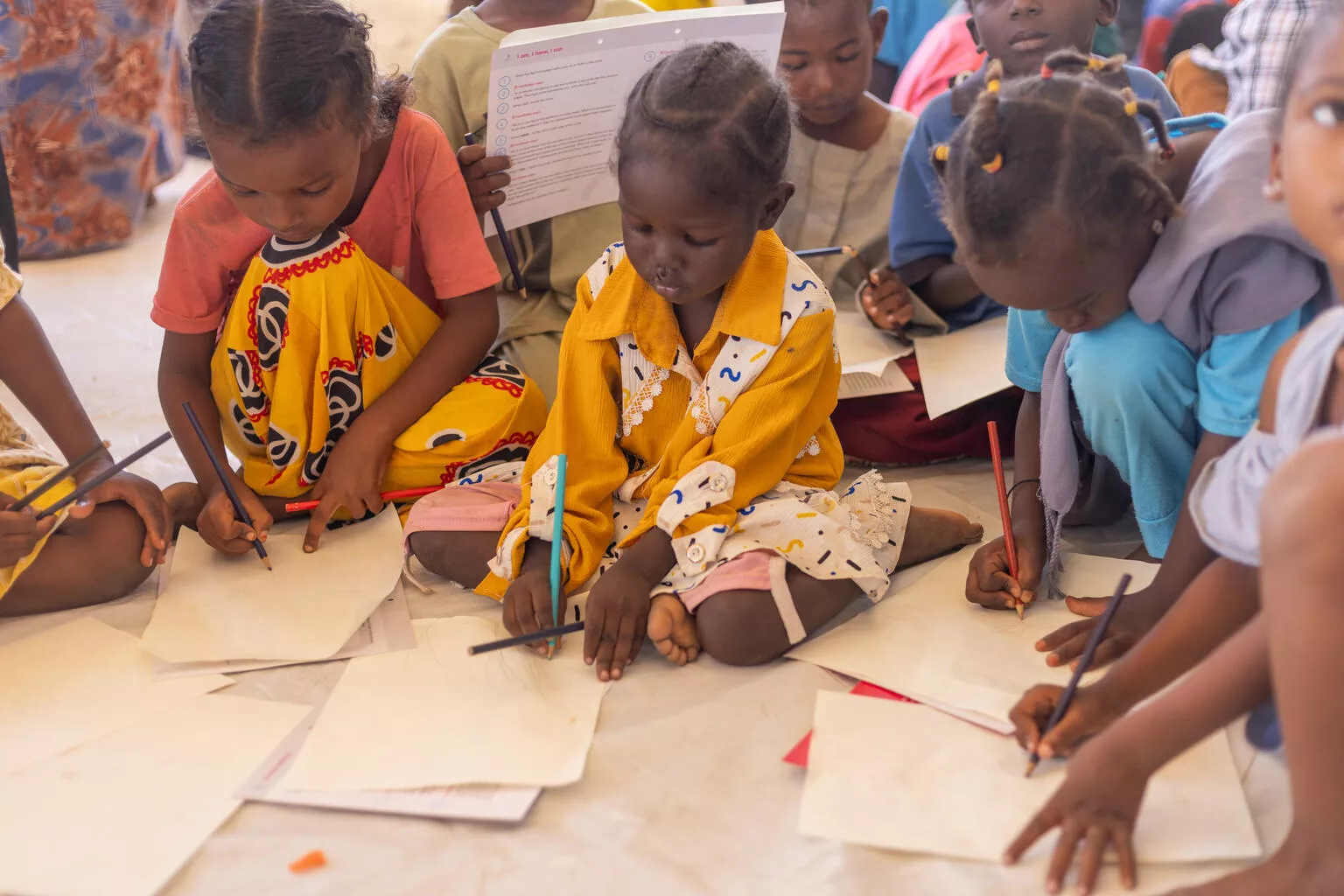

UNICEF/UNI681038/Elfatih
Giving children somewhere to play allows them to work through feelings such as pain, fear or the loss of a loved one, while being able to still act like a child.
Child-friendly spaces also provide an opportunity to raise awareness around risks to children as well as somewhere that information can be provided about available services and support.
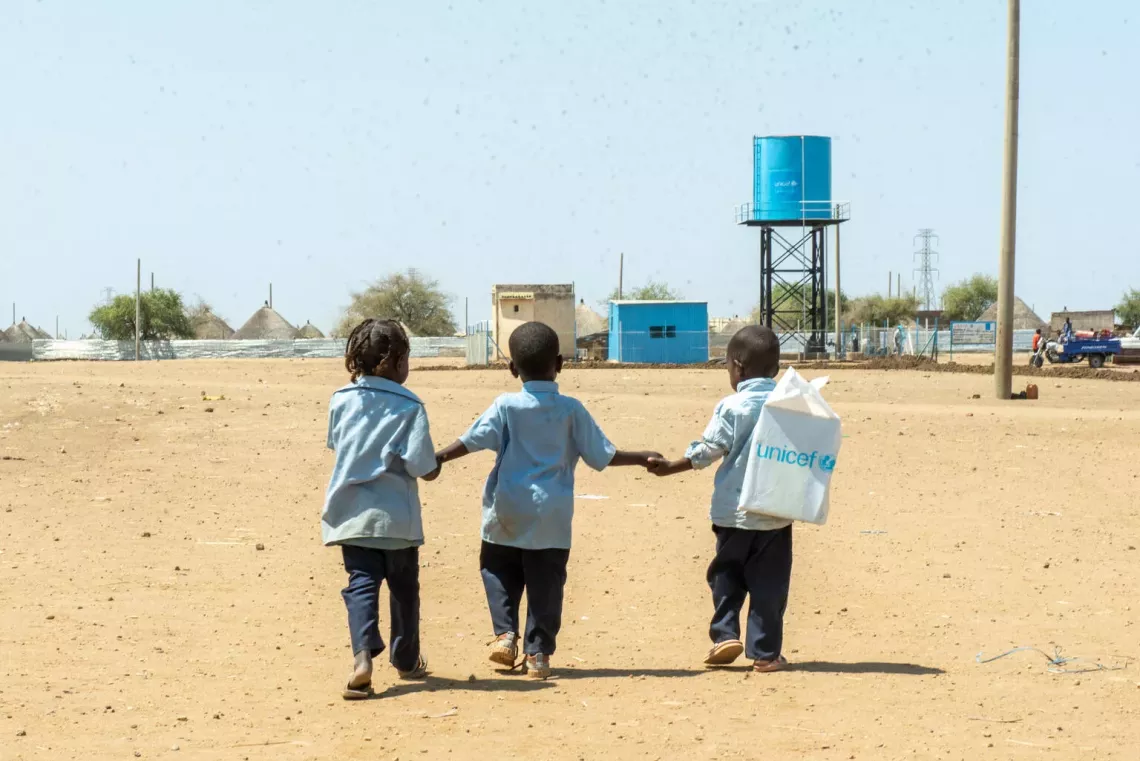
As the conflict in Sudan enters its third year, the country is now grappling with the world’s largest humanitarian and child displacement crises. Half of the more than 30 million people in need of humanitarian assistance this year are children. Vaccination rates are falling. Most children are out of school.
The impact of all of this is already evident in the number of lives cut tragically short. But it will also be felt in the months, years and even decades ahead as the traumatic impact on young minds and shattered childhoods continues to reverberate long into the future.