The Children’s Climate Risk Report 2026
More than a billion children are now facing at least three overlapping climate hazards.
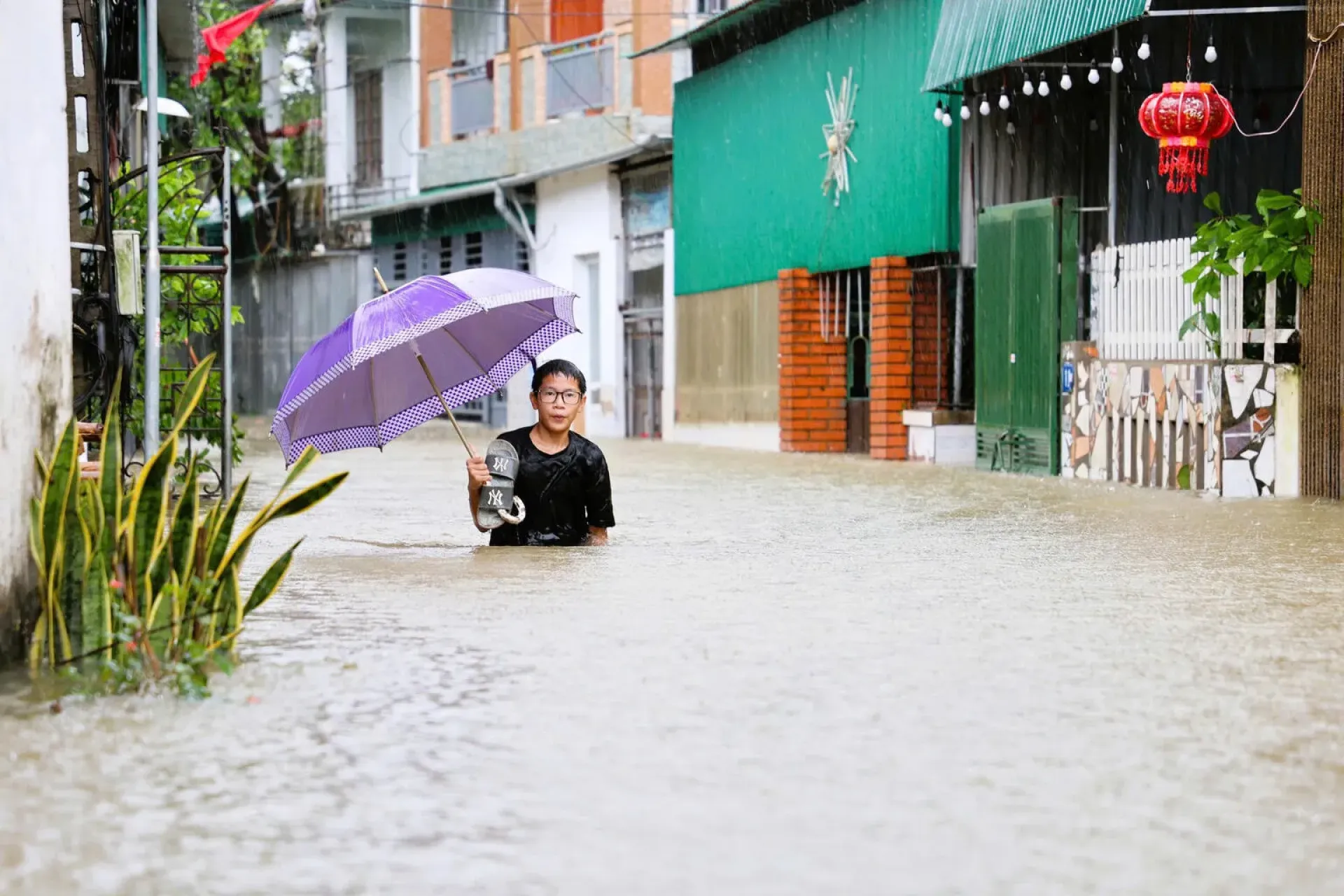
Climate hazards have always occurred naturally, but human-induced global warming is changing much of the world as we know it.
Children are disproportionately affected by the consequences of these changes, as their developing bodies make it harder for them to cope with physical and psychological stresses. With climate shocks on the rise, more children are also facing displacement and instability, increasing their vulnerability.
But while the climate crisis is a global phenomenon, its effects aren’t felt equally. Without identifying who the most vulnerable children are, where they live and how they are affected by climate-related impacts, it’s nearly impossible to develop practical and effective solutions for adaptation and disaster risk reduction.
UNICEF’s Children’s Climate Risk Report 2026 reveals how children’s exposure to multiple, overlapping climate hazards, inherent physical vulnerabilities, and the gaps in the social services they rely on, undermines their rights and increases their risk of harm.
What is the Children’s Climate Risk Report 2026?
The Children’s Climate Risk Report 2026 is an important milestone in understanding how climate-related hazards are affecting children. Through new data from the UNICEF Global Child Hazard Database, we can now see where children are exposed to a variety of hazards in unprecedented detail. Combined with data on existing social service access and capacities, governments can map where children are most at risk to climate-related shocks and stresses.
The report uses the latest available data to map children’s exposure to the most frequent climate-related threats. For the first time, the report reveals exactly where – and how intensely – multiple and overlapping climate threats are threatening children and overwhelming essential social services. It also notes how governments can take concrete actions to respond.
>> Visit UNICEF Data for more information
How many children are now exposed to climate hazards?
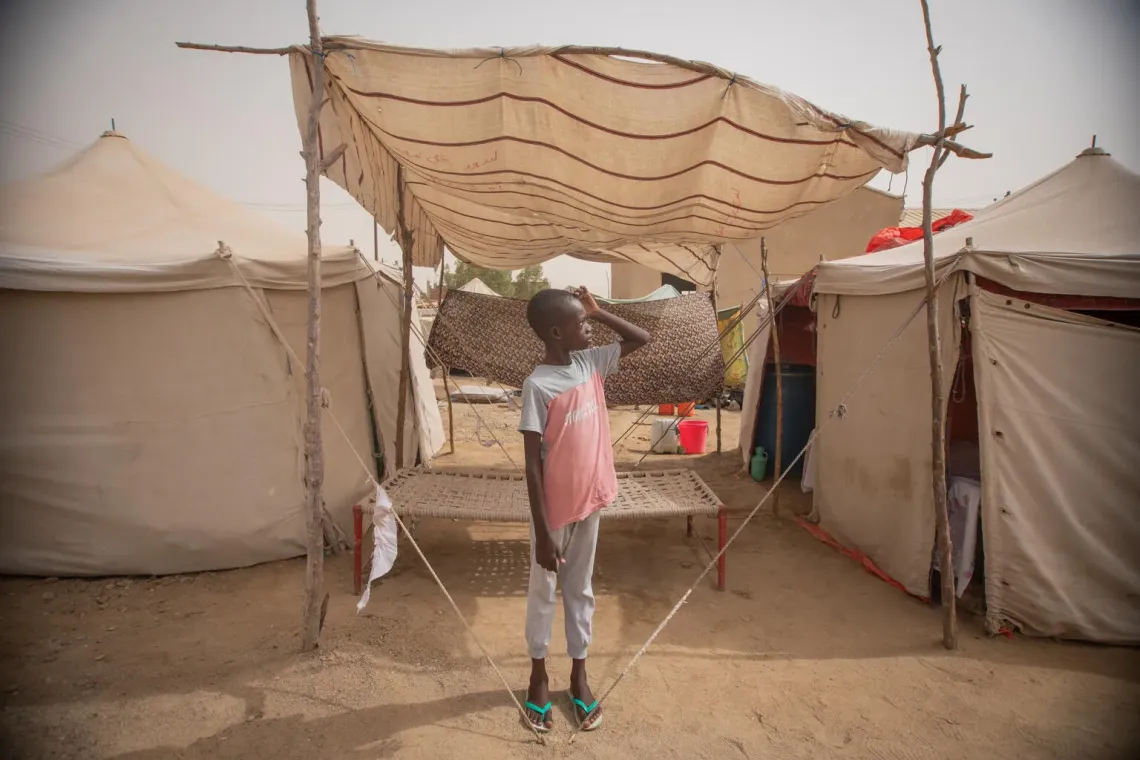
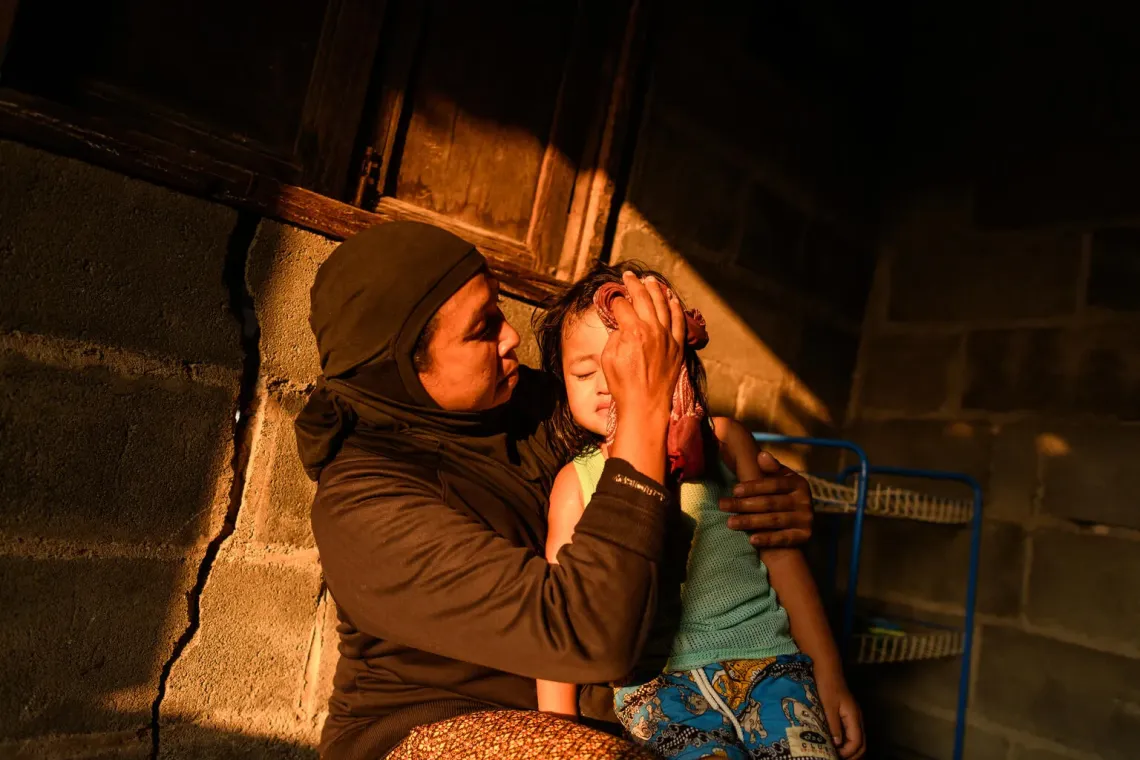
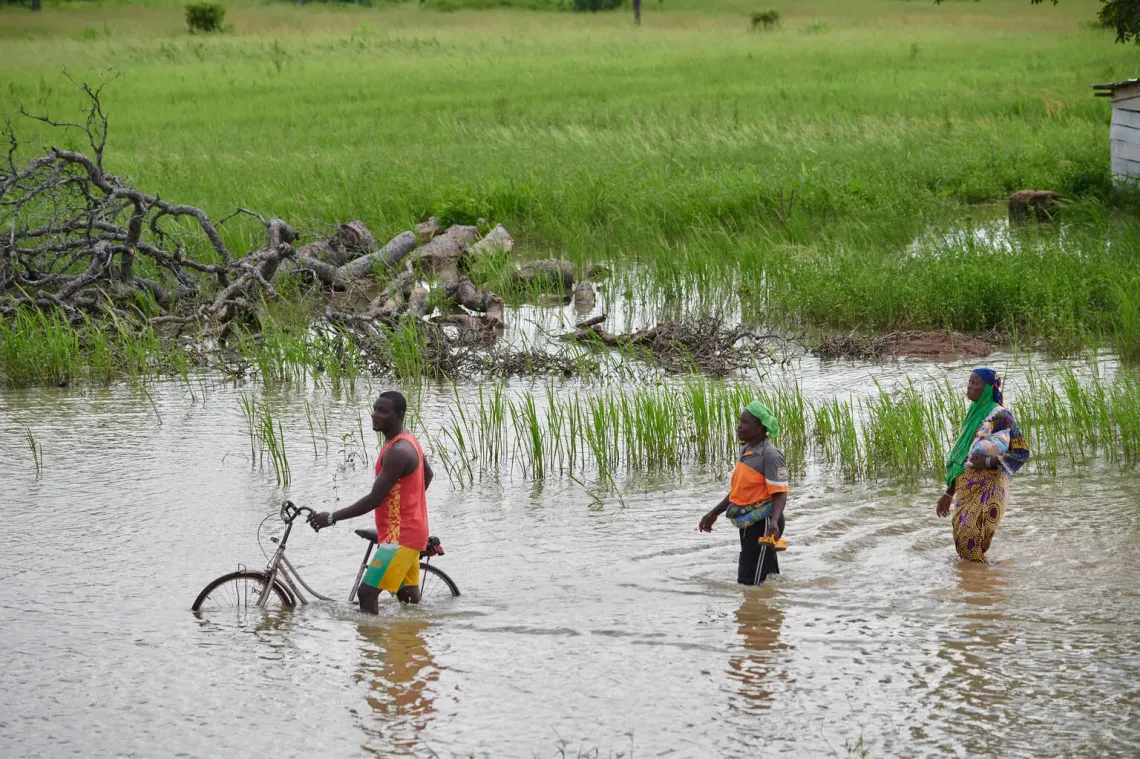
Almost all children are now exposed to at least one of the following climate hazards: Coastal floods, drought, extreme heat, fire, heatwaves, riverine floods, sand and dust storms, and tropical storms. Nearly half of the world’s children – 1.1 billion children – are at risk from at least three overlapping climate hazards, threatening their health, education, and survival. More than 4 million children face as many as six overlapping threats. The report also looks at children’s exposure to climate-sensitive hazards such as air pollution and vector-borne diseases like malaria.



What are the effects of the climate crisis on children?
The climate crisis doesn’t manifest as a single event. For millions of children, the reality is a complex and dangerous combination of multiple, overlapping hazards. These compounding threats overwhelm the capacity of unprepared social services and undermine the resilience of families and communities.
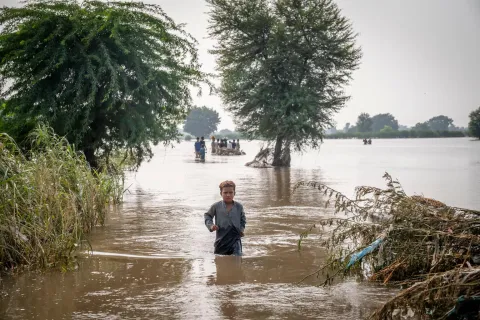
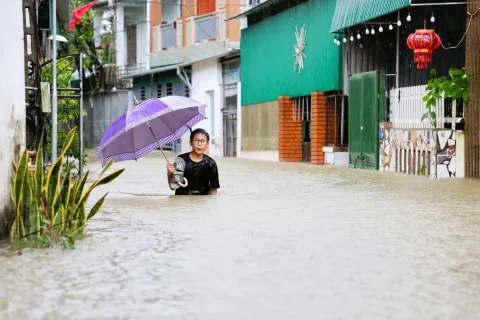
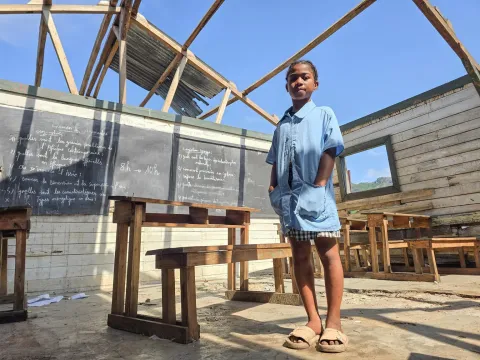
For instance, intense droughts can devastate crops and worsen food insecurity. Dry vegetation left behind by a drought can fuel wildfires, which in turn exacerbate air pollution and leave the land vulnerable to flash floods later in the year. These floods can destroy infrastructure such as homes, schools and hospitals, as well as displace communities and spread waterborne diseases.
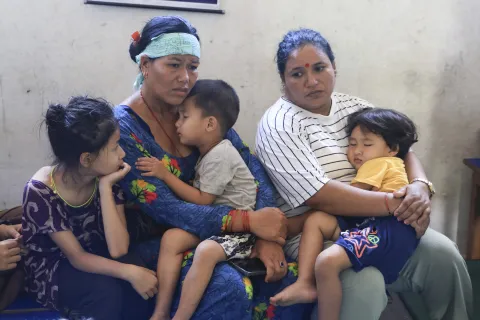
This can create a vicious cycle: destroyed homes can lead to displacement, which results in a lack of shelter, depriving children of protection from additional impacts and making them even more susceptible to future hazards. Disrupted education often has lifelong consequences, making it harder for children to build a stable future and break free from the cycle of hardship.
What UNICEF is calling for
Upholding every child’s right to a clean, healthy and sustainable environment requires urgent, coordinated and child-responsive climate policies, action and investment.
To protect children’s rights from climate threats and adapt to growing environmental changes, UNICEF is calling on governments, businesses and relevant actors to:
- Reduce emissions and take ambitious action to fulfil existing international commitments, grounded in the best available science, including the urgent phasing-out of fossil fuels and a just transition towards renewable energy.
- Protect children through inclusive climate adaptation and responses to loss and damage that prioritize children and the resilience of child-critical social services within national adaptation plans and sector strategies, disaster preparedness and response plans, and loss and damage strategies. This includes developing safe and green learning facilities, climate resilient health care facilities, securing children’s food supply, more efficient water and sanitation services, and shock-responsive protection services.
- Empower children and young people to meaningfully participate in climate action by investing in climate education, knowledge and skills, and by strengthening the capacity of decision makers and experts to respect children’s right to be heard, freedom of expression, and participation in decisions that affect their lives.
Highlights
While the climate crisis is a global phenomenon, its effects aren’t felt equally. Without identifying who the most vulnerable children are, where they live and how they are affected by climate-related impacts, it’s nearly impossible to develop practical and effective solutions for adaptation and disaster risk reduction.
UNICEF’s Children’s Climate Risk Report 2026 reveals how children’s exposure to multiple, overlapping climate hazards, inherent physical vulnerabilities, and the gaps in the social services they rely on, undermines their rights and increases their risk of harm.