Statement by UNICEF Regional Director for the Middle East and North Africa Edouard Beigbeder on the unconscionable deaths of children by starvation in the Gaza Strip

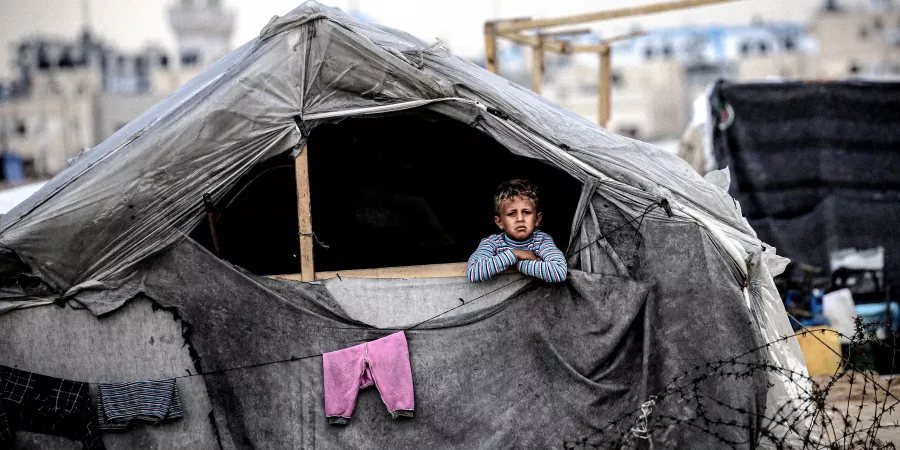
AMMAN, 24 July 2025 – “Children in the Gaza Strip are starving to death.
“Severe malnutrition is spreading among children faster than aid can reach them, and the world is watching it happen. Since April this year, the reported number of children who have died from malnutrition has jumped from 52 to 80 - a staggering 54 per cent increase in less than three months, according to the Palestinian Ministry of Health. In just 48 hours, at least four more children reportedly died of starvation. In total, more than 100 people have died from malnutrition during this war, and 80 per cent of them are children.
“These deaths are unconscionable - and could have been prevented. The UN-led humanitarian response must be allowed to function fully through unfettered aid access to children in need.
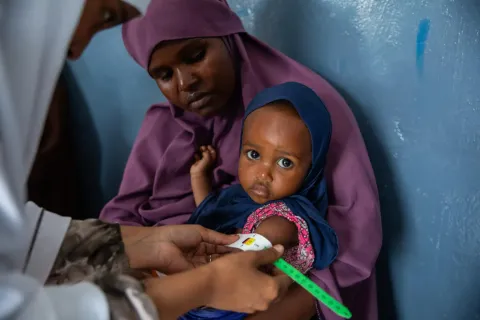
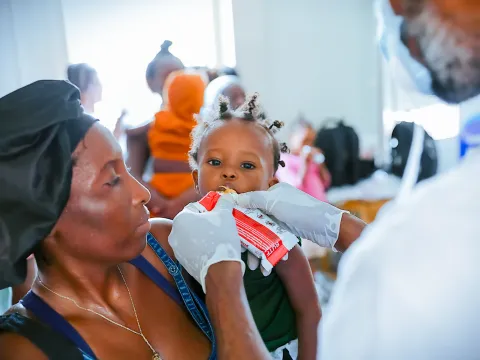
"Without that, we will see a further rise in acute malnutrition. In June, the number of children admitted for treatment for malnutrition reached the highest levels since the conflict began, with 6,500 children admitted. July is already tracking higher, with 5,000 children admitted in only two weeks. In Gaza City alone, out of the children screened, the percentage of those detected with acute malnutrition has risen four times from what it was in February.
“UNICEF and partners remain in the Gaza Strip screening and treating children for malnutrition, but to be able to reverse the catastrophic situation we face, a sustained and predictable flow of humanitarian and commercial supplies is urgently needed. Fuel must enter in sufficient quantities that allow life-saving services to function. Children must be protected - not killed, and not left to starve.
“We need a ceasefire and the release of the hostages. And we need it now.”
Media contacts
Additional resources
About UNICEF
UNICEF, the United Nations agency for children, works to protect the rights of every child, everywhere, especially the most disadvantaged children and in the toughest places to reach. Across more than 190 countries and territories, we do whatever it takes to help children survive, thrive, and fulfil their potential.
Follow UNICEF on X, Facebook, Instagram and YouTube