UNICEF: All Sudanese students must have equal opportunity to sit national exams wherever they are
Statement by UNICEF Regional Director for Eastern and Southern Africa Etleva Kadilli
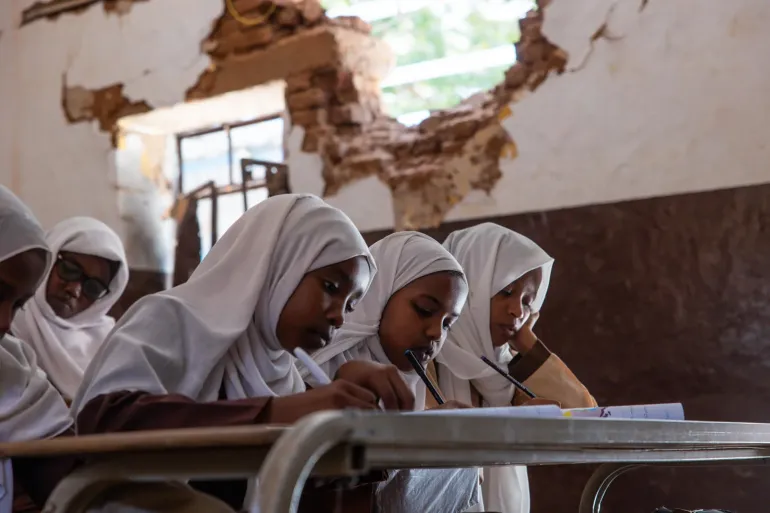
NAIROBI, 10 June 2026 – “Children across Sudan have the same fundamental right to education and should be able to sit for the national examinations safely and fairly – no matter where they are.
“In the current context, many students have faced years of disruption, with hundreds of thousands unable to complete their exams due to conflict. For these learners, sitting for a common national examination is a long-awaited opportunity to move forward on equal footing with their peers.
“It is essential that all children - whether in areas affected by conflict, displacement settings, or more stable locations - have access to the same nationally recognised examinations. A unified exam helps ensure fairness, protects the value of students’ qualifications, and avoids divisions that could limit their future opportunities.
“Accessing examinations and completing secondary school is not only a milestone for individual learners; it is a critical pathway to higher education, skills, and future opportunities that Sudan’s young people deserve.
"For a generation of young people whose education has already been severely disrupted by conflict, recognised qualifications are the foundation for continuing education, accessing employment, and contributing to Sudan's recovery. Fragmented certification systems risk creating barriers that outlast the conflict itself - limiting young people's opportunities long after fighting ends.
“For this examination season and beyond, it is essential that the same nationally recognised examinations are made available across Sudan and in countries hosting Sudanese refugees. The Government and parties to the conflict should also agree on practical modalities to ensure examinations can be administered consistently and safely nationwide. UNICEF stands ready to support these efforts.
“Education must remain a neutral space. It must be protected from division and guided by the best interests of children, and by a clear understanding of what is at stake for an entire generation if it is not.
“Ensuring that all Sudanese learners can sit for the same exam, wherever they are, is essential to safeguarding both their rights today and their prospects for the future.”
#####
Media contacts
Additional resources

About UNICEF
UNICEF, the United Nations agency for children, works to protect the rights of every child, everywhere, especially the most disadvantaged children and in the toughest places to reach. Across more than 190 countries and territories, we do whatever it takes to help children survive, thrive, and fulfil their potential.
Follow UNICEF on X, Facebook, Instagram and YouTube