More than 40 million children in Eastern and Southern Africa face unusually wet or dry conditions as El Niño strengthens
UNICEF calls for urgent action to protect children from a predictable crisis
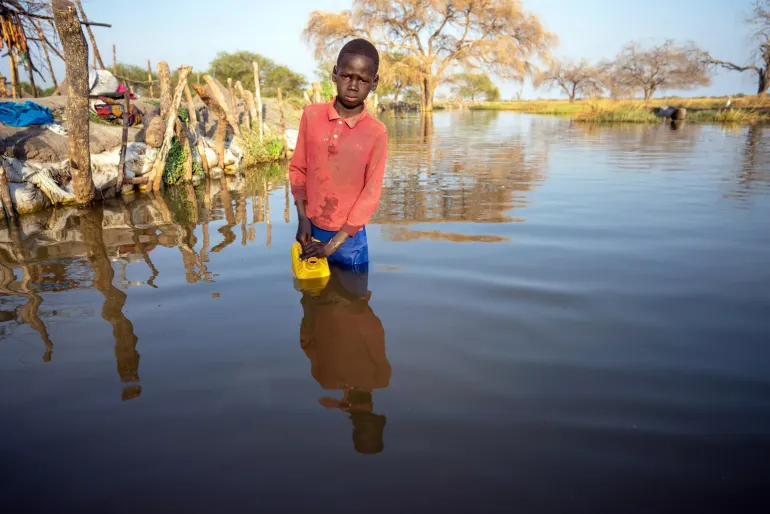
NAIROBI, 1 September 2026 - More than 40 million children across eight countries in Eastern and Southern Africa are expected to experience unusually wet or dry conditions between October and December 2026 due to El Niño, increasing the risk of extreme floods and droughts, according to the latest UNICEF analysis. Forecasts provide a narrow but critical window to act before the most severe consequences are felt.
“The threat from El Niño is growing, and the risks for children are already clear,” said Etleva Kadilli, UNICEF Regional Director for Eastern and Southern Africa. “Across the region, children are facing food and water insecurity, overstretched health services and disrupted learning. Further, major climate shocks will likely push children and the systems they rely on to breaking point.”
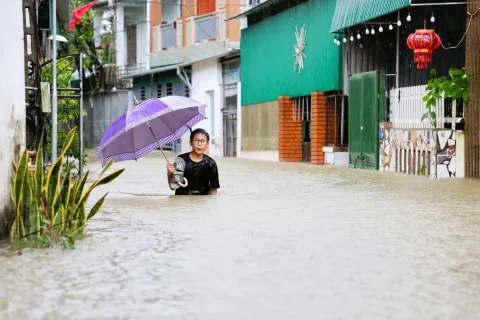
For example, the latest analysis shows that children in the Greater Horn of Africa – especially in Somalia – will face wetter-than-normal conditions, which could trigger riverine and flash flooding, spread water-borne diseases, and disrupt schooling.
Forecasts provide months of warning, yet less than one per cent of international humanitarian assistance is currently available for anticipatory action, which is key to saving lives, reducing humanitarian needs and protecting hard-won development gains. UNICEF is calling for urgent investment in child-critical response gaps before the impacts peak:
- Scale up nutrition services: Pre-position life-saving supplies and expand early screening and treatment.
- Support health and WASH systems: Strengthen disease surveillance, essential vaccination campaigns and health services, and secure safe water, sanitation and hygiene (WASH).
- Keep children learning: Reinforce school infrastructure and prepare safe, alternative learning spaces before disruption occurs.
- Protect children from violence and exploitation: Expand psychosocial support, family tracing and reunification, and measures to prevent gender-based violence.
- Strengthen shock-responsive social protection: Link early-warning systems to anticipatory cash assistance and other social protection measures, while building the capacity of government-led systems to respond to future shocks.
UNICEF urgently requires US$173 million, within its existing 2026 Humanitarian Action for Children (HAC) requirements, to reach children and families with anticipatory and life-saving assistance across 13 priority countries, where operational assessments point to urgent risks for children, including Djibouti, Eritrea, Ethiopia, Kenya, Madagascar, Malawi, Mozambique, Somalia, South Sudan, Sudan, Uganda, Zambia and Zimbabwe. Early, flexible financing is critical before any climate shocks, including those intensified by El Niño.
Acting on forecasts - before images of crisis emerge - protects children and delivers significant value: every US$1 invested in disaster risk reduction can save up to US$15 in future recovery costs.
“We know what is coming, which children are most at risk and how to protect them,” continued Kadilli. “The choice is whether the world responds now, or waits until the crisis escalates, and children pay an even greater price.”
#####
Note to editors:
Note on this release: This release was updated on 7 October 2026. The figure in the original version measured children living in areas exposed to drought or flooding from all weather patterns, not El Niño specifically. It has been replaced with a figure from UNICEF's most recent global El Niño analysis, which measures children in areas where rainfall between October and December 2026 is forecast to be unusually wet or unusually dry, at a 70 per cent probability threshold, in areas with a history of El Niño impact. Read the global analysis here.
El Niño is a natural climate pattern characterized by unusually warm sea-surface temperatures in the Pacific Ocean, which alter rainfall, temperatures and weather extremes around the world.
Media contacts
About UNICEF
UNICEF, the United Nations agency for children, works to protect the rights of every child, everywhere, especially the most disadvantaged children and in the toughest places to reach. Across more than 190 countries and territories, we do whatever it takes to help children survive, thrive, and fulfil their potential.
Follow UNICEF on X, Facebook, Instagram and YouTube