A way back to learning
In flood-affected areas in Nepal, UNICEF is setting up temporary learning centers to help children return to class, routine and a sense of safety
NUWAKOT, Nepal – It was a school morning like any other when the flood came. Students had just reached Chandrajyoti Secondary School in Bidur Municipality. Some were still near the gate, others settling into the rhythm of the day, when teachers heard that floodwaters were rushing in.
“To make sure the students were safe, we told them to head up to a higher elevation,” recalls Principal Basudev Paneru. “Soon after that, we saw the flood come, bringing with it big rocks, and even bridges.”
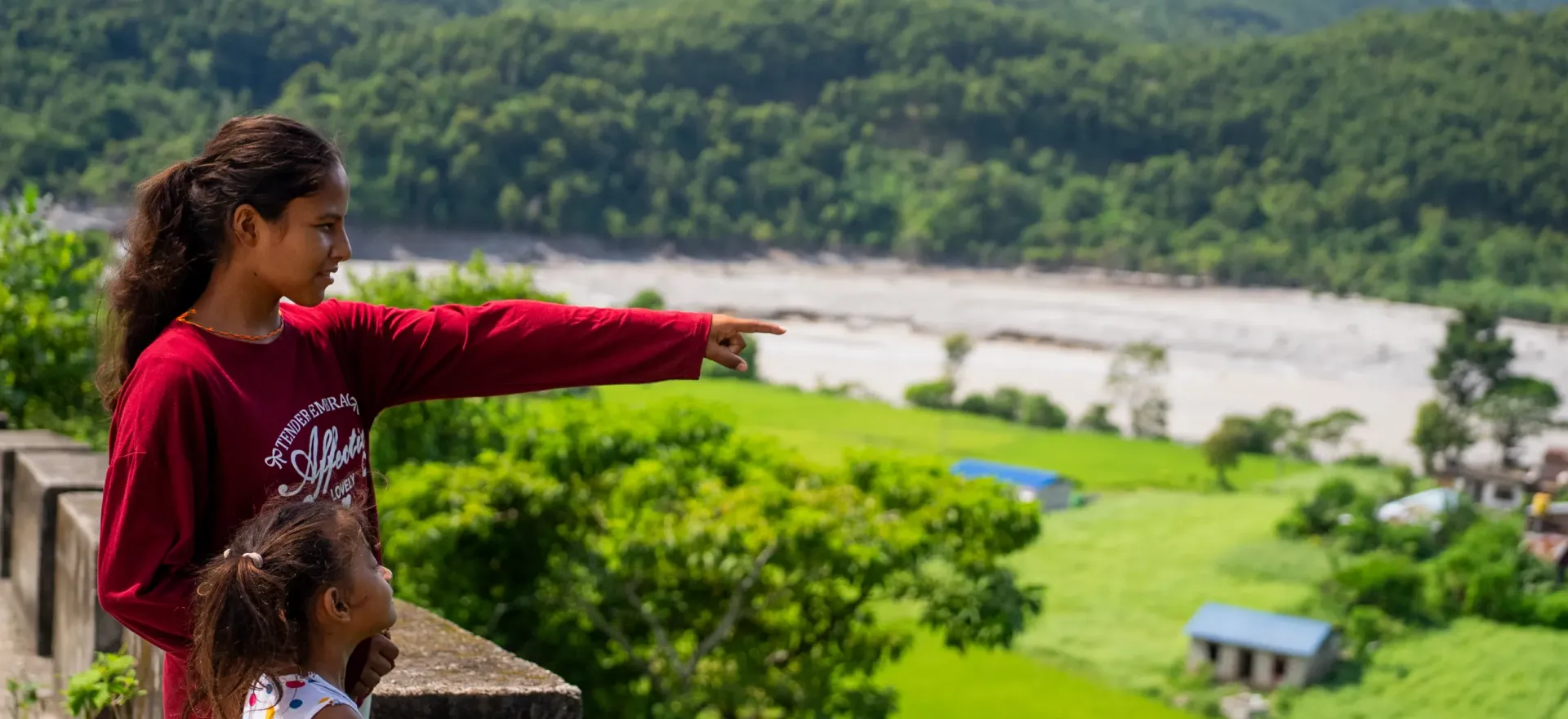
The children ran uphill. Behind them, the water tore through the area, sweeping away fields, homes, belongings and the Trishuli bridge. For Grade 8 student Manisha Dahal, who had been standing near the school gate, the fear of that moment has stayed with her.
UNICEF Nepal/2026/RMaharjan
“I remember thinking it was going to come for us too,” - Manisha
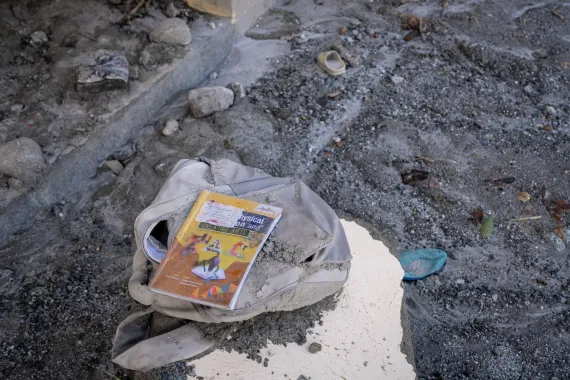
Manisha is originally from Dhading, where her parents still live, and had been staying in a rented room in Nuwakot to attend school. After the flood, she spent a few days in a holding centre and is now staying with her uncle. Her books were left behind.
“I wanted to go back many times to retrieve my books,” she says, “but that wasn’t possible.”
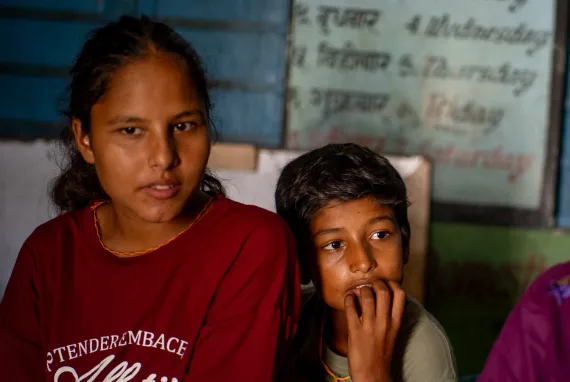
Like many children affected by the disaster, she is trying to hold on to her studies however she can.
“Of course it makes me sad not to get to go to school,” she says. “Our district-level eighth grade exams are coming up, and no one wants to fail those.”
At home, she revises old lessons and practises maths with help from her aunt. But it is not the same as sitting in a classroom with her friends and teachers.
For 14-year-old Yujina Gajurel, also in Grade 8, the flood disrupted more than lessons. It unsettled the routines that help children feel grounded.
“I think the floods have created huge fear in children like me,” she says. “That fear is affecting our daily lives and routines.”
She remembers students crying as they ran uphill, some worried about families whose homes were close to the water. Now, many are anxious about falling behind, especially with important Grade 8 and Grade 10 examinations ahead.
“My hope is that we can resume learning in school,” Yujina says, “and that students can put these floods behind them and return to their daily routines and activities.”
Across Rasuwa, Nuwakot and Dhading, around 14,000 students have been directly impacted by the recent floods, with 23 schools severely affected. In places like Chandrajyoti Secondary School, the challenge is not only to restart lessons, but to help children return to a familiar space where they can meet friends, talk to teachers and begin to feel safe again.
“Schools are not just a place where children come to study and learn,” says Pharsu Ram Panth, Education Officer at UNICEF Nepal. “It’s also where they meet friends, socialize and develop their potential.”
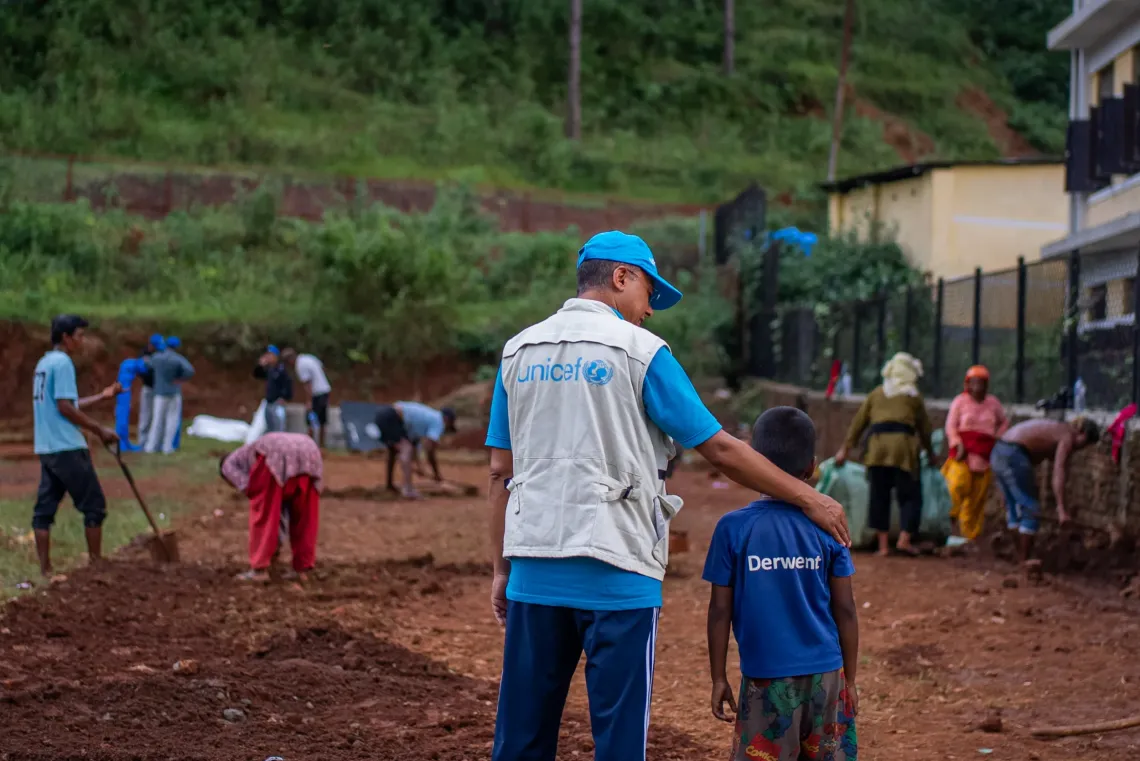
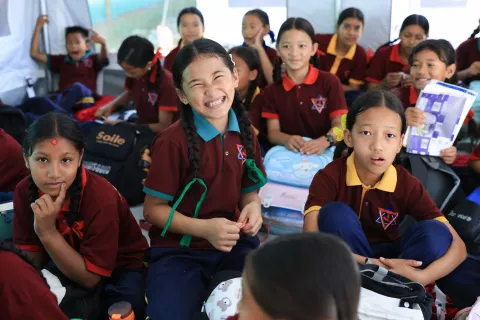
To support learning continuity, UNICEF has set up seven temporary learning centres at Chandrajyoti Secondary School. The tented structures are designed to help children return to class while longer-term recovery continues. They are among 26 temporary learning centres established so far in flood-affected areas, with more planned in the coming days.

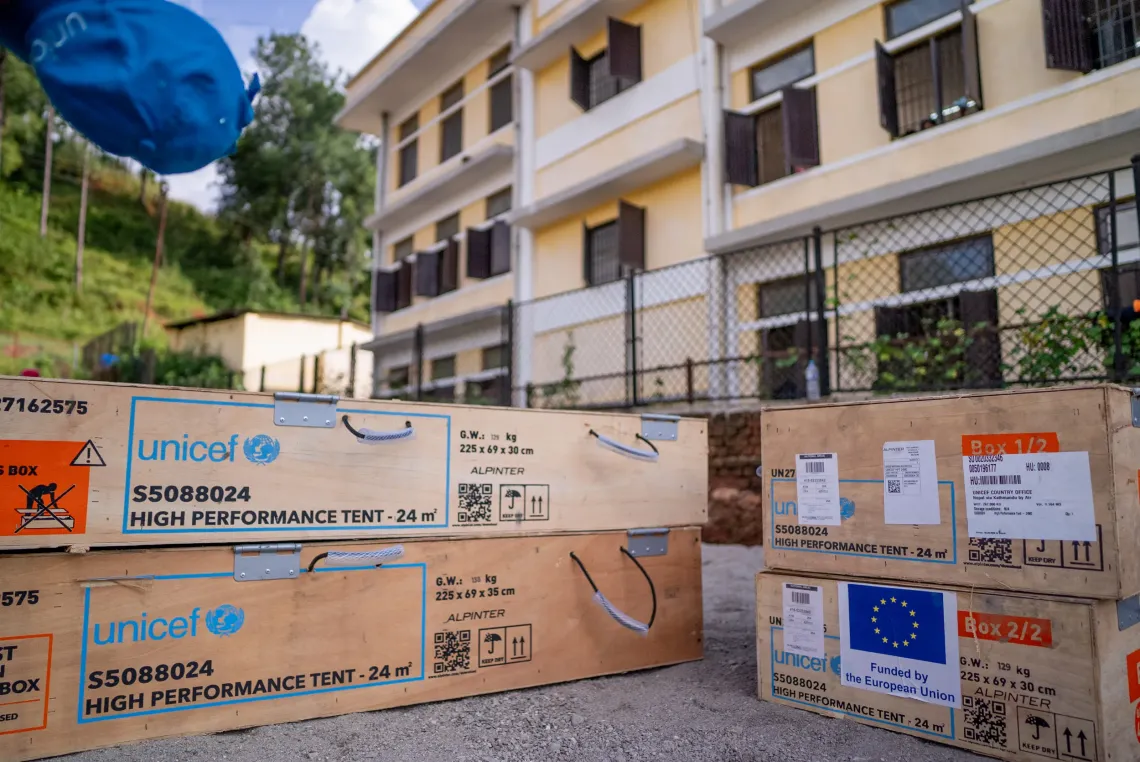

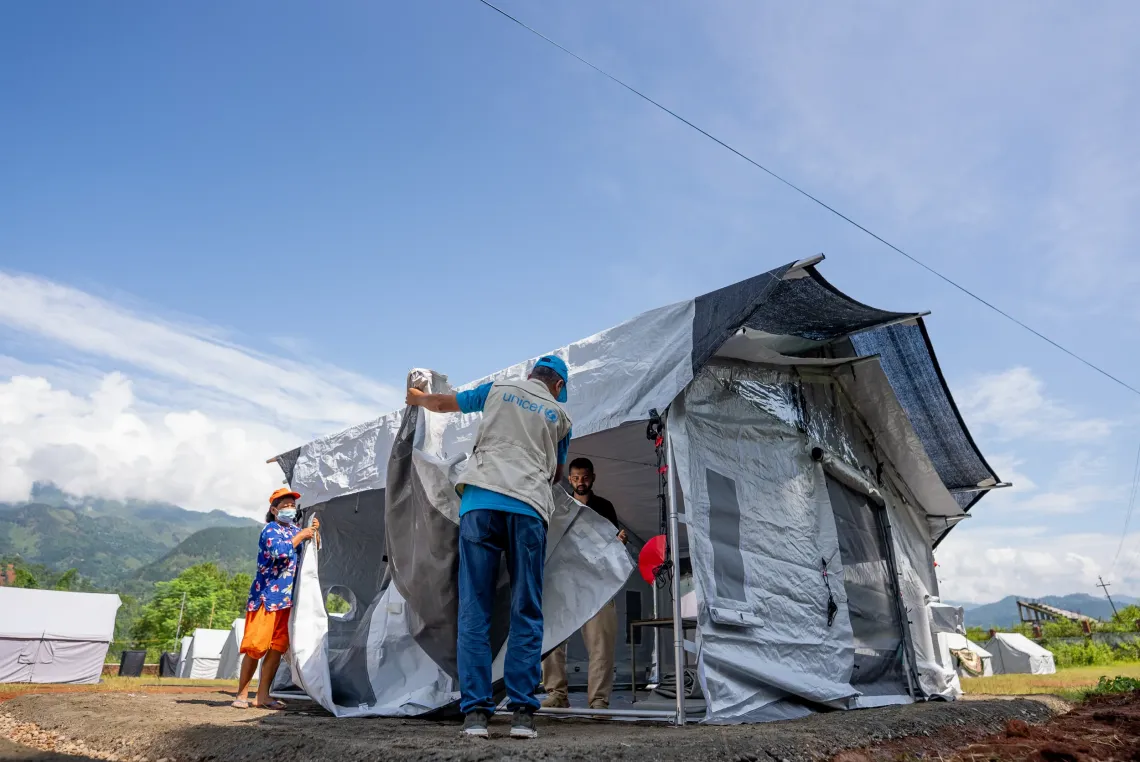

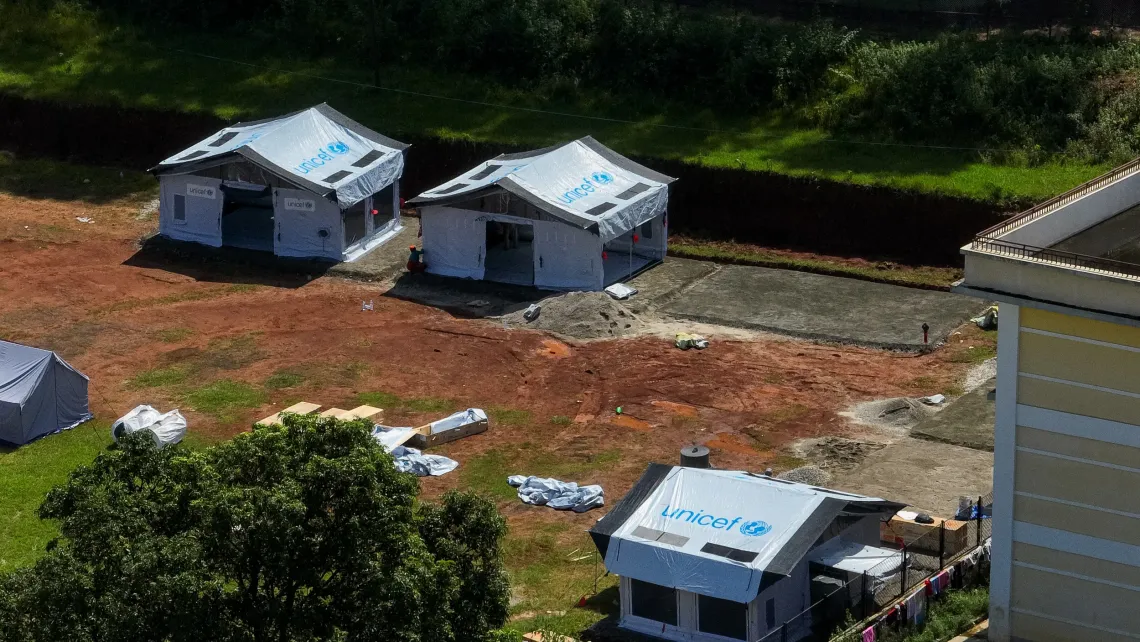
UNICEF is working in close coordination with the Government, local authorities, the District Education Cluster, the District Disaster Management Committee, schools and parents to assess needs and support children’s return to learning. Alongside the temporary learning centres, efforts are also underway to provide safe drinking water, sanitation and hygiene facilities, and separate toilets for girls and boys.
For Principal Paneru, the support is an important first step. Students are worried about exams, while teachers are concerned about completing the course despite the disruption. The temporary learning centres, he says, will help both.
“This is a very positive step,” he says. “I feel that it will encourage students to continue their learning as well as making it easier for teachers to take up their duties.”
The tents may be temporary, but for children eager to learn again, they offer a way back to lessons, friends, teachers and the routines that help life begin to feel steady again.