“The tents make me feel very hopeful”
After losing her father, relatives, home and school in the floods, 13-year-old Alisha is finding comfort in learning and being with her friends again
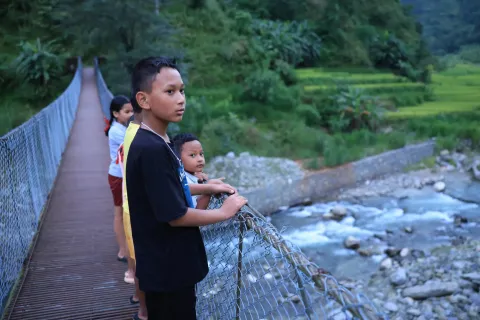
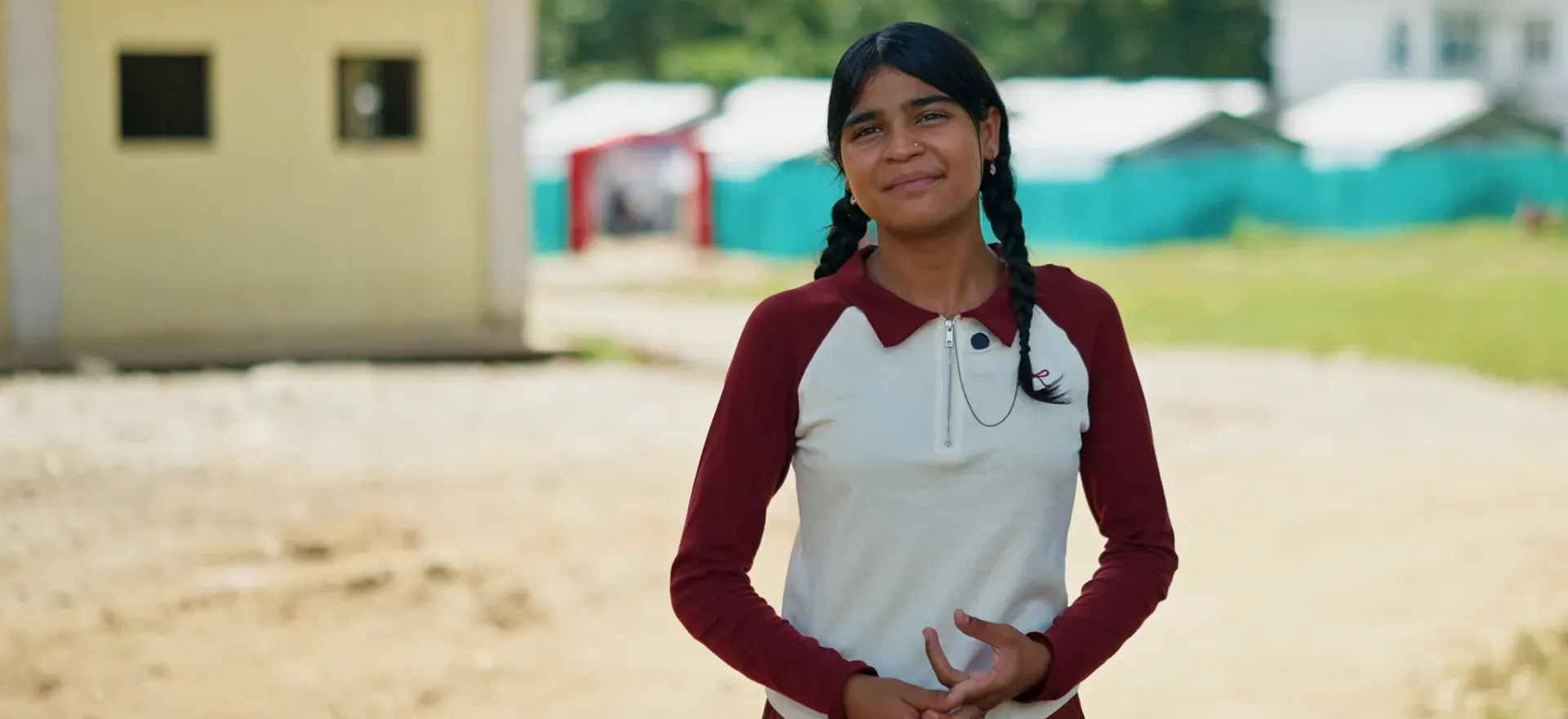
NUWAKOT, Nepal — On the morning of the flood, 13-year-old Alisha set out for school with her younger brother. They did not know whether classes would be held, but before they reached the school, a teacher met them on the road and told them to turn back.
As they left, Alisha saw people running towards higher ground. She began running too, taking her little brother with her.
“I also started to run because the floodwaters were huge,” she says.
The flood took her home and fields. It also took her father and nine other members of her extended family.
UNICEF Nepal/2026/RMaharjan
“Of course I was heartbroken. I cried for four to five days,” Alisha says. “Why did this happen to my father? Why did the flood have to come?”
At night, she found herself thinking about him — what he had been like and how much his support would have meant to the family now.
The questions stayed with her: “Why did he have to leave us?”
Her studies were interrupted too. There had been no time to save books or notebooks as she fled with her brother. For a child who says she had not missed a class since nursery, being away from school added another loss to days already filled with upheaval.
Alisha remembers the classrooms and the teachers who helped pupils prepare for their examinations.
She remembers the school library, where younger students visited on different days of the week to read stories and books in Nepali and English.
“I really liked the library,” she says.
Much of Tribhuvan Trishuli Secondary School was swept away. But before the flood reached it, the school had halted classes and sent students to safety after receiving a warning.
Alisha says she is thankful to the headteacher “for saving as many students as he could.”
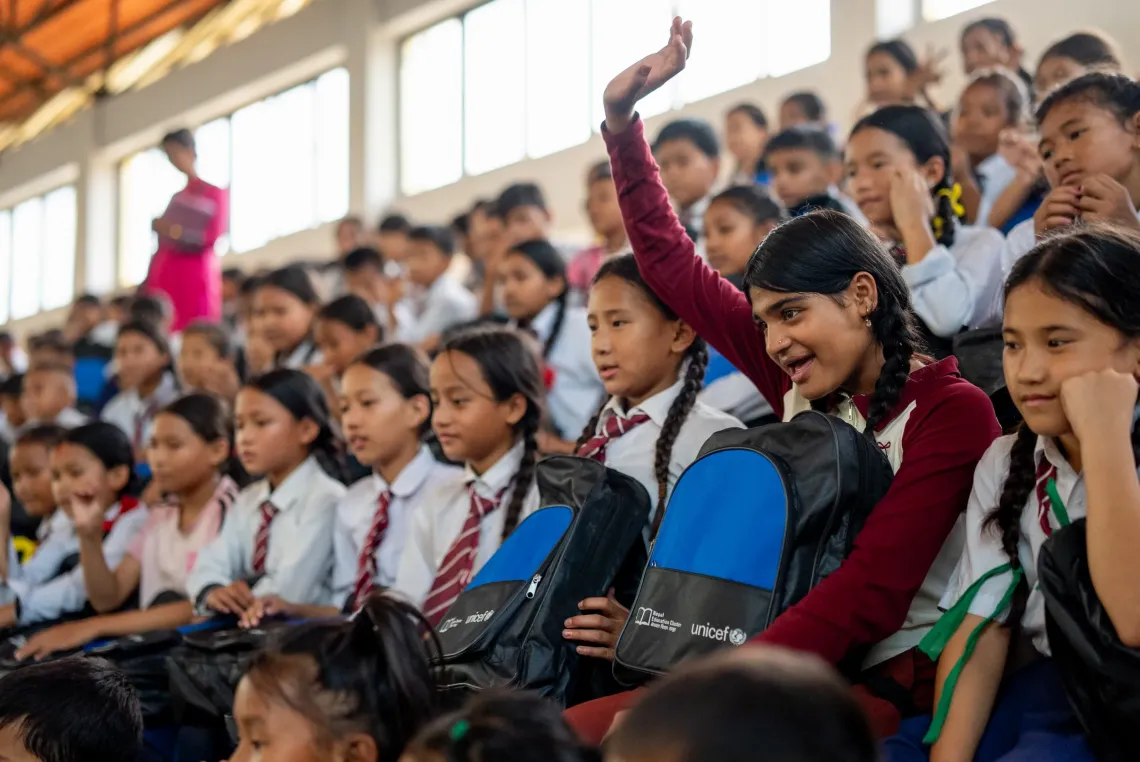
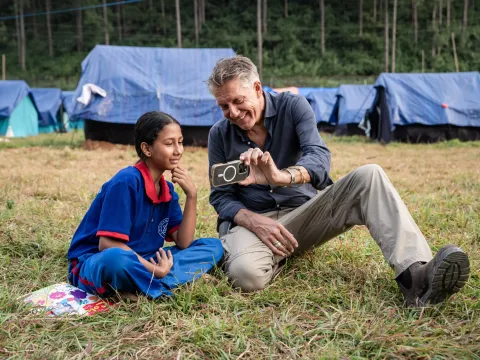
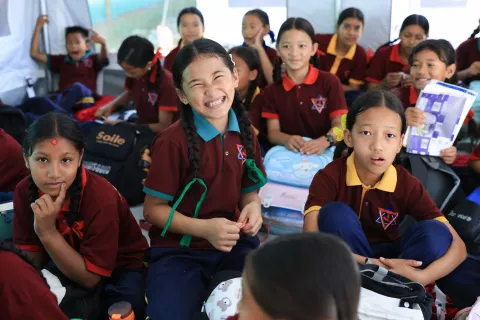
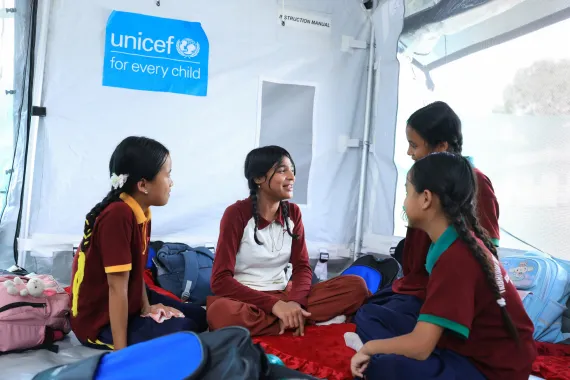
Classes have now resumed in nine temporary learning centres installed by UNICEF, alongside water, sanitation and hygiene facilities.
Learning materials have also been provided to students.
For Alisha, returning has meant seeing friends and opening her books again.
“Being back in school, I finally feel a bit happier,” she says. “Meeting my friends and spending time with them, that’s my wish right now.”
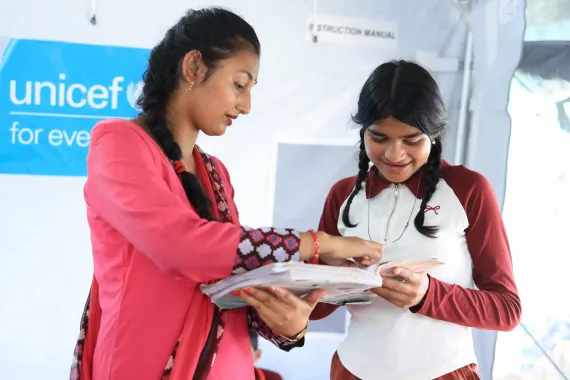
She has been revising what she learned before the flood so she does not forget it. Around her, the temporary classrooms offer a place to continue while the school begins the long process of rebuilding.
Alisha notices the details: the windows and doors, netting that allows air inside, and toys for children. She imagines a rebuilt school with benches, fans, toilets and the other facilities students need.
For now, the temporary spaces give her somewhere to learn, and something to look towards.
“The tents make me feel very hopeful,” she says.