How teachers can cope and support children in difficult moments
For teachers

- English
- नेपाली
When schools reopen after times of violence and unrest, teachers return to classrooms that hold more than books and lessons - they hold children’s fears, sadness and confusion. Some children may have witnessed violence, joined protests or lost loved ones, while others may simply feel unsafe or uncertain.
As a teacher, you carry many responsibilities, including taking care of yourself, and caring for your students. You can’t support your students if you’re not okay. When you feel grounded and calm, you can create a classroom that brings healing, hope and peace.
Taking care of yourself
- Put your well-being first. You can’t teach well if you don’t feel well.
- Accept uncertainty and distress as normal. It’s normal to feel stress or anxiety in hard times. Let yourself feel it.
- Notice how stress affects you Look out for changes in sleep, mood or energy. Talk to someone you trust if it feels like too much.
- Focus on what you can control. Stick yo simple daily routines - eat well, rest, drink water, and move your body. Even a short walk or turning off devices before bed can help.
- Manage information carefully. Limit stressful news and choose credible sources. Be mindful of social media use.
- Write it down. Journaling worries can help you see what’s manageable. Keeping a gratitude diary can boost positivity.
- Take breaks. Even a few minutes between lessons or playful activities with colleagues/students, can help reduce fatigue.
- Spend time with people who uplift you. Protect your energy by setting boundaries with those who drain your energy.
- Engage in community or spiritual practices that give you purpose and connection, whether through faith, volunteering, or small acts of kindness.
- Be present. Focus on what’s happening now — whether it’s teaching, time with loved ones, or a quiet moment alone.
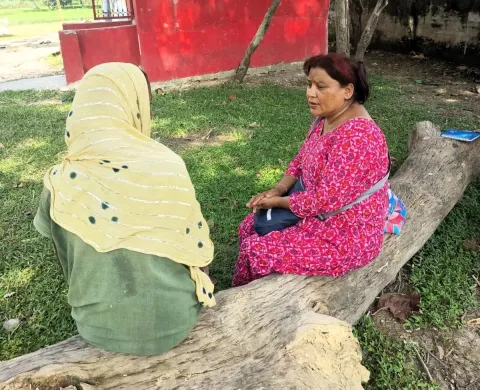
- Support each other. Talk to fellow teachers, share ideas, and check in on each other.
- Stay organized. Preparing lessons early can reduce daily stress.
- Be kind to yourself. Everyone is learning. Ask for help when you need it.
- Know your limits. You are not responsible for everything — seek support and rely on school management, parents, and community networks when needed.
- Seek professional help if needed. If things feel too heavy, talk to a counselor or support service.
Helping children feel safe and supported
1. Create a Safe and Predictable Classroom
Children need stability, especially when the world feels unstable. Keep routines simple and consistent. Greet them warmly every day. Morning check-ins, songs or breathing exercises help them feel secure.
2. Let children express feelings
Some students will want to talk, others won’t. Offer choices like drawing, writing, or role-playing. Don’t force anyone to share — just keep the space open.
3. Normalize Their Emotions
Tell students that it’s okay to feel scared, angry, sad, or confused. Remind them that emotions come and go, and everyone handles them differently.
4. Listen Without Judgment
If a child says they were part of something violent, stay calm. Don’t shame them. Ask gentle questions like, “How did you feel then? How do you feel now?” Help them think through their actions and what they might do differently next time.
5. Use Restorative Practices
Focus on understanding and repair, not blame. Ask:
What happened?
Who was affected?
What can we do to make things better?
This builds accountability and empathy instead of fear.
6. Include Peace and Cooperation in Lessons
Turn classroom activities into opportunities for peacebuilding:
- Group projects that encourage cooperation.
- Stories of nonviolence, fairness, and kindness.
- Role-plays that explore peaceful ways to solve problems.
7. Encourage Student Voice and Participation
Invite students to co-create classroom rules for respect, safety, and kindness. When they help set the rules, they feel responsible for keeping them.
8. Watch for Signs of Deeper Distress
Nightmares, withdrawal, aggression, difficulty concentrating can signal trauma. If you notice persistent changes, gently consult with parents or refer the child to psychosocial support services.
9. Work with Parents and Caregivers
Communicate openly with families. Encourage them to listen to their children, keep routines at home, and avoid harsh punishment. Parents also need to hear: “It’s okay to not have all the answers.”
10. Model Hope and Compassion
Children look to adults to understand how to respond. Your calm words, patient tone, and fairness in handling conflicts show them that peace is possible, even after chaos.
Planting Seeds of Peace
Moments of violence and uncertainty also bring an opportunity to teach children that there are healthier ways to express frustration and to bring about meaningful change in society. you can:
- Highlight Peace Role Models: Share local stories of neighbors helping one another during unrest. Tell stories of efforts done by locals to maintain peace, teaching of Buddha and any other religion or thought leaders which promote peace.
- Promote Dialogue, Not Division: Encourage respectful debate, teach how to disagree without hatred.
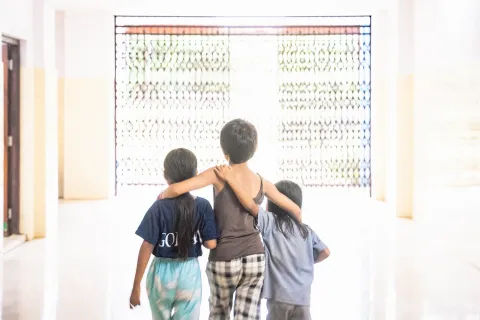
- Use Peer Support: Pair children to check in on each other. Cooperative play and group problem-solving reduce isolation and rebuild trust.
- Celebrate Small Acts of Kindness: Notice and praise students who help, share, or comfort others. This reinforces peace as a lived value.
- Build Community Projects: Simple collective activities like planting a tree, painting a classroom mural about peace, or organizing a “gratitude wall” can restore a sense of agency and belonging.
You are more than a teacher in these moments. You are a guide, a steady presence, and a symbol of hope. The way you listen, respond, and care shapes how children will remember this time — and how they will choose peace in their own lives.