A chance to find hope
In Nepal’s southern plains, timely psychosocial attention helps a young girl find the support and confidence she needed to return to school
[Names and other identifying details have been changed to protect privacy]
Madhesh, Nepal: When 16-year-old Amina moved from her family home in Madhesh Province to stay with her older sister, it seemed like a practical decision. Her sister was expecting a baby, the house was closer to school, and Amina hoped she could help while continuing her studies.
Instead, the move marked the beginning of a frightening period in her life.
A male relative in the household began harassing Amina online after she rejected his advances. The messages were threatening and explicit. Afraid and unsure where to turn, she kept silent. Over time, the confident, social girl her friends knew began to withdraw. She stopped attending school regularly and grew increasingly isolated.
It was a classmate, Sita, who noticed the change. Sita had recently taken part in a school session on mental health and psychosocial support, implemented by UNICEF with support from David Beckham’s 7 Fund. The session explored how stress affects young people, the ways distress can show up in daily life, and healthier ways to cope. Students talked openly about signs such as persistent sadness, irritability, withdrawal from friends, or sudden changes in sleep and school performance. They also learned where to seek help – from psychosocial counsellors and trusted teachers to peers, child helplines and local health services.
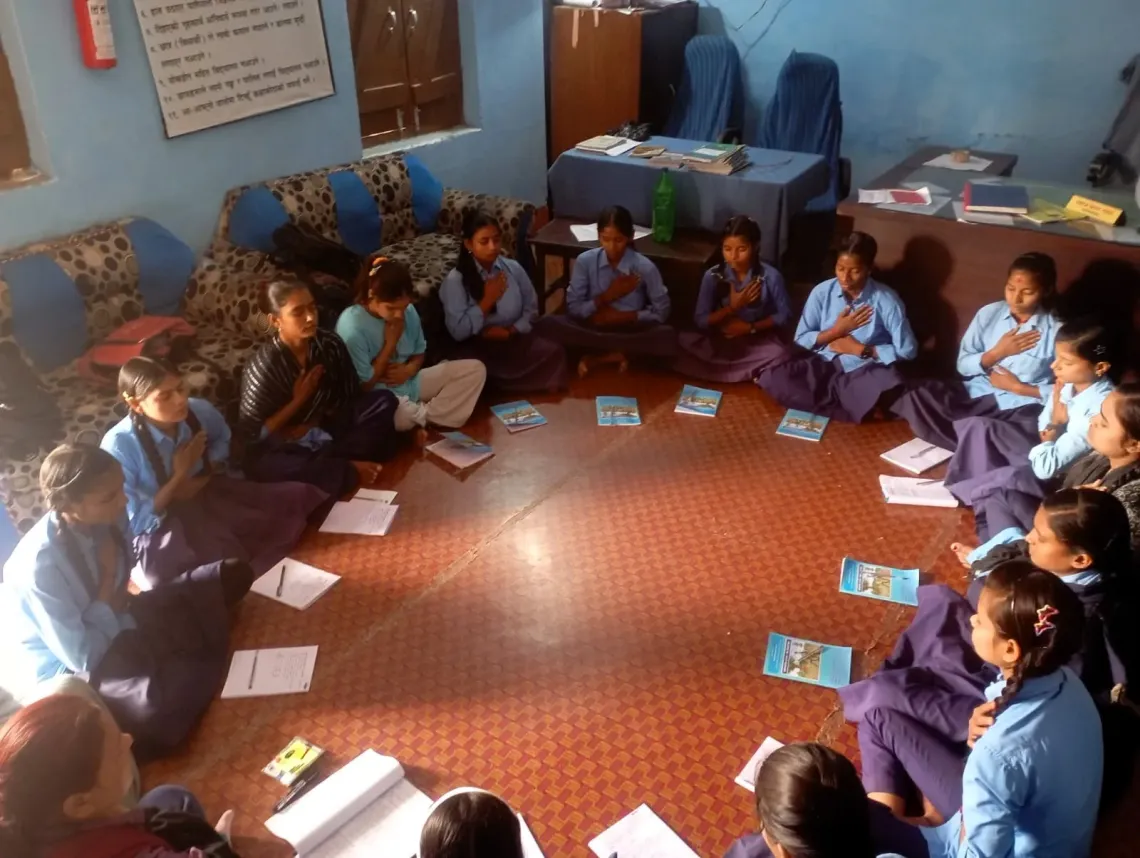
So when Sita saw Amina growing quieter and missing school, she recognised the signs. Remembering the emphasis on reaching out early, she gently encouraged Amina to speak with a counsellor.
That moment mattered.
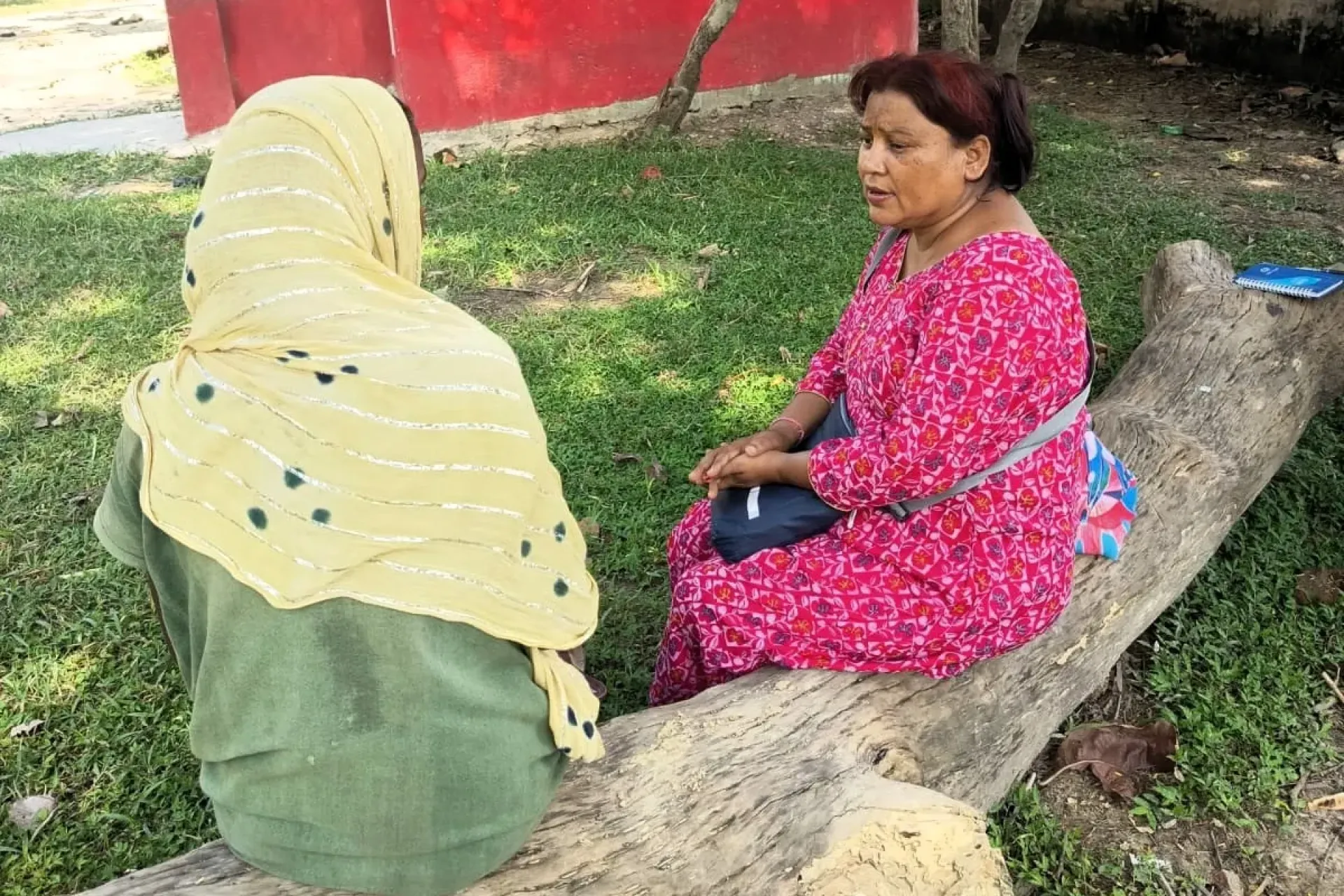
Through counselling, Amina found a safe space to speak about what she had been carrying alone. She learned that what she experienced was not her fault and that online harassment is a form of abuse. With steady support, she began learning simple ways to manage anxiety, rebuild a sense of control and feel safe again. Her mother was also engaged in the process, helping strengthen family support at a critical time.
Of course, making that shift has not been easy. Like many adolescent girls, Amina worries about stigma and how her experience might shape her future. For now, she has chosen not to pursue formal legal action. What matters most to her is healing, staying in school and regaining a sense of normalcy.
Today, Amina has returned home and back to her studies. She continues to receive follow-up support and participates in group psychosocial sessions with other adolescents, where she is learning healthy ways to express emotions and seek help when she needs it. She speaks more openly now, especially with trusted friends and counsellors. The fear that once silenced her no longer defines her.
With support from partners like the 7 Fund, UNICEF is helping ensure that adolescent girls facing violence and distress are not left to navigate it alone, but are met with care, protection and the chance to find hope.