Hope for the malnourished
Children suffering from malnutrition - and their caregivers – receive life-saving support and succor at a Nutrition Rehabilitation Home in western Nepal
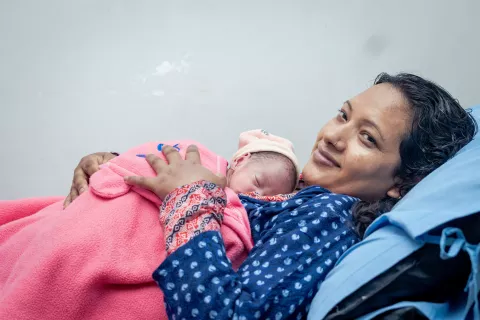
Surkhet, Nepal: The Nutritional Rehabilitation Home (NRH) on the premises of the Karnali Provincial Hospital in Birendranagar in Surkhet District in western Nepal is where malnourished children receive treatment. During their stay at the 11-bed facility, aside from placing the children on a strictly monitored diet, staff also provide free meals to caregivers, as well as teaching them the importance of a balanced diet for themselves and their children.

“Karnali has some of the highest rates of childhood malnutrition in the country,” says NRH Manager Prabha Singh. “Children come here from all over the province, referred to us from health facilities, female community health volunteers and out-patient therapeutic centres where screenings regularly take place.”
For decades, under the Multi-Sector Nutrition Plan (MSNP), UNICEF and the European Union have been supporting the Government of Nepal in formulating and implementing comprehensive nutritional strategies – including vitamin A supplementation, deworming children, logistical support in the distribution of therapeutic nutritional supplies needed for the treatment of malnourished children, and nutritional education and counseling for caregivers and communities, among others.
This has also extended to support for Nutritional Rehabilitation Homes, which were first developed in Nepal by the Nepal Youth Foundation, and have since been integrated and scaled up by the Government.
The NRH at Surkhet is among 22 such homes around the country, three of which are in Karnali Province, and UNICEF and partners have been providing technical support for their roll-out, including training and orientation for human resources, development of operational guidelines, as well as advocacy and policy support for extension of the programme across the country so as to reach even more children and families in need, including young mothers.

Prabha, who has been working at the home for four years, says that of the 120 children on average who are treated at the NRH for severe malnutrition in a given year, most come with mothers between the ages of 16 to 25 years.
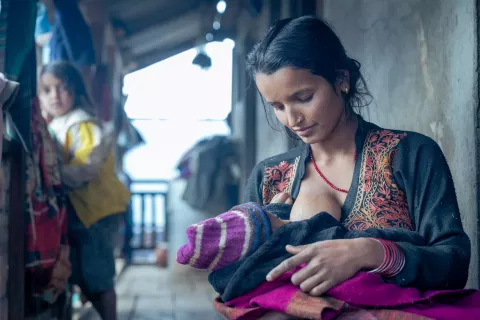
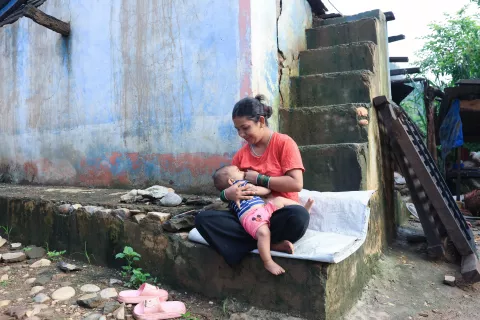
“Many adolescent girls get married too young and get pregnant too early, leading to premature or low-weight babies who suffer malnutrition,” she explains. “Oftentimes these young mothers are themselves undernourished, and don’t know enough about good feeding practices for their children.”
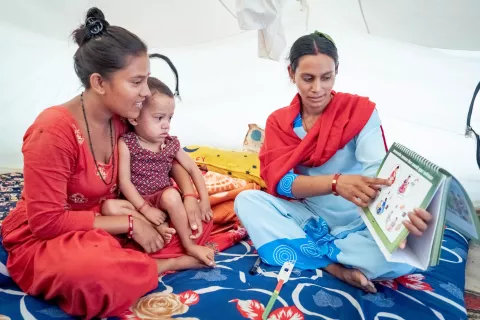
This is why equipping caregivers with the information and skills to prepare balanced meals – as well as learning about the importance of good hygiene and sanitation – is a key part of the services offered at the NRH. Caregivers undergo sessions on using locally-available ingredients and items to create simple, healthy dishes at home.

For Sita Sunar, a young mother currently staying at the NRH in Surkhet with her little girl Kiran, the learning curve has been huge. The 25-year-old from remote Kalikot District had not only had a difficult home birth less than a year ago, but the child had suffered issues from the very start. “She just wouldn’t put on weight. I was so worried,” she says.
However, since coming to the NRH, Kiran – who also needed surgery some months ago for a heart condition – has been slowly improving. Her weight has increased, and she is much more lively and active than before, much to her mother’s relief.
“I realized I didn’t know anything about what and how children needed to be fed,” Sita says. “I’ve learned since coming here not just how many times to feed her, but also about making sure there is enough variety. I’m determined to keep it going when we go back home.”