Climate Landscape Analysis for Children (CLAC) in Nepal
Nepal’s children are growing up on the frontlines of overlapping climate, environmental, energy and disaster risks

About
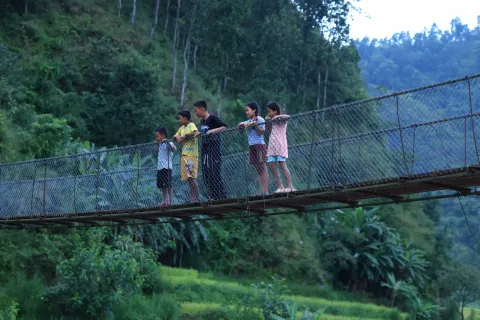
Nepal’s children are facing growing risks from climate change, environmental degradation and disasters, from floods, landslides and droughts to heat stress, air pollution and glacial lake outburst floods. The Climate Landscape Analysis for Children (CLAC) Nepal examines how these overlapping risks are affecting the services and systems children depend on, including WASH, health, nutrition, education, social protection and child protection. It highlights how the poorest, most remote and most marginalised children, including girls, children with disabilities and children on the move, are often the most exposed and have the fewest options to cope.
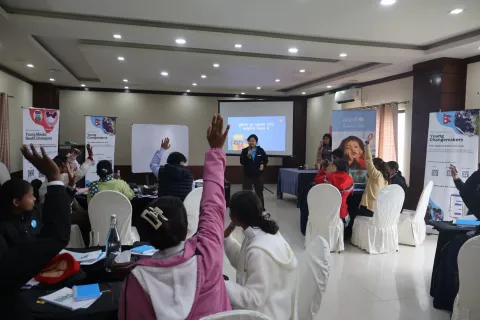
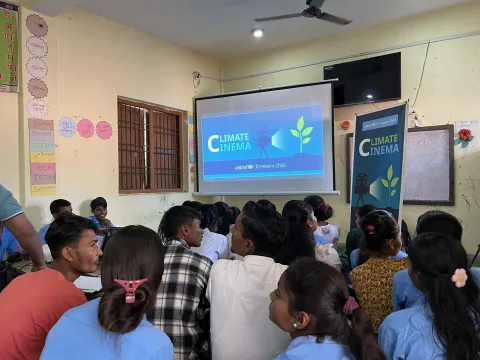
The report finds that while Nepal has made important progress in climate, environment and disaster risk governance, stronger action is needed to ensure that climate policies, financing and programmes are more child-sensitive and rights-based. It outlines key opportunities for UNICEF Nepal and partners to protect essential services, strengthen evidence and systems, and support children and adolescents as active participants in climate action. The CLAC serves as a foundation for more coherent, inclusive and child-centred climate action that helps protect, prepare and empower Nepal’s youngest generation in the face of accelerating climate and environmental change.