

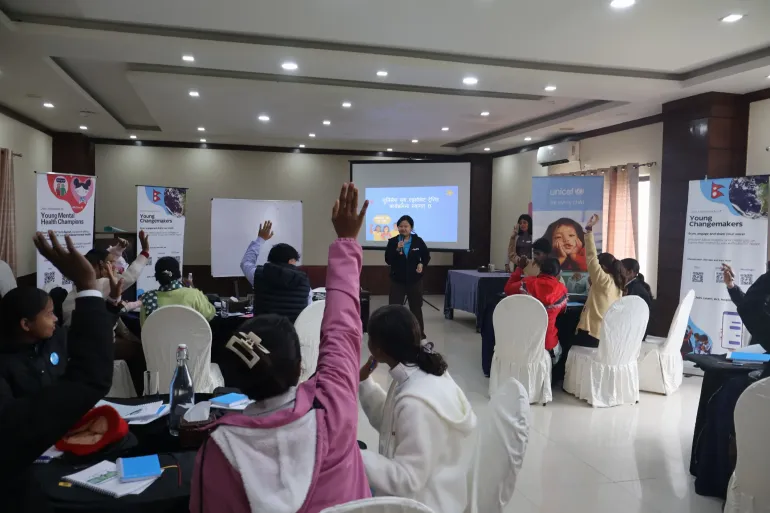
Nepal: “My time at this training has made me realize my potential and trust myself more than ever. I’ve even gained the confidence to step on a stage and speak.”
These words were shared by a young participant at one of UNICEF’s Youth Advocate Trainings in Nepal. But this sentiment was not unique. It echoed throughout every workshop. Again and again, children spoke about discovering something new within themselves – sometimes confidence, sometimes a sense of belonging, sometimes simply the feeling of being heard.
So, what was the Youth Advocate Training?
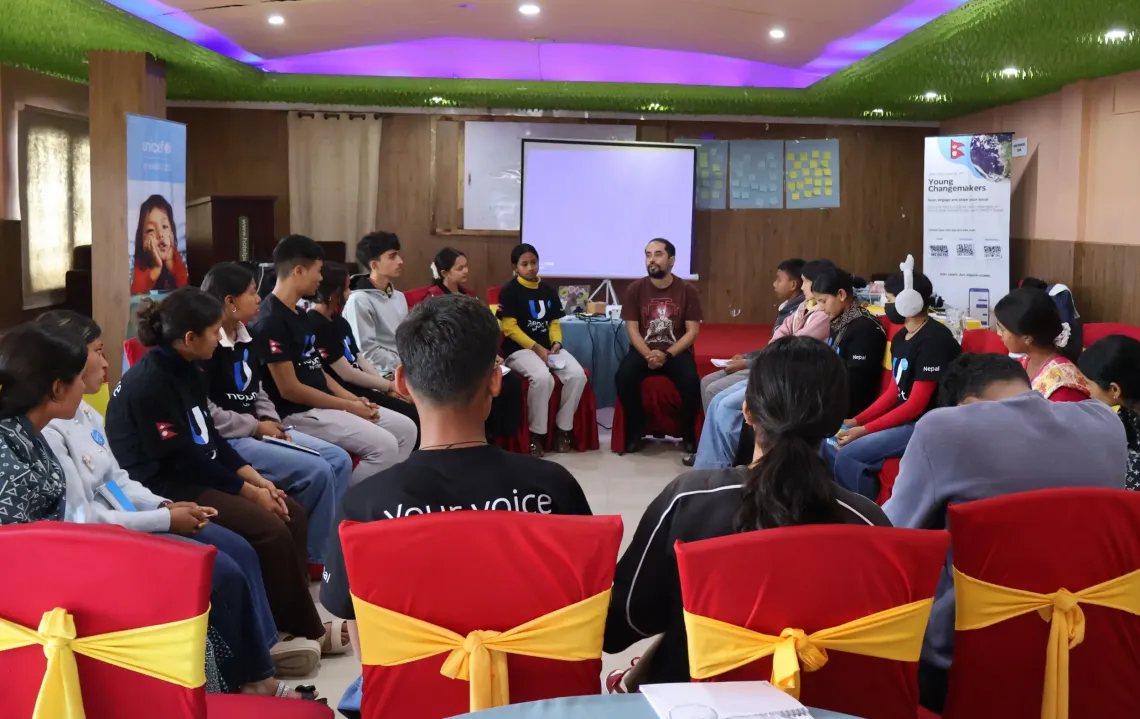
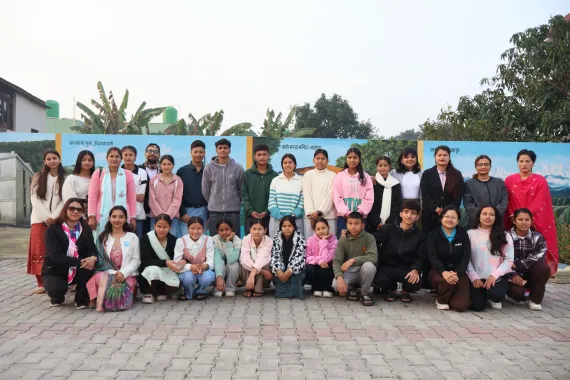
It was a series of trainings organized by UNICEF in 2025 and 2026 across five provinces of Nepal, bringing together 100 children from diverse backgrounds and geographies. Beginning in Bagmati Province in November 2025, the training then moved through Madhesh, Lumbini and Karnali, before concluding in Sudurpaschim in February 2026.
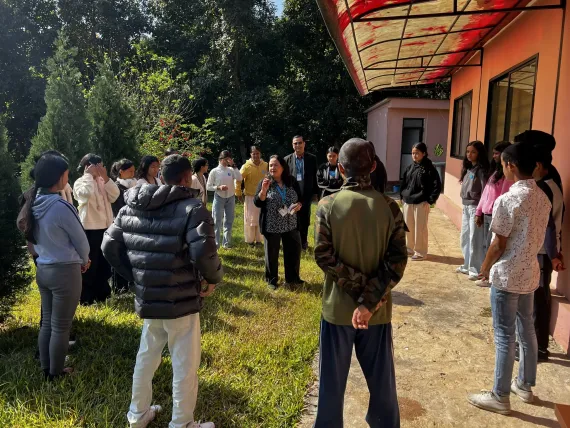
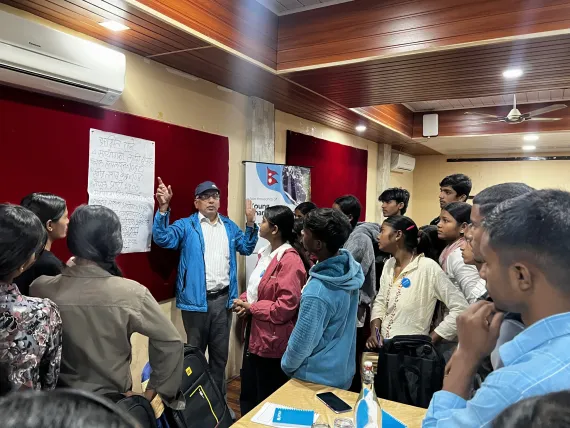
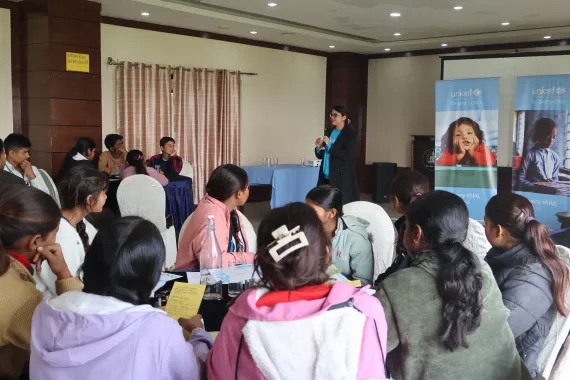
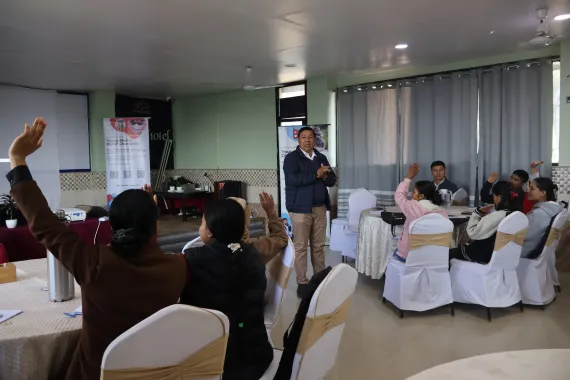
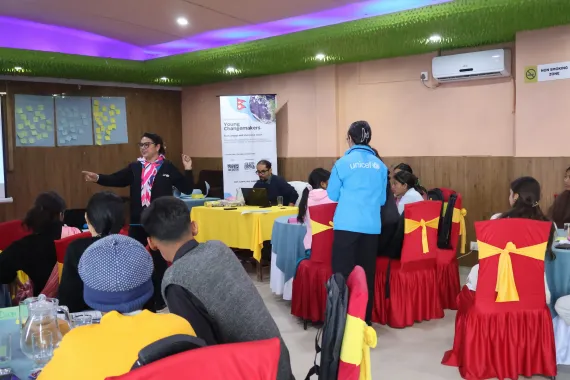
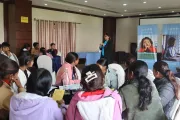
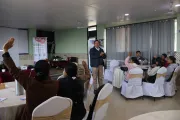
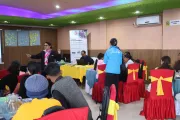
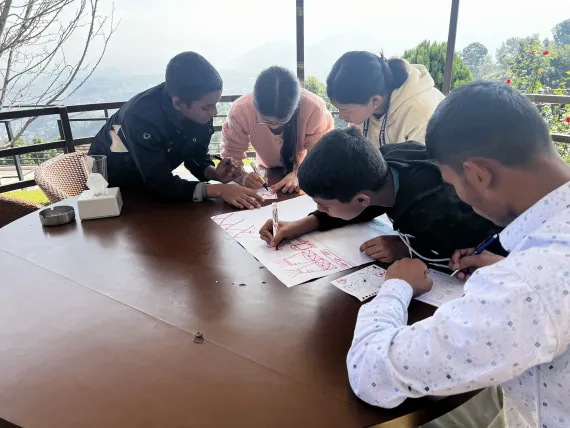
Each training lasted five days and focused on building children’s skills in communication, leadership, advocacy and storytelling, along with focused sessions centred on two key themes: climate change and adolescent girls’ empowerment.
The climate sessions introduced children to the realities of climate change – from global frameworks and national policies to what it looks like in their own communities.
Conversations quickly moved away from technical language and toward lived experience: heatwaves that made classrooms unbearable, floods that destroyed homes, and droughts that affected farming families. From there, the focus shifted to action: what could realistically be done, starting at the community level.
The sessions on adolescent girls’ empowerment, meanwhile, sought to create a safe space for participants to reflect on gender roles, social expectations, and persistent beliefs and practices.
Girls spoke openly about the challenges they face, while boys were encouraged to think about allyship and responsibility.
What stayed with me most across all five trainings were the stories children shared, sparked by the sessions and shaped by their lived realities.
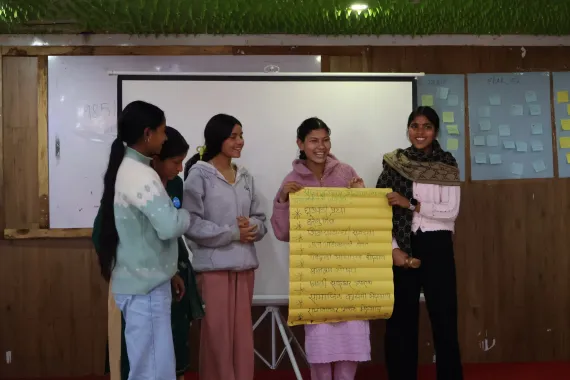
Listening to them made me realize how often adult assumptions about children and young people miss the mark.
Despite their age, many – I realized – carry heavy emotional and social burdens.
One participant shared, “I was treated as untouchable when I went to my friend’s house. They told me to sit outside on the ground. I had never felt so small. I want to work for my community so no one else has to feel what I felt.”
Another spoke about her family’s experience: “My mother left home because she did not have a son. Society was cruel to us. People pitied us. Only after we had a baby brother did society accept us.”
From family hardship to social stigma, the stories were deeply personal. Different lives, different struggles. And yet, alongside this pain, there was also resilience and strength.
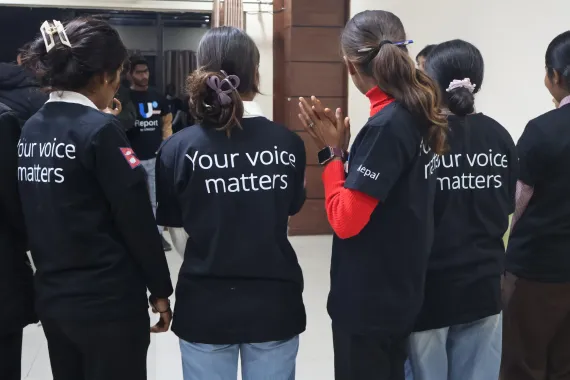
What also surprised me was realizing how many of these children were already advocates in their own right. Some were leading waste-segregation initiatives in their schools.
Others were speaking out against early marriage. Some were challenging gender norms within their own families.
One participant, for instance, shared how they helped stop a friend’s early marriage by talking to her family about lost dreams and missed opportunities.
“They were about to force the same future on their daughter without realizing it,” they said.
These children carry a strong sense of justice and an urgency to act. The training then helped them think more clearly about how to advocate safely and effectively, for example, by identifying support systems, allies, and find ways to protect themselves along the way.
Over five days, the change in them was visible. Children who were hesitant at first began raising their hands. Those afraid of being judged started encouraging others. By the end, many spoke about taking what they had learned back to their schools, clubs, communities and families.
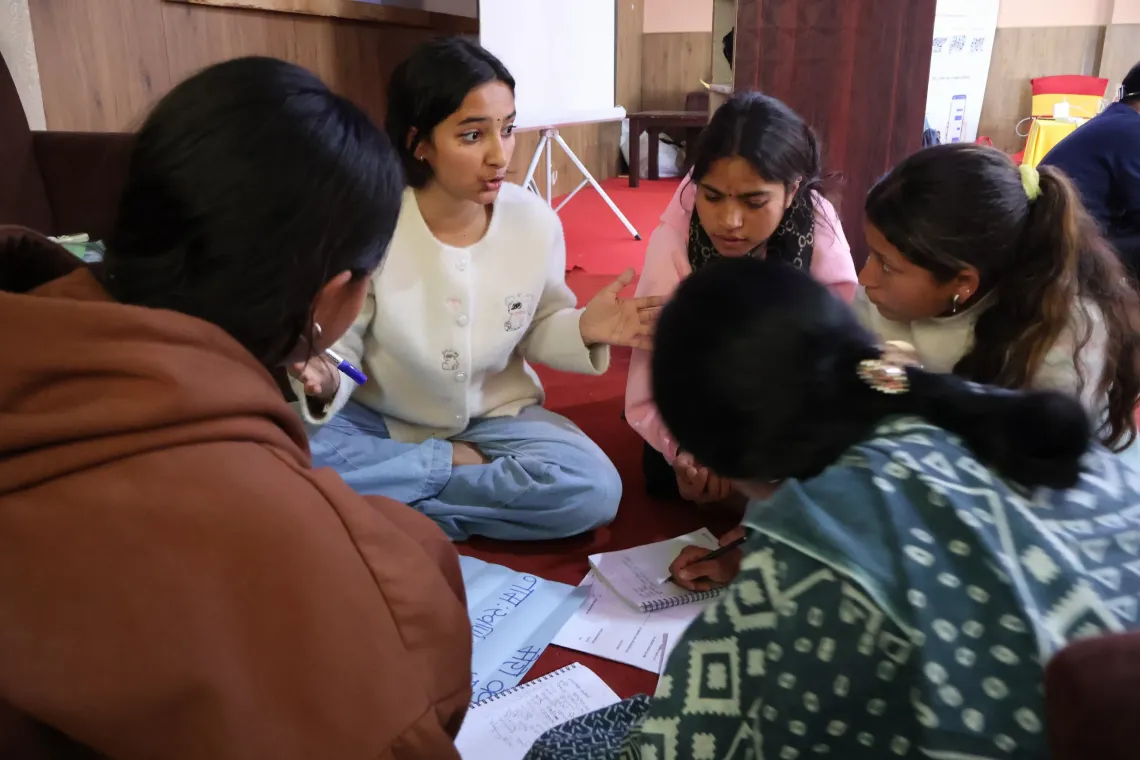
Witnessing this transformation – confidence growing, connections forming, voices becoming stronger – was deeply moving for me. It made me think, if five days can spark this kind of change, imagine what continued engagement and support could do. Sometimes, I realized, all it takes is a safe space and a little encouragement to spark change.
As one participant said, “What I truly wanted was someone who believed in me.”
Across Nepal, there are thousands of children and young people like these, children who are carrying stories and strength, and countless possible futures waiting to take shape.
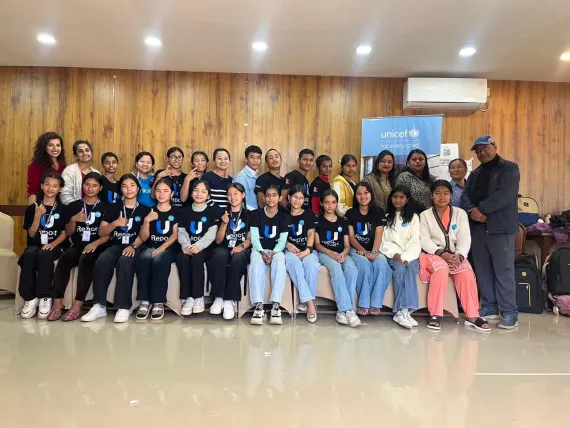
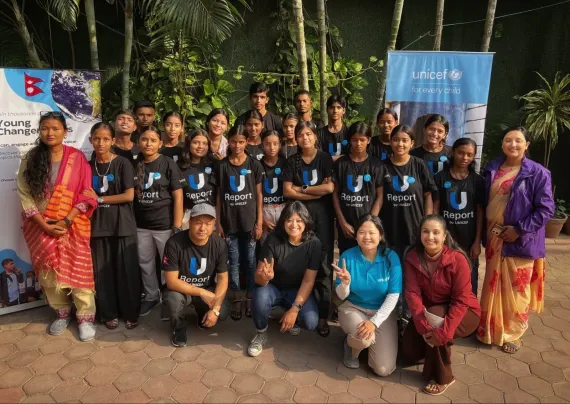
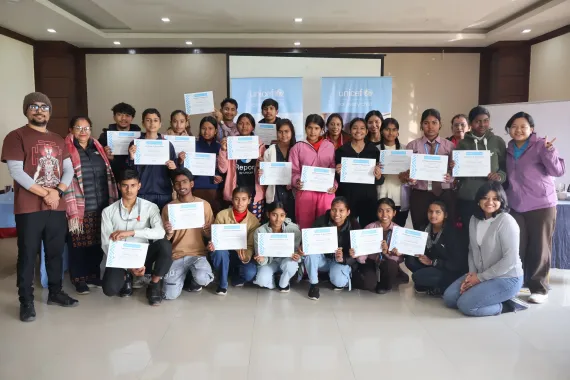
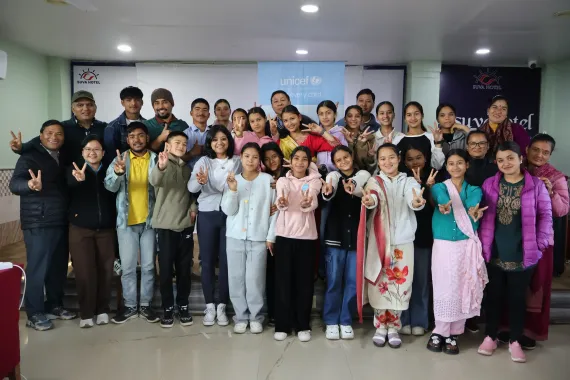
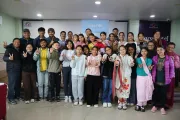
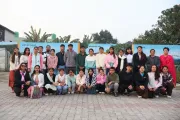
The UNICEF Youth Advocates Programme engages children and young people as partners, providing a platform to raise awareness and advocate for positive change. The programme is built on the belief that when children’s voices and actions are elevated, decision-makers will act in support of every child.
Of the 100 participants in Nepal’s trainings, children selected provincial youth advocates for each theme through a peer-selection process, resulting in ten youth advocates nationwide. From these ten, two national youth advocates – one for climate action and one for adolescent girls’ empowerment – will be selected in 2026. This will mark the second cohort of Youth Advocates for UNICEF Nepal, following the success of the first cohort in 2021.

