At Namerrecua, sanitation keeps children learning
For many children, access to water and sanitation is not only about infrastructure. It is about dignity, safety and the opportunity to continue learning without interruption.
- Português
- English
Montepuez, Cabo Delgado — At Namerrecua Primary School, going to school did not always mean having a safe place to learn how to read and write. For many children, especially girls, every school day came with fear, shame, and difficult choices.
With 676 students, the school had only one improvised latrine made of grass. Fragile and almost falling apart, the structure had no water, privacy, or adequate safety for the children who used it. Many avoided it. Some relieved themselves in open spaces around the school, affecting hygiene and sanitation conditions. Others returned home during school hours to meet their basic needs.
For many girls, the situation was even more difficult. The lack of privacy became especially challenging during menstruation, when managing personal hygiene with dignity was almost impossible.
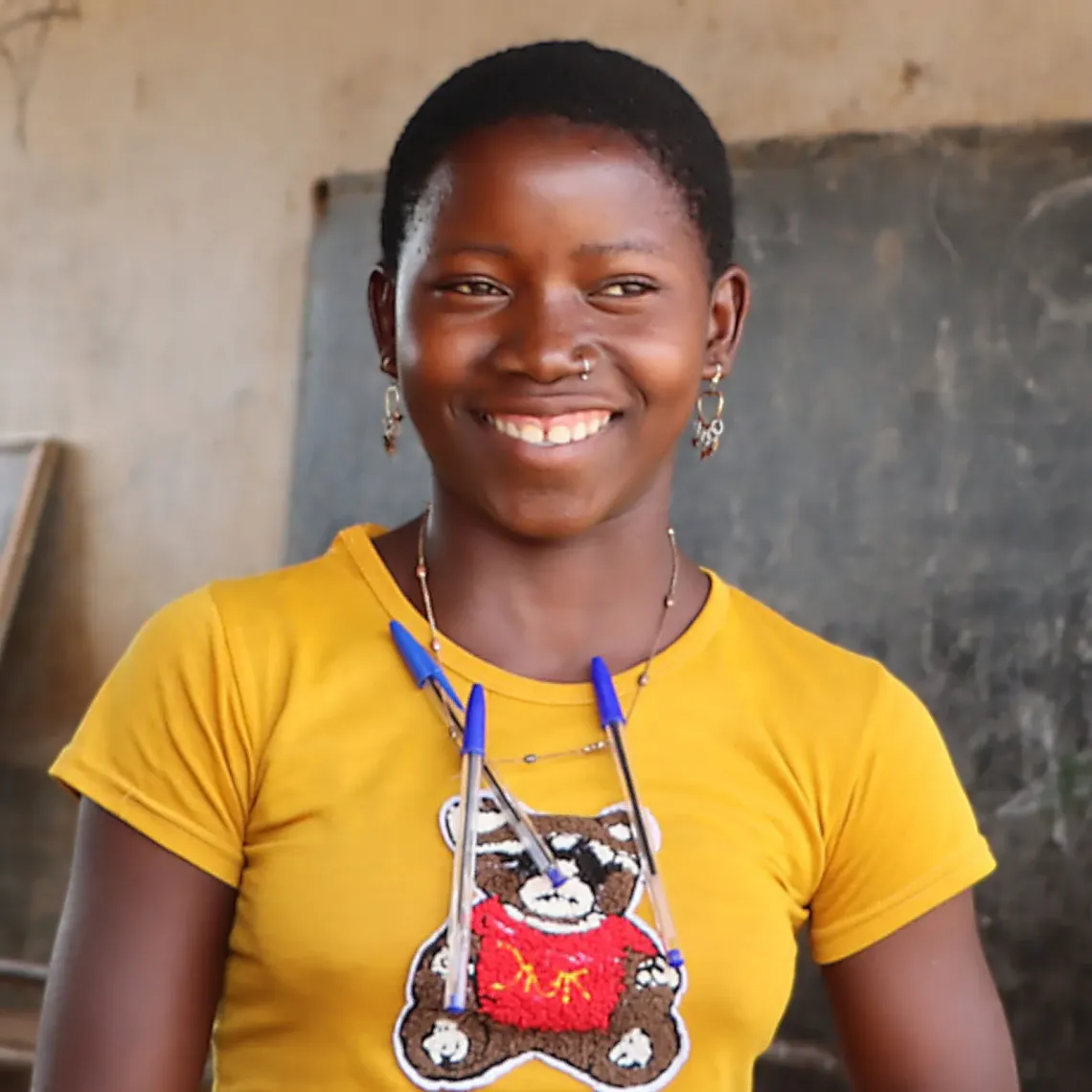
I felt very ashamed to use the toilets because anyone could see me. When I was menstruating, I preferred to go home during break time so I could manage my hygiene.
“I felt very ashamed to use the toilets because anyone could see me,” says 11-year-old Márcia Abibo, a Grade 4 student. “When I was menstruating, I preferred to go home during break time so I could manage my hygiene.”
Márcia’s words reflect the reality faced by many girls, for whom the lack of proper sanitation became an invisible barrier to education.
“Going home was an option, but I did not like it because I was afraid of leaving my notebooks in the classroom and someone stealing them during break time,” she adds.
Without water, the old toilets remained dirty and difficult to use. For girls and adolescents, especially those who were menstruating, the situation often caused them to miss classes.
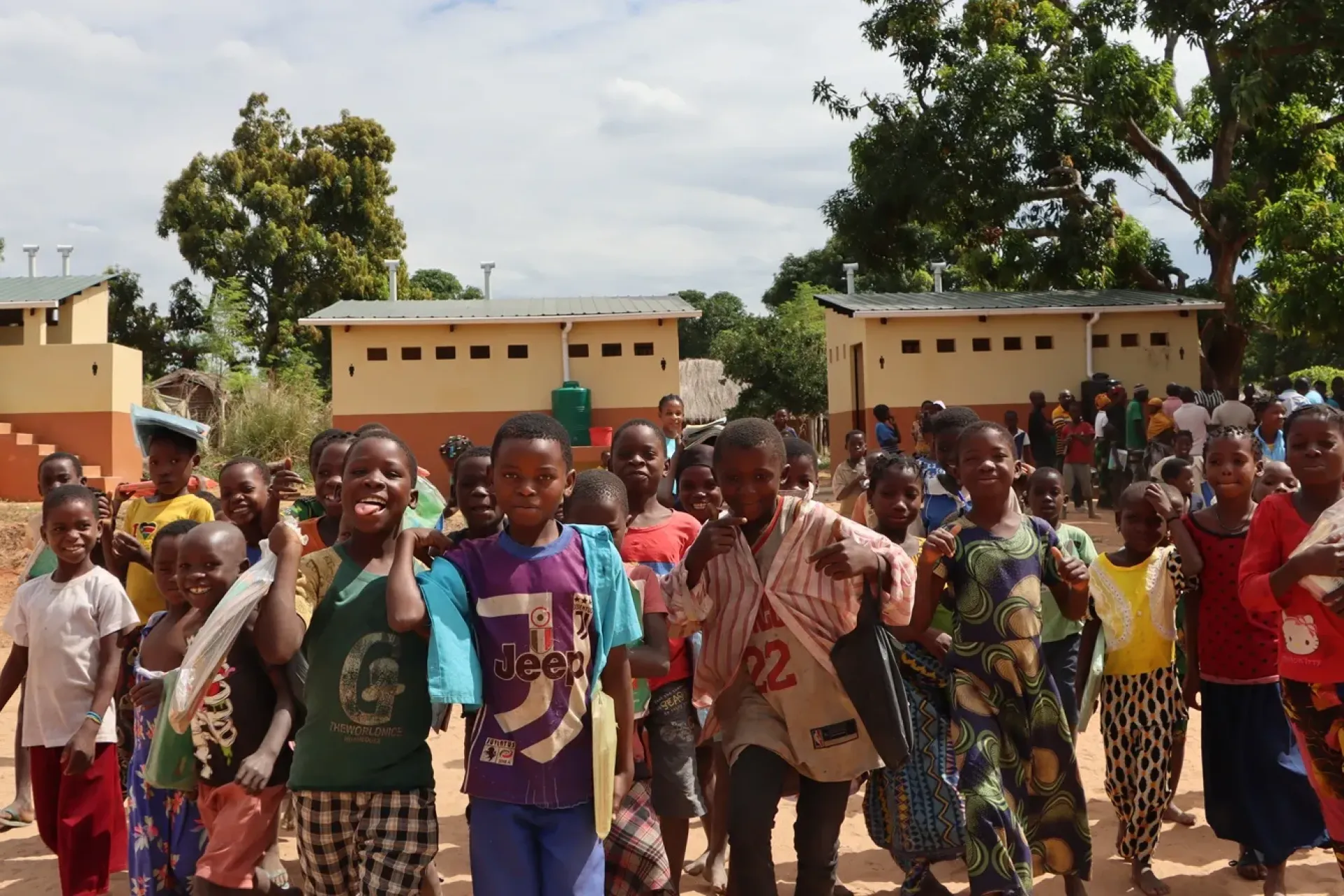
With support from UNICEF and funding from the European Union, Namerrecua Primary School received three new inclusive sanitation blocks: one for teachers, one for girls, and one for boys.
For Rendi Duarte, a Grade 3 student, the most important change at his school has been the construction of the new toilets. He no longer needs to spend time walking home whenever he urgently needs to use the bathroom and can now focus better on his lessons.
Since we started using these new toilets, I no longer need to go home to drink water or use the bathroom.

“Before, I had to return home whenever I needed to use the toilet because the school bathrooms were not in good condition and were almost collapsing,” he recalls. “Since we started using these new toilets, I no longer need to go home to drink water or use the bathroom. I can use them whenever I want without anyone seeing me.”
For many children, access to water and sanitation is not only about infrastructure. It is about dignity, safety, and the opportunity to continue learning without interruption.
The improvements are also helping promote safer hygiene practices, reduce school absenteeism, and create a more inclusive environment where girls and boys, with and without disabilities, can enjoy their right to safe hygiene and sanitation.