

Devastating earthquakes hit Venezuela
Thousands of children and families face the lasting impacts of disaster.
- English
- Español
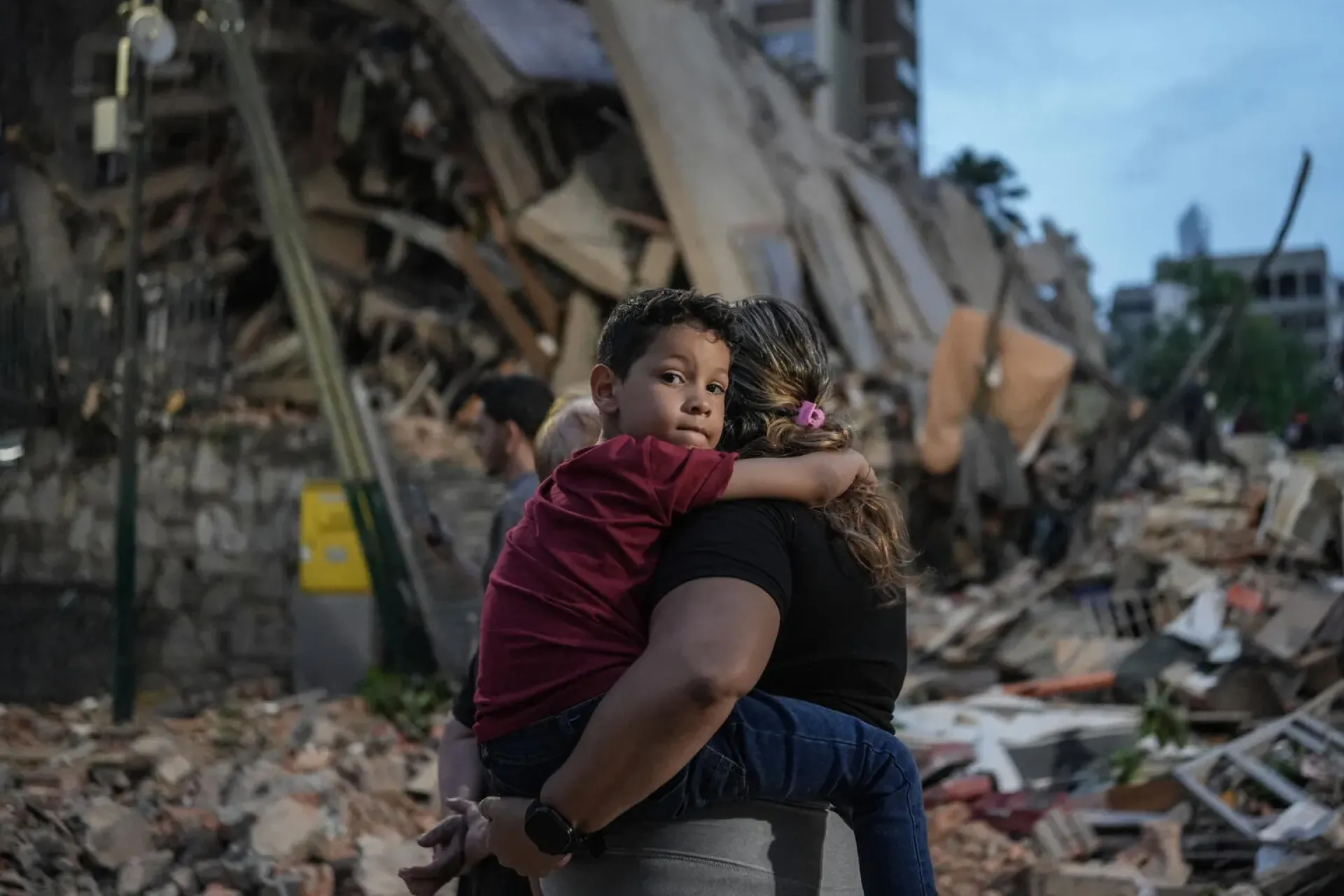
Two major earthquakes that rocked Venezuela on 24 June 2026 left thousands of children in need of safe shelter, clean water and urgent care. In the weeks after a disaster strikes, children are among the most vulnerable – at risk of acute distress and injury as the essential services they depend on buckle under strain.
UNICEF has scaled up our emergency response, working alongside the Government of Venezuela and other humanitarian partners to reach children and their families with healthcare and nutrition support, water and sanitation, and psychosocial and protection services.
Donate to support UNICEF’s response in Venezuela
What happened in Venezuela?
Thousands of children and their families face the lasting impacts of displacement, damaged infrastructure and disruption to essential services after 7.5- and 7.2-magnitude earthquakes shook Venezuela in what’s been described as the country’s most significant seismic event in over a century.
The hardest-hit communities reside in Caracas and the states of Aragua, Carabobo, Falcón, La Guaira, Miranda and nearby areas. Damage to health facilities and hundreds of schools is still disrupting essential services for thousands of children.
Why are children especially vulnerable?
Children need urgent and specialized care after an earthquake strikes. In the hours and days that follow, children risk being separated from their families or displaced from their homes – cut off from critical protection. Many among the dead and wounded are parents or caregivers.
Children are also vulnerable to serious injury, less aware than adults of the environmental dangers and hazards an earthquake can trigger – like falling objects, broken glass or potential fires.
Acute distress affects children differently too. While many may seem okay in the month or so ahead, symptoms of trauma can appear after the numbness wears off. This makes psychosocial support a critical part of emergency response efforts.
What do children need immediately?
Most urgently, children need medical care (including psychosocial support), safe drinking water and shelter. They also need temporary learning spaces to come together with friends and regain a sense of safety and normalcy.
What’s UNICEF doing to help?
UNICEF teams are on the ground, supporting national efforts alongside humanitarian partners, to deliver critical care to children and their families.
In the days immediately following the earthquakes, UNICEF dispatched supplies from its regional warehouse in Panama and global supply hub in Copenhagen, including emergency health kits, water purification and storage supplies, wheelchairs, tents for child-friendly spaces, and recreational materials.
So far, UNICEF support includes:
- Delivering water, sanitation and hygiene (WASH) supplies, including tens of thousands of litres of safe water and family hygiene kits.
- Supporting mobile health teams that provide primary health consultations and vaccinations.
- Establishing child-friendly spaces to reach hundreds of children and adolescents with psychosocial support and recreational activities, and provide parents with mental health support.
- Activating child protection teams to enable identification and referral services.
- Establishing breastfeeding stations in temporary camps to provide counselling and assistance to mothers.
UNICEF estimates that US$52 million is required to respond to the earthquake, as part of our wider 2026 Humanitarian Action for Children appeal for Venezuela, which stands at US$137.6 million. We’re asking our partners, donors and international community to act swiftly through flexible funding that helps us reach the most vulnerable children, at their most vulnerable moment.
Read the latest
On the ground before, during and after an emergency
UNICEF is on the ground before the news breaks, ready to deploy with life-saving assistance in more than 190 countries and territories. We work with governments and other partners to mobilize rapidly and efficiently when disaster strikes.