Adopting a Humanitarian-Development-Peace nexus approach in Nyunzu
Peacebuilding and the provision of better services encourages displaced people to return home
- Français
- English
Inter-community violence in 2016 and 2017 in Nyunzu in Tanganyika province left many people dead and injured and destroyed basic social infrastructure. More than 350,000 inhabitants left their homes during these two years.
In response to these challenges, UNICEF and its partners implemented a nexus approach in Nyunzu, aiming to meet immediate needs while establishing sustainable systems and contributing to lasting peace in the area.
UNICEF worked closely with the Congolese government and other humanitarian, development and peace-building actors under an effective coordination structure to ensure coherent and coordinated planning in line with local development plans.
Thanks to these efforts towards peace and reconciliation combined with improved social services more than 240,000 people felt safe enough to return to their villages in 2022 and 2023.
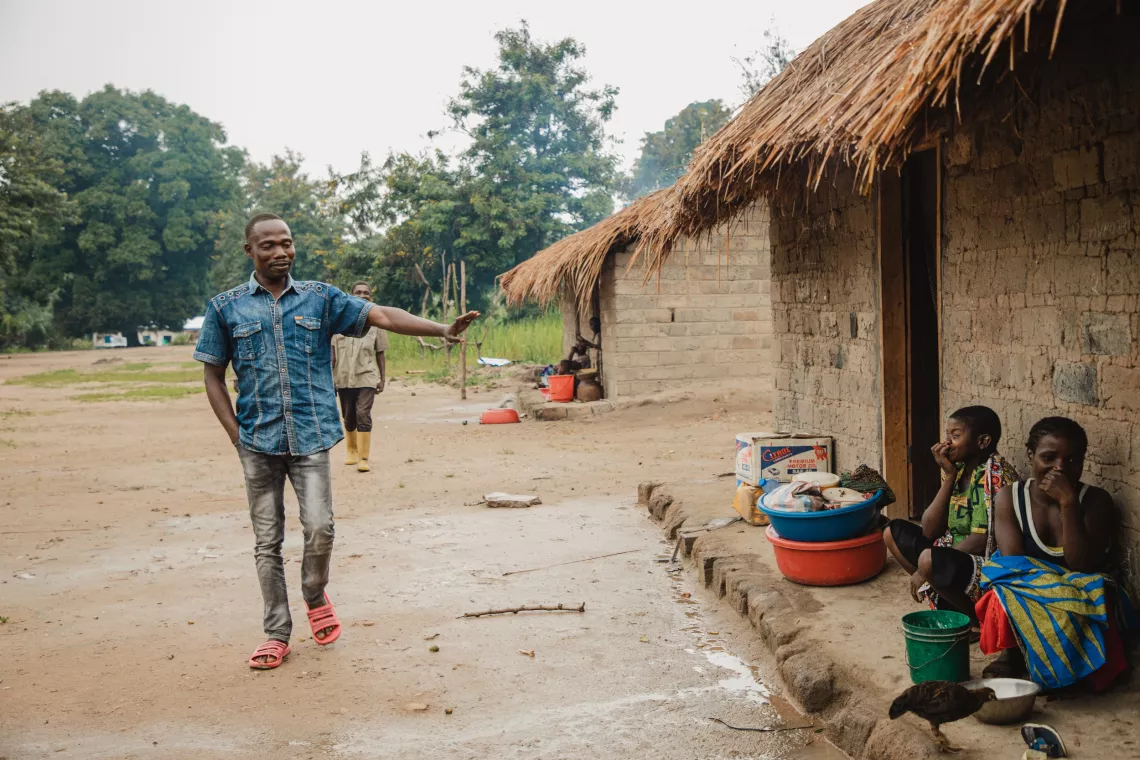
Enjoying peace after years of conflict
Mwamba Kabatalanga Baruti is chief of Ngoy village, which lies 65km south of Nyunzu. He is responsible for helping to oversee local amenities including the school and hospital in his community, which is 60 per cent Twa and 40 per cent Bantu.
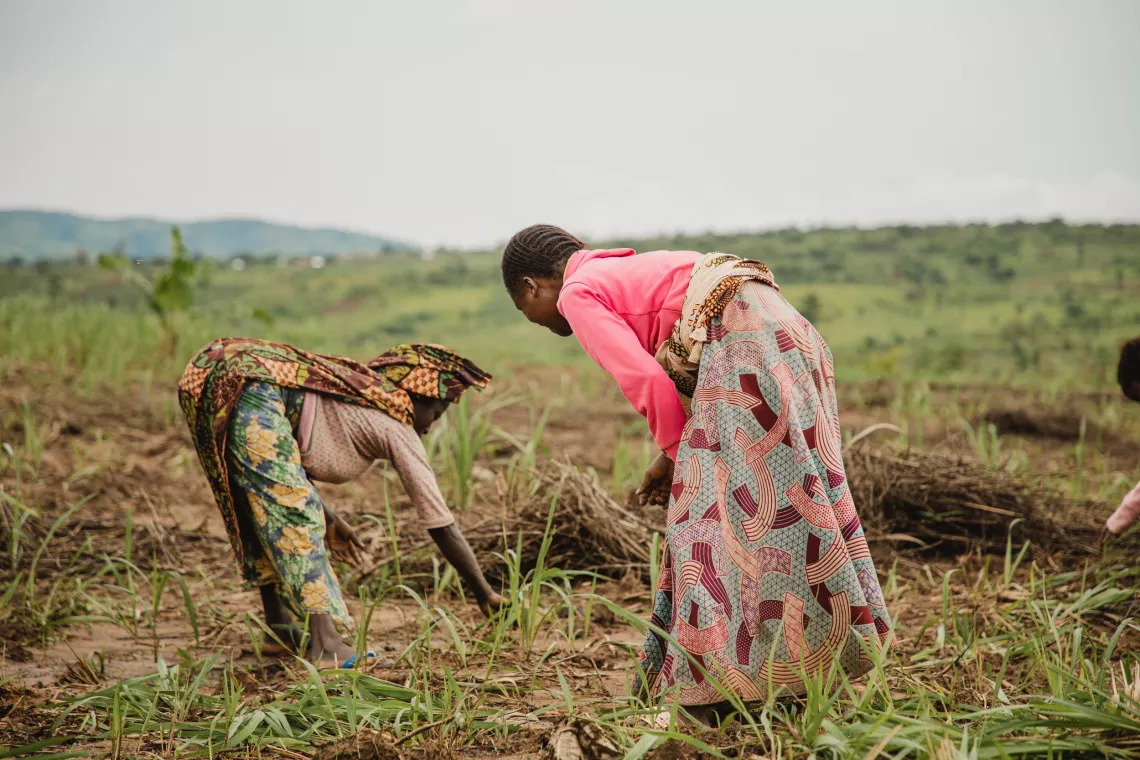
Peace dividend allows villagers to grow their own food
Two years ago, the village of Djuma Mbil, was deserted and the surrounding fields lay empty. A mass exodus from the village following violent conflict between the Bantu and Twa communities had brought all agricultural work to a halt.
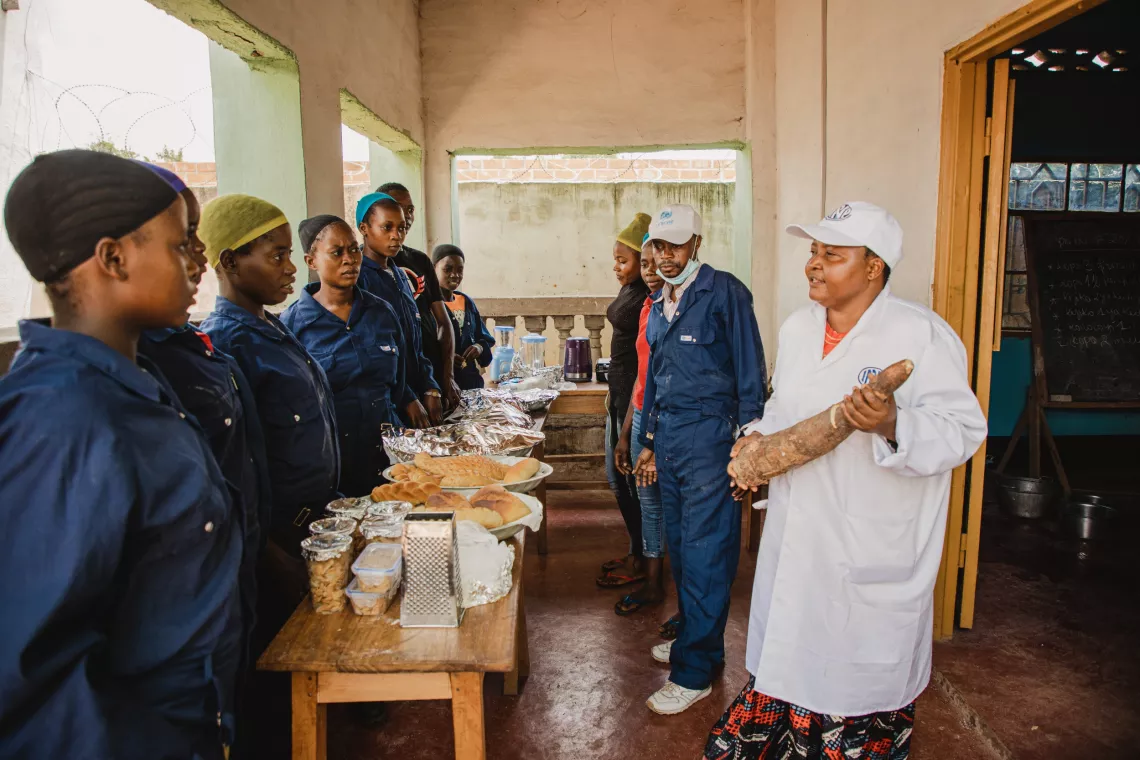
Nyunzu training project provides out-of-school adolescents with new opportunities
The Institut National de Préparation Professionnelle (INPP) training centre in the Kamituga area of Nyunzu is buzzing with activity as 77 adolescents in boiler suits carry out a variety of tasks including masonry, carpentry, brick laying, mechanics, soap making and food preparation.
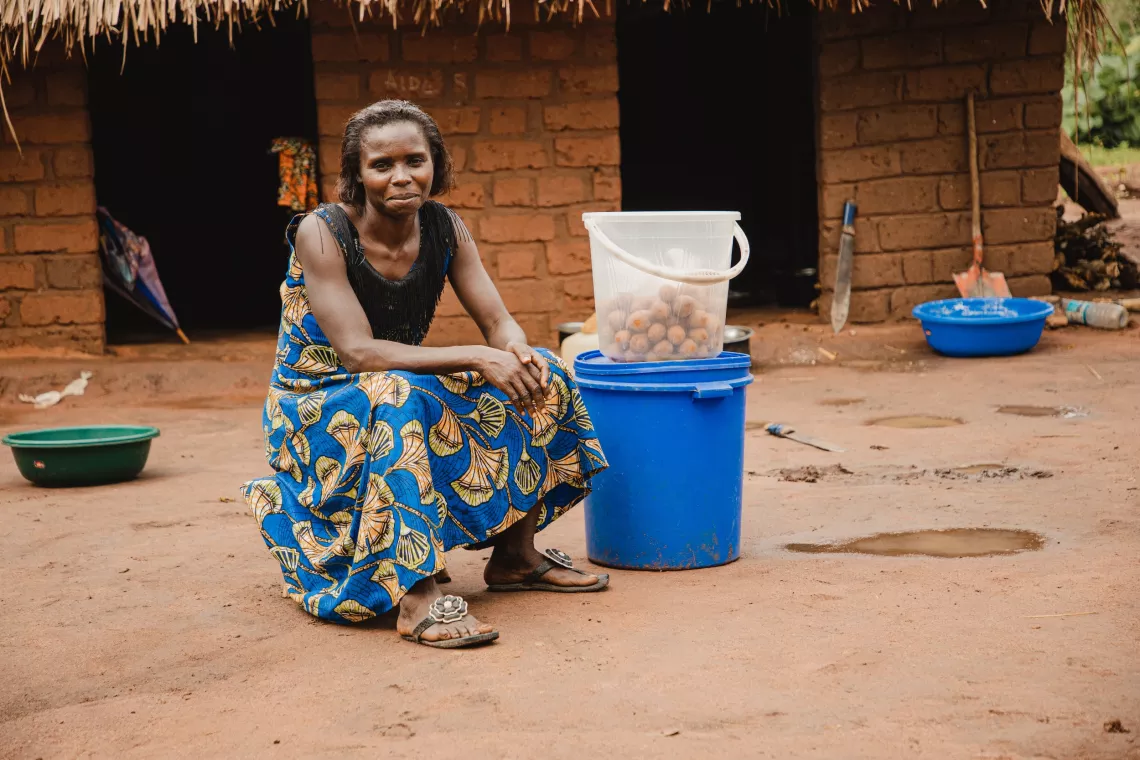
UNICEF cash transfers help build community resilience
As one of the multiple interventions being implemented as part of the overall approach, UNICEF introduced humanitarian cash transfers, building on the previous support provided by WFP and FAO with the aim of additionally reinforcing community resilience.
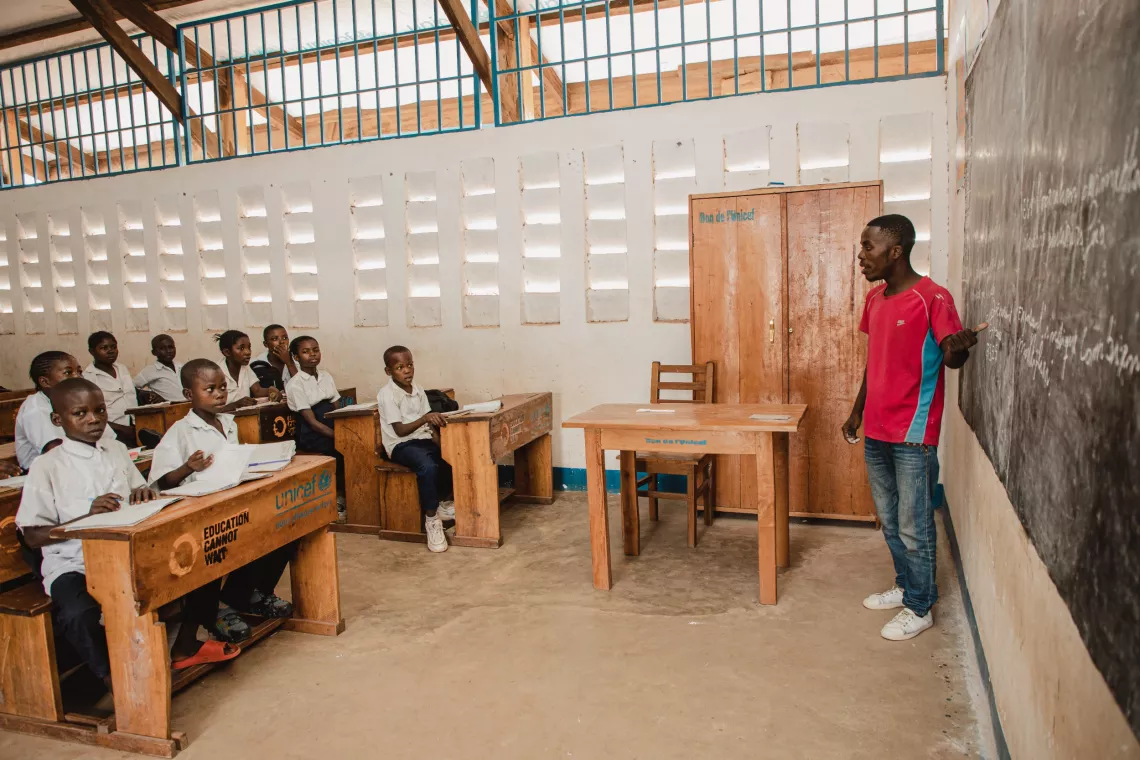
Refurbished school is a beacon of hope in newly peaceful village
Kisimba Lazard is a secondary school teacher at the UNICEF-supported Lubile 1 primary school in the village of Mpungwe. He is currently based at the primary school because both the primary and secondary schools were destroyed during the conflict but, so far, only the primary school has been rebuilt.
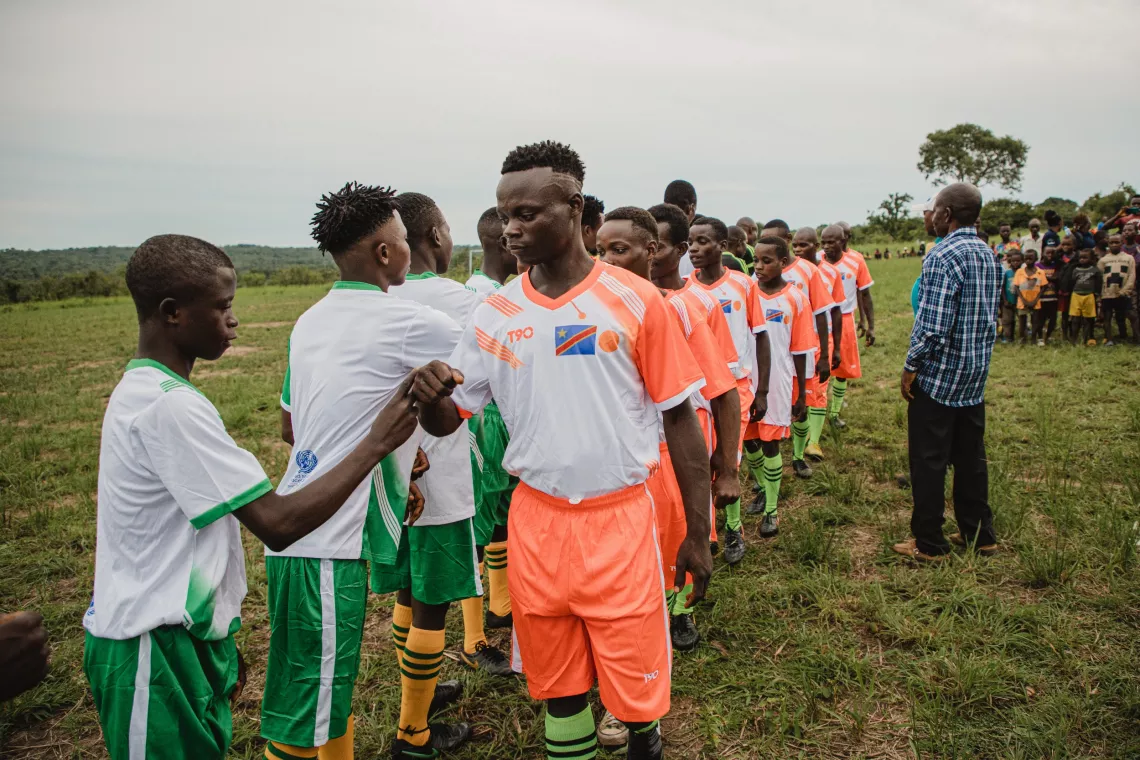
How shared passion for football helps build social cohesion
It is not’s so much a football pitch as a sandpit interspersed with a series of grass tufts. It’s impossible for the players to predict which way the ball will bounce and difficult for them to control the ball. The game is played as broods of hens from the nearby village regularly traverse the pitch, blissfully unaware they could be unintentionally trampled or hit by the ball.
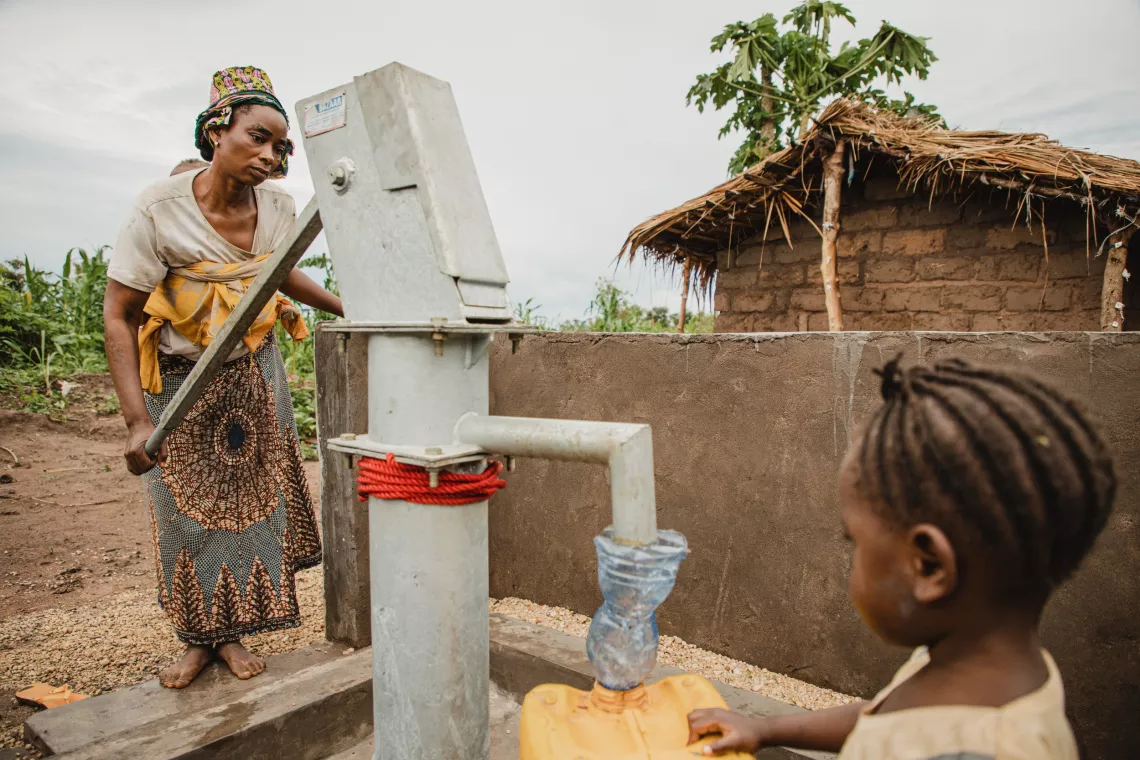
Displaced on multiple occasions – but “life is better now”
After she and her family were displaced numerous times from their village near Nyunzu over the past ten years, 30-year-old mother Mwayuma Luzinga needed to have a compelling reason to risk returning once again.