“If I lose heart, how will my son survive?” – A mother’s fight against Ebola
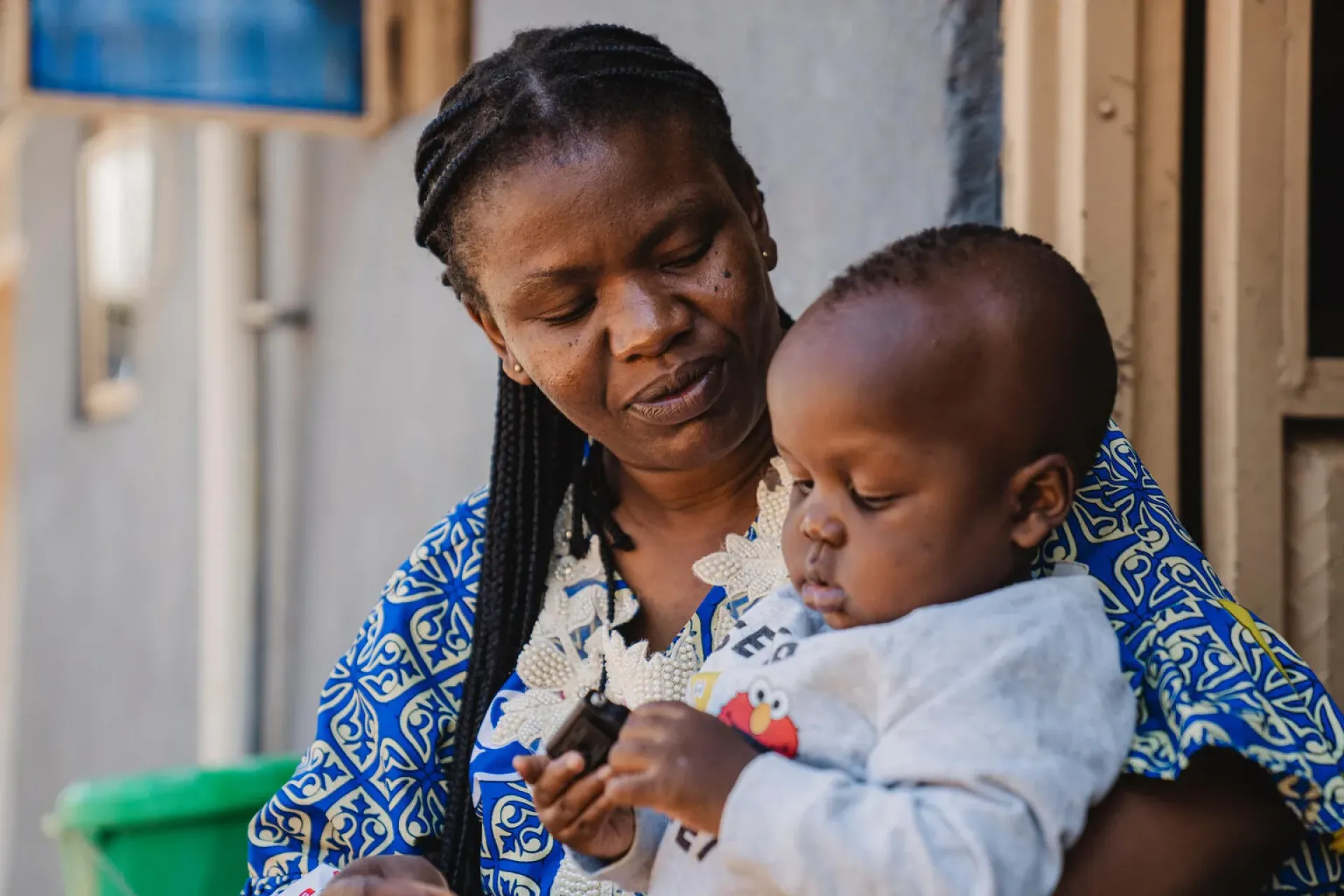
After two weeks in intensive care, a mother and her baby are discharged together, cured, from an Ebola treatment centre in eastern DRC.
- Français
- English
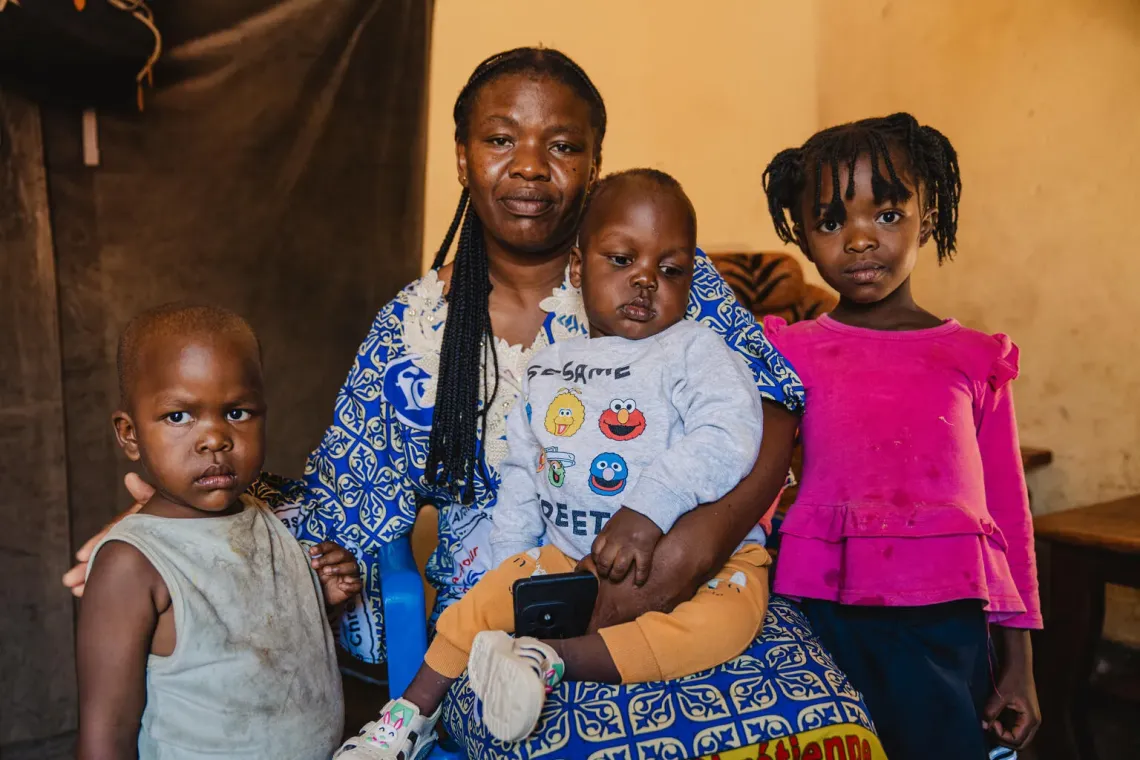
Miki, 15 months old, was admitted to hospital as an emergency case after several days of persistent high fever. His mother, Dr. Mireille Kahindo, a medical doctor in Bunia, had initially taken him to a local health facility, hoping for prompt treatment. But the infant’s condition rapidly deteriorated, and shortly afterwards an Ebola outbreak was officially declared in the region.
A few days later, mother and child were transferred to the Rwampara Ebola treatment centre, supported by the medical charity Alima, where they both tested positive for Ebola.
A fight for survival
At the centre, Mireille faced a double challenge: battling the disease while caring for her son. “He became severely dehydrated, then went into a coma. I cried at night, praying, ‘Lord, you brought me here, will I leave here crying?’” said Dr. Kahindo.
Miki’s condition worsened. Severe dehydration, loss of consciousness, then cardiorespiratory arrest. His mother, exhausted by the illness, was too weak to intervene. The medical teams reacted immediately to resuscitate the child. A few minutes later, Miki regained consciousness.
“When I was told he had woken up, I felt immense relief. From that moment on, I held onto hope,” said Dr. Kahindo.
Children on the front lines of Ebola
Like Miki, children are particularly vulnerable to Ebola epidemics. They represent a significant proportion of cases and are often the most exposed to serious complications and death. Many also face family separations, stigma, or the loss of loved ones.
“During our stay, several people died,” recalls Dr. Kahindo, his voice still marked by the ordeal. “It was extremely difficult. We saw bodies being taken out… and, at the same time, other patients arriving in critical condition. Some left… but not all.”
Support Beyond Medical Care
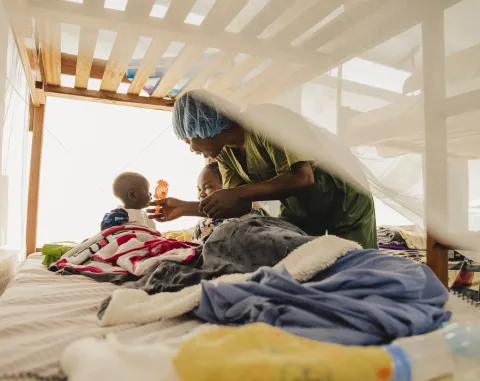
At the treatment centre, care goes beyond medical treatment. Every day, psychologists support patients and their families to help them overcome fear, uncertainty, and trauma.
“Even when we received the results, it was the psychologists who came to us. For my son too… I always expected the worst. I was stressed, of course, but their presence made all the difference. They took the time to talk to us, to soothe us, to remind us that staying calm was essential, for me as well as for my child… They came back every day.” “And that helped us immensely,” explains Mireille.
Under the coordination of the Provincial Division of Social Affairs, UNICEF, in collaboration with its partners, supports protection and psychosocial support services for affected children, families and communities. In Ituri Province, more than 2,500 people have already benefited from individual support provided by trained and deployed social workers and psychologists, particularly in treatment centres.
Healing and restoring hope
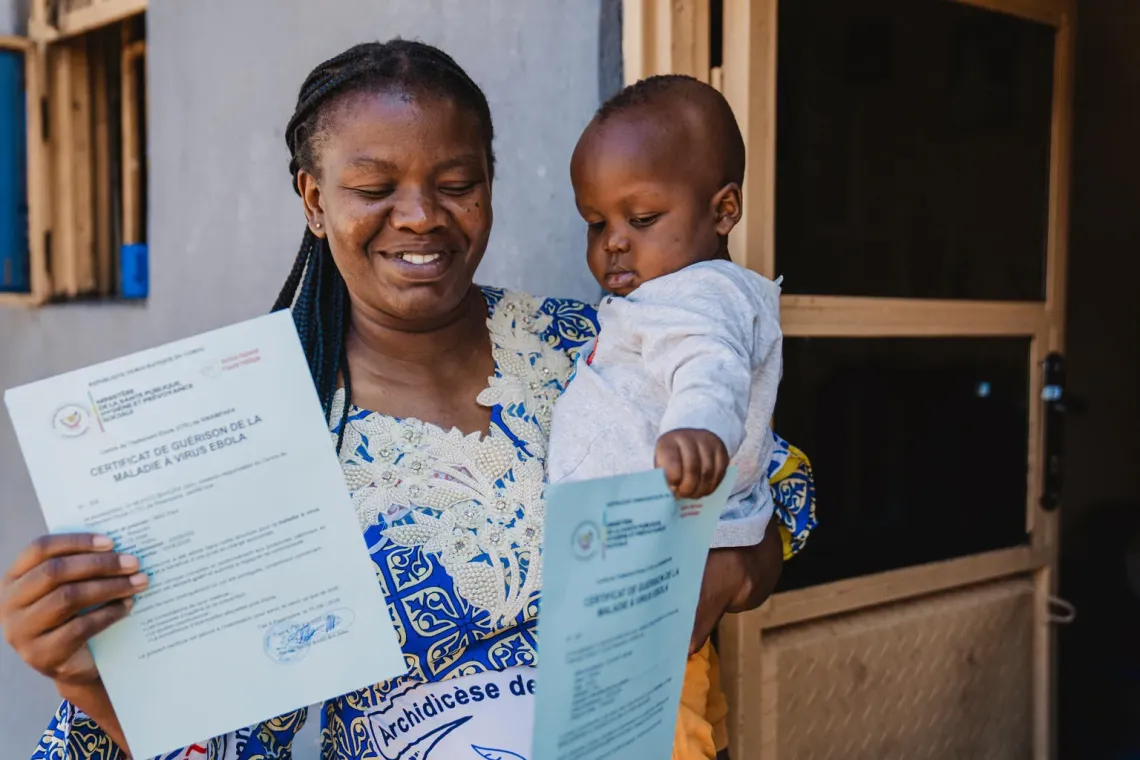
After two weeks of intensive care, Miki and her mother, along with six others, finally received the two confirmed tests that signal they had beaten the virus.
“It was last week. When they told me, ‘Doctor, your results are negative,’ I was speechless for a moment. Then I looked up and whispered, ‘Lord, thank you.’” On 16 June 2026, they left the treatment centre alongside other survivors, carrying their certificates of recovery—a moment filled with emotion and hope.
Turning hardship into commitment
For Mireille, one conviction has now taken hold:
“As long as my son has survived, I know we can overcome this ordeal.” Today, Mireille plans to return to work and become actively involved in community outreach.
Ebola survivors play a vital role in the response. Their experience helps to inform, reassure, and strengthen trust in healthcare services.
Through stories like Miki’s, hope is reborn in the heart of affected communities—a reminder that with early intervention, appropriate support, and ongoing assistance, lives can be saved. Her testimony helps combat fear and misinformation, encouraging families to seek care promptly.