Ebola emergency
An outbreak of the Ebola virus in the Democratic Republic of the Congo (DRC) and Uganda is threatening vulnerable families.
- English
- Français
A rare species of the Ebola virus is putting children and vulnerable communities at risk in the Democratic Republic of the Congo (DRC) and Uganda. The World Health Organization (WHO) has declared the outbreak a Public Health Emergency of International Concern, and cases have been reported in a number of locations, increasing the urgency of the response. Across affected areas, children and families are facing increasing risks – not only from the virus, but from its wider impact on health services and daily life.
UNICEF is rapidly scaling up life-saving support, working with partners to help contain the outbreak and protect children and their communities.
Donate to support UNICEF’s response
How Ebola affects children
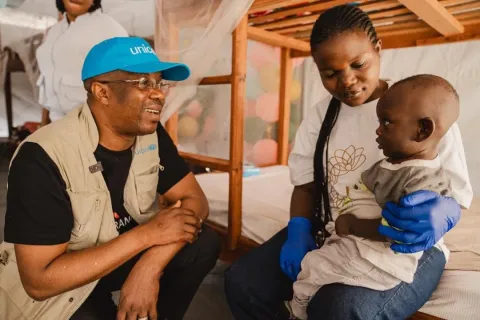
Beyond the immediate physical danger, children may experience lasting emotional distress from witnessing the suffering of loved ones, facing isolation and enduring stigma within their communities. To protect children, the emergency response must address their specific needs:
- Abrupt separation: When parents are taken to treatment centres, children are often separated from their primary caregivers. Infants whose mothers are infected can no longer be breastfed and require urgent nutritional alternatives.
- Loss of loved ones: Children who lose their parents need long-term protection, mediation with extended families who may fear taking them in, and support to return to school – a critical step for their education and mental well-being.
- Stigma and discrimination: The fear surrounding Ebola can leave children isolated within their own communities. Dedicated psychosocial support is vital to help them feel accepted, valued, and supported.
- Child-specific medical care: Infected children require specialized nursing and rehabilitation. Malnourished children need therapeutic food formulated specifically for their bodies.
What’s happening now?
The current outbreak is already the fastest-growing Ebola outbreak ever recorded, and the largest in the history of the Democratic Republic of the Congo. It is being driven by the Bundibugyo species of the Ebola virus, which is believed to have begun circulating in April.
By 12 July 2026, almost 2,000 Ebola cases had been confirmed in DRC. For children and families already living in fragile conditions, the situation is made worse by ongoing conflict, limited humanitarian access and high levels of cross-border movement, all of which complicate containment efforts and increase the risk of transmission.
Crucially, there is currently no approved vaccine or specific treatment available beyond supportive care.
It is urgent to engage with communities and provide information about the virus, help to find cases and get them the help they need, trace contacts, provide testing, and ensure other essential services continue. The backdrop of a rapidly deteriorating humanitarian situation makes this harder. Health workers and frontline responders are also at risk and are working under enormous pressure to prevent further spread, in extremely difficult conditions. Their protection is paramount.
How UNICEF is responding to the Ebola outbreak
In Democratic Republic of the Congo, UNICEF is working with partners and building on extensive experience from Ebola responses in eastern DRC, to:
- Reinforce infection prevention in health facilities, schools, and communities, including establishing pre-triage, isolation and care areas, and the provision of infection prevention and control kits.
- Strengthen community health and surveillance, including active case finding and contact tracing.
- Engage communities, local influencers and religious leaders to counter misinformation, build trust in institutions, and promote early care-seeking and safe and dignified burials.
- Provide child protection and mental health support, including dedicated psychosocial support to affected families, survivors, and frontline workers, as well as temporary care arrangements for children separated from caregivers admitted to Ebola treatment centres.
In Uganda, UNICEF is working with partners and building on the infrastructure, systems and capacities established during the 2025 Sudan Virus Disease response, to:
Reinforce infection prevention in health facilities, schools, and priority points of entry with essential supplies, handwashing facilities, and training for health workers.
- Use multimedia campaigns and social listening to reach at-risk communities and influencers with messages that counter misinformation and encourage early care-seeking.
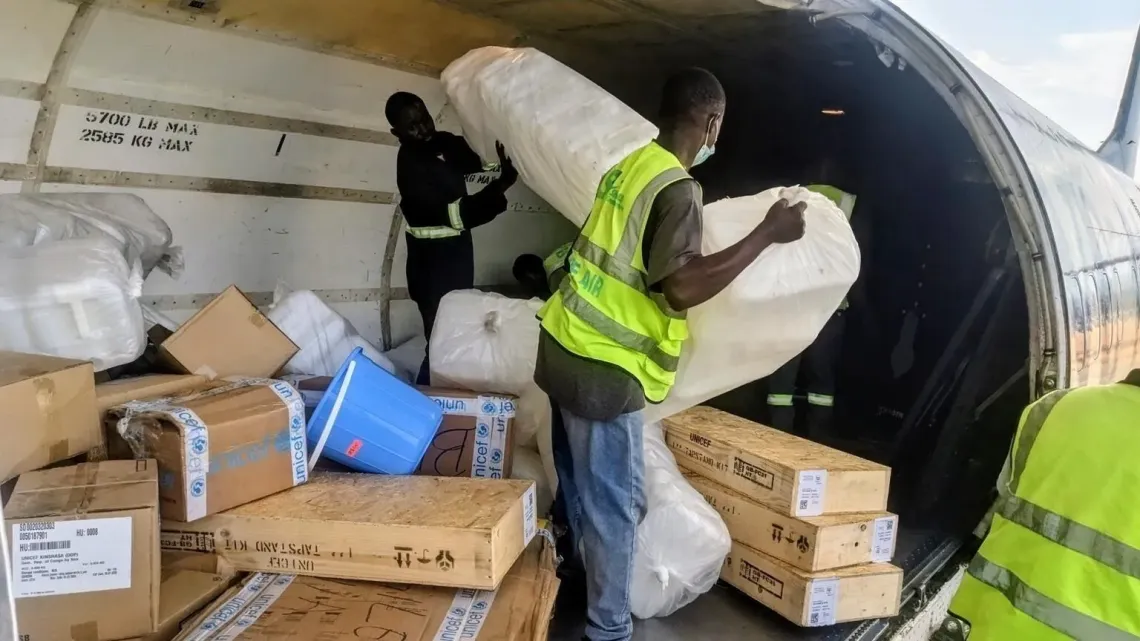
- Provide critical supplies like isolation and care tents, personal protective equipment, and infection prevention and control kits.
- Deliver humanitarian cash transfers for up to three months to support households affected by medical care, isolation, or quarantine.
>>> Learn more about UNICEF’s Ebola response in DRC and Uganda
A proven, community-led approach
During previous Ebola outbreaks, UNICEF established a highly effective, community-led approach that has proven effective in slowing transmission and protecting families:
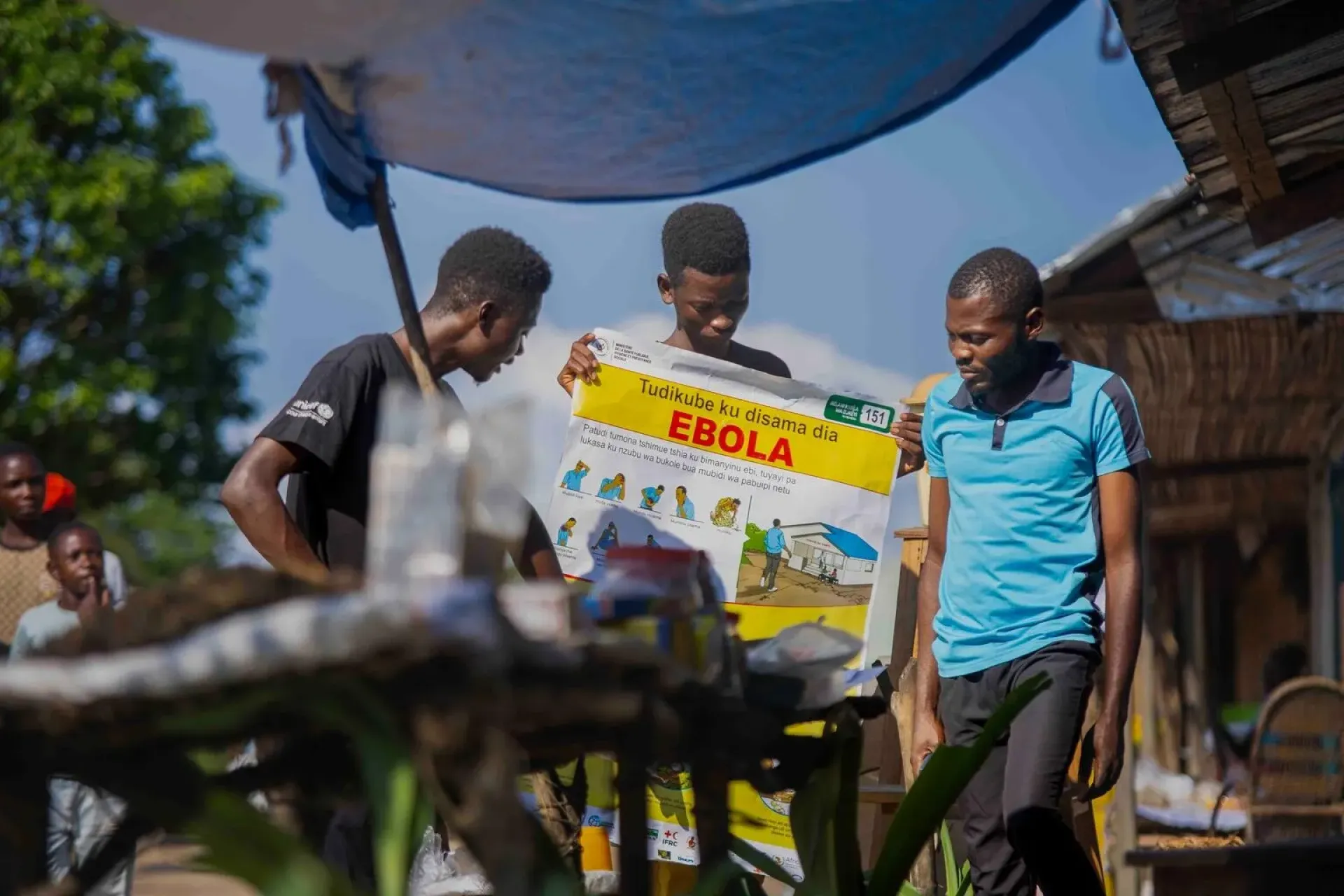
- Building trust through community engagement: Because an Ebola response depends on community trust, UNICEF works closely with local leaders, Ebola survivors and youth and women’s networks. Through channels such as local radio, we also help families understand how the virus is transmitted and how to reduce their risk.
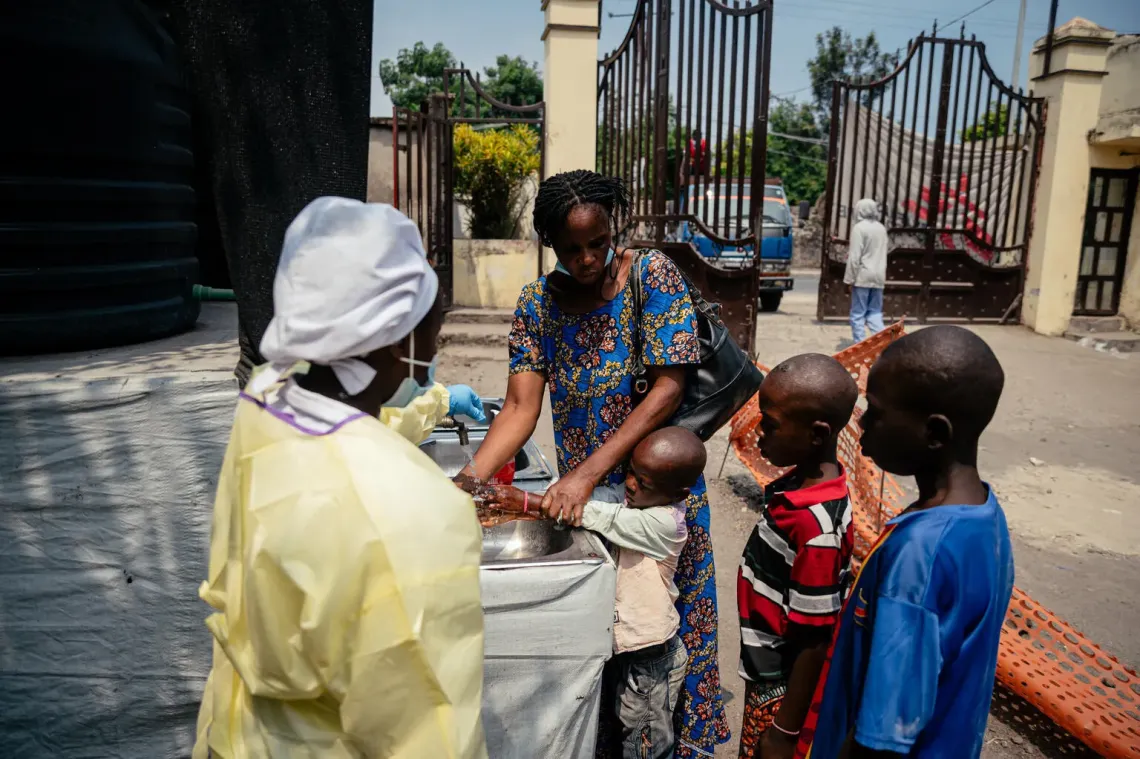
- Infection prevention and control and water, sanitation and hygiene (WASH) interventions: To help stop the spread of the virus, UNICEF trains and equips local hygiene teams to safely decontaminate homes, schools and health facilities when a new case is confirmed. UNICEF also supports the installation of critical handwashing stations and temperature screenings in public spaces.
- Front-line psychosocial support: Drawing on lessons from past outbreaks, UNICEF psychosocial teams provide timely support to affected families. These teams assist families through traumatic moments – from transferring a loved one to a treatment centre, to agreeing to household disinfection or organizing a Safe and Dignified Burial. They also track contact of cases for early detection.
Frequently asked questions about the Ebola outbreak
Through our community engagement platform, U-Report, UNICEF has been working with young people in the Democratic Republic of the Congo, Uganda and beyond to surface critical questions about the Bundibugyo virus disease (BVD) variant and how the outbreak is impacting children and their families:
Questions
BVD spreads through direct contact with the bodily fluids of infected individuals or contaminated surfaces as well as infected wild animals. It doesn’t spread through the air.
Symptoms can include:
- Sudden fever
- Abdominal pain
- Lack of appetite
- Fatigue
- Muscle pain
- Sore throat
- Nausea or vomiting
- Diarrhoea
Symptoms can appear between 2 and 21 days after infection. If you or someone close to you has symptoms, seek urgent medical advice or contact your local health authority immediately.
The best sources for accurate information include:
- Health workers
- Government health authorities
- Social workers
- Trained/informed teachers
- Trusted religious or community leaders
- UNICEF and partners
Rumours can spread quickly during disease outbreaks, so if you hear something that worries you, check with a trusted source.
For a full breakdown of who is at risk, how Ebola spreads and how to protect children, read the full U-Report Q&A.