El Niño 2026-2027: Protect children now, build resilience for every cycle to come

About
The 2026-2027 El Niño cycle is intensifying and is expected to peak between November 2026 and February 2027. Forecasts indicate it could be among the strongest on record.
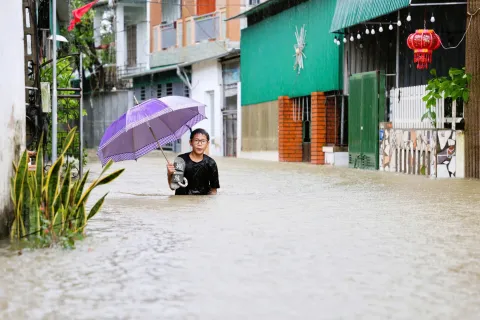
Up to 347.5 million children live in areas likely to be exposed to drier or wetter conditions that could lead to severe droughts or floods.
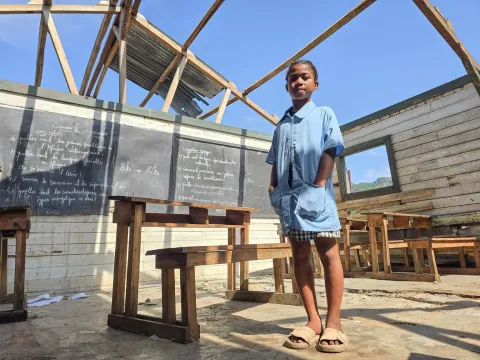
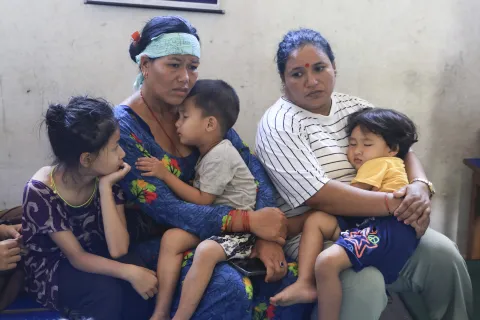
Children will be disproportionately impacted as drought, flooding, extreme heat and food insecurity disrupt the essential social services they depend on. This puts their health, development and futures at risk, with potentially lifelong consequences, especially for girls, children with disabilities and children living in fragile and conflict-affected contexts.
El Niño is predictable. Acting on those forecasts before disaster strikes can protect children and reduce future losses. El Niño 2026-2027: Protect children now, build resilience for every cycle to come outlines practical actions that governments, partners, donors and financial institutions can take now to act ahead of the highest-risk periods while strengthening resilience for future climate shocks.
The brief calls for translating forecasts into action across health, nutrition, education, child protection, social protection and water, sanitation and hygiene (WASH). These measures can help strengthen the systems and social services children rely on, both during this El Niño cycle and through future climate shocks. The brief also recommends funding existing humanitarian appeals, establishing pre-arranged financing for anticipatory action and investing in long-term disaster risk reduction and climate change adaptation.
The window for action is narrowing, but acting now remains far more cost‑effective than responding after disaster strikes.
_____________________
Photo: Ruksana and Rahul receive hygiene kits from UNICEF after devastating floods in eastern Bangladesh in 2024. The flooding affected more than 5 million people, including 2 million children.
“El Niño 2026-2027: Protect children now, build resilience for every cycle to come” was co-developed by UNICEF’s Global Practice for Climate and Environment and the Office of Emergency Programmes (EMOPS). Data analysis was carried out by the Climate and Environment Data team of the Office for Strategy and Evidence (OSE).