UNICEF at COP30
A better future for children is still in reach. If we act now.
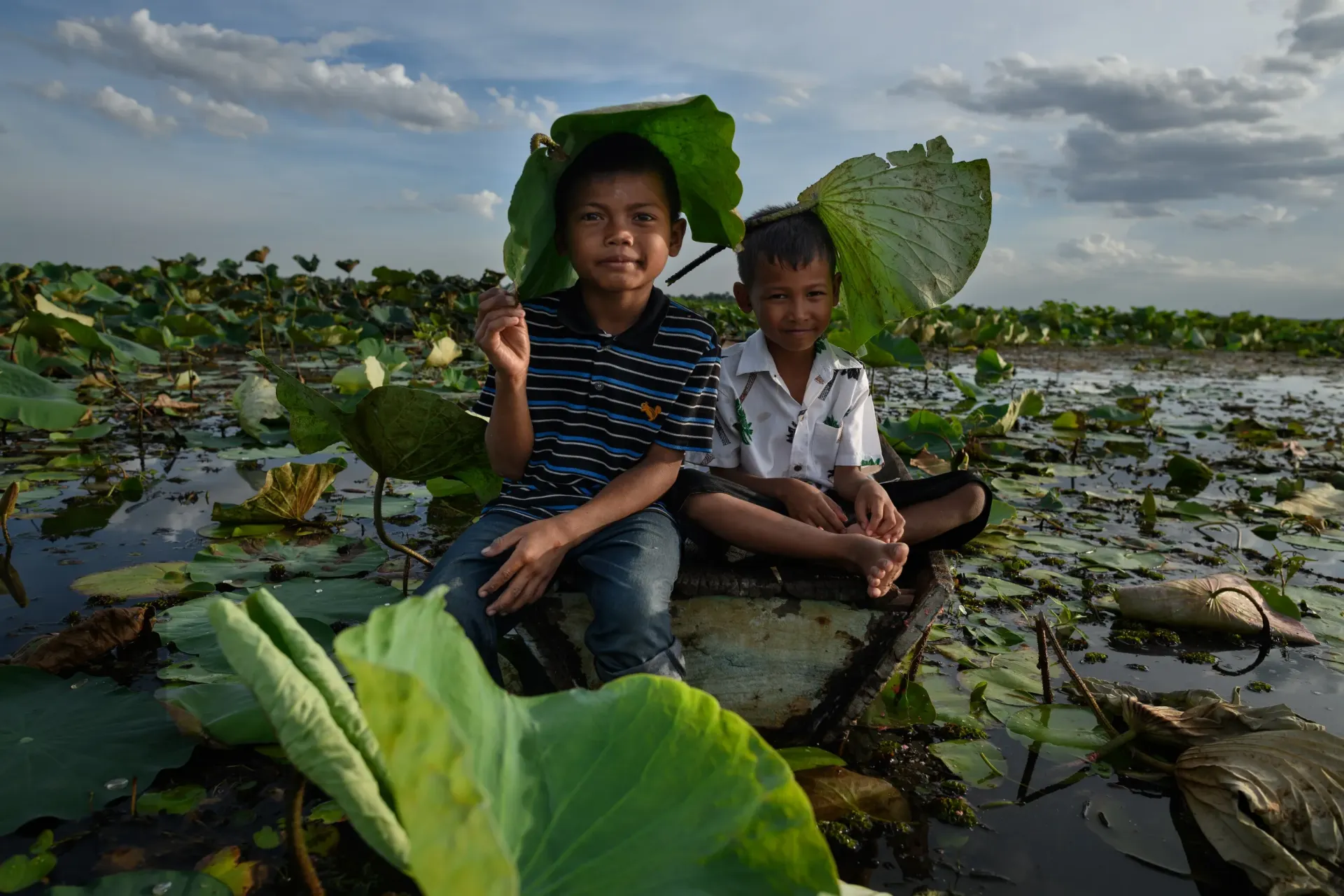
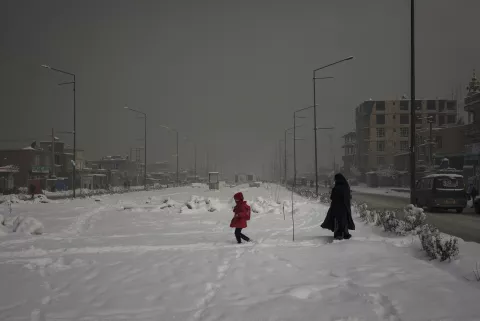
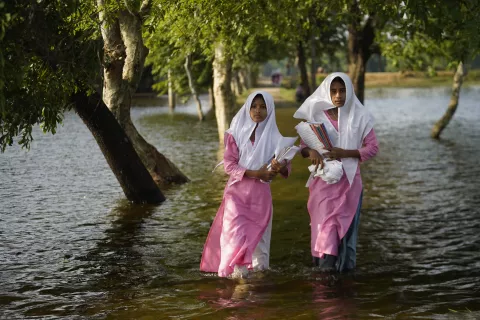
Around the world, children are experiencing disproportionate impacts of climate change. Storms are destroying homes. Floods are displacing families and interrupting education. Record-smashing heat is harming children’s health, and droughts are causing food and nutritional insecurity that stunt children’s growth.
Children are uniquely vulnerable to pollution, deadly diseases and extreme weather, even before they take their first breath.
Bold and accelerated action must be taken now to prevent children from experiencing the worst effects of the climate crisis.
Governments and businesses must step up their ambition and take action to protect children and their futures. This means putting children’s needs at the heart of all decisions, accelerating financing for climate action and delivering existing fossil fuel commitments.
>> Read Remarks by UNICEF Executive Director at the COP30 Leaders Summit
Putting child rights in climate plans
UNICEF is calling for leaders to deliver three important actions for children at COP30:
Protect children and the essential services they rely on by:
- Delivering a follow-up mandate to the Expert Dialogue on Children and Climate Change.
- Significantly increasing climate finance that protects children from climate-related risks.
Reduce emissions and fulfil ambitious international sustainability and climate change agreements with urgency by:
- Accelerating efforts to dramatically reduce emissions, based on the best available science.
- Implementing and revising new NDCs 3.0 to ensure they are child sensitive and respond to the disproportionate impacts of climate change on children.
Empower children and young people to meaningfully participate and influence climate decision-making by:
- Ensuring that children and young people are included as agents of change and key stakeholders in climate decision-making processes at all levels.
- Including children and young people as observers and negotiators in countries' delegations and negotiating teams at COP30.
>> For governments: Sign the Youth Climate Declaration
>> For businesses: Act now for climate adaptation
Climate change is impacting children’s futures
Hear from Anushka who loves spending time outdoors, playing in the shade of tall simal trees, and running through fields of mustard and wheat. She observes what has changed: hotter winters, fewer birds, and rising landslides that threaten her home and school.
I think people need to stop cutting down trees and burning plastic. And we need to plant more.
Children and young people are powerful agents of change. UNICEF is calling on countries to support their active and meaningful involvement in the UNFCCC process, and to ensure they are given opportunities throughout the year to share their views with decision makers.
Green Rising
By 2030, 100 million young people will lead the transition to a just green economy through a global youth climate leadership movement called Green Rising. Led by UNICEF’s Generation Unlimited and partners, and championed by Barbados Prime Minister Mia Mottley, Green Rising invests in young people as catalysts of the green transition.
>> See the timeline: From COP28 to COP30