UNICEF’s change agenda for protecting children in armed conflict
Change is possible. UNICEF calls for action to protect children in war.
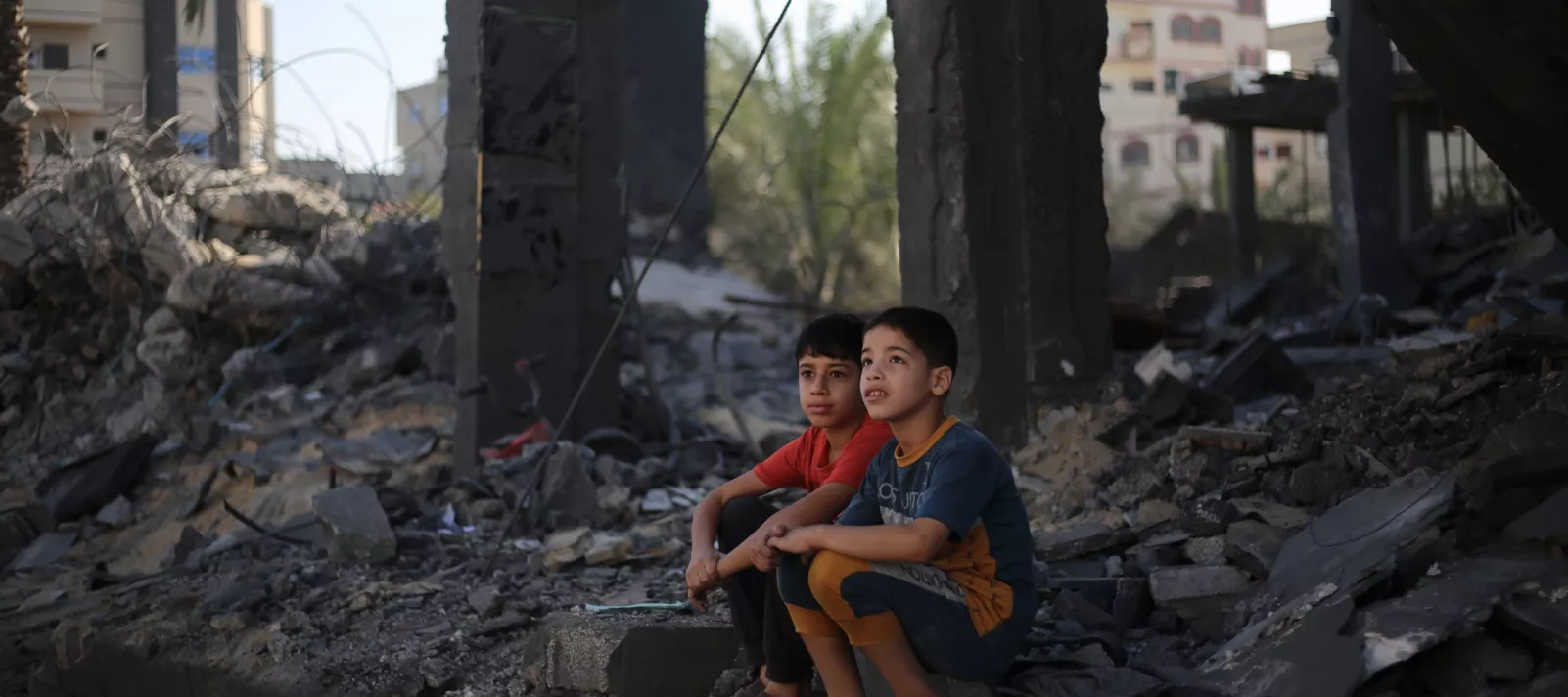
We have a choice. It is not inevitable that children are direct targets in conflict, or that indiscriminate attacks that kill or injure them are a by-product of war. Too often, warring parties choose to block and deny life-saving assistance to children; to attack schools, hospitals and other infrastructure children rely on; to abduct children from their families or force them into conflict.
As the number and duration of wars continue to grow, humanitarian workers are increasingly denied safe access to children, leaving millions to suffer from severe acute malnutrition and deadly diseases related to unsafe water, or because they cannot access life-saving medical treatment and routine immunization.
It does not have to be this way.
UNICEF issues this call to action to protect children in war. It is a call for warring parties and those who support them to fulfil their obligations to children. It is a call for governments, the UN Security Council and other organizations to hold perpetrators of crimes against children to account. And it is a call for people around the world to demand the change that we know is possible.
UNICEF is calling on the world to:
Uphold children’s rights in conflict
All warring parties and those who support them must fulfil their obligations to protect children in war. They must take action to prevent and end grave violations against children. Those with influence should use their power to ensure consistent adherence to international law – no matter where wars are waged.
This means:
Stopping attacks on children and the services and infrastructure on which they rely. Parties to conflict must:
- End deliberate and indiscriminate attacks that kill and maim children
- End attacks on education, including attacks on and threats to students, teachers and schools, as well as the use of schools for military purposes
- End attacks on healthcare, including health workers and hospitals and health facilities
- End attacks on water and sanitation facilities and personnel
Avoiding the use of explosive weapons in populated areas and the use of landmines and other weapons, such as cluster munitions, given their disproportionate impact on children.
Ending the abduction of children in conflict, prioritizing family tracing and reunification, and refraining from actions that would make family reunification more difficult.
Stopping all sexual violence and other forms of gender-based violence against children.
Stopping the denial of life-saving humanitarian assistance and protection to children in emergencies and ending attacks on humanitarian workers.
Ending the recruitment and use of children by armed forces and groups. Releasing these children to protective services and supporting their reintegration into their communities – including safely repatriating foreign children to their countries of origin, where it is in their best interest to do so.
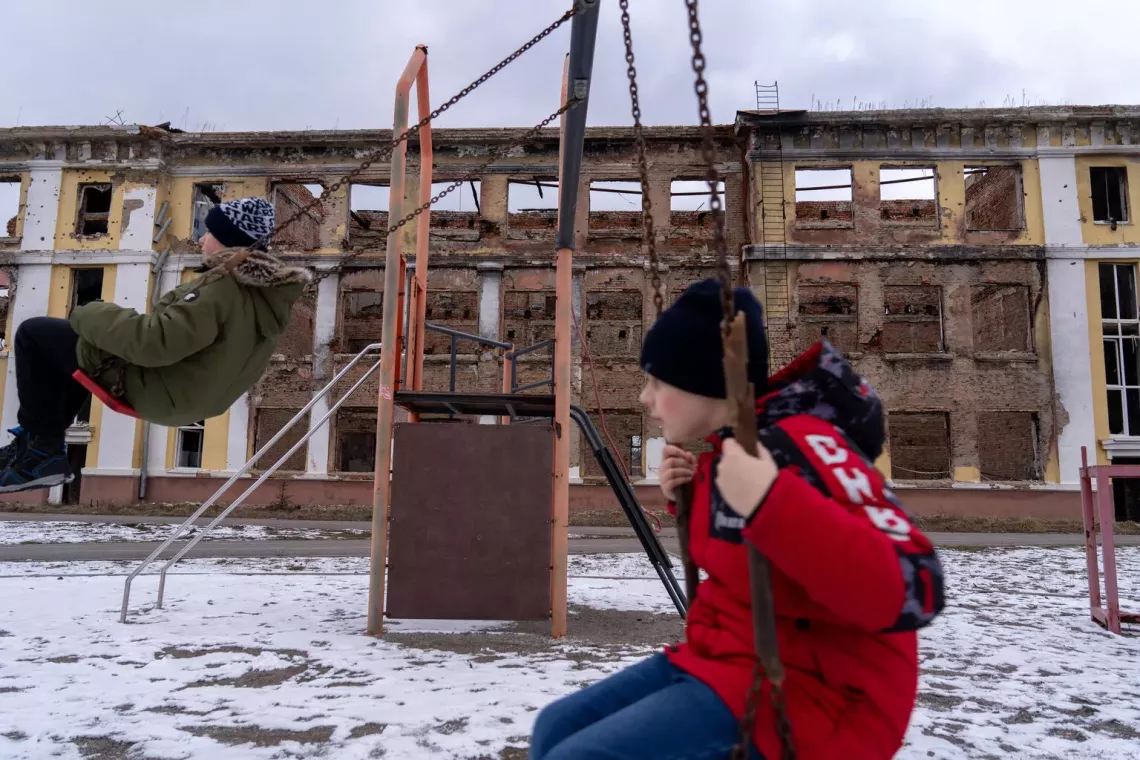
Hold perpetrators of child rights violations to account
States, including UN Security Council Members and all with influence, must act to hold the perpetrators of crimes against children to account. Children have rights in conflict, and there are laws and norms that exist to protect them. Failing to uphold these duties is a failure of morality, humanity and leadership.
Keep children and their communities safe and support recovery from the experiences of war
Humanitarian donors must increase their investments to protect children in conflict – supporting children’s immediate and longer-term recovery, funding efforts to monitor and report on these violations, and resourcing advocacy and engagement with warring parties and those who support them, to prevent and end attacks on children once and for all.
These steps are vital to protect children’s safety and survival, to support their recovery from the trauma of war, and to hold perpetrators to account.
Work towards inclusive and lasting peace
All parties to conflict should immediately put an end to fighting and work towards lasting and inclusive peace.
World leaders must recommit to and engage in reinforced, sustained diplomatic efforts to prevent escalation of conflicts, and end them when conflicts do occur.
Warring parties and world leaders alike should ensure the safe and meaningful participation of children and young people in peace initiatives – they will live with the consequences for decades to come and are central to a peaceful and prosperous future.
International donors must prioritize early action to address root causes and drivers of conflict before violence erupts; ensure timely, flexible funding to respond to children’s immediate needs when conflict does hit; and invest in child-focused recovery and in building and sustaining peace.
To make this happen, UNICEF needs people around the world to speak up for the rights of children in conflict, whenever and wherever they can.
This means:
- Staying informed and refusing to turn a blind eye to children’s suffering in war
- Sharing the stories and experiences of children trapped in conflict to increase awareness and mobilize action
- Leveraging access to government representatives to insist children are protected according to international law
- Demanding leaders to take action to prevent and end attacks against children in war, and hold perpetrators to account
- Pressing for peace whenever and wherever possible
Although the plight of children in conflict sometimes feels inevitable, it is not. There are plenty of reasons for hope.
Across the globe, remarkable children and young people persevere, fight for peace, and strive for a better life for themselves and their communities. We owe it to them to overturn this outrageous dereliction of duty, reverse this deadly ‘new normal’, and build a future free from harm. We all can make a choice to help make change a reality. Please join us.