Young Voices Leading the Fight Against HPV in Viana.
Workshops on HPV literacy and vaccination.

- Portuguese
- English
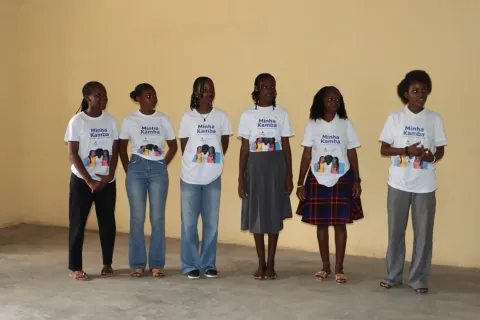
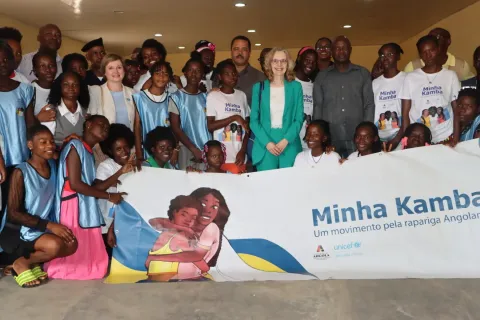
Viana, Luanda Province – In a bright lecture hall at Jean Piaget University, curiosity, questions and determination filled the air as children, young people, parents, teachers and community leaders came together with one shared goal: to learn the truth about Human Papillomavirus (HPV) and how vaccination can protect future generations.
Between 29 and 30 September and 1 October 2025, UNICEF, in collaboration with local health and education authorities, organized a series of workshops on HPV literacy and vaccination in the Municipality of Viana. The initiative is part of broader efforts to prepare communities for the upcoming introduction of the HPV vaccine in Angola and to address myths and misinformation that often surround vaccination.
Learning early, protecting for life
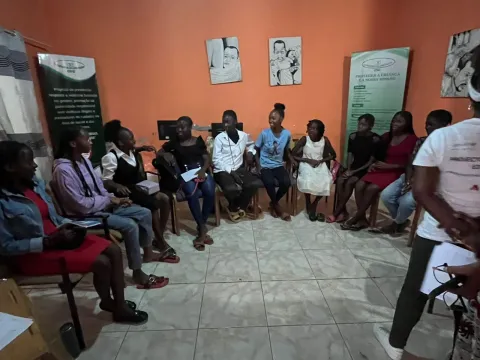
For many of the children participating—some as young as 10 years old—this was their first structured conversation about HPV, how it is transmitted, and its link to cervical cancer. Through age-appropriate explanations, videos and interactive discussions, the workshops helped demystify a topic that is often considered sensitive.
In total, 42 children aged 10–14 years, along with 102 young people aged 15–24 years and parents, took part in the two-day sessions. Teachers, school directors and youth group members also joined, recognizing their vital role as trusted messengers in the community.
“The HPV workshop was a very enriching experience. I learned the importance of early vaccination and how access to information can save lives. I believe that activities like this empower young people and encourage our active participation in promoting public health. It was an important step toward making more young people aware and involved in the fight against HPV.” Yomara Carlota
Youth as agents of change
A central focus of the workshops was empowering young people not only with knowledge but also with communication skills. Participants explored how to talk about HPV with peers, parents, and community members, and how to respond to doubts and misinformation with facts and empathy.
At the end of each workshop, participants took part in an interactive quiz session, designed to reinforce key messages and assess knowledge gained. The quiz confirmed a clear improvement in understanding of HPV transmission, prevention methods and the role of vaccination, while also creating an engaging and participatory learning environment.

Science, clarity, and trust
The technical sessions were facilitated by public health professionals, including Dr. Irina Jacinto, a gynecologist specializing in HPV, who guided participants through the science behind the virus, prevention methods and the importance of early vaccination—especially for girls aged 9 to 12 years, the priority group for the first school-based vaccination campaign.
"Knowledge about cervical cancer, HPV infection and its variants, enables primary prevention, which is given by the vaccine. The HPV vaccine is the guarantee of one. A future without the risk of cervical cancer, and the certainty of a promising future, where the girls of today will be able to develop their full potential tomorrow to become what they aspire to today. Dra. Irina Jacinto”
Discussions also addressed long-term health impacts, the importance of screening and early diagnosis, and clarified common misconceptions about vaccine safety.

Building healthier communities together
The workshops demonstrated how collaboration between the health, education and youth sectors can strengthen community trust and readiness for public health interventions. While no formal satisfaction surveys were conducted, the high level of participation, thoughtful questions and positive feedback reflected strong engagement and interest.
By equipping children, young people, parents and educators with accurate information, the initiative contributes to a future where preventable diseases like cervical cancer can be significantly reduced.
Looking ahead
UNICEF and partners aim to build on this momentum by expanding HPV literacy activities to other municipalities, strengthening monitoring and evaluation tools, and continuing to support teachers and youth as community multipliers of reliable health information.
As the HPV vaccine rollout approaches, the voices and actions of informed young people in places like Viana are proving that knowledge is one of the most powerful tools for prevention.