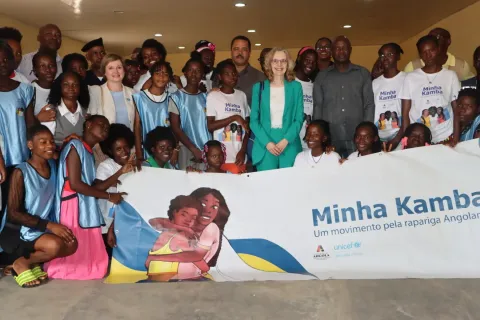
Empower today to protect tomorrow.
The Minha Kamba project ensures that adolescent girls have access to information that protects them, allowing them a safe transition to adulthood.
- Portuguese
- English
Teenage pregnancy is one of the biggest challenges in Angola. Poverty, the lack of dialogue between parents and children, students and educators, are pointed out as some of the main causes of teenage pregnancy.
Sixty-five percent of the Angolan population is under 24 years of age, which makes the country mostly young. However, with the large number of young people, the rate of teenage pregnancy is also high. According to the World Bank, in 2023, it was estimated that there were 167 births per 1,000 girls between 15 and 19 years of age, which places Angola among the countries with the highest rate of teenage pregnancy in the world.
This reality has stolen the dreams and hindered the future of many girls. Teenage pregnancy is not only a girl who becomes pregnant, but it is also a child who is forced to grow up, to become an adult; an adolescent who stops being a daughter to become a mother, a girl who stops learning to teach, who stops dreaming, to take care of a family.
Teenage pregnancy often results in health complications, social exclusion, and violation of adolescent rights. The responsibility attributed to one child to take care of another has caused school dropout and the consequent interruption of the formative process of many adolescents. This has slowed the development of their professional skills and further limited the future opportunities of many of them.
In view of this, UNICEF, in collaboration with the Ministry of Social Action, Family and Women's Promotion, and other civil society partners, started, in 2023, the "Minha Kamba" project.
Funded by the Finnish Committee for UNICEF, "Minha Kamba" has been empowering adolescents through a mentoring system. The pilot program was launched in the municipality of Viana, Luanda province, where girls face increased risks related to teenage pregnancy.
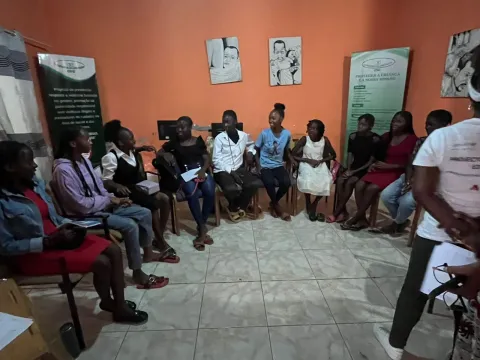
Adolescents of various ages are brought together in a space where, through frank conversations, they receive information about sexual and reproductive health and rights, as well as training in vocational skills.
Lassalete Domingos Baptista, an 18-year-old teenager living in Luanda Sul, in Viana, began participating in the project at the end of 2024. "During the training I learned a lot about myself... about how to know my own body, how to control my menstrual cycle, how to prevent myself from diseases and about early pregnancy". Says the teenager.
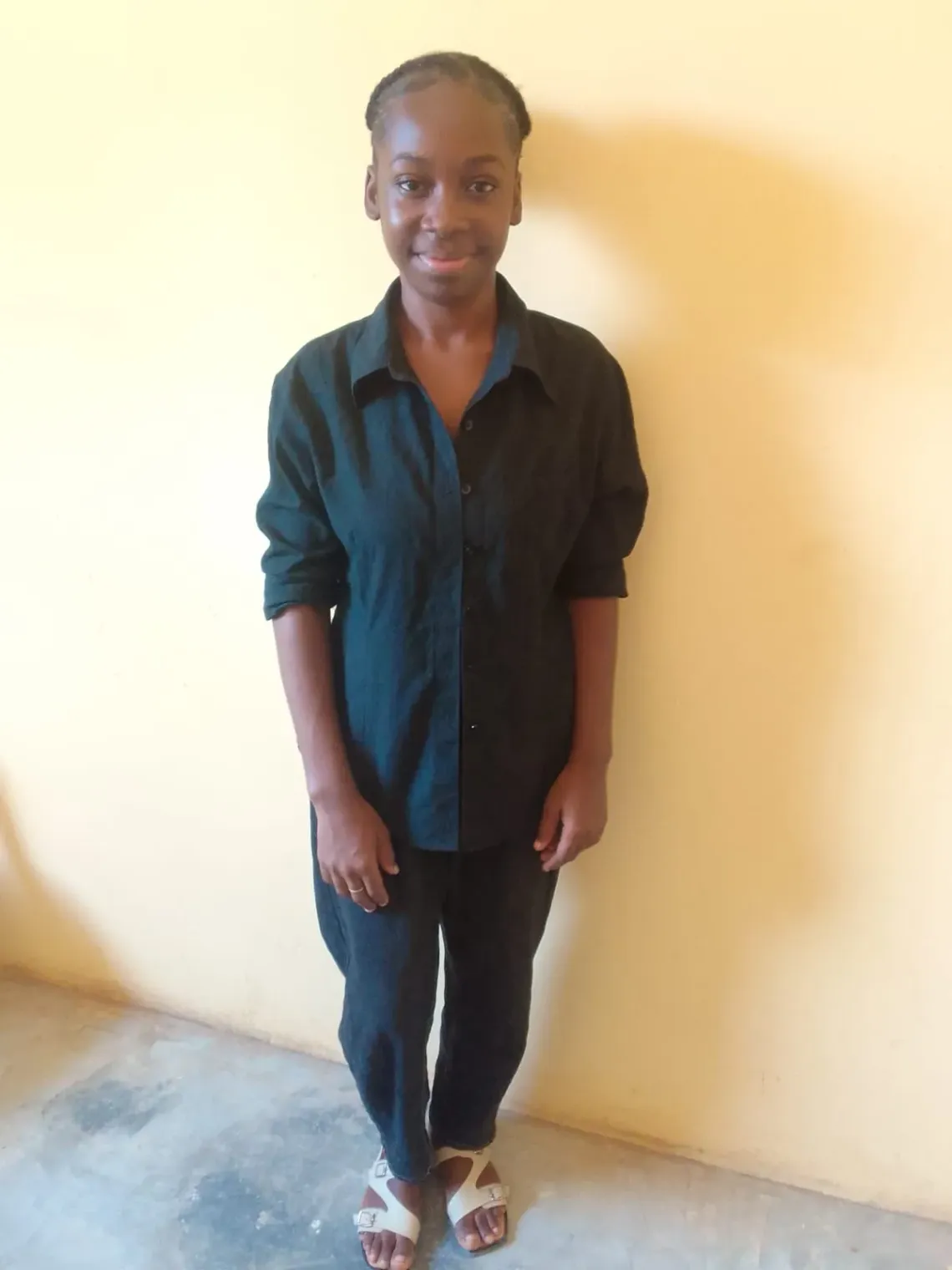
Inês dos Santos, also 18 years old, explains that the project changed a lot in her life, especially the way she saw society.
"We learned many things in the project, such as the rights that each of us has as adolescents, girls and human beings; we learn about our sexual and reproductive health, to respect each person regardless of their gender; We learned a lot about how to prevent ourselves and avoid sexually transmitted diseases. Not only that, we also learned about abortion, unwanted pregnancies and how to counsel people who are in this situation."
The project aims to involve 2,000 adolescents in the mentoring system. Therefore, girls who participate are encouraged to share the information they receive with other girls, to expand the network of adolescents with access to this knowledge.
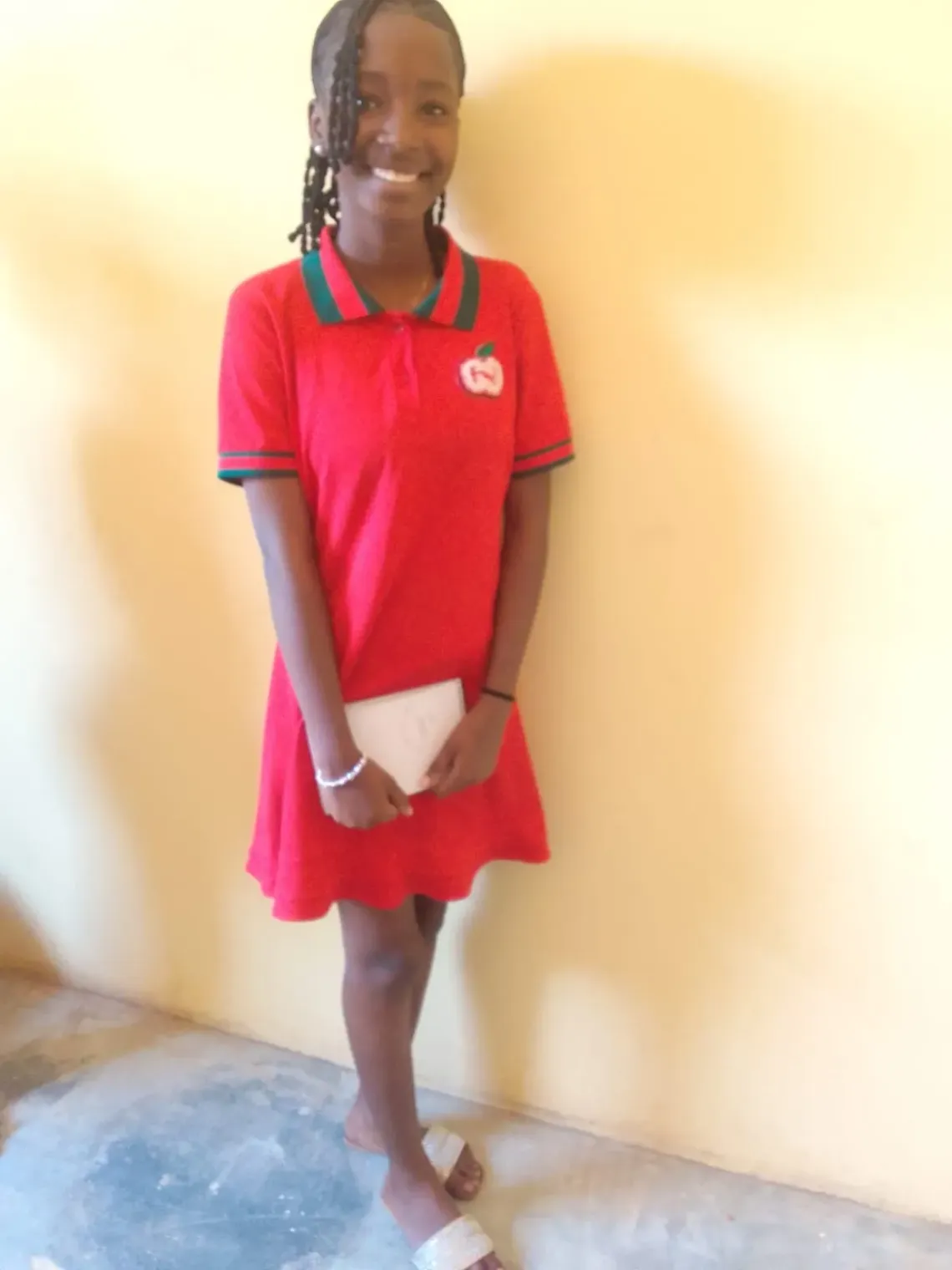
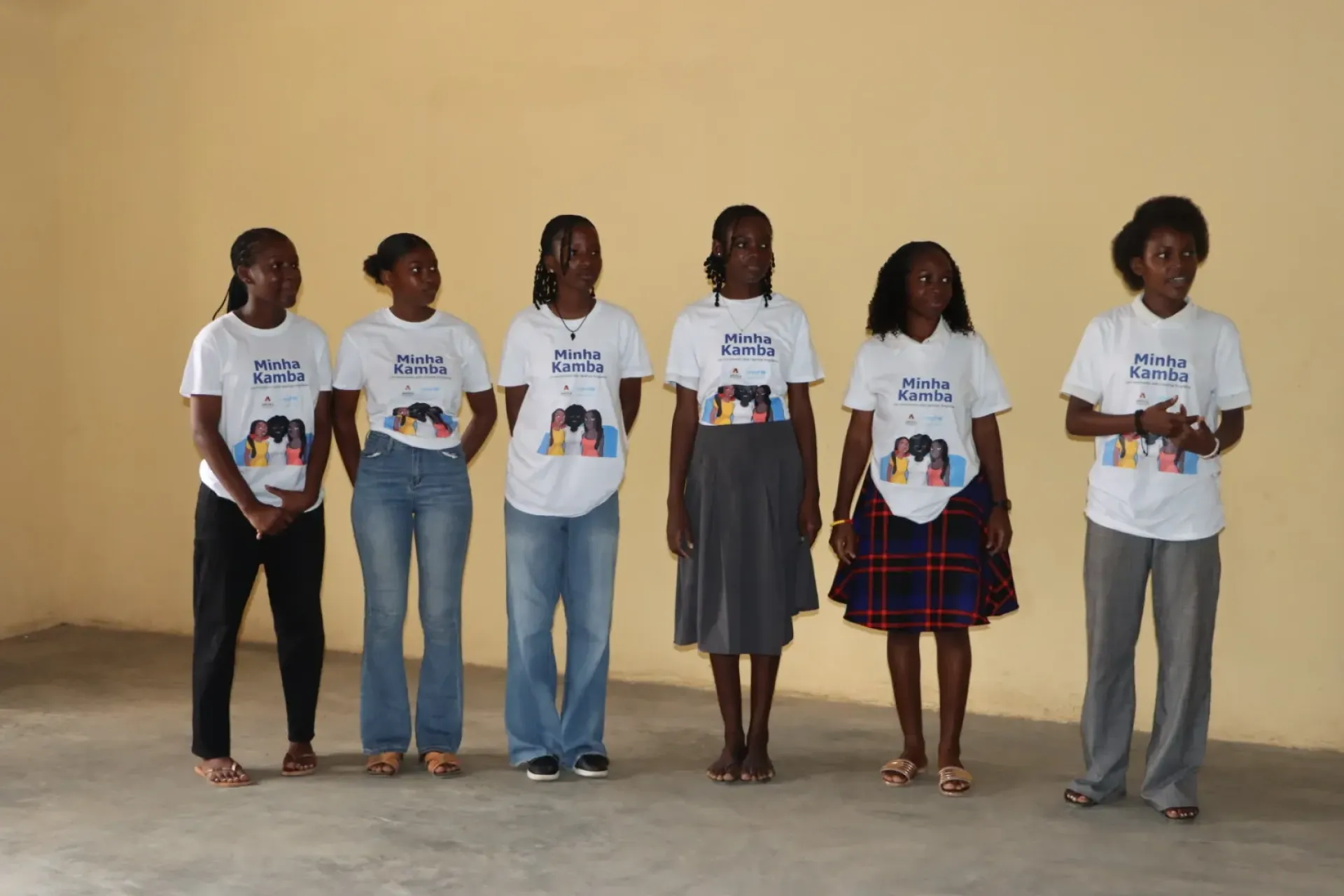
Aida and her friends have been sharing information with other girls in the community through lectures.
"In the neighborhood there are many pregnant girls, so we met with them and passed on the teachings we received. In addition, the girls in the project often get together and do community campaigns, going to the neighborhoods to each teenager to inform them about what they have learned." The teenager explains that she has in the project a true source of information.
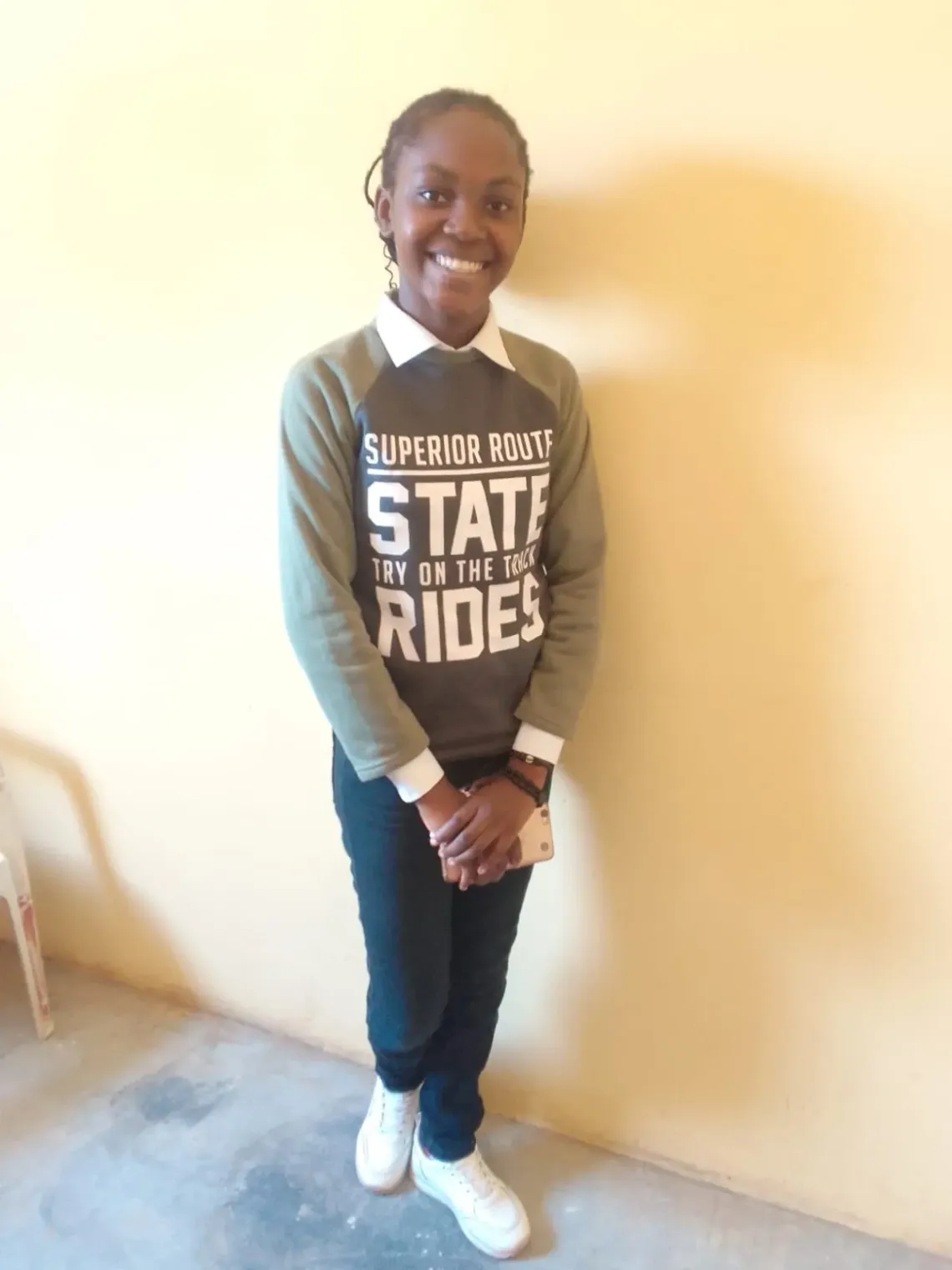
Adolescent girls in Angola face numerous financial difficulties that prevent them from reaching their full potential. Consequently, many girls are exposed to early sexual activity, unprotected sex, multiple partners, and low or inconsistent contraceptive use. To cope with the situation, Minha Kamba promotes professional courses, with the aim of giving girls some skills that, in the future, may allow them to acquire financial autonomy.
The Minha Kamba project has positively impacted the lives of hundreds of teenagers, and with efforts and the necessary investment, it is possible to reach a greater number of girls.
Overcoming the problem of teenage pregnancy requires the joint effort of the whole of society. Projects like Minha Kamba ensure that teenagers today have information that protects them and allows them to make a safe transition from adolescence to adulthood.