Workshop Addresses Challenges and Opportunities for Social Protection in Angola.
Workshop discusses opportunities and solutions to strengthen social protection in the country, focusing on the inclusion of vulnerable groups and the role of strategic partnerships.
- Portuguese
- English
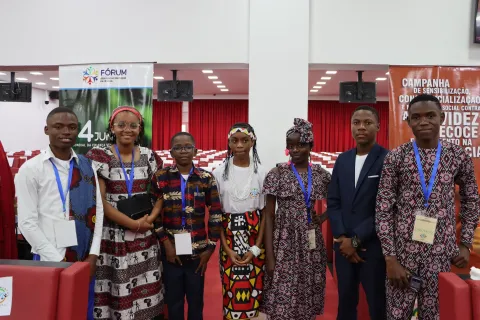
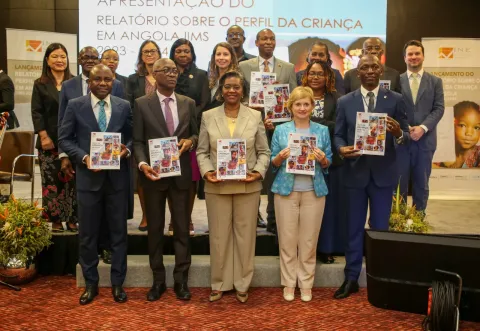
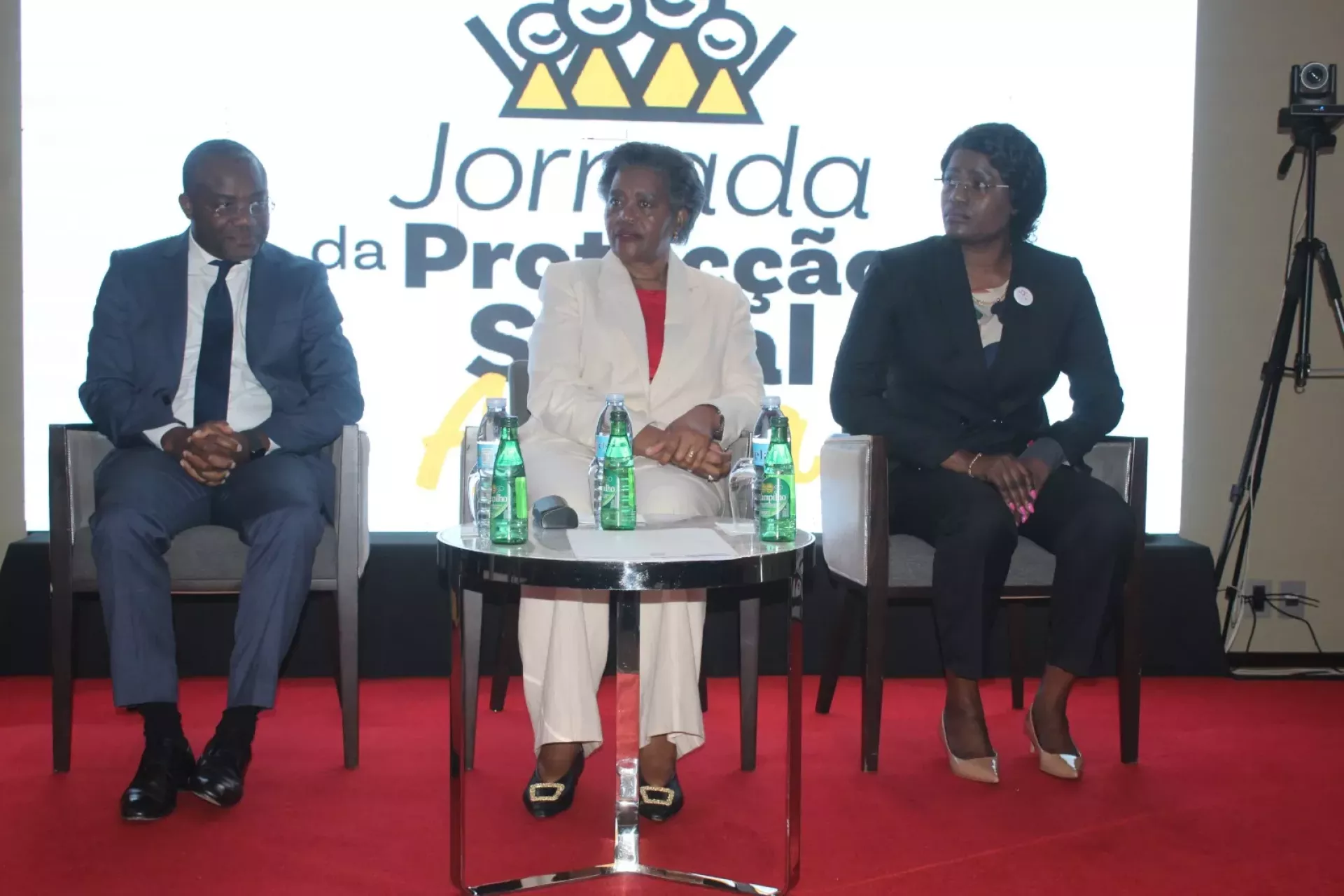
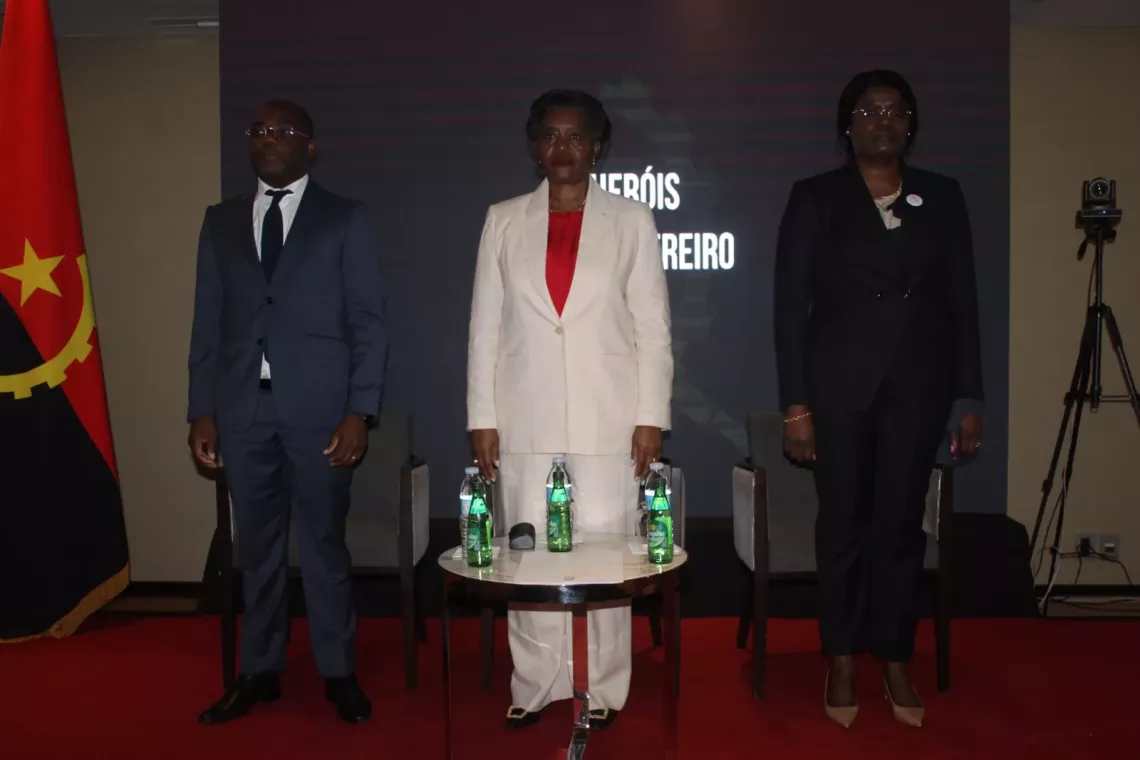
On October 31, 2024, the Workshop on Opportunities and Challenges of Social Protection in Angola took place in Luanda, kicking off the second Social Protection Days. The event, held by the Ministry of Social Action, Family and Promotion of Women (MASFAMU) with the support of UNICEF, brought together representatives of various ministries, institutions and members of civil society, with the aim of promoting dialogue and reflection on social protection in the country.
Social protection in Angola is a government priority and a fundamental human right, as recognized by the Universal Declaration of Human Rights. The mission of the conference was to reflect on public policies, foster the exchange of knowledge between different sectors and promote best inclusion practices.
The Minister of Social Action, Family and Promotion of Women, Eng. Ana Paula do Sacramento Neto, highlighted the importance of an inclusive system that meets the needs of citizens in vulnerable situations, reaffirming the Government's commitment to strengthening social policies.
"The national social protection system is a priority in our development plan and has specific goals to be achieved by 2027. Investment in social protection must be understood as a fundamental condition to ensure, through concrete measures, the reduction of vulnerability, with particular attention to specific groups such as children, people with disabilities and the elderly." Declared the Minister of Social Action, Family and Promotion of Women.
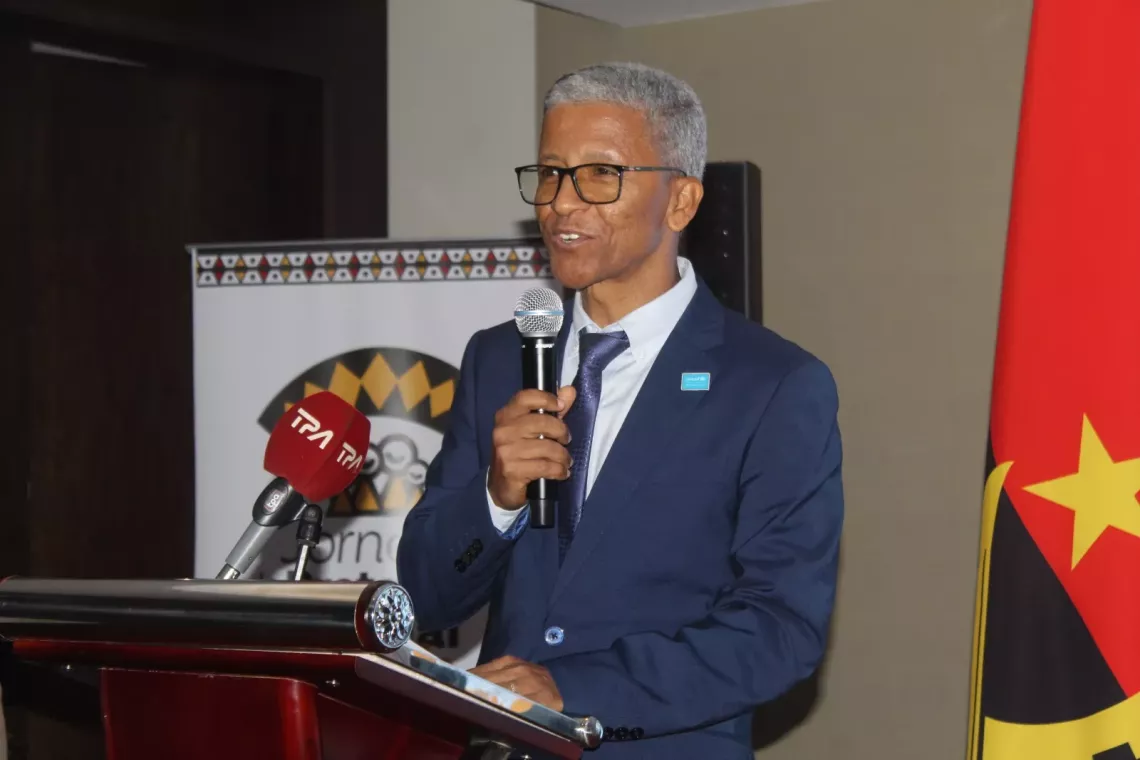
Antero de Pina, the representative of UNICEF Angola, highlighted the importance of investing in comprehensive social protection programmes.
"Investing in comprehensive and inclusive social protection programmes means not only responding to the immediate needs of children, but also laying the foundations for a more resilient and equitable society."
Despite the advances, social protection in Angola faces significant challenges, such as the revision of fundamental laws, the improvement in staff training and the strengthening of monitoring actions. Expanding the network of social services and including vulnerable groups such as children, the elderly, and people with disabilities remains a top priority.
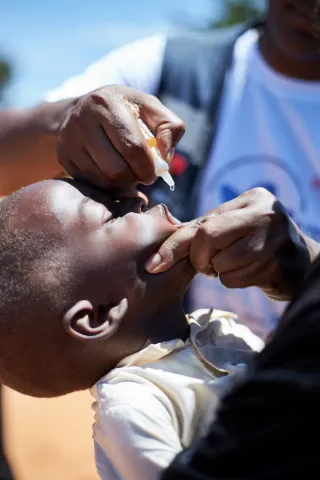
The Angolan government has taken important steps, such as the municipalization of social action and the creation of cash transfer systems. Programs such as Kwenda, and Valor Criança, two examples of cash transfer systems, have shown a significant impact on the lives of families.
The beneficiaries have used the resources to improve the food, health and education of their families. In addition, savings among beneficiary households have increased, which has helped with long-term economic stability.
The role of companies was also highlighted during the workshop, as, in addition to the Government, they play an important role in building an effective social protection system, with actions to improve people's living conditions.
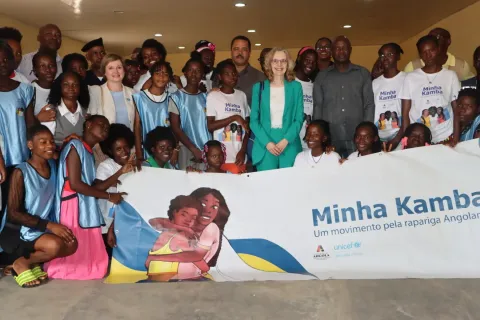
UNICEF reiterated its commitment to institutional strengthening and the expansion of social protection, prioritizing the well-being of children and their families. The event also served as a platform to discuss how to improve collaboration between the public sector, the private sector and civil society to create a social protection system that benefits all.
The second Social Protection Days in Angola marked an important step on the path to building a more inclusive and effective system, capable of meeting the needs of the most vulnerable populations, Angola continues to advance in the search for a more comprehensive and accessible social protection for all.