Training in Sexual Reproductive Health Empowers Young Adolescents in Luanda.
An example of how education can empower and transform lives by creating a welcoming and encouraging environments for all.

- Portuguese
- English
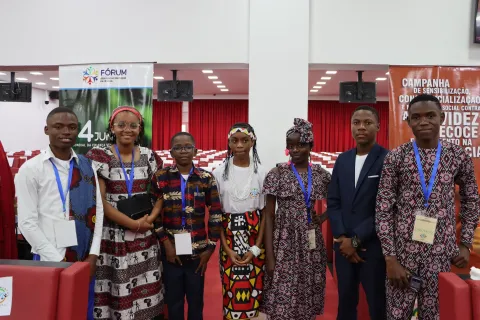
From July 3 to July 6, UNICEF, with the support of Dom Bosco and Cuidados da Infância, conducted a training session on sexual reproductive health and mental health that brought together more than 52 adolescent girls aged between 12 and 20 in Viana and Cacuaco, Luanda.
Among the participants was Beatriz, 16, in Cazenga. An eighth-grade student studying industrial welding and arts and crafts, Beatriz is known for her curiosity and engagement in school and community activities. However, she felt that many aspects of her health remained unanswered.
"I had many doubts and fears. I felt that many questions remained unanswered, and subjects related to sexual health were often treated as taboo. I never had the opportunity to discuss them openly," Beatriz recounted.
The open conversations on topics such as contraception, sexually transmitted diseases, and the importance of mental health broke down many prejudices that Beatriz and other participants held. "It was as if a veil had been lifted," explained Beatriz.

The facilitator, Maria Malomalo from the NGO Mwana Pwo dedicated the four days of training to demystifying topics such as Human Rights, Gender and Sexuality, Sexual and Reproductive Health, Gender-Based Violence, Child Protection, and Life Skills themes, creating a welcoming, open, and safe environment for everyone.
Initially expecting a serious and rigid training, Beatriz was surprised by its creativity and the trainers' relaxed approach using games and interactive activities.
"I thought the training would be very serious, but it turned out to be very fun and relaxed. I found a new way of learning, and it delighted me. Now, I've been using the same method to talk to my colleagues about the subject, and it's working. Many of them are now able to discuss sexual reproductive health without taboo and shame," she said.
Beatriz, who regularly gathered her classmates and sisters from Don Bosco to teach art and sewing, now uses these gatherings for informal conversations to share what she learned in the training. "I wanted to create a space where we could openly discuss our concerns while continuing to teach practical skills."

"I knew I couldn't keep this knowledge to myself. I now understand the importance of taking care of my sexuality, as it defines who I am. I'm more than happy to teach other girls in my school and home as well," she emphasized.
These meetings quickly became a source of support and information. "A colleague told me she felt more confident after our conversations, which made me realize the real impact we can have on others' lives." Seeing how her initiative helped other girls feel more informed and less alone, Beatriz said emotionally, "Knowing that I'm making a difference in other people's lives gives me a sense of purpose."
"The information and support we receive can truly transform our lives, and I'm grateful for the opportunity to learn and now share it with others."
Beatriz is one of the 52 participants in the training and an example of how information on Sexual and Reproductive Health and Rights can empower and transform lives. With determination and a willingness to share what she has learned, Beatriz is ready to make a difference in her community by helping other girls better understand themselves and take care of their health.