No mother should walk alone.
Strengthening Families through Inclusive Breastfeeding, Carer Support and Economic Empowerment.

- Portuguese
- English
When a mother breastfeeds a child, when a father supports her, when a grandfather helps to take care of a child or when a community reaches out to a family in difficulty, something much greater than a simple gesture happens. A fundamental human bond is strengthened, the awareness that no one was made to walk alone.
Breastfeeding, often associated with its benefits for health and child development, is also one of the first expressions of love, protection and welcome that a child receives when they arrive in the world. It is an encounter between lives. It is food for the body, but also for the feeling of security, belonging and affection that every human being needs to grow.
For many women, however, the path to motherhood and care is still marked by barriers, prejudices, and challenges that often go unnoticed. Among them are women with disabilities, who do not always find accessible health services, adequate information, or the necessary support to fully exercise their right to motherhood and breastfeeding.
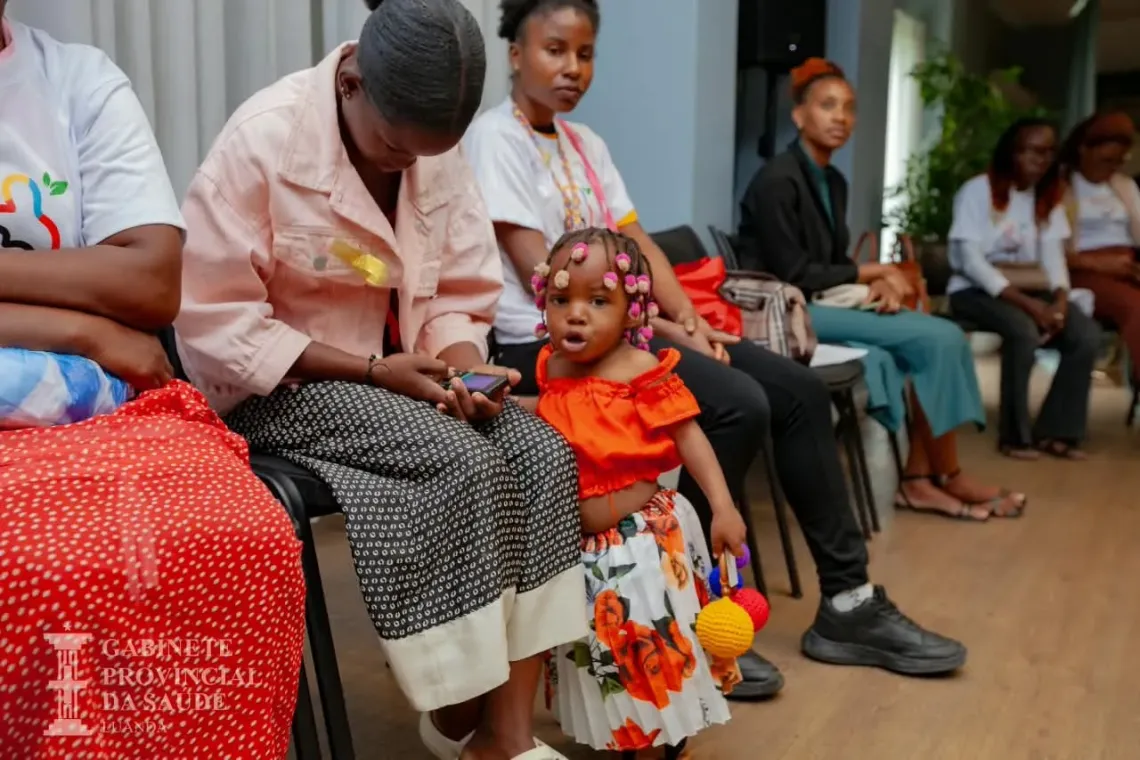
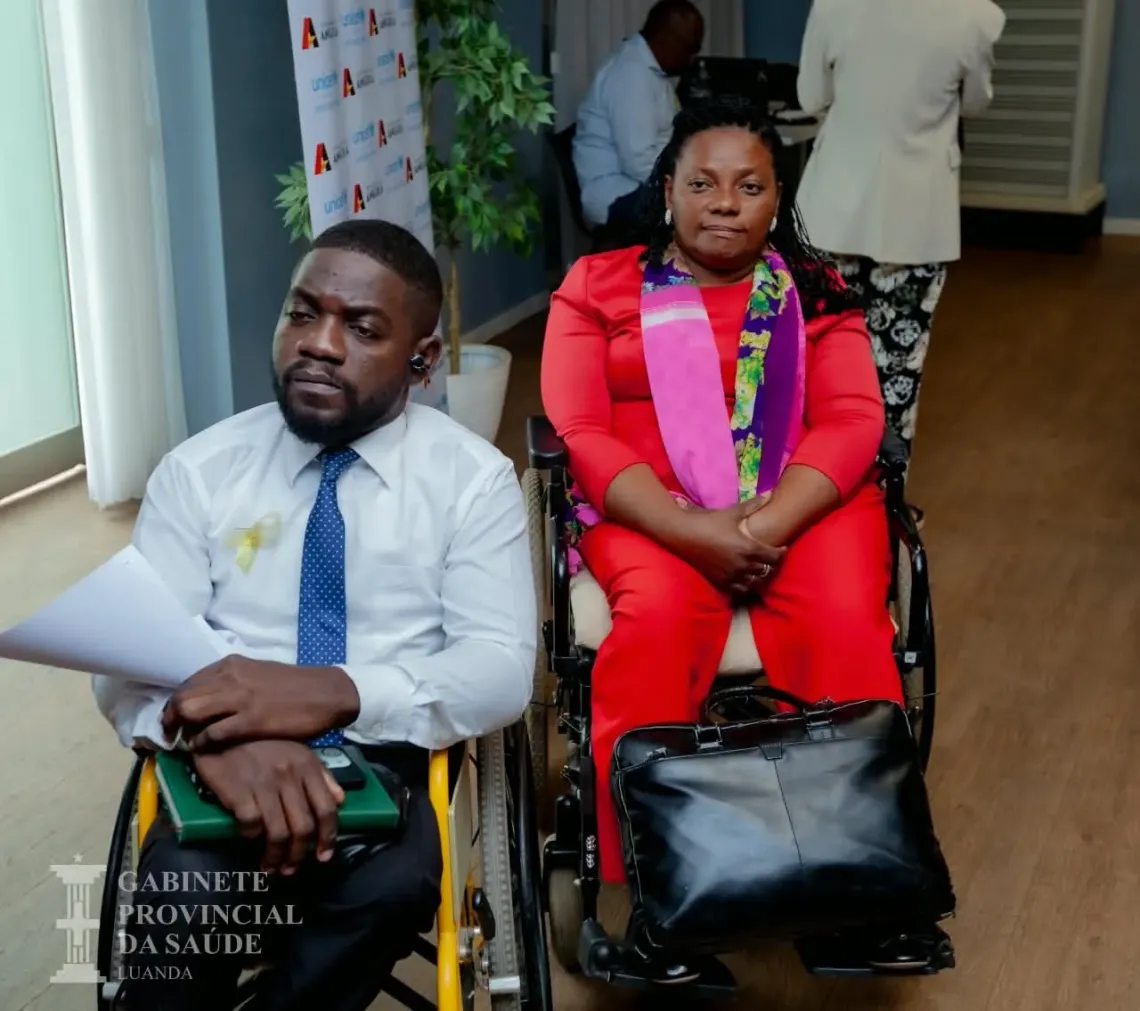
World Breastfeeding Week is celebrated every year from August 1st to 7th. And on August 26, 2026, UNICEF, in partnership with the Luanda Provincial Health Office, held its first conversation circle on inclusive breastfeeding for women with disabilities, in order to listen, share experiences and promote healthy practices on breastfeeding and family support.
To speak of inclusive breastfeeding is to recognize that all mothers have the right to receive support, guidance and adequate conditions to care for their children. It is to understand that inclusion is not a favor, but a commitment to human dignity. It means ensuring that health centers are prepared to welcome each woman with respect, listen to her needs and offer responses that value her abilities, not her limitations.
No mother should have to carry the responsibility of caring alone. Behind every healthy child there is almost always a support network made up of family members, caregivers, health professionals, and community members. When this network works with empathy and respect, an environment is created where mothers and children can thrive.
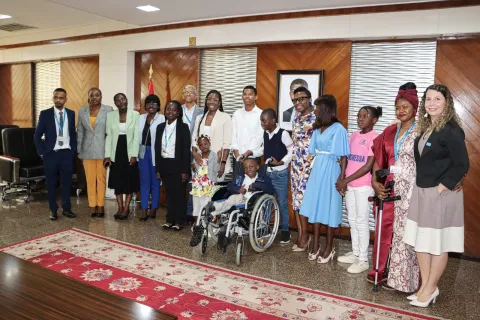
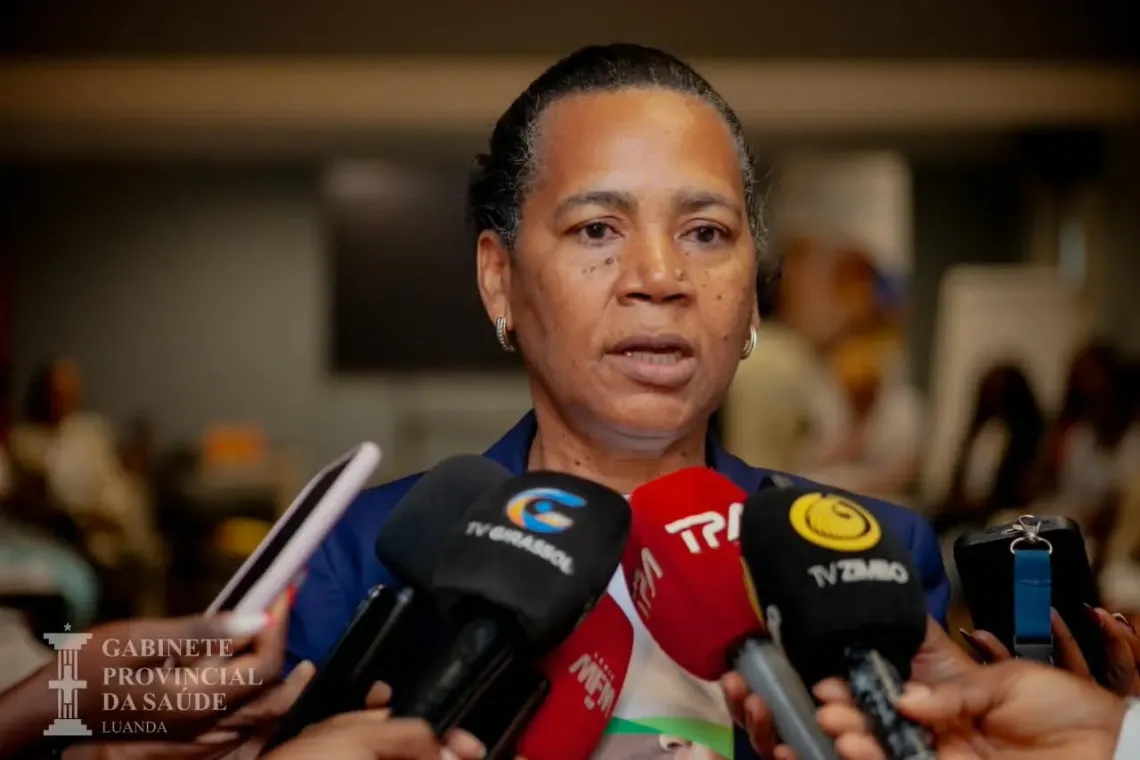
The event took place at the forum hotel, and was attended by 42 participants. Present at the event was Mrs. Ana Angelina, provincial coordinator of the child health and nutrition program, who gave the following opinion in an interview:
"We know that we have women with visual and hearing impairment and we are often not prepared to be able to communicate with these women, so this meeting arises mainly for us to make this exchange, first, to listen to them, to know what we should do to improve access to information about the practice of breastfeeding, and second, to pass on our knowledge"
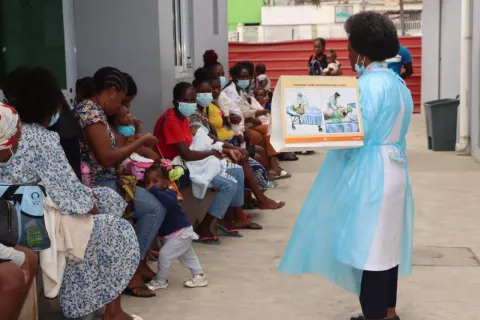
In this context, the role of health professionals is particularly important. More than providing clinical care, they are agents of trust, guidance, and hope for many families. Welcoming and inclusive care can make all the difference in a mother's life, especially when she faces additional challenges related to disability, social vulnerability, or access to resources.
Caregivers also deserve attention and support. Caring is an act of love, but it requires time, energy, and dedication. Recognizing the value of caregivers means offering tools, information, and support so that they can perform this role with greater safety and well-being. After all, when we take care of those who care, we strengthen the whole family.
Similarly, economic empowerment represents much more than an increase in income. It represents autonomy, dignity, and freedom to make choices. When a woman has access to economic opportunities, her ability to provide for her family, to participate in decisions that affect her life, and to build a future with greater confidence increases. For women with disabilities, this autonomy can also mean greater social participation and breaking cycles of dependency and exclusion.
Esmeraldina Miguel, President of the Angolan Federation of Associations of People with Disabilities, was also present as a professional and as a mother who has a disability, emphasized the difficulties that mothers with disabilities face, thanked and called for the continuation of the support she has received from UNICEF:
"Mothers with disabilities experience many difficulties to be able to have a healthy diet that corresponds to the production of this good milk to breastfeed their children, I would ask UNICEF to continue to support activities with women with disabilities, mainly because, women are the mother of nations, it doesn't matter if they have a disability, they will not stop being responsible for the family, the responsible for the home, so it is a very great asset, to be able to have support for these women to breastfeed their children well, and in the future, to be great men or women for the country"
Throughout the event, questions such as:
"How long do we have to breastfeed?"
"What to do when the baby stops breastfeeding before the recommended time to stop breastfeeding?"
Among the participants there were not only mothers with disabilities, but also single fathers with disabilities, and men with disabilities without children, interested in preparing to have a positive participation in the breastfeeding of their future children.
The message that mothers and fathers with disabilities, who participated in the conversation circle on inclusive breastfeeding, left the following
Give opportunities, access, so that really not only women, men with disabilities can also access the positions, the vacancies that exist for the various sectors that are open in public tenders, because we are also generators of families, and we have these responsibilities, look at human beings who will also need these opportunities, especially women." Esmeraldina Miguel
Vitorino Domingos "as a father, for me, seeing women knowing their rights, doing what is right, looking at the child as a priority, breastfeeding at the right time, for me it is a joy."
Perhaps the biggest lesson is this, inclusive breastfeeding, support for caregivers and economic empowerment are not separate topics. They are different expressions of the same commitment to life, equality and collective well-being. They are paths that lead to the same destination: stronger families, more protected children and more humane communities.
In a world often marked by haste and individualism, these initiatives remind us of something essential: true development happens when no one is left behind. It happens when each woman is valued in her uniqueness, when each family finds support to overcome its challenges, and when each child is given the opportunity to grow up surrounded by care and love.
Because, in the end, strengthening a family is much more than improving living conditions. It is affirming human dignity. It is recognizing that each person has value and a role to play. It is cultivating hope. And every hope that finds room to grow becomes a force capable of changing families, communities and entire generations.