The importance of breastfeeding and the challenges mothers face.
It is possible to overcome difficulties and provide babies with a healthy and loving start in life.

- Portuguese
- English
In Luanda, the Provincial Child Health and Nutrition Programme, with the support of UNICEF and WHO, aims to reduce infant mortality by strengthening breastfeeding in "Baby-Friendly Hospitals". Despite these efforts, Angola still faces significant challenges such as a lack of adequate information, limited support for mothers, and difficulties in accessing specialized care which continue to be obstacles that compromise the effectiveness of breastfeeding, affecting children's health and well-being.
Débora Fortes, 24, a patient at the Samba Mother and Child Center, one of the hospitals that embrace the Baby-Friendly Hospital Initiative, saw her life change when she found out she was pregnant, "this stage brought a series of challenges that required early maturity and an inner strength that I myself was unaware of", recalls Débora.
Débora's experience with her first child, at the age of 17, was marked by great challenges, mainly due to the lack of information and specialized support. At that stage, she had the support of her mother, but the absence of adequate guidance made breastfeeding an added challenge. "Without enough information and with few resources available, breastfeeding was an extremely difficult process for me, so I was unable to breastfeed my son until he was 2 years old," she lamented.
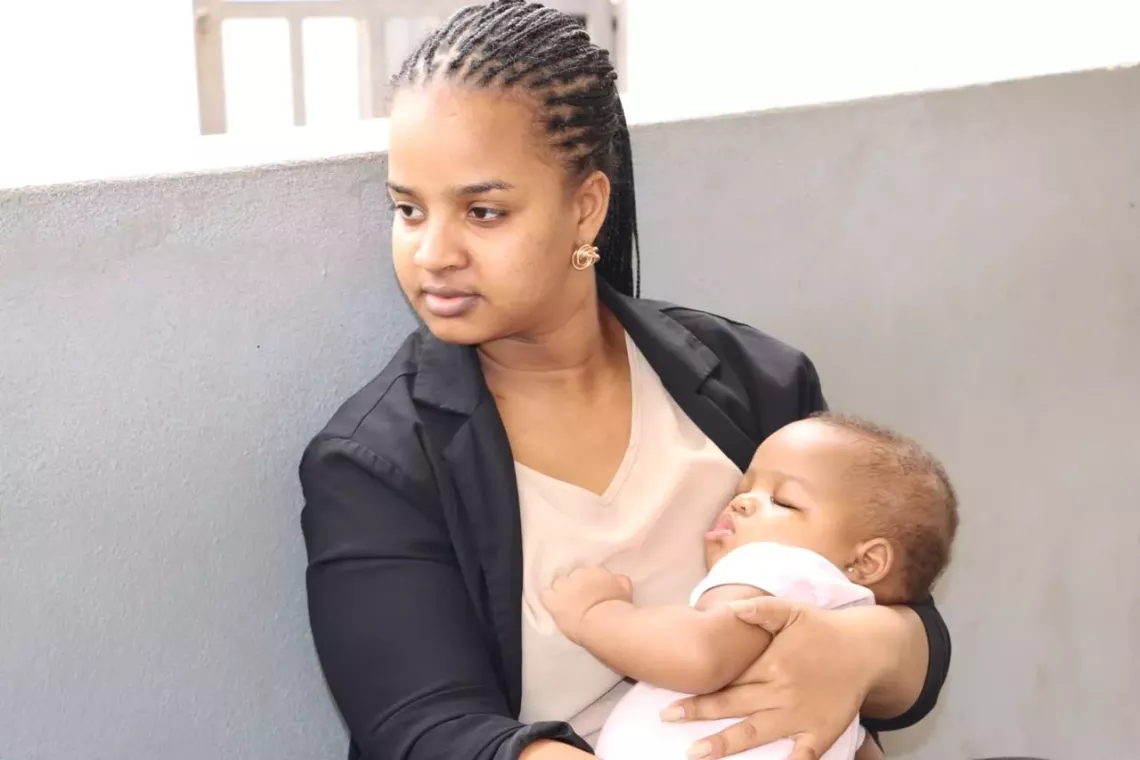
With the birth of Anaya, her second daughter, Débora felt more prepared and confident "With the support offered by health professionals and the knowledge acquired from previous experience, I felt that I was better prepared to face all the challenges of breastfeeding" she said. However, new obstacles have emerged.
After giving birth, Débora was diagnosed with an umbilical hernia, which required surgery. Despite the intense pain and discomfort, the young mother remained firm in her decision to continue breastfeeding.
"I knew that breast milk was the best for my daughter, and I was determined and willing to ensure that she had the best start in life, even if it meant enduring the post-surgical pain with her on my lap. At times, to relieve the discomfort, I chose to do the milking, but I never thought of not offering Anaya what I considered fundamental for her development, breast milk."

In addition to personal challenges, Débora faces the complexity of balancing her professional life. As a pastry chef, she is responsible for preparing cakes and orders, a task that requires long hours and great dedication. "My routine is a marathon of preparing cakes and taking care of my children. Every day is a race against the clock to make sure everything is ready and that I'm available for Anaya," he describes. Despite the demands of her job, the priority of breastfeeding Anaya remained robust.
"Maintaining breastfeeding was essential for me. It was a way to create a special bond with my daughter and to ensure that she received all the benefits of breastfeeding, even when life became chaotic."
Her determination to continue breastfeeding, even in the face of adversity, underlines her dedication, tireless love, and commitment to the health and development of her daughter.
"Breastfeeding has been fundamental for my daughter's development, she is 8 months old and has never been sick, I believe this is due to the fact that she was exclusively breastfed", reported Débora.

Importance of Breastfeeding
Breastfeeding is an essential pillar for the healthy development of babies, providing a unique combination of nutrients, antibodies, and hormones that no other food can replace. Breast milk promotes proper growth, strengthens the baby's immune system, and establishes a deep emotional bond between mother and child.
In addition to the direct benefits for the baby, breastfeeding also offers maternal health advantages, including a faster recovery after childbirth and a reduced risk of diseases such as breast and ovarian cancer.
World Breastfeeding Week, celebrated annually from August 1 to 7, is a global initiative that aims to promote, protect, and support breastfeeding, a practice recognized as essential for the health and development of babies. Débora's story is an inspiring example of how breastfeeding can be critical to the health and well-being of both mothers and babies, highlighting the importance of proper support and information to ensure successful breastfeeding.
The Baby-Friendly Hospital is an initiative that promotes, protects, and supports the practice of exclusive breastfeeding up to 6 months and complemented up to 2 years of age or more, aiming to improve quality of life and reduce malnutrition, infant mortality, and chronic non-communicable diseases in adulthood.