Strengthening Communities to Save Lives:
The Impact of the Mother-to-Mother Group on Infant Nutrition in Naipalala and Caxila.
- Portuguese
- English
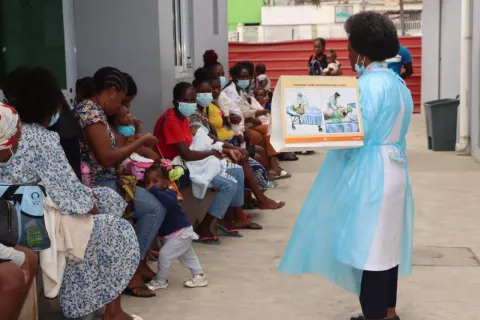
In the province of Cunene, in the municipality of Cuanhama, city of Ondjiva, the neighborhoods of Naipalala 1, Naipalala 2, and Caxila 1 have made remarkable progress in improving child health and well-being, as a result of the consistent work of the community group Mother to Mother. Between February and April 2026, this initiative significantly strengthened actions to prevent and combat malnutrition, contributing to better health outcomes for children under five years of age.
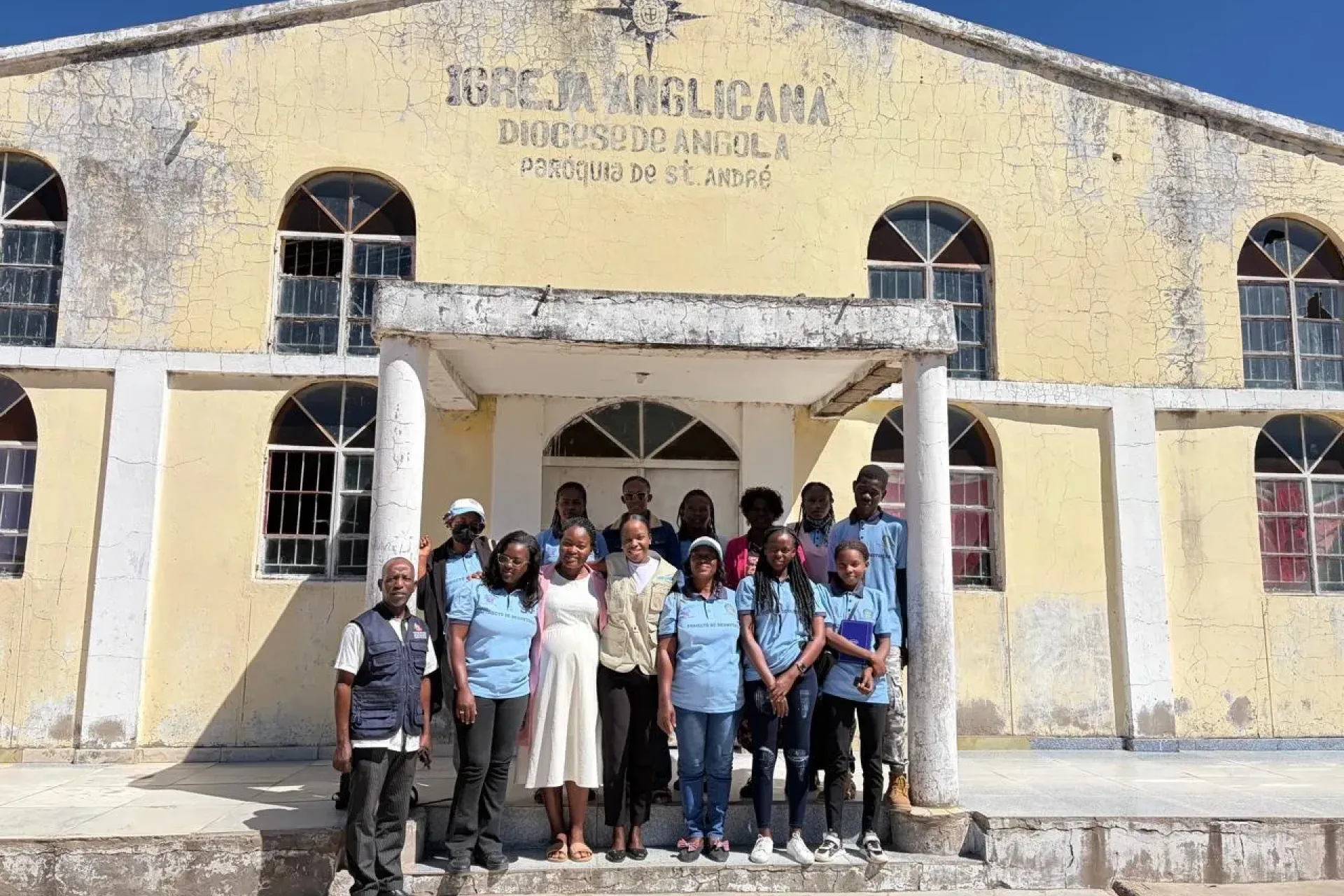
The group, made up of twenty women volunteers, was created in 2016 after community leaders and church members identified a worrying reality: many families interrupted the nutritional monitoring of their children not for lack of interest, but due to socioeconomic difficulties and the need to guarantee daily sustenance. In this context, UNICEF, with the financial support of the Humanitarian Aid Operations of the European Union and the Government of the United States of America, has promoted the implementation of community work aimed at improving the living conditions of the most vulnerable families. This support has been maintained over the years, ensuring the production of educational materials and the transport of community teams, which has allowed it to reach, on a regular basis, the most needy communities.
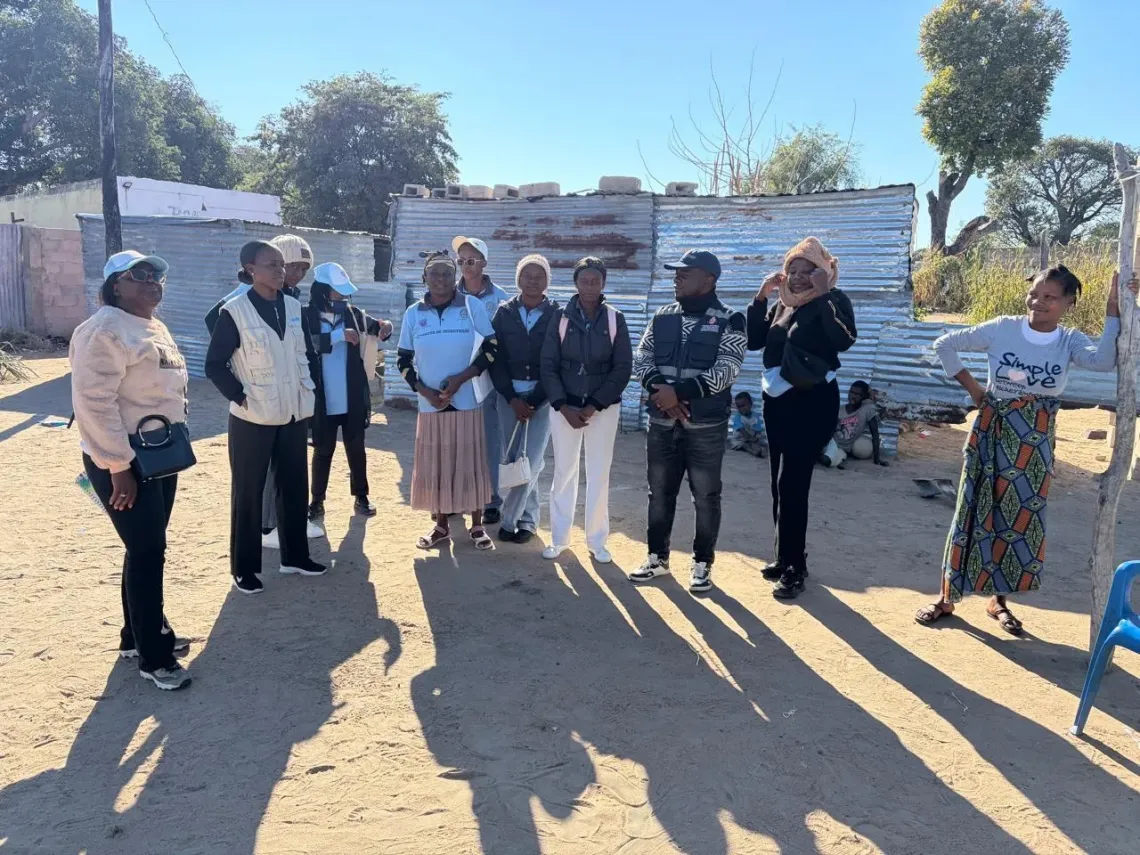
During the period under review, 883 children were screened, of whom 494 were males and 389 were females. Children identified with moderate, acute, and severe malnutrition benefited from continuous follow-up through home visits carried out three times a week. The interventions focused on nutritional screening using the MUAC tape, counseling families on a balanced diet, hygiene, and basic health care, as well as raising awareness among women street vendors on the importance of ensuring adequate nutrition for children before the start of daily activities. Key practices such as exclusive breastfeeding were also promoted, and community education activities were carried out that addressed essential health, nutrition, and hygiene issues.
With the support of UNICEF, it was possible to strengthen the technical capacity of community teams, namely in the areas of nutritional screening, water, sanitation and hygiene, food education, and promotion of breastfeeding. The provision of facilitator manuals with practical guidance contributed to improving the quality and consistency of field interventions. Priority topics such as hand hygiene with soap for disease prevention, the importance of early detection of malnutrition, the consumption of safe water and its correct conservation, maternal and child health, including prenatal consultations and vaccination, as well as good practices in food preparation, were addressed to the families.
The results achieved show a positive and encouraging impact. Health facilities in the area have seen a significant increase in the early identification of malnutrition cases, as well as an improvement in the nutritional recovery rates of the children monitored. This progress is also witnessed at the Community level. Dona Erasma, mother of the child Márcia, points out that, in the past, many mothers could not recognize the signs of malnutrition and took their children late to health units; today, thanks to the visits and guidance of the Mother to Mother group, families seek care earlier, contributing to saving lives.
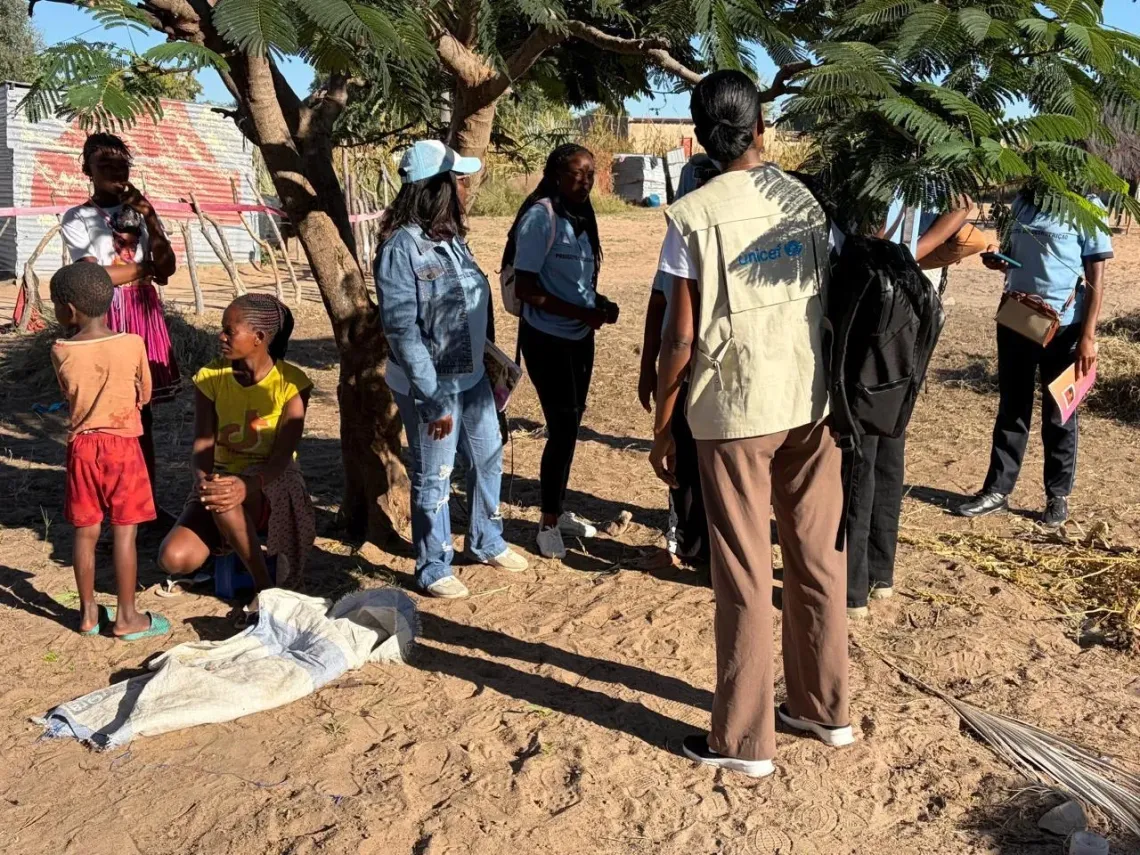
Overall, the initiative has proven to be instrumental in strengthening community nutrition services and increasing families' confidence in child care. The promotion of adequate health, hygiene and feeding practices in the communities of Naipalala and Caxila has contributed not only to the nutritional recovery of children, but also to the reduction of mortality in children under five years of age, highlighting the relevance of the active involvement of the community, volunteers, the church and partners in achieving sustainable results.