

Coronavirus (COVID-19): What you need to know and learn
Protect yourself and your loved ones
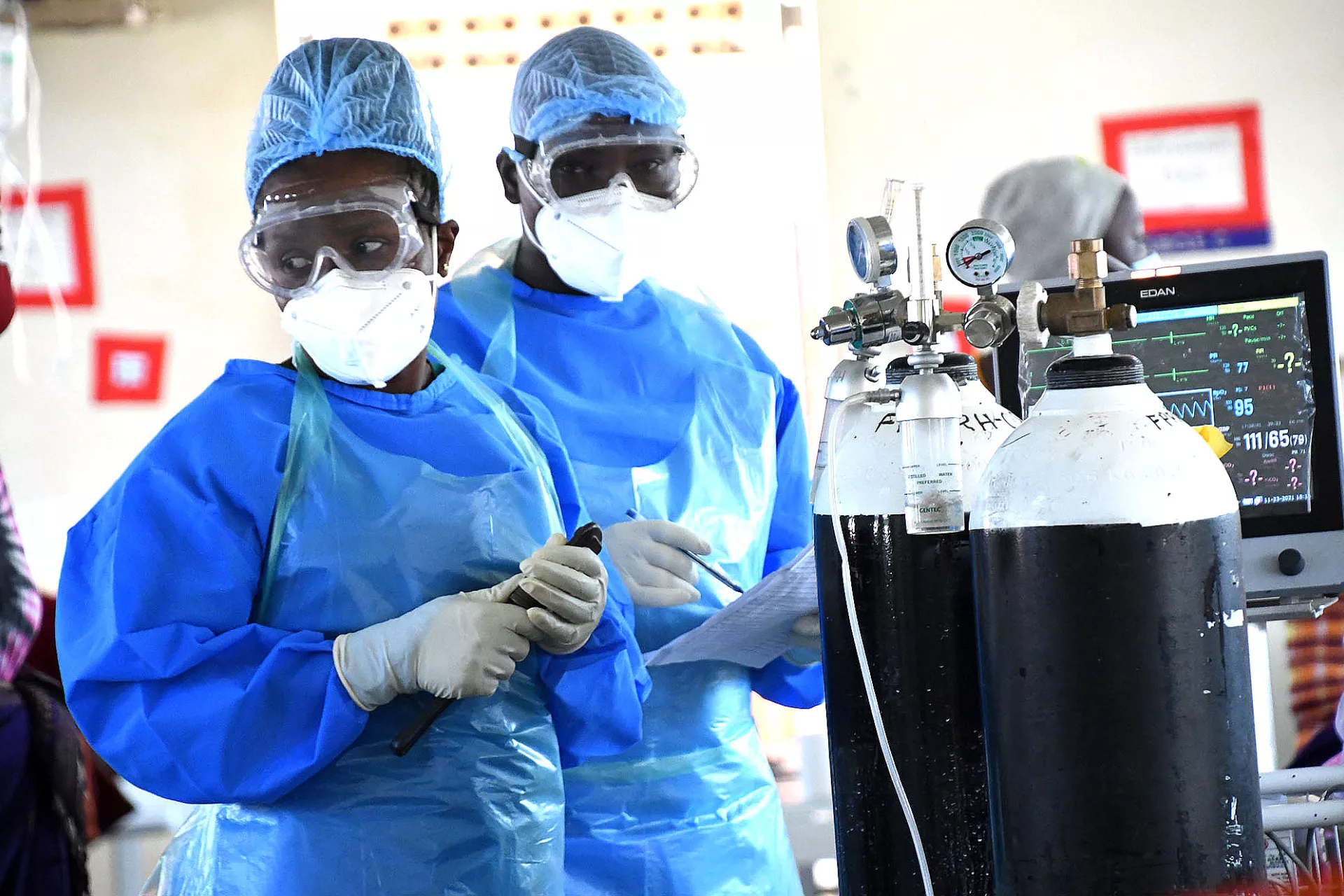
This is a new virus that causes a respiratory illness in people and animals and can spread from person-to person through sneezing and coughing droplets. This virus has signs and symptoms similar to the common cold but is dangerous and if not reported early and managed by Health Workers it can cause severe illnesses in humans and can lead to death.
There are ongoing studies on the origins of Coronavirus. However, the current outbreak started in a large animal and seafood market in China, in a city called Wuhan.
Coronavirus is spread from human-to-human when an infected person’s sneeze or cough droplets come into contact with others. It can also spread when a person touches a contaminated surface, e.g. desk, chair, door handle etc. then touches their eyes, nose and/or mouth.
Everyone is at risk. However, severe symptoms and death appear more frequently among older people. People with underlying health conditions
such as lung or heart diseases, renal failure or weak immune systems are noted to be at a higher risk of infection.
Most patients who have been seen so far present with:
- Fever
- Cough
- Sore throat
- Running nose
- Difficulty breathing
There are simple everyday actions that can help prevent the spread of the virus:
- Avoid close contact with people who are visibly sick with flu-like symptoms (fever, cough, sneezing).
- Avoid touching your eyes, nose, and mouth with unwashed hands.
- Wash your hands often with soap and running water for at least 20 seconds. If soap and water are not available, use an alcohol-based hand sanitizer.
- Stay home when you experience these symptoms to avoid spreading illness to others.
- The sick are encouraged to use a facemask to cover their nose and mouth.
- Cover your mouth and nose with a tissue when you cough or sneeze, then throw the tissue in the dustbin and wash your hands thoroughly with soap and running water.
- Regularly clean and disinfect frequently touched objects and surfaces such as door handles and phones.
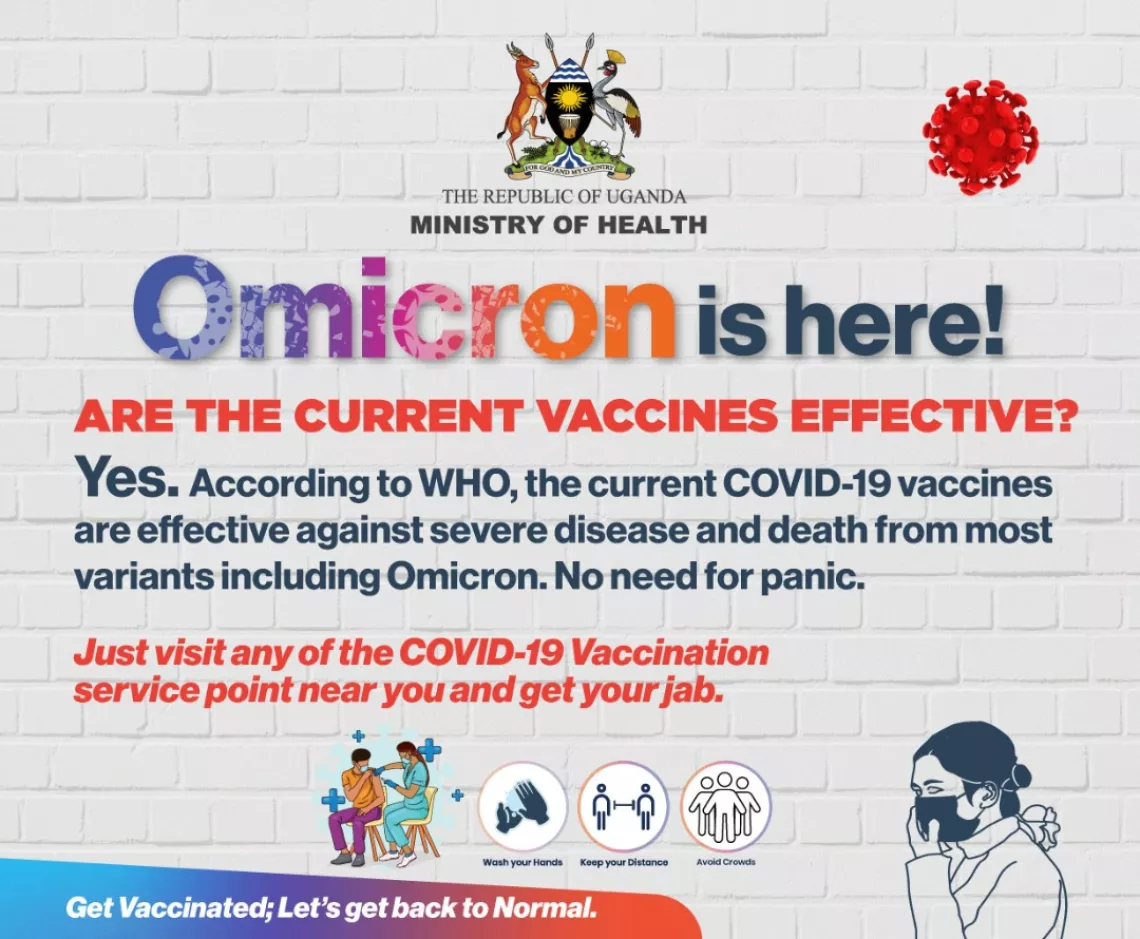
LEARN MORE ABOUT THE OMICRON VARIANT

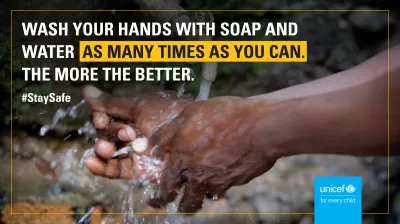
Washing your hands with soap and water kills viruses, including Coronavirus (COVID-19).


There is currently no vaccine to protect against Coronavirus. The best way to prevent infection is to avoid being exposed to the virus or to those infected with the virus.
There is no specific antiviral treatment. However, people who have been infected should immediately, seek medical care to help relieve symptoms and manage complications.
The best place to manage a sick person with Coronavirus is in the hospital. However, if the patient is still managed at home you should:
- Place the patient in a well-ventilated single room and provide the patient with a facemask.
- Limit the number of caretakers of the patient to only one person who is in good health.
- Wash your hands with running water and soap following all contact with sick persons or their immediate environment.
- Avoid direct contact with body fluids, particularly oral or respiratory secretions or stool of the patient.
- Avoid sharing toothbrushes, eating utensils, dishes, drinks, towels, washcloths or bed linen with the sick person.
- Regularly clean and disinfect frequently touched surfaces such as doorknobs/handles, bedside tables, bedframes, and other bedroom furniture daily with regular household disinfectant or soap.
- Clean and disinfect bathroom and toilet surfaces at least once a day with regular household disinfectant or soap.
- Persons with symptoms should remain at home until their symptoms are resolved based on either clinical and/or laboratory findings.
- All household members should be considered contacts and their health should be monitored.
- If a household member develops symptoms of acute respiratory infection, including fever, cough, sore throat and difficulty breathing, follow the steps above.
Key messages
- Be on the lookout and avoid close contact with persons who show flu-like symptoms.
- Cover your mouth and nose when sneezing or coughing.
- Regularly wash your hands with soap and running water.
- Whenever possible avoid handling cash and try to use alternative payment methods such as mobile money or debit/credit cards. Ensure you wash your hands thoroughly with soap and running water after handling cash.
- Thoroughly cook meat and eggs.
- Avoid unprotected contact with live wild or farm animals