"Coordination and collaborations contributed to reduction of COVID-19 pandemic in Rwenzori region"
Dr. Alex Adaku, Director of Fort Portal Regional Referral Hospital shares
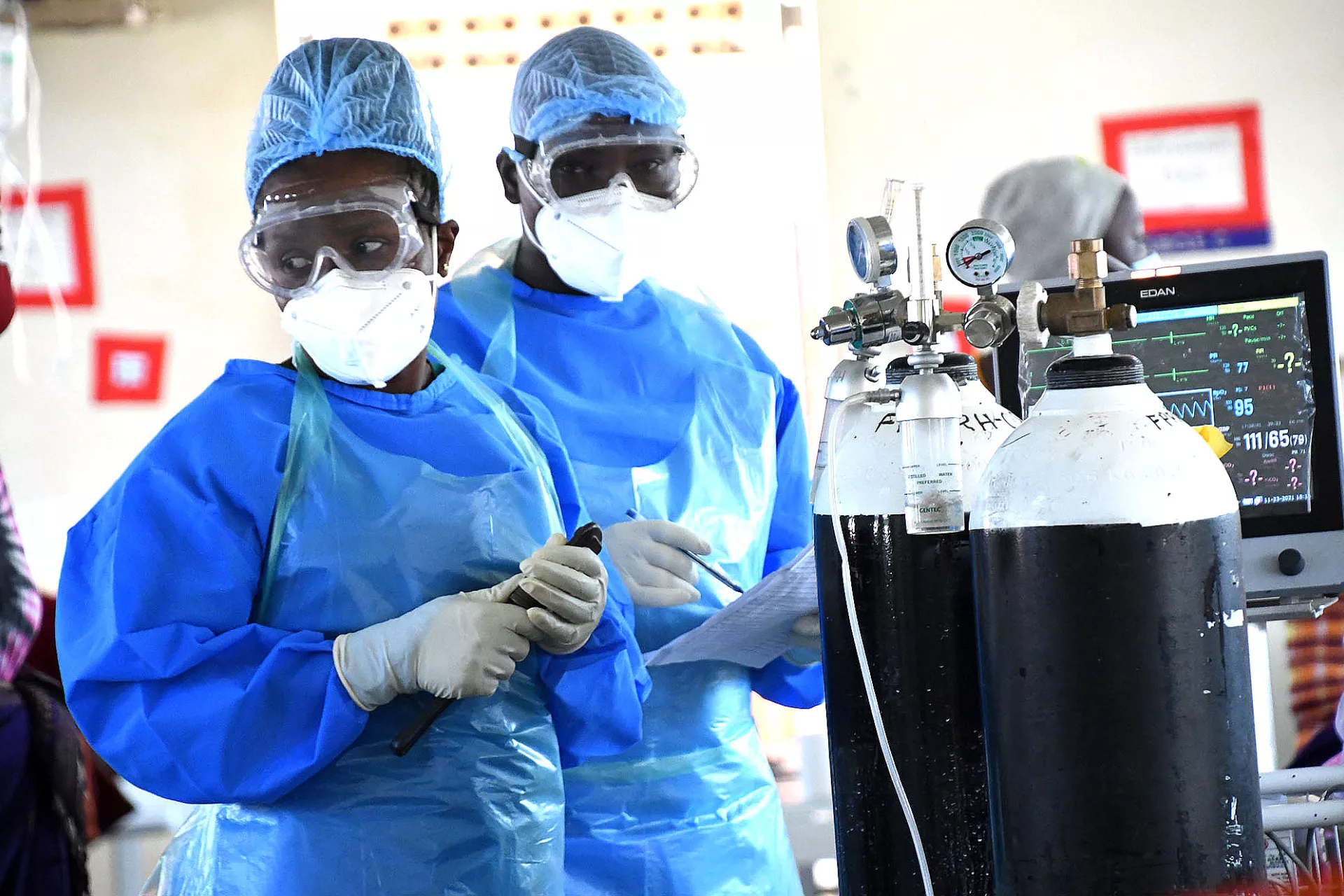
In any epidemic or pandemic, coordination and collaboration with others is critical to respond to health emergencies.
The Director of Fort Portal Regional Referral Hospital Dr. Alex Adaku explains that hadn’t there been coordination and collaboration from national and lower levels and with several partners, responding to the Coronavirus Disease (COVID-19) pandemic in the country would have been more challenging.
“If the hospital hadn’t received support from government and other partners, chances are high that all resources would have been re-directed to fighting the pandemic while other sectors suffocated,”
Locally known as Buhinga Hospital, Fort Portal Regional Referral Hospital serving the Rwenzori region – nine districts and one city, serves a population of 3.2 million. The hospital is among the regional referral and national hospitals that UNICEF has supported with personal protective equipment, handwashing facilities, infection prevention and control supplies, tents, and benches to decongest the hospitals and ensure continuity of critical health services amidst the COVID-19 response.
All this support at Fort Portal Regional Referral Hospital has been made possible with funding from the United States Bureau of Population, Refugees and Migration (US BPRM).

“The onset of COVID-19 saw a lot of re-organization in the hospital. A lot of patients were coming from the community for treatment. I appreciate the cooperation and support of government through the Ministry of Health, UNICEF, and other partners. Initially we were struggling with handwashing facilities, PPEs. All this support has improved our work and made infection prevention and control more easier,”
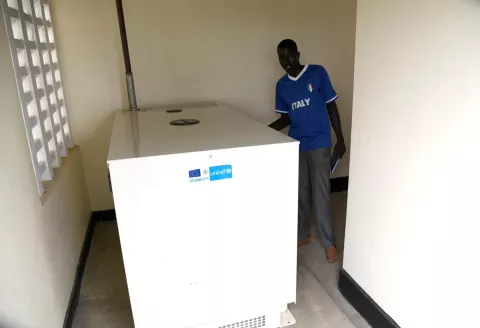
At the peak of COVID-19, the hospital experienced challenges of limited oxygen for patients in the hospital. The existing oxygen plant shut down at some point forcing the hospital to collect oxygen from Mbarara Regional Referral Hospital and Mubende Hospital after liaising with the Kabarole District authorities to undertake this temporary measure. Unfortunately, the two oxygen plants at Mbarara and Mubende respectively also broke down.
“We opted to go to Namanve Industrial Park where we would pick 60-70 cylinders. This was expensive yet the oxygen could not last for a long time,” Adaku reveals. With support from Ministry of Health, Tooro Kingdom, friends in the US from Tooro and National Medical Stores (NMS) the situation normalized.
Through NMS, UNICEF supported the refilling of oxygen cylinders dispatched to different regional referral and national hospitals including Fort Portal. The refilling was funded by a number of donors including the US BRPM, the UK Government, National Committees for UNICEF among others.
“The production capacity of the plant is still very minimal up to now. We receive filled cylinders from NMS. The frequency of delivery has increased to at least twice in a month and this has eased our operations,” the hospital director adds. NMS delivers about 60-70 cylinders to Fort Portal Regional Referral Hospital twice a month.
When a team from UNICEF visited the hospital, many units including the Neo-natal Intensive Care Unit, COVID-19 Treatment Unit, Pediatrics Ward, Maternity Ward, Accident and Causality ward were utilizing several oxygen cylinders.