Guidelines for Supporting Children in Conflict Situations
Recommended actions for parents and caregivers to help children cope with conflict and recover emotionally.

- English
- ไทย
Highlights
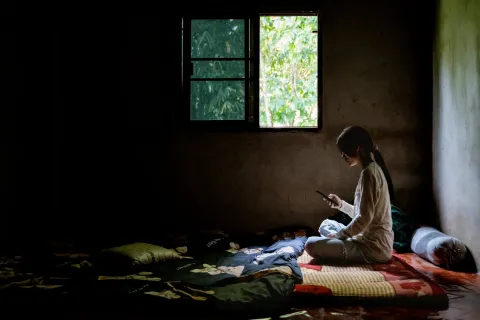
Conflict situations can cause a wide range of psychological impacts, including panic, confusion, disorientation, and stress. These experiences can lead to emotional trauma, particularly in children, who may be more deeply affected than adults. This heightened vulnerability is often due to children’s limited understanding of complex events, less experience in managing distressing situations, and greater difficulty in expressing their emotions.
UNICEF has compiled guidance based on credible sources to provide practical and timely support for parents and caregivers. These recommendations aim to help adults respond effectively to the emotional needs of children during times of conflict, and to foster a sense of safety, understanding, and emotional healing.