Safe schools require a whole-school approach, UNICEF review finds
- English
- ไทย
BANGKOK, 17 August 2026 – UNICEF welcomes the Royal Thai Government’s swift commitment to make school safety a national priority. It stands ready to support efforts to ensure every school and learning space in Thailand are safe places for children to learn, interact and grow.
The Government's commitment provides an important opportunity to build on Thailand's existing laws, policies and effort to keep school safe – including the ban on corporal punishment and the Child Protection Act – and ensure they are put into practice consistently for every child. The actions announced by the Government over the last week also build on findings from the Safe to Learn benchmarking exercise, conducted jointly with UNICEF in 2024-2025.
The Safe to Learn benchmarking report drew on extensive review of more than 100 laws, regulations, manuals and academic documentation, consultations with 54 teachers and education officials, 90 students nationwide, as well as a national workshop with the Ministry of Education, Ministry of Interior, and Ministry of Justice. Schools, civil society and youth representatives played important roles in shaping the report. The exercise found that Thailand has a substantial foundation of policies, systems and initiatives to keep children safe at school, but these are not yet implemented consistently or reach all children equally.
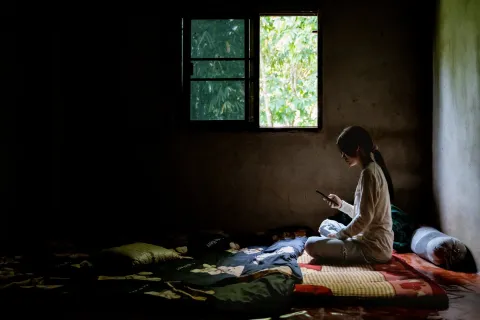
"No child should be afraid to go to school,” said Ken Legins, UNICEF Representative for Thailand. "We welcome the Government’s decisive commitment to make school safety a national priority. Keeping children safe means making sure bullying and violence are stopped before they escalate; that a child who is struggling and stressed is noticed and supported; that children know where to turn when something is wrong; and that schools have the people, skills and resources to respond to emergencies. No school can do this alone. It takes education, child protection, health, law enforcement, social services, parents and communities to work together.
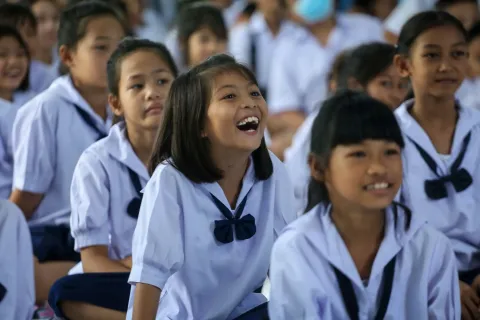
"Children and young people know their schools best. They experience every day what makes them feel safe—or unsafe. Listening to them is not optional; it is essential. A safe school is one where every child is protected, supported and heard."
The good news is that Thailand already has many building blocks in place, Legins added. “The task now is to bring them together into a consistent, whole-school approach that reaches every child, in every school.”
Drawing on the benchmarking findings, several practical priorities can help translate the national commitment on school safety into consistent practice:
- Make it easier and safer to speak up. Give children, parents and teachers clear and confidential ways to report concerns and get help, including an alternative route when a member of school staff is involved.
- Spot risks early and connect children to support. Strengthen screening, counselling and mental health support, as well as capacity building of teachers to understand mental health, with clear pathways to psychologists, health and child protection services.
- Equip schools to prevent and respond to violence. Ensure schools have trained staff responsible for child protection and safeguarding, and that teachers and other staff understand positive discipline, violence prevention, reporting and referral.
- Combine physical security with prevention. Emergency preparedness, safety drills, and weapons prevention should go hand in hand with preventing bullying and other forms of violence, supporting mental health and building positive relationships at school.
The review also highlights the need to allocate adequate funding and support to help schools prevent and address violence effectively. This includes clear roles and responsibilities, appropriate training for teachers and students, and strong collaboration to ensure timely access to health, child protection and social welfare and other services.
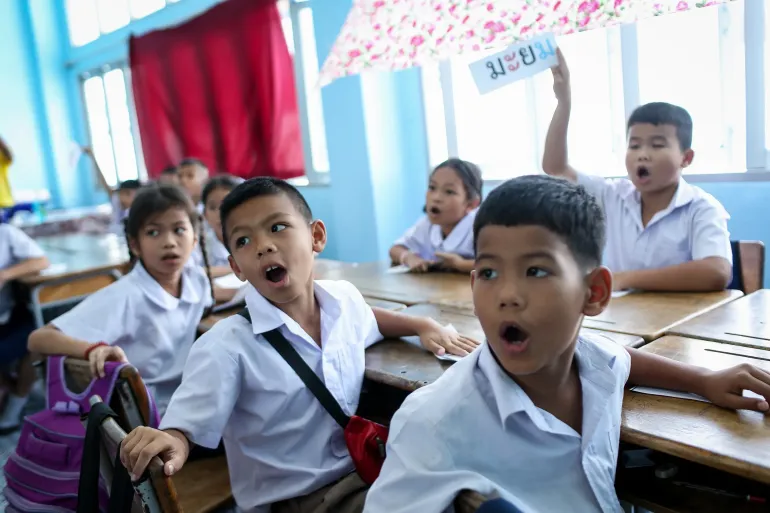
Students consulted through benchmarking also called for greater participation in developing school rules, accessible ways to raise concerns, and respectful treatment and communication. At the same time, they supported stronger controls on weapons and drugs as well as regular emergency drills. This demonstrates that children see safety as not only protection from immediate threats but also everyday conditions in which they learn.
UNICEF is working with the Ministry of Education and partners to support the Government’s national school safety agenda and help ensure that every child in Thailand can learn in a safe environment, with consistent protection and support they need.
Media contacts
About UNICEF
UNICEF promotes the rights and wellbeing of every child, in everything we do. Together with our partners, we work in 190 countries and territories to translate that commitment into practical action, focusing special effort on reaching the most vulnerable and excluded children, to the benefit of all children, everywhere.
For more information about UNICEF and its work for children, visit www.unicef.org/thailand.
For general inquiries, please contact: [email protected].
Follow UNICEF on and Facebook, Instagram, TikTok, and X (Formerly Twitter)