

Rebuilding Futures: Helping Youth Reconnect & Thrive
A pilot programme helping out-of-school and unemployed youth access education, skills training, and job support.
- English
- ไทย
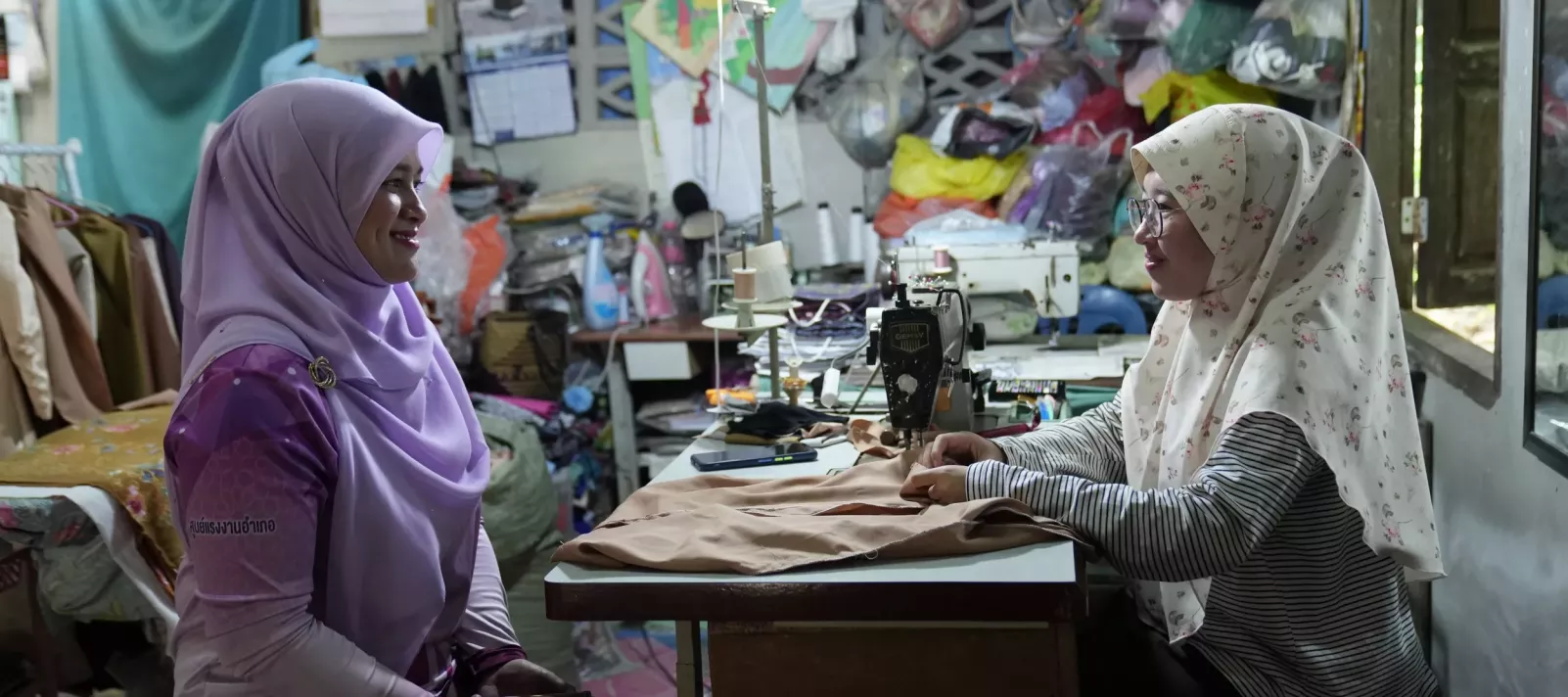
The Pilot of Integrated Services for Youth in NEET (not in education, employment or training) Situations is a joint initiative by UNICEF Thailand, the Office of the National Economic and Social Development Council and the Ministry of Labour. It aims to support young people in Thailand aged 15–24 who are not in school, working, or undergoing training. By connecting them to education, skills development, and employment opportunities, the programme offers a second chance for these youth to build their futures and actively contribute to their communities.
The Challenges
In Thailand, many young people are falling into the category of “NEET” – not in education, employment, or training. These youth often face multiple barriers such as poverty, limited access to quality education, lack of job opportunities, mental health challenges, and low motivation. Without targeted support, many risk being left behind, unable to realize their full potential.
Some key facts about NEET situation in Thailand:
- 12.8% of youth in Thailand are in NEET situations.
- Many NEET youth did not complete Grade 9, the compulsory education level.
- Poor literacy and numeracy skills are common among NEET youth.
- Causes include intergenerational poverty, low motivation, teenage pregnancy, substance abuse, and unstable family environments.
A New Way to Support Youth
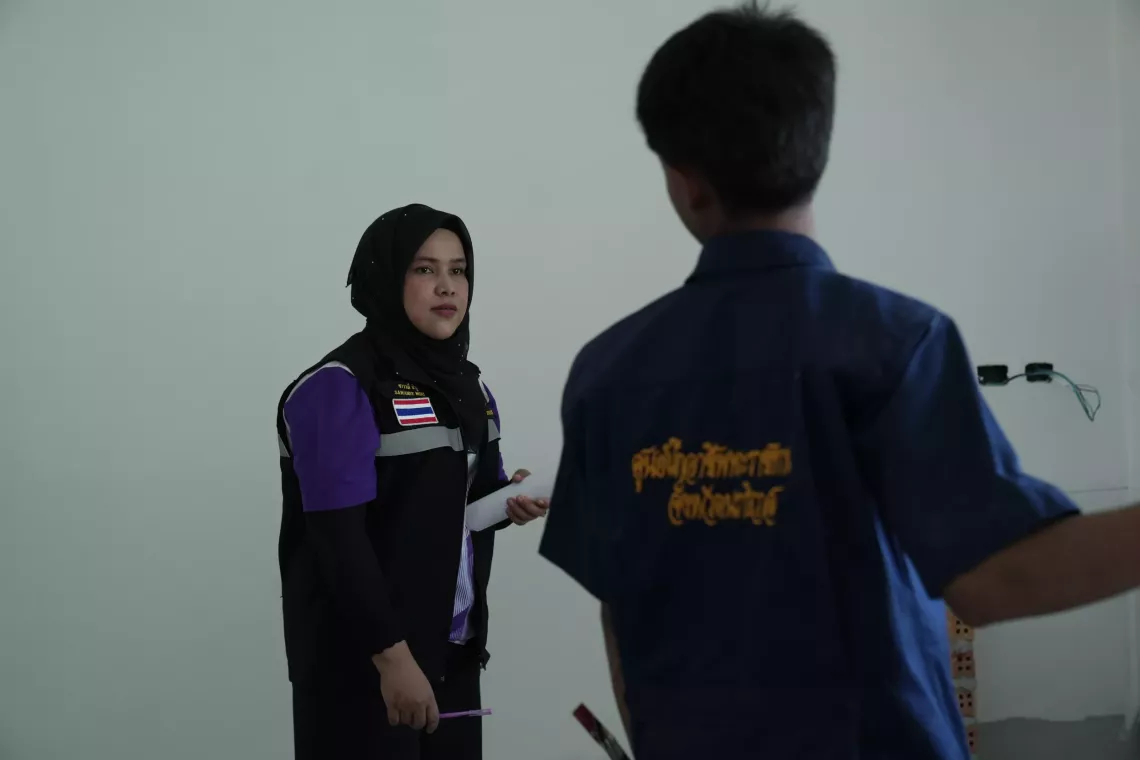
To support youth in NEET situations in Thailand, UNICEF Thailand, the Office of the National Economic and Social Development Council and the Ministry of Labour launched a pilot programme in Udon Thani province and the Southern Border Provinces of Songkhla, Pattani, Yala, and Narathiwat. This innovative initiative adopts a youth-centered, integrated approach to help young people reconnect with education, skills training, or employment opportunities. Inspired by the European Union’s Reinforced Youth Guarantee Scheme, the programme has been adapted to the Thai context to respond to the specific needs and challenges faced by youth in these provinces.
"My life has completely changed. From being troublesome, I’ve improved. I am more mature. I am proud of myself."
At the heart of the pilot is the “4-Step Model” – a structured pathway that begins by identifying young people in NEET situations through mapping, followed by outreach, preparation, and connecting them with real opportunities. This process is supported by the capacity building of local task force teams and ongoing post-placement follow-up. Rather than treating youth as a homogeneous group, the programme provides tailored support through trained labour graduates and community volunteers. It also strengthens local systems by fostering collaboration among government agencies – including those in education, health, social welfare, and labour – as well as schools, training providers, and employers, ensuring long-term impact and sustainability.
The 4-Step Model
The pilot follows a step-by-step approach known as the “4-Step Model.” This model ensures that every young person receives personalized and continuous support — from the moment they are identified to the time they are reintegrated into education, training, or employment.
The "4" steps are:
- Mapping: Map and identify NEET youth in each area, along with relevant stakeholders and available services.
- Outreach: Connect and build trust with youth and their families.
- Preparation: Offer life skills mentoring, and personalized support.
- Offer: Link youth to education, traninig, or jobs.
Impact So Far
Since its launch in 2023, the pilot has shown promising results across the participating provinces. Through strong collaboration among government agencies, local volunteers, and communities, the initiative has reached thousands of young people – connecting them to second-chance opportunities in education, training, and employment. These early successes highlight the power of personalized support, structured planning, and an integrated service delivery model.
Key achievements to date:
- More than 1,800 youth identified to be in NEET situations reached through outreach activities.
- 1,800+ individualized action plans developed.
- Over 1,400 youth, or 77%, referred to education, training, or job opportunities.
- 700+ service providers trained to conduct outreach and deliver youth work.
- Increased self-confidence and motivation among participating youth.
- Stronger collaboration across local agencies, service providers, community actors, and the private sector.
Beyond the numbers, the initiative has helped raise awareness among families, community leaders, and local as well as national authorities about the importance of supporting youth who are disconnected from school or work. Local systems are now better equipped to identify and respond to the needs of these young people, laying the groundwork for sustained, long-term impact.