

Breaking the Silence on Statelessness
No child should have a stateless future

- English
- ไทย
Why statelessness matters
All children have the right to a nationality – without one, they often cannot access other core rights including education, employment, housing and healthcare. This can have a devastating lifelong impact which may be passed down to their children, perpetuating the vicious statelessness cycle.
With a legal identity, however, children are given a fair start in life and can thrive - benefiting themselves, their families, their communities, and the nation as a whole.
UNICEF is committed to ending childhood statelessness in Thailand, which has one of the largest populations of stateless children in the world. In June 2024, the Royal Thai Government confirmed that there were 169,241 children registered as stateless, the majority from ethnic minorities who have lived in Thailand all their lives, sometimes for centuries.
UNICEF is working with the Royal Thai Government and partners towards a future where all children in Thailand are given a legal identity so they can access all their rights. Our new campaign, created in partnership with UNHCR, is shining a spotlight on this important issue ahead of the launch of the Global Alliance to End Statelessness on 14th October in Geneva.
Throughout October and November we will be launching a video series capturing the real lives that statistics can sometimes obscure. You'll meet eight young people who were born stateless. Some of them have gone on to gain citizenship or a legal identity, while others continue to struggle towards this goal. But they all have one thing in common – dreams of a better future. UNICEF is committed to working until we reach a future where those dreams can come true for every child.
Statelessness in Thailand
Thailand has one of the world’s largest stateless populations. As of September 2023, data from the Ministry of Interior confirms there are over 592,340 people registered as stateless in the country, with approximately 169,241 being children.
Birth registration is the first step a child takes towards a legal identity, and the surest pathway towards nationality and citizenship. Without registration a child may become stateless, losing access to other critical rights such as healthcare, education and legal protection. This also leaves them vulnerable to exploitation.
Under Thai law, every child born in Thailand is entitled to be registered at birth and receive a birth certificate, regardless of their parents' status. However, many children, particularly those from ethnic groups in remote areas, remain unregistered due to a lack of awareness or resources. In April, the Royal Thai Government reaffirmed its commitment to addressing these challenges by formally joining the Global Alliance to End Statelessness, a coalition that will be launched on 14th October in Geneva.
Meet the future
To get a full picture of what statelessness is really like for children and young people, please watch these eight videos featuring eight youths, some who remain stateless, some who have now secured a legal identity. How does it feel to be stateless? What fears and insecurities do stateless children experience? How does it feel to finally secure legal recognition? Hear the answers directly from the young people themselves, and you will understand why it's so important to end child statelessness, for the children themselves and Thailand.
Chikoh's Bakery Dream
Namfon’s Pursuit of Her Football Dream
Natoongnaw's Unbreakable Dream
Arthid's Fight for His Culinary Dream
Vejpisit’s Dream of Playing on the Pitch
Fah-Ngern's Road to Her Mechanic Dream
Thidaporn's message to all Thai people
Somchai and His Journey to a World Without Limits
Thailand: UNICEF’s work to end statelessness for children
UNICEF Thailand has worked with the Royal Thai Government and other partners over many years to address the challenge of statelessness. Thailand has long had one of the highest populations of stateless people in the world, including many stateless children, so this has been a high child rights priority.
In 2007 UNICEF launched the groundbreaking mobile stateless classroom in Chiang Mai province, supporting stateless people to take the necessary steps to gain legal recognition and/or citizenship.
Over many years we advocated for consistent registration of newborn children. Birth registration is the first official record of a child’s existence, critical to establishing legal identity and/or citizenship. UNICEF and partners worked with the Ministry of Interior to develop a programme linking the data of children born in hospitals to civil registration records. In 2013, public hospitals in Thailand launched e-(birth) registration to guarantee that all children born in Thailand, regardless of their parents’ nationalities, are registered and receive a birth certificate.
UNICEF has worked with partners including Chiang Mai University to accelerate efforts to secure legal status for stateless children in Thailand, developing a practical model to eliminate bottlenecks in the complex registration and review process. UNICEF worked with multiple local partners in civil society on a mobile registration unit that would accelerate the process to obtain legal identity documentation including nationality in Chiang Mai, Chiang Rai and Mae Hong Son provinces. UNICEF also collaborated with UNHCR on strengthening the capacity of stakeholders active in tackling statelessness, including government officials, NGOs, CBOs and academia.
Finally, UNICEF has worked to raise awareness of and understanding around statelessness within the Thai population. In 2021, it launched its “Lives Untold” campaign, which included a milestone report into the real situation of stateless families and children in Thailand, alongside videos and social media content that captured the lives of individuals struggling with the challenge of statelessness. This public campaigning continues to this day and will until the goal to #EndStatelessness has been achieved
Publications
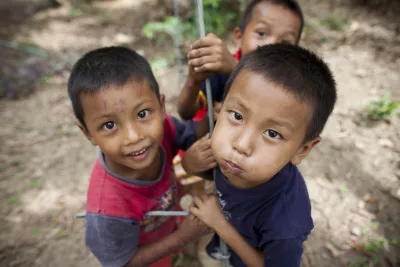
Invisible Lives: 48 Years of the Situation of Stateless Children in Thailand
This report features an overview of the situation of stateless children in Thailand, including barriers to obtaining birth registration and Thai nationality. It also includes policy recommendations and best practices for agencies tasked with addressing statelessness.
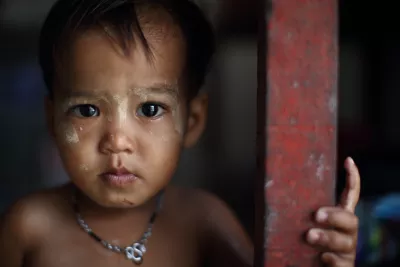
Rights and approaches to facilitating the acquisition of legal status for children affected by migration in Thailand
This publication outlines the situation of children accompanying refugees, migrant workers and other groups facing problems with legal status in Thailand. It summarizes key information about facilitating the acquisition of legal status, civil rights, laws and policies relevant for government officials, civil society organizations, refugees, migrant workers and other groups.
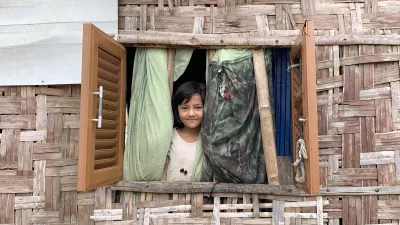
Manual on Birth Registration and Procedures on Facilitating the Right to a Thai Nationality
This manual aims to strengthen the understanding of relevant stakeholders, including stateless persons, their family members, academics, civil society organizations and officials involved in these procedures under the current policies and legal framework.
An Assessment of Access to Birth Registration among Migrant Children: the Quantitative Study
Access to birth registration for all children born in Thailand, including cross-border migrants and ethnic populations is one of the key conditions for the prevention of human trafficking and statelessness, and ensuring access to basic rights of children in various areas, particularly education and health services. This report focuses on quantitative assessment of the status of birth registration and examine the facilitating and inhibiting factors related to the registration of births of the study population
Directory of Stateless Children Protection Stakeholders
This document collects a directory of organizations and agencies nationwide working to support and protect stateless children.
Ending and Protecting Child Statelessness in Thailand: Developing an Accelerated Nationality Review Model
This is the full report on the study of situation on limitations in accessing birth registration and facilitating the rights to a nationality with the policy recommendations and model to prevent and find solutions to the lack of access to birth registration and problems pertaining to the processes towards facilitating the rights to a nationality.